Raising Bilingual Children in an Expat Household
About this lesson: This is a B2 (Upper Intermediate) ESL lesson in the General English category. It takes about 60 minutes. It includes 5 vocabulary words, 4 idioms and phrasal verbs, a reading text, comprehension questions, discussion questions and speaking patterns. Suits one-to-one or small-group online classes. Free to open and teach with no login, and it prints as a PDF.
Print just the discussion questions
How this lesson is built
This is a complete conversation lesson built on a scientific pedagogical formula, not a generic worksheet: recall prior topic vocabulary, pre-teach the new words in depth, read in context, practise active recall with flashcards and synonyms/antonyms, build accuracy with exercises, and finish with deep discussion.
- Warm-up: Discussion questions that connect the topic to the student’s own life and recall vocabulary they already know about the subject.
- Reading: A text written for this CEFR level that uses each new word two or three times in context, giving the student something meaningful to react to.
- Key vocabulary: 5 new words, pre-taught before the reading with a definition, pronunciation guide, example sentences and a picture, plus word families, usage notes, recall flashcards and synonyms/antonyms, giving a solid grounding before reading.
- Comprehension: 5 questions that check the new words: retrieval practice, not rereading.
- Idioms and phrasal verbs: Expressions taken from the reading, each with its meaning, an example and a speaking question.
- Sentence frames: 3 speaking patterns, each at three levels of support (emerging, developing, expanding) with model answers—especially helpful scaffolding for beginners and less confident speakers.
- Gap-fill: The new words again, in a shuffled order, so the student recalls them by meaning in context.
- Sentence unscramble: Natural sentences with the new words to put back in order, reinforcing grammar and collocation.
- Discussion: 5 open questions designed to talk deeply about the subject while actively using the lesson’s target vocabulary: the heart of a conversation lesson.
- Quiz: A short retrieval check that brings every new word back once more.
Unlike a generic worksheet, the new words are taught before the reading and met again in the activities, the speaking is supported at three levels and most of the time goes on the student talking. Teachers who use PlanWise ESL also get per-student vocabulary tracking (recycling earlier words into future readings and questions), a private learner dashboard with flashcards and custom lesson creation, and a downloadable study PDF.
Warm-up: Two Languages, One Home
Talk about languages in your life and in families you know. There are no wrong answers here — just start speaking!
- How many languages do you hear around you in a normal day?
- Do you know any families where the parents speak two different languages? How does it work?
- If you moved to another country, would you want your kids to keep speaking your language? Why?
- What's easier: learning a language as a baby or as an adult? Why do you think so?
- Is there a word from your language you love and can't translate? Tell me about it.
Reading Text: Two Languages at the Dinner Table
Let's read a short article about families raising children with two languages. As you read, think about which family sounds most like real life to you.
When Marta moved from Poland to Canada with her husband, she made a promise to herself: her children would grow up speaking Polish. For her, language was more than words. It was her heritage, a connection to her grandparents and the village where she was born. 'If my kids lose Polish,' she says, 'they lose a whole part of who they are.'
But things did not go exactly as planned. At school, her son Leo quickly learned English, and soon he answered his mother in English, even when she spoke Polish to him. Marta felt frustrated. Like many parents, she worried that she was losing her grip on her child's world. Some friends told her to relax; others said she should be stricter about speaking Polish at home.
Experts say both parents have a point. Children need lots of input in a language to truly learn it, so some structure helps. But forcing a language can backfire, and children who feel punished for their words may start to resist. The healthiest families usually blend the two approaches: they keep the home language alive, but they also embrace the new language without guilt.
There is another side to the story. Children raised with two languages often build a mixed identity. They may feel fully Canadian when they play hockey and fully Polish when they visit their grandmother. Some people see this in-between feeling as a problem, but many bilingual adults describe it as a gift. They can belong everywhere, and they understand two cultures from the inside.
Marta's daughter Nina is now sixteen, and her upbringing sounds ordinary in one way and special in another. She complains about Polish homework on Sundays, but she recently started texting her cousins in Warsaw without anyone asking her to. 'I guess it stuck,' Marta laughs. 'In the end, we didn't choose one language. We just made room for both.'
Key Vocabulary
heritage
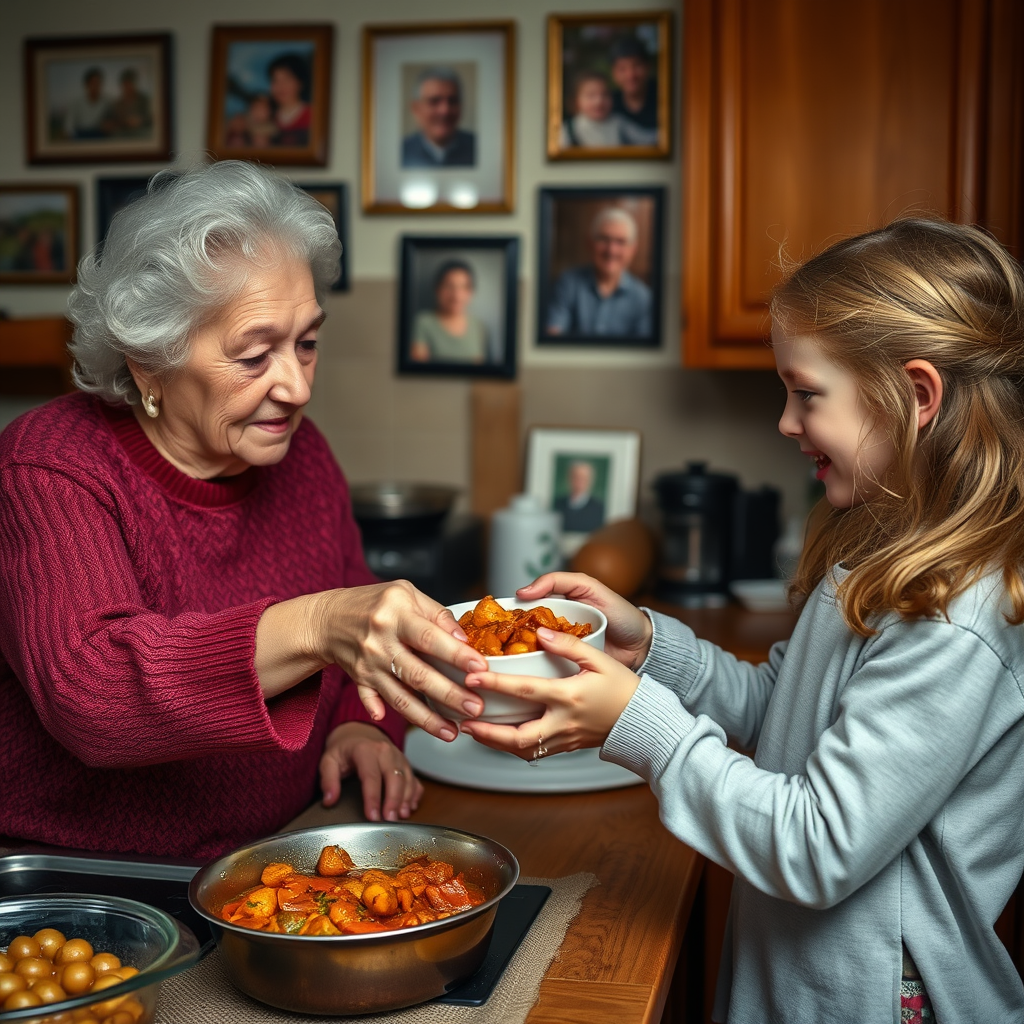
the traditions, culture and history you get from your family or country
Cooking my grandmother's recipes keeps me connected to my heritage.
More examples: The city protects its old buildings as part of its heritage. • She's proud of her Irish heritage, even though she's never been there. • I want my kids to know something about our heritage.
Common collocations: cultural heritage, family heritage, proud of your heritage
Word family: heritage (noun), inherited (adjective)
Synonyms: tradition, legacy, roots
Antonyms: novelty, break with the past
Related concepts: family history, culture, ancestors
Contexts: family conversations, museums, immigration stories
Usage note: Use for culture, traditions, language and history passed down in families or countries. Often used with 'cultural' or 'family'. It is something you are usually proud of.
identity

who you are; the sense of what makes you yourself
Moving abroad at fifteen made him question his identity.
More examples: Speaking two languages is a big part of her identity. • Teenagers often search for their own identity. • Your job is not your whole identity.
Common collocations: sense of identity, national identity, part of your identity
Word family: identity (noun), identify (verb), identical (adjective)
Synonyms: sense of self, character, individuality
Antonyms: anonymity, loss of self
Related concepts: belonging, culture, personality
Contexts: psychology discussions, immigration stories, teen life
Usage note: Often used with 'sense of'. Common in conversations about teenagers, immigrants and personal change. Say 'a strong sense of identity' or 'part of my identity'.
upbringing
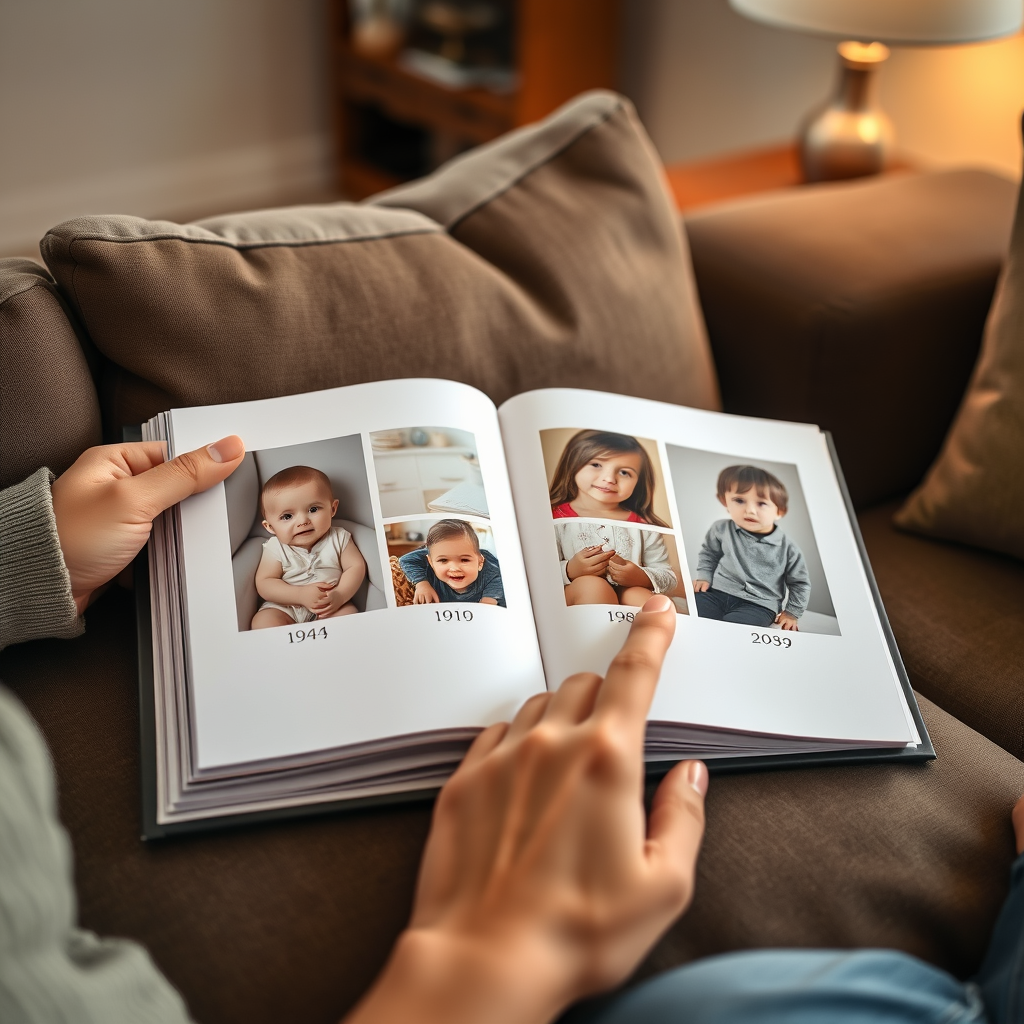
the way your parents raise you as a child
Her strict upbringing taught her to respect older people.
More examples: He had a very free upbringing; his parents let him decide everything. • My upbringing was bilingual — my mother spoke one language, my father another. • People say your upbringing shapes who you become.
Common collocations: strict upbringing, religious upbringing, have a happy upbringing
Word family: upbringing (noun), bring up (phrasal verb), raise (verb)
Synonyms: childhood, rearing, background
Antonyms: neglect, self-made start
Related concepts: parenting, childhood, discipline
Contexts: family conversations, autobiographies, interviews
Usage note: Always about childhood, never about pets or plants. Common adjectives: strict, traditional, religious, bilingual, happy. Say 'I had a... upbringing' or 'my upbringing was...'.
embrace

to accept something new with enthusiasm and welcome it
She embraced the local culture from her first week abroad.
More examples: The town embraced the new festival and it became huge. • It took me a year to embrace life in a new country. • Companies should embrace change instead of fighting it.
Common collocations: embrace change, embrace a new culture, embrace the opportunity
Word family: embrace (verb), embrace (noun)
Synonyms: welcome, accept, take up
Antonyms: reject, resist
Related concepts: open-mindedness, change, adaptation
Contexts: moving abroad, work life, new hobbies
Usage note: Positive and active: it means more than just accepting — you welcome it. Common objects: change, culture, technology, an opportunity. Do not use for people you hug in this meaning.
blend
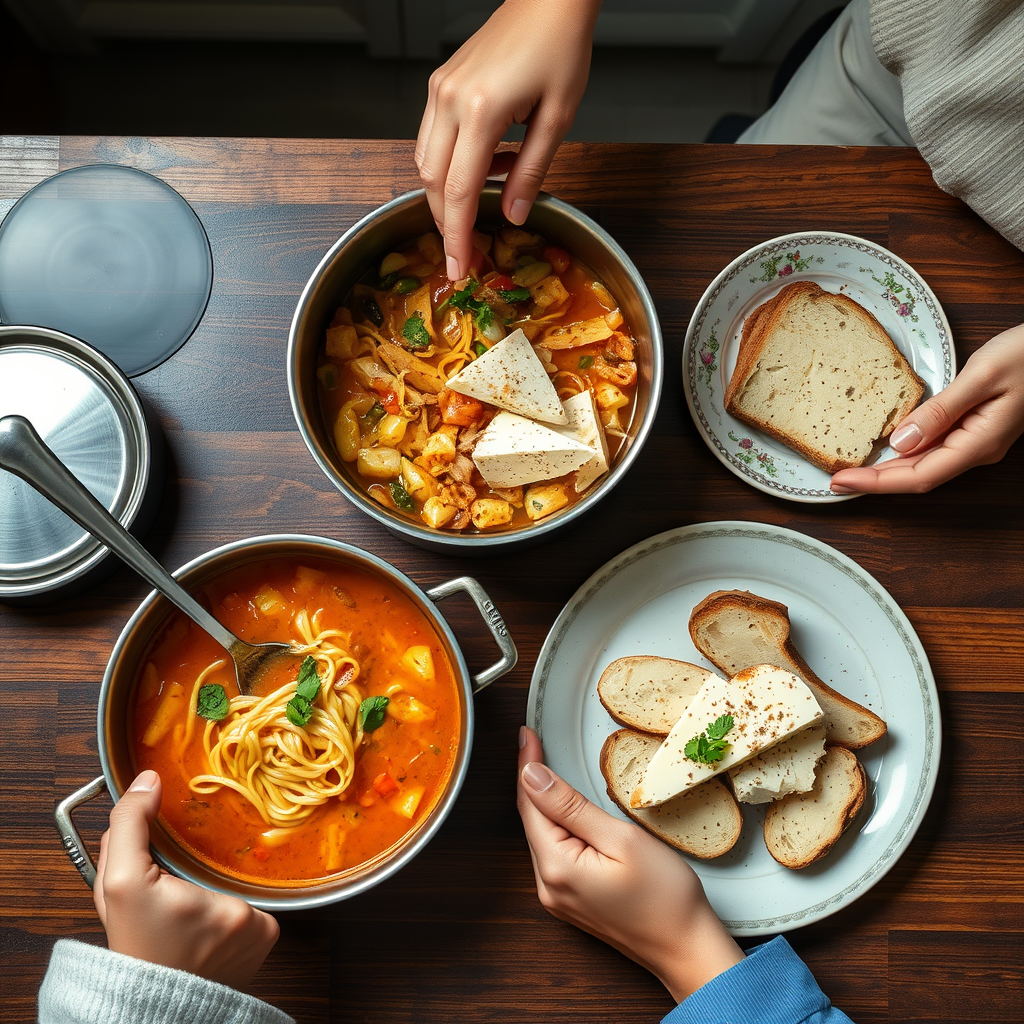
to mix two or more things together so they combine well
Their cooking blends flavors from three different countries.
More examples: The school blends online lessons with classroom teaching. • The two styles blend beautifully in her paintings. • It's hard to blend work and family life perfectly.
Common collocations: blend two cultures, a blend of styles, blend in with the crowd
Word family: blend (verb), blend (noun), blend in (phrasal verb)
Synonyms: mix, combine, merge
Antonyms: separate, divide
Related concepts: fusion, mixture, balance
Contexts: cooking, music, multicultural life
Usage note: Use for mixing ideas, styles, cultures or flavors, usually in a good way. 'Blend in' is slightly different: it means to not stand out. Watch the difference in conversation.
Vocabulary Check
- What does 'heritage' mean?
- The traditions and culture you get from your family or country
- A large house where a family lives together
- A language school for children
- The money parents save for their children
- Which sentence uses 'embrace' correctly?
- I embrace my bed at midnight when I can't sleep.
- She embraced the chance to work abroad and moved within a month.
- He embraced the traffic jam for two hours.
- They embraced the bill because it was too expensive.
- What does 'upbringing' mean?
- A gift you give your parents
- The process of moving to a new country
- The way your parents raised you as a child
- A special school for talented children
- In which situation would you use 'blend'?
- When you refuse a new idea completely
- When you mix two cooking styles in one dish
- When you forget a word in your own language
- When you move to a bigger apartment
- What does it mean if language is 'part of your identity'?
- You use it only at work
- It is something about you that makes you who you are
- You had to learn it at school
- It is the hardest language you know
Idioms & Phrasal Verbs
backfire
to have the opposite result from the one you wanted
I tried to motivate my brother by criticizing him, but it backfired — he just stopped talking to me.
Usage note: No object: the plan backfires, you don't 'backfire something'. · Right: The plan backfired · Avoid: The plan backfired me
Usage note: The picture is from engines: the explosion goes backwards instead of forwards.
lose your grip on
to stop being able to control or understand something
After two years abroad, I felt I was losing my grip on my own language.
Usage note: The picture is easy: your hand slowly opens and you drop what you were holding.
Usage note: Often used with 'reality' or 'the situation' in the news: 'the government is losing its grip on the situation'.
grow up
to change from a child into an adult
I grew up in a small town, so the city still feels exciting to me.
Usage note: No object: children grow up, you don't 'grow up children'. · Right: I grew up in Warsaw · Avoid: I grew up myself in Warsaw
Usage note: 'Grow up!' as a command means 'stop being childish' — informal and a bit rude.
make room for
to create space or time for something new
I had to make room for my new hobby, so I gave up watching TV in the evening.
Usage note: Can be literal (space in a room) or figurative (time, energy, new ideas) — here it's figurative.
Usage note: Split it like this: 'make room for', not 'make for room'. · Right: make room for both languages · Avoid: make for room both languages
Language Practice: Talking About Languages and Family
Practice expressing ideas about bilingual families. Use these frames to say more about culture, family and change.
- Comparing two views and giving your own opinion
- Emerging: Some people say ___, but I think ___. — Some people say kids get confused by two languages, but I think they manage fine.
- Developing: Some people say ___, but I think ___ because ___. — Some people say bilingual kids start speaking later, but I think the delay is small because they catch up quickly.
- Expanding: Although some people say ___, I'd argue that ___ because ___. — Although some people say two languages confuse children, I'd argue that mixing them is natural because bilingual kids do it everywhere.
- Weighing advantages and disadvantages
- Emerging: The good thing about ___ is ___. The bad thing is ___. — The good thing about bilingualism is more job chances. The bad thing is it takes effort.
- Developing: On the one hand, ___, but on the other hand, ___. — On the one hand, bilingual children get better at switching between cultures, but on the other hand, they sometimes feel they belong nowhere completely.
- Expanding: The main advantage of ___ is that ___, although the downside is that ___. — The main advantage of a bilingual upbringing is that children connect with relatives, although the downside is that it demands constant effort from parents.
- Imagining situations and future family decisions
- Emerging: If I moved abroad, I would ___. — If I moved abroad, I would speak my language at home.
- Developing: If I ___ abroad, I would ___ because ___. — If I moved abroad, I would keep our traditions at home because kids need their heritage.
- Expanding: If I ___ abroad and my partner spoke another language, I think we would ___ because ___. — If I moved abroad and my partner spoke another language, I think we would blend both at home because I don't want one language to win.
Fill in the Blanks
Anna grew up in a family where two languages lived side by side. Her parents' _____ was very different from hers: they arrived in a new country with little money and few words of the local language. At home, her mother tried to _____ old recipes with new ingredients, and the kitchen always smelled like two countries at once. Anna used to complain about the evening language lessons, but as an adult she has come to _____ them. Speaking two languages became part of her _____, and she says it helps her at work every single day. Now she wants to pass that _____ on to her own children, even though it will not always be easy.
Word bank: heritage, identity, upbringing, embrace, blend
Sentence Unscramble
- my / grandmother / passed / down / her / recipes / and / her / heritage
- speaking / two / languages / is / part / of / my / identity
- their / upbringing / blended / two / cultures / in / one / home
Discussion Questions
In the article, Marta wants her children to keep speaking Polish, but her son answers in English anyway. This happens in many families around the world: kids prefer the language of school and friends, and parents quietly give up.
Do you think parents should insist on the home language, or just let kids choose? What would you do?
Some bilingual adults say they feel 'in between': not fully from one country or the other. Some see it as a problem, but many describe it as a superpower — they understand two worlds from the inside.
Would you rather belong 100% to one culture or 50% to two? Why?
Experts in the article say the healthiest families blend approaches: they keep the home language alive but embrace the new culture without guilt. Forcing it can backfire, but doing nothing can mean the language dies out in one generation.
What's a good 'blend' in real life? Give me two things a family could do at home.
Language carries heritage, but so do food, music, holidays and family stories. Some parents worry more about recipes disappearing than about grammar mistakes. Others think culture survives even if the language fades.
If you could pass down only one thing to the next generation — your language, your food, or your family stories — which would you choose?
Imagine you move to another country with young children. They will learn the local language in months and become locals at school. You, meanwhile, may always speak with an accent and feel a little outside.
Do you think kids of expat families have it easier or harder than their parents? Tell me more.
Knowledge Check
- Which word describes the traditions and culture you inherit from your family?
- Upbringing
- Heritage
- Blend
- Embrace
- 'Embrace' usually means to accept something new reluctantly.
- True
- False
- If someone says their 'upbringing was bilingual', what do they mean?
- They went to two different schools
- Their parents raised them speaking two languages
- They moved house twice as a child
- They taught themselves a language as an adult
- Which phrase means 'to become similar to the people around you so you don't stand out'?
- Pass down
- Blend in
- Embrace
- Take after
- A 'sense of identity' means knowing which country you have a passport from.
- True
- False
- If a plan 'backfires', what happens?
- It works better than expected
- It has the opposite effect from the one you wanted
- It takes longer than planned
- It costs more money than expected
Free to use with your students: Free to teach, screen-share, print and share with your students, with a credit to PlanWise ESL. Please do not sell it or republish it as your own. What you can do with free lessons.