Busy Airports, Gifts, and Travelling Home for Major Holidays
About this lesson: This is an A2 (Elementary) ESL lesson in the General English category. It takes about 60 minutes. It includes 5 vocabulary words, a reading text, comprehension questions, discussion questions and speaking patterns. Suits one-to-one or small-group online classes. Free to open and teach with no login, and it prints as a PDF.
Print just the discussion questions
How this lesson is built
This is a complete conversation lesson built on a scientific pedagogical formula, not a generic worksheet: recall prior topic vocabulary, pre-teach the new words in depth, read in context, practise active recall with flashcards and synonyms/antonyms, build accuracy with exercises, and finish with deep discussion.
- Warm-up: Discussion questions that connect the topic to the student’s own life and recall vocabulary they already know about the subject.
- Reading: A text written for this CEFR level that uses each new word two or three times in context, giving the student something meaningful to react to.
- Key vocabulary: 5 new words, pre-taught before the reading with a definition, pronunciation guide, example sentences and a picture, plus word families, usage notes, recall flashcards and synonyms/antonyms, giving a solid grounding before reading.
- Comprehension: 5 questions that check the new words: retrieval practice, not rereading.
- Sentence frames: 3 speaking patterns, each at three levels of support (emerging, developing, expanding) with model answers—especially helpful scaffolding for beginners and less confident speakers.
- Gap-fill: The new words again, in a shuffled order, so the student recalls them by meaning in context.
- Sentence unscramble: Natural sentences with the new words to put back in order, reinforcing grammar and collocation.
- Discussion: 5 open questions designed to talk deeply about the subject while actively using the lesson’s target vocabulary: the heart of a conversation lesson.
- Quiz: A short retrieval check that brings every new word back once more.
Unlike a generic worksheet, the new words are taught before the reading and met again in the activities, the speaking is supported at three levels and most of the time goes on the student talking. Teachers who use PlanWise ESL also get per-student vocabulary tracking (recycling earlier words into future readings and questions), a private learner dashboard with flashcards and custom lesson creation, and a downloadable study PDF.
Warm-up: Let's Talk About Holiday Travel
Look at the pictures and talk about travelling home for big holidays.
- Do you travel to see your family for big holidays?
- How do you usually travel - by plane, train, bus or car?
- What do you take with you when you travel?
- Do you like busy airports and train stations? Why or why not?
- What is the best gift you ever gave or got?
Reading Text: Going Home for the Holiday
Read about Maria's trip home for a big holiday. What is similar to your life?
Last December, Maria travelled home for a big holiday. Her family lives far away, so she took a plane. The airport was very crowded. There were people everywhere, and the lines were long.
Maria waited two hours because her plane was late. She had one big bag and one small bag. Her luggage was heavy because it was full of gifts for her family.
The journey took nine hours. First she flew for six hours, then she took a bus for three hours. She was tired, but she was happy too.
When she arrived, her family was waiting at the bus stop. Her mother hugged her and her little brother took her bags. Everyone smiled.
The next day, the whole family met at her grandmother's house. They ate a big meal, sang songs, and opened gifts together. Maria says the long journey was hard, but it was worth it to celebrate with her family.
Key Vocabulary
crowded
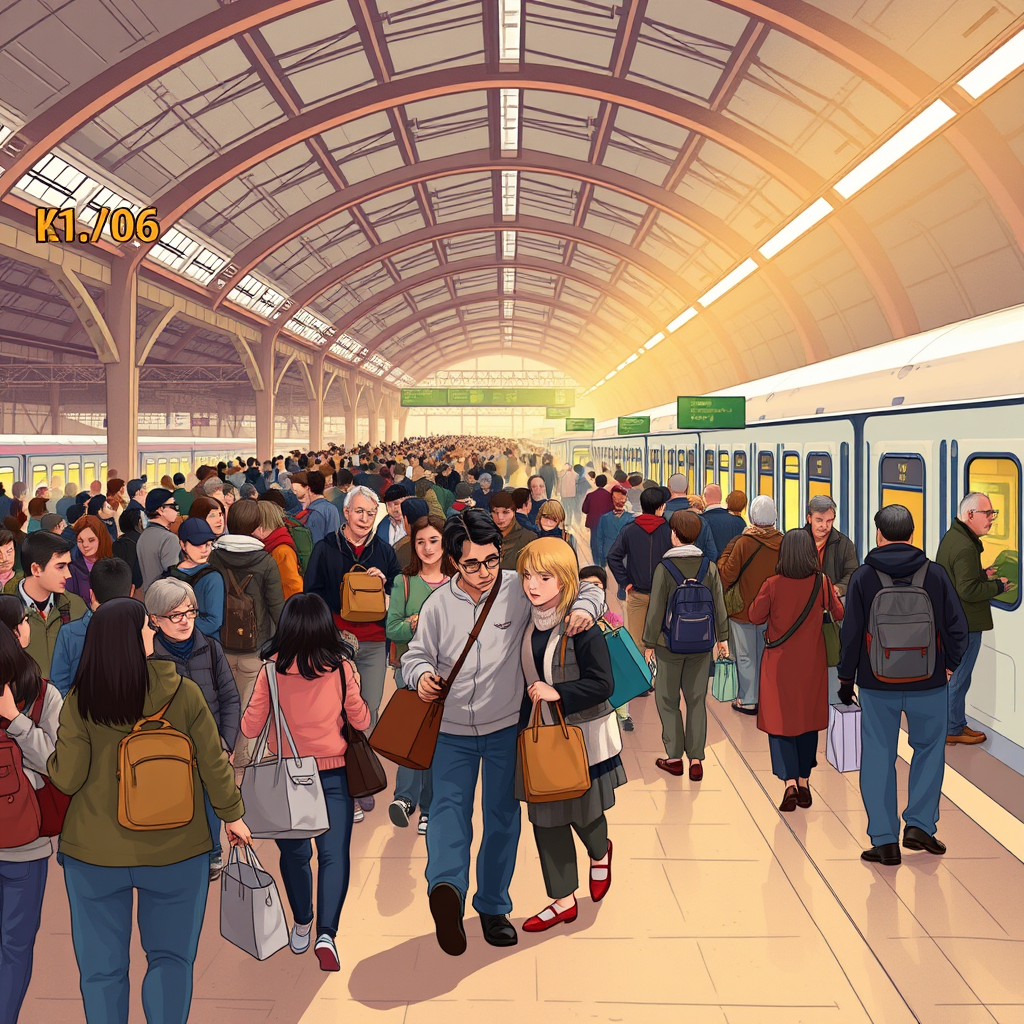
full of many people
The train was crowded, so I had to stand.
More examples: The market gets crowded on Saturdays. • This cafe is too crowded - let's find another one. • My bus is crowded every morning.
Common collocations: a crowded airport, crowded streets, too crowded
Word family: crowd (noun), crowd (verb)
Synonyms: busy, full, packed
Antonyms: empty, quiet
Related concepts: rush hour, holiday travel, queues
Contexts: airports, trains, markets
Usage note: Use 'crowded' to describe places with many people. Say 'The place was crowded', not 'The place was crowd'.
gift
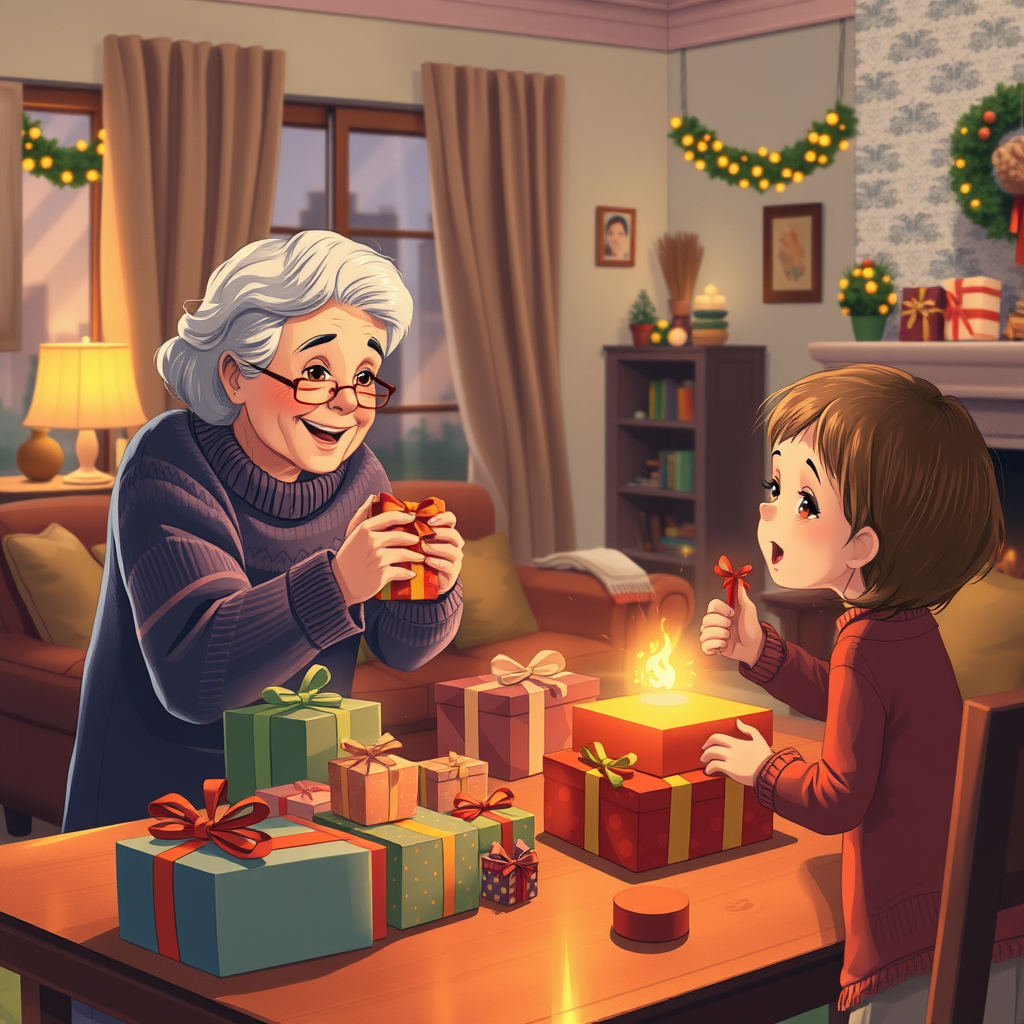
something you give to someone for free
I bought a gift for my mother's birthday.
More examples: She opened her gifts on Christmas morning. • Thank you for the gift - I love it! • We bring small gifts when we visit family.
Common collocations: give a gift, open gifts, a gift for someone
Word family: give (verb), gifted (adjective)
Synonyms: present, something you give
Antonyms: something you buy for yourself
Related concepts: birthdays, holidays, surprises
Contexts: holidays, birthdays, visiting family
Usage note: 'Gift' and 'present' mean the same thing. 'Gift' is a little more formal. Say 'a gift FOR someone'.
journey
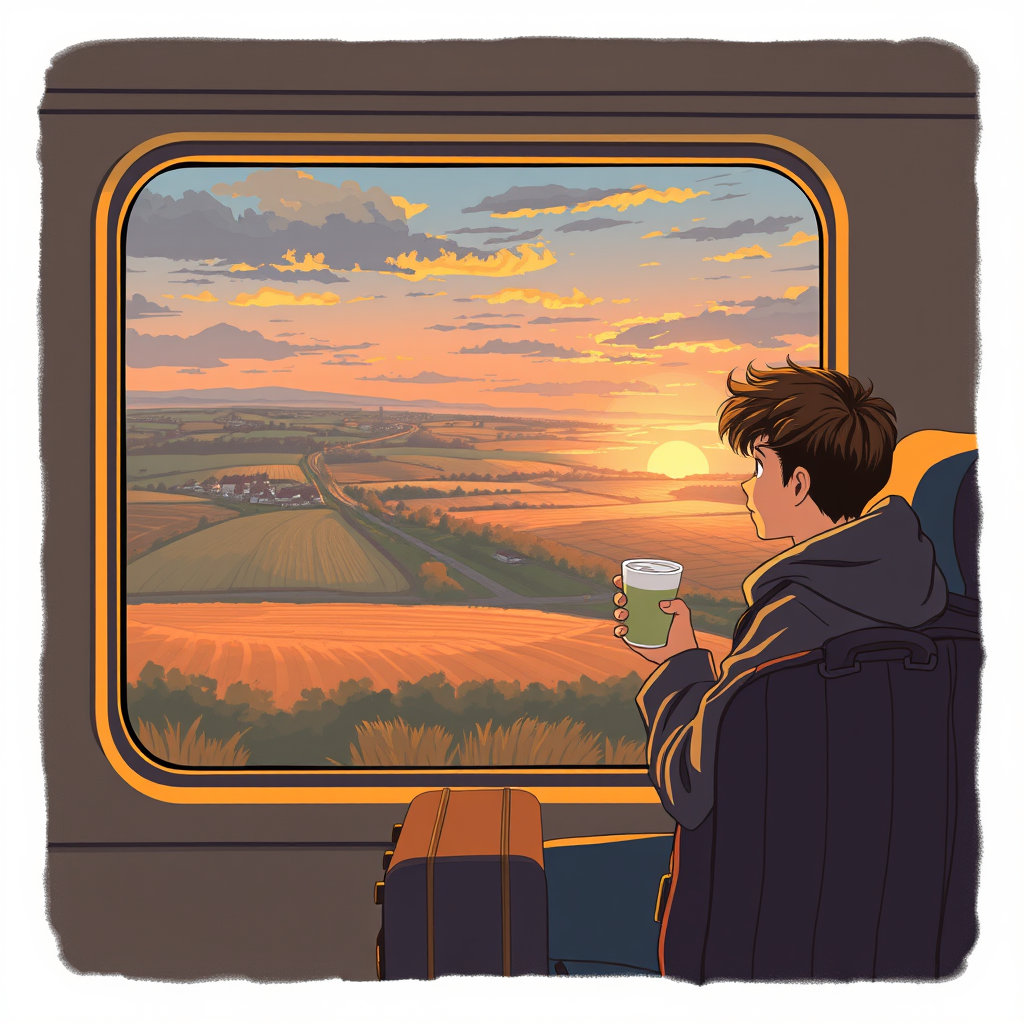
a trip from one place to another
The journey from my city to the coast takes five hours.
More examples: It was a long journey, but we arrived safely. • Have a safe journey! • The journey home took all day.
Common collocations: a long journey, a safe journey, start a journey
Word family: journeys (plural)
Synonyms: trip, travel, ride
Antonyms: staying home
Related concepts: travel, distance, adventure
Contexts: holidays, vacations, visiting family
Usage note: 'Journey' is the whole trip from start to finish. 'Trip' is similar and more common in everyday talk. Use 'journey' for long or special trips.
luggage
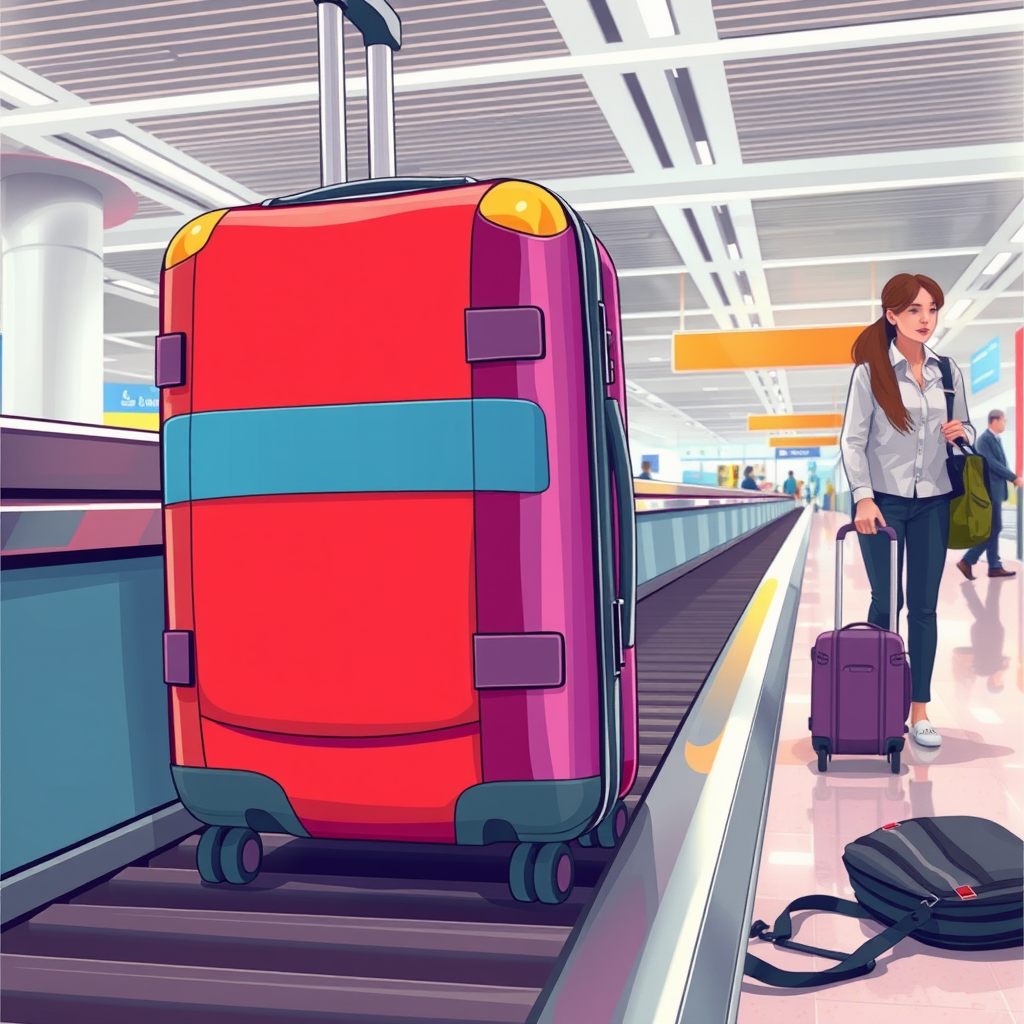
the bags you take on a trip
My luggage was too heavy, so I paid extra at the airport.
More examples: I waited a long time for my luggage at the airport. • She packed her luggage the night before. • Please put your luggage here.
Common collocations: pack your luggage, heavy luggage, carry-on luggage
Word family: bag (noun), suitcase (noun), baggage (noun)
Synonyms: bags, baggage, suitcases
Antonyms: traveling light
Related concepts: packing, airports, weight limits
Contexts: airports, trains, hotels
Usage note: 'Luggage' has no plural - never say 'luggages'. Say 'two pieces of luggage' or 'two bags'.
celebrate
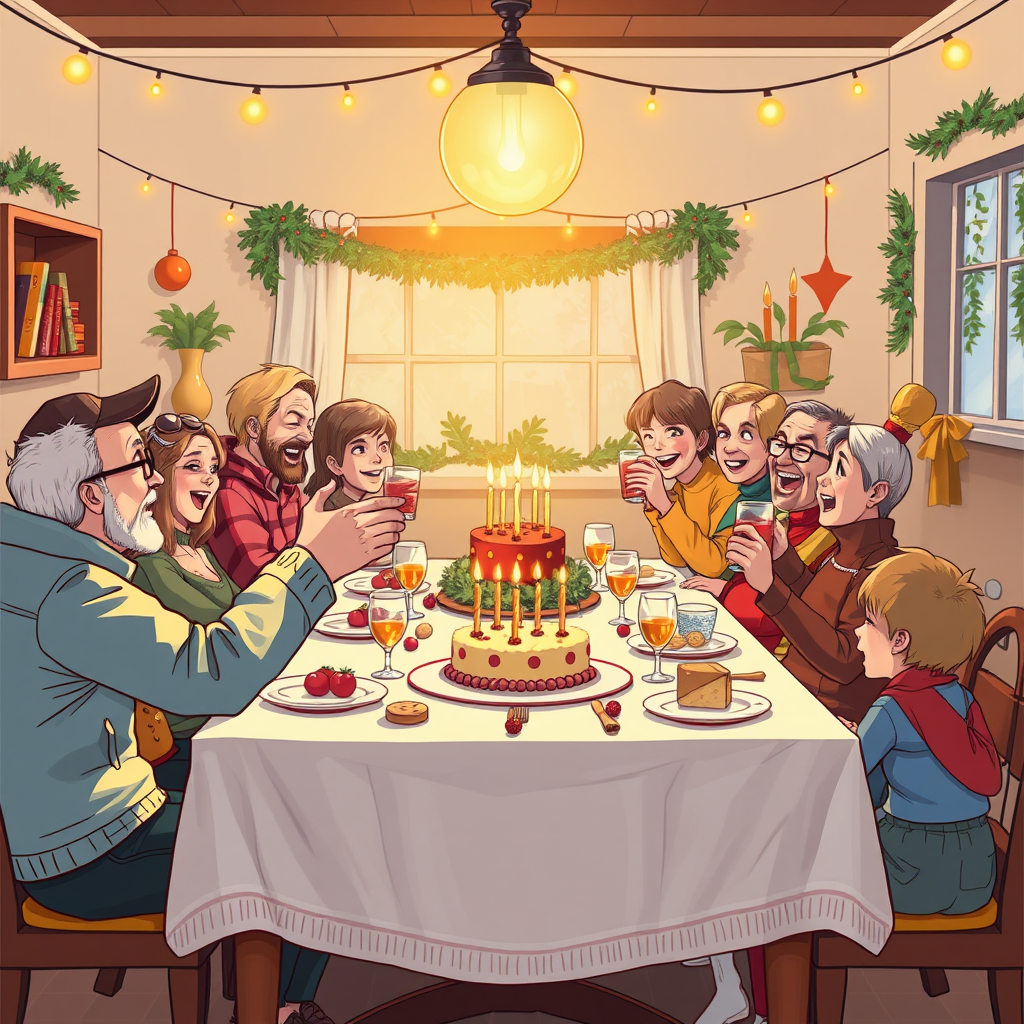
to do something happy for a special day
We celebrate the new year with a big family dinner.
More examples: They celebrated her birthday with cake and music. • How do you celebrate the new year? • We celebrated because my brother passed his exam.
Common collocations: celebrate a birthday, celebrate with family, have a celebration
Word family: celebration (noun), celebrations (plural)
Synonyms: have a party, enjoy a special day
Antonyms: work, a normal day
Related concepts: holidays, birthdays, family dinners
Contexts: holidays, weddings, birthdays
Usage note: Use 'celebrate' for happy special days like birthdays, holidays and weddings. Past form: celebrated.
Vocabulary Check
- What does 'crowded' mean?
- Full of many people
- Very quiet
- Very expensive
- Far away
- Which sentence uses 'journey' correctly?
- I journey my mother every week.
- The journey to my hometown takes six hours.
- She journey a gift for me.
- The journey was very crowded people.
- What is 'luggage'?
- A kind of ticket
- The bags you take on a trip
- A place at the airport
- Food you eat on a plane
- In which situation would you 'celebrate'?
- When you lose your keys
- When it's your birthday
- When you wait for a bus
- When you pack your bags
- Which sentence uses 'gift' correctly?
- I gifted the airport yesterday.
- She gave me a gift for my birthday.
- My gift was very crowded.
- We gift to the journey.
Language Practice: Talking About Holiday Travel
Practice talking about your trips, gifts and celebrations.
- Describing a past travel experience
- Emerging: Last year, I went to ___. The place was ___. — Last year, I went to my hometown. The bus was crowded.
- Developing: Last year, I travelled to ___ for ___. The journey was ___ because ___. — Last year, I travelled to my hometown for the new year. The journey was long because the bus was slow.
- Expanding: Last year, I travelled to ___ for ___. The journey was ___ because ___, but I was happy because ___. — Last year, I travelled to my hometown for the new year. The journey was long because the bus was slow, but I was happy because I saw my family.
- Talking about gifts
- Emerging: I gave a gift to ___. It was a ___. — I gave a gift to my mother. It was a scarf.
- Developing: Last ___, I gave a gift to ___. It was a ___, and he/she ___. — Last winter, I gave a gift to my mother. It was a scarf, and she loved it.
- Expanding: The best gift I ever gave was ___. I gave it to ___ because ___. He/She ___. — The best gift I ever gave was a photo book. I gave it to my grandmother because she loves family photos. She cried a little and smiled.
- Comparing and giving opinions about holidays
- Emerging: I think ___ is more ___ than ___. — I think the train is more comfortable than the bus.
- Developing: I think travelling by ___ is more ___ than travelling by ___, because ___. — I think travelling by train is more comfortable than travelling by bus, because you can walk.
- Expanding: In my opinion, ___ is more ___ than ___, because ___. But some people think ___, and I understand why. — In my opinion, travelling by train is more comfortable than travelling by plane, because you can see the country. But some people think planes are better because they are faster, and I understand why.
Fill in the Blanks
Last summer, my cousin took a long _____ to visit us. The airport was very _____ because it was a big holiday. Her _____ was heavy with presents for everyone. On the first evening, we all met at my grandmother's house to _____ together. My cousin gave me a small _____ - a key ring from her city. It was a wonderful week.
Word bank: crowded, gift, journey, luggage, celebrate
Sentence Unscramble
- The / airport / was / very / crowded / on / Friday / evening.
- My / luggage / was / heavy / because / it / was / full / of / gifts.
- We / celebrate / the / new / year / with / a / big / family / dinner.
Discussion Questions
Many people travel home for big holidays. Airports, train stations and bus stations are full of people with bags. Everyone wants to be with their family on the special day.
Tell me about a time you travelled during a big holiday. Was it busy? Why?
When we visit family, we often bring gifts. Some people bring food from their city, some bring clothes, and some bring small things for children.
What gifts do you usually bring when you visit family? Who do you give them to?
There are many ways to travel: plane, train, bus, car, even walking. Each one is different. Planes are fast but expensive. Trains are comfortable. Buses are cheap.
Which do you like more, travelling by plane or by train? Why?
Every country and family celebrates holidays in its own way. Some families have big dinners, some go to religious places, some watch fireworks, and some give gifts.
How does your family celebrate the biggest holiday of the year? What do you do together?
Long journeys can be tiring: waiting, heavy bags, crowded places. But when you finally arrive and see your family, it often feels worth it.
Do you think a long journey home is worth it? Why or why not?
Knowledge Check
- Which word means 'full of many people'?
- Luggage
- Crowded
- Gift
- Journey
- True or false: 'Luggage' can be plural, like 'two luggages'.
- True
- False
- What do we call a trip from one place to another?
- A gift
- A celebration
- A journey
- A luggage
- Which word means 'to do something happy for a special day'?
- Celebrate
- Crowd
- Pack
- Travel
- True or false: 'A gift' is something you give to someone for free.
- True
- False
Free to use with your students: Free to teach, screen-share, print and share with your students, with a credit to PlanWise ESL. Please do not sell it or republish it as your own. What you can do with free lessons.