Seeing a Doctor in a New Country
About this lesson: This is an A2 (Elementary) ESL lesson in the General English category. It takes about 60 minutes. It includes 5 vocabulary words, a reading text, comprehension questions, discussion questions and speaking patterns. Suits one-to-one or small-group online classes. Free to open and teach with no login, and it prints as a PDF.
Print just the discussion questions
How this lesson is built
This is a complete conversation lesson built on a scientific pedagogical formula, not a generic worksheet: recall prior topic vocabulary, pre-teach the new words in depth, read in context, practise active recall with flashcards and synonyms/antonyms, build accuracy with exercises, and finish with deep discussion.
- Warm-up: Discussion questions that connect the topic to the student’s own life and recall vocabulary they already know about the subject.
- Reading: A text written for this CEFR level that uses each new word two or three times in context, giving the student something meaningful to react to.
- Key vocabulary: 5 new words, pre-taught before the reading with a definition, pronunciation guide, example sentences and a picture, plus word families, usage notes, recall flashcards and synonyms/antonyms, giving a solid grounding before reading.
- Comprehension: 5 questions that check the new words: retrieval practice, not rereading.
- Sentence frames: 3 speaking patterns, each at three levels of support (emerging, developing, expanding) with model answers—especially helpful scaffolding for beginners and less confident speakers.
- Gap-fill: The new words again, in a shuffled order, so the student recalls them by meaning in context.
- Sentence unscramble: Natural sentences with the new words to put back in order, reinforcing grammar and collocation.
- Discussion: 5 open questions designed to talk deeply about the subject while actively using the lesson’s target vocabulary: the heart of a conversation lesson.
- Quiz: A short retrieval check that brings every new word back once more.
Unlike a generic worksheet, the new words are taught before the reading and met again in the activities, the speaking is supported at three levels and most of the time goes on the student talking. Teachers who use PlanWise ESL also get per-student vocabulary tracking (recycling earlier words into future readings and questions), a private learner dashboard with flashcards and custom lesson creation, and a downloadable study PDF.
Warm-up: Health and New Places
Talk about doctors and medicine in your life. Look at the pictures and share your ideas.
- Do you like going to the doctor? Why or why not?
- When you feel sick, what do you usually do first?
- Do you take medicine often? What kind?
- Have you ever seen a doctor in another country?
- What is a pharmacy? What can you buy there?
Reading Text: Maria Moves to Canada
Maria moved to a new country. Read about her first week and how she got ready for health problems.
Maria moved to Canada last month. She wanted to be ready for health problems. So she went to a health centre near her home. She decided to register with a doctor there. It was easy and free.
At the health centre, a woman gave her a form. Maria filled in the form with her name, address and birthday. Then she made an appointment with the doctor for Friday morning.
On Friday, the doctor asked many questions. He checked Maria's heart and gave her a prescription for her headaches. The prescription was a small piece of paper.
Maria took the prescription to a pharmacy near her home. A pharmacist read it and gave her the medicine. He also told her how to take it. He was very kind and answered her questions.
Maria felt happy and safe. Now she knows her doctor and her pharmacist. If she feels sick, she can get help fast. She tells all her friends: register with a doctor when you move to a new country!
Key Vocabulary
register
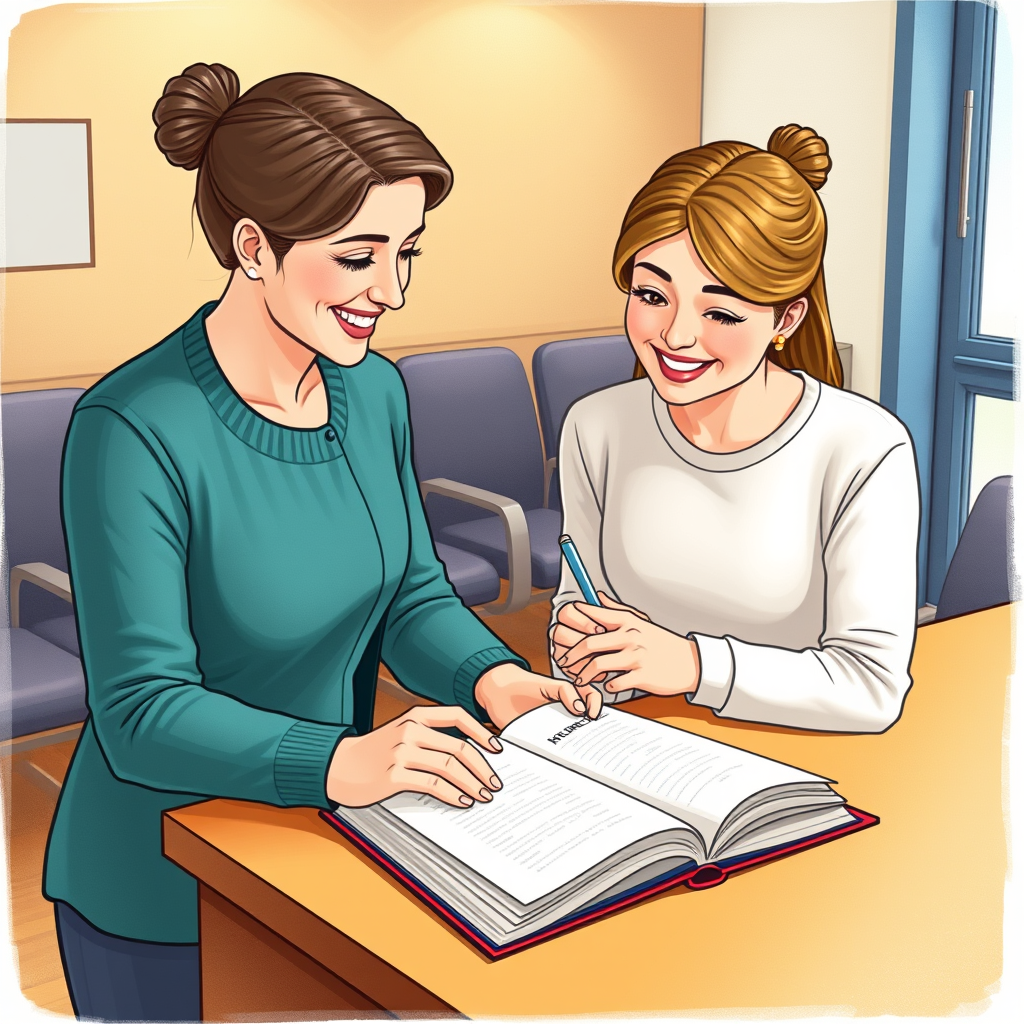
to put your name on an official list
I want to register with a doctor near my home.
More examples: You must register at the school office first. • She registered with a new dentist last week. • I registered my name at the library yesterday.
Common collocations: register with a doctor, register at a school, register online
Word family: registration (noun), registered (adjective)
Synonyms: sign up, enroll, join
Antonyms: leave, cancel
Related concepts: official list, membership, office
Contexts: health centre, school, library
Usage note: Use 'register with' for doctors and dentists. Use 'register at' or 'register for' for places and events.
appointment
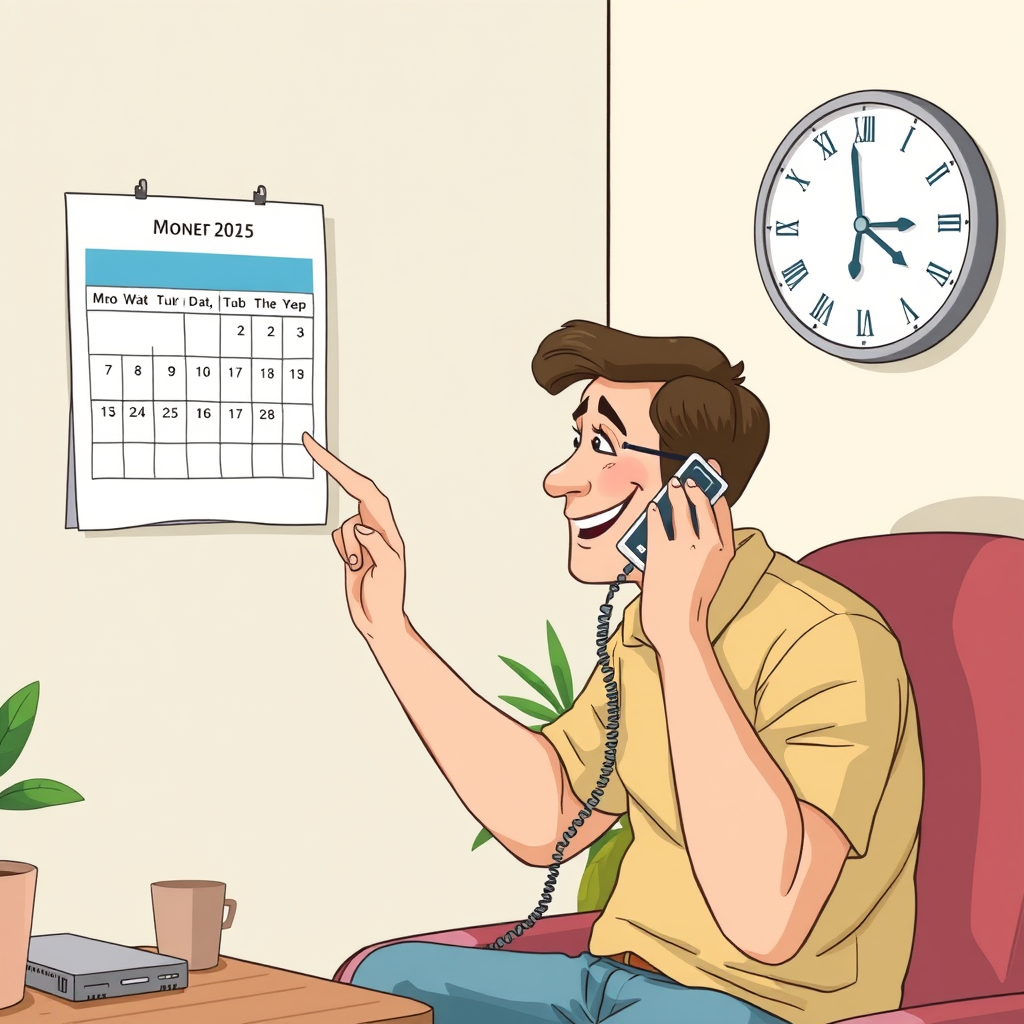
a time you plan to meet someone
I have a doctor's appointment at ten o'clock.
More examples: She made an appointment to see the dentist. • Can I change my appointment to Monday? • He arrived late for his appointment.
Common collocations: make an appointment, have an appointment, cancel an appointment
Word family: appoint (verb), appointments (noun, plural)
Synonyms: meeting, booking, date
Antonyms: free time, no plan
Related concepts: calendar, schedule, time
Contexts: doctor, dentist, hairdresser
Usage note: Always use 'an' before appointment. Common verbs: make, have, cancel, change.
prescription
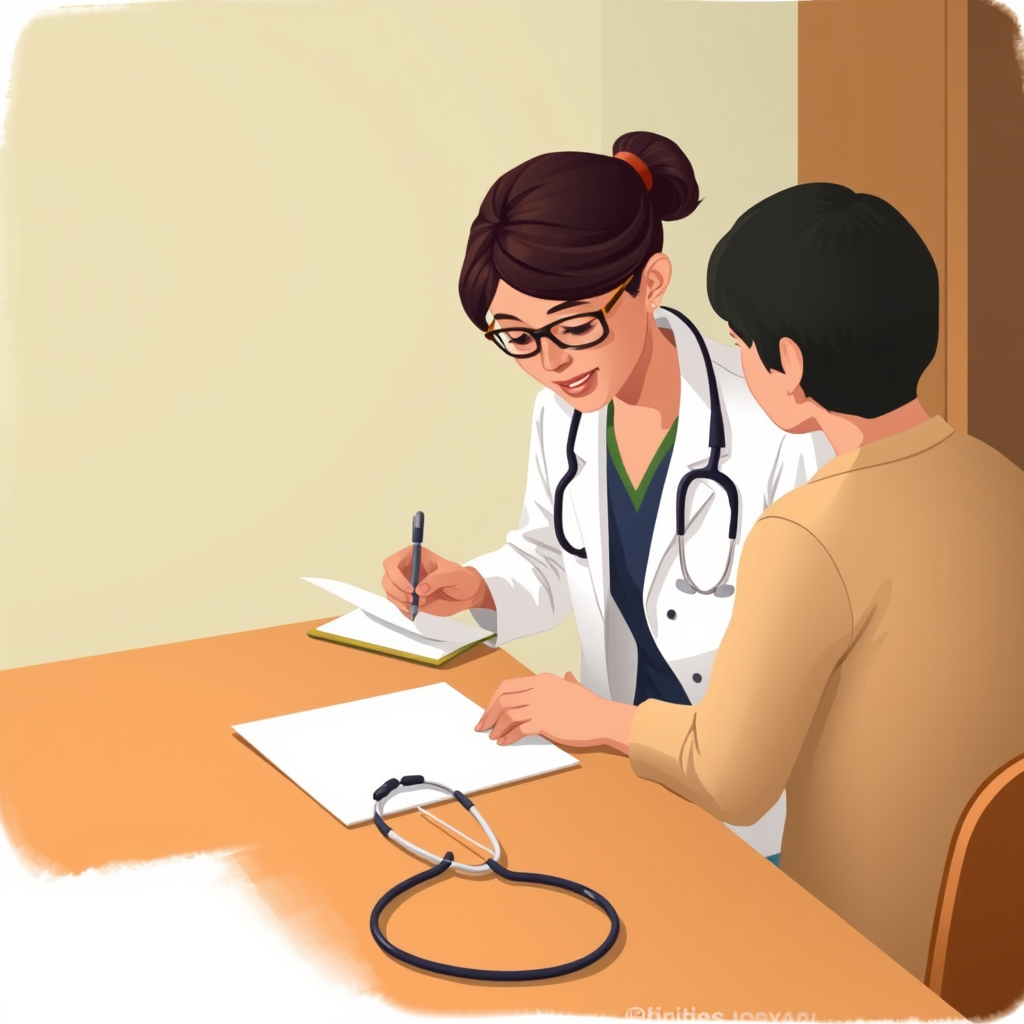
a paper from a doctor for medicine
The doctor gave me a prescription for my cough.
More examples: Take this prescription to the pharmacy. • Some medicine needs a prescription. • My prescription is for one month.
Common collocations: get a prescription, fill a prescription, a prescription for medicine
Word family: prescribe (verb), prescribed (adjective)
Synonyms: doctor's note, medicine order
Antonyms: over-the-counter medicine
Related concepts: doctor, medicine, pharmacy
Contexts: doctor's office, pharmacy, hospital
Usage note: Use 'for' after prescription: a prescription for headaches. The paper itself is the prescription.
pharmacist

a person whose job is to give medicine
Ask the pharmacist if you have questions about your medicine.
More examples: The pharmacist works behind the counter. • A pharmacist knows a lot about medicine. • The pharmacist gave me the right pills.
Common collocations: ask the pharmacist, the pharmacist behind the counter, a qualified pharmacist
Word family: pharmacy (noun), pharmaceutical (adjective)
Synonyms: chemist, druggist
Antonyms: patient, customer
Related concepts: medicine, counter, shop
Contexts: pharmacy, hospital, drugstore
Usage note: Pharmacist = person. Pharmacy = the shop. Don't mix them up!
form
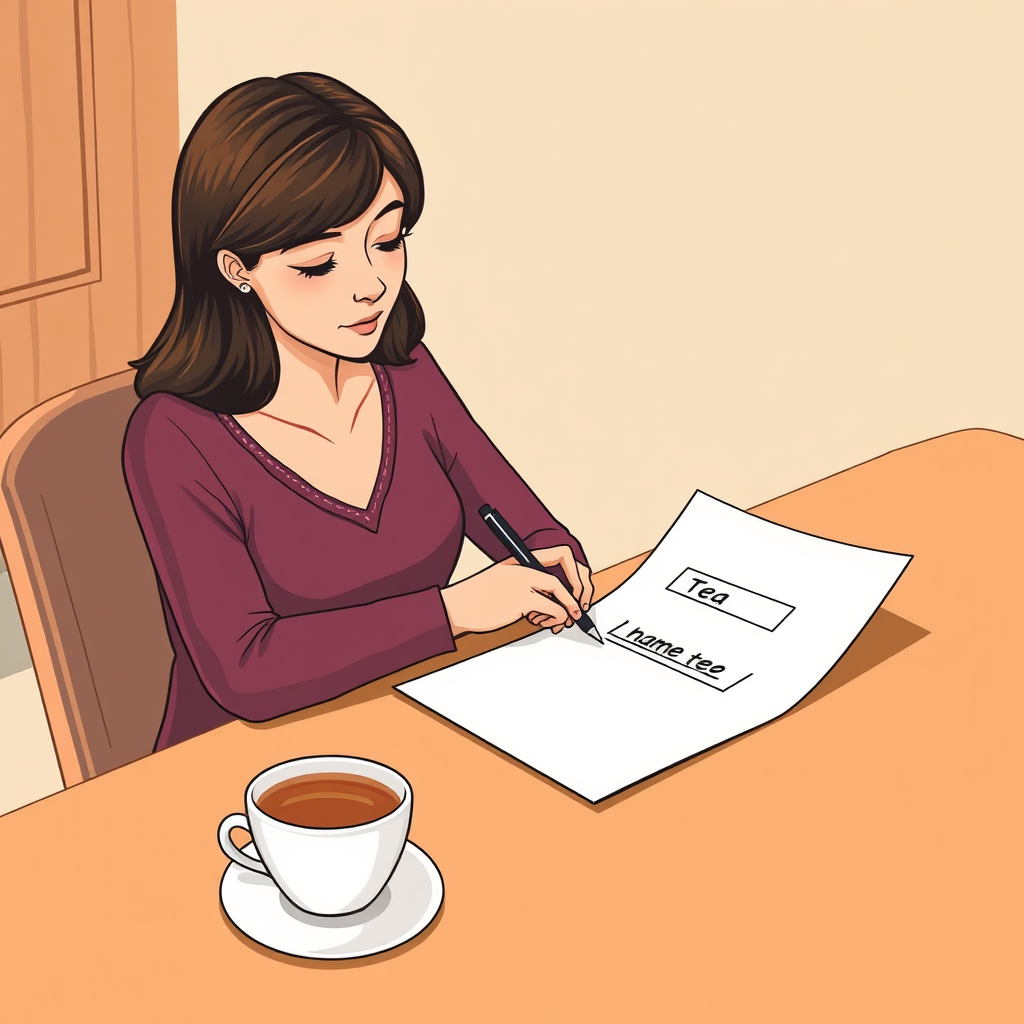
a paper with empty spaces to write in
Please fill in this form with your name and address.
More examples: I filled in a form at the bank. • The form asks for your birthday. • You can download the form online.
Common collocations: fill in a form, fill out a form, sign a form
Word family: form (verb), formal (adjective)
Synonyms: document, paper, application
Antonyms: finished paper
Related concepts: writing, office, information
Contexts: health centre, bank, school
Usage note: Common verb: fill in or fill out a form. You write your information in the empty spaces.
Vocabulary Check
- What does 'register' mean?
- To buy medicine
- To put your name on an official list
- To feel sick
- To write a letter
- Which sentence uses 'appointment' correctly?
- I appointment the doctor yesterday.
- She is very appointment today.
- I have an appointment at three o'clock.
- The appointment is very medicine.
- What does 'prescription' mean?
- A paper from a doctor for medicine
- A kind of doctor
- A big hospital
- A time to meet
- In which situation would you talk to a 'pharmacist'?
- When you want to book a holiday
- When you have a question about your medicine
- When you want to learn English
- When you need a new job
- What does 'form' mean?
- A kind of food
- A doctor's job
- A paper with empty spaces to write in
- A room in a hospital
Language Practice: Health Help
Practice talking about doctors, medicine and new places.
- Describing what you did
- Emerging: I ___ed at the ___. — I registered at the health centre.
- Developing: Last week, I ___ed at the ___ because ___. — Last week, I registered at the health centre because I am new here.
- Expanding: When I was in ___, I ___ed at the ___, and it was ___. — When I was in Canada, I registered at a health centre, and it was very easy.
- Asking for help politely
- Emerging: Can I ___ , please? — Can I make an appointment, please?
- Developing: Could you help me ___ , please? — Could you help me fill in this form, please?
- Expanding: Excuse me, could you tell me how to ___ , please? I don't understand ___. — Excuse me, could you tell me how to take this medicine, please? I don't understand the instructions.
- Giving opinions and advice
- Emerging: I think ___ is ___. — I think doctors are kind.
- Developing: I think you should ___ because ___. — I think you should register early because it takes time.
- Expanding: If you move to a new country, I think you should ___ because ___. — If you move to a new country, I think you should register with a doctor quickly because you never know when you will feel sick.
Fill in the Blanks
Last month, Tom moved to a new city. First, he went to a health centre to _____ with a doctor. A nurse gave him a _____ and he wrote his name and address on it. Then he made an _____ for Tuesday. The doctor checked him and gave him a _____ for his cough. He took it to a pharmacy, and the _____ gave him the medicine.
Word bank: register, form, appointment, prescription, pharmacist
Sentence Unscramble
- I / made / an / appointment / with / the / doctor / .
- Please / fill / in / this / form / first / .
- The / pharmacist / gave / me / my / prescription / medicine / .
Discussion Questions
Maria registered with a doctor when she moved to Canada. In many countries, you choose a doctor near your home. Some people do this quickly, and some people wait a long time.
Do you have a doctor you always go to? How did you choose them?
At the health centre, Maria filled in a form with her name, address and birthday. Forms can be easy or difficult, and sometimes they are in a language you don't know well.
Do you like filling in forms? What information do you write most often?
Maria made an appointment and waited a few days to see the doctor. In some places you see a doctor the same day. In other places you wait weeks.
Is it easy to see a doctor in your country? How long do you usually wait?
The pharmacist gave Maria her medicine and explained how to take it. Pharmacists can answer many questions, and you often don't need an appointment to talk to them.
Do you ask questions when you buy medicine, or do you just take it home? Why?
Maria felt safe because she knew her doctor and pharmacist. Moving to a new country can be stressful, and health care is one big thing to organise.
If you moved to a new country, what would you do first? Why?
Knowledge Check
- Where do you go to get medicine from a prescription?
- The pharmacy
- The school
- The bank
- The library
- True or false? A pharmacist and a pharmacy are the same thing.
- True
- False
- What do you do with a form?
- You eat it
- You fill it in
- You wear it
- You read it to a doctor
- True or false? You need an appointment to register with a doctor.
- True
- False
- The doctor gave Maria a paper for her medicine. What is this paper called?
- A form
- A prescription
- An appointment
- A registration
Free to use with your students: Free to teach, screen-share, print and share with your students, with a credit to PlanWise ESL. Please do not sell it or republish it as your own. What you can do with free lessons.