What Is Christmas? Story, Services, and Giving
About this lesson: This is an A2 (Elementary) ESL lesson in the General English category. It takes about 60 minutes. It includes 5 vocabulary words, a reading text, comprehension questions, discussion questions and speaking patterns. Suits one-to-one or small-group online classes. Free to open and teach with no login, and it prints as a PDF.
Print just the discussion questions
How this lesson is built
This is a complete conversation lesson built on a scientific pedagogical formula, not a generic worksheet: recall prior topic vocabulary, pre-teach the new words in depth, read in context, practise active recall with flashcards and synonyms/antonyms, build accuracy with exercises, and finish with deep discussion.
- Warm-up: Discussion questions that connect the topic to the student’s own life and recall vocabulary they already know about the subject.
- Reading: A text written for this CEFR level that uses each new word two or three times in context, giving the student something meaningful to react to.
- Key vocabulary: 5 new words, pre-taught before the reading with a definition, pronunciation guide, example sentences and a picture, plus word families, usage notes, recall flashcards and synonyms/antonyms, giving a solid grounding before reading.
- Comprehension: 5 questions that check the new words: retrieval practice, not rereading.
- Sentence frames: 3 speaking patterns, each at three levels of support (emerging, developing, expanding) with model answers—especially helpful scaffolding for beginners and less confident speakers.
- Gap-fill: The new words again, in a shuffled order, so the student recalls them by meaning in context.
- Sentence unscramble: Natural sentences with the new words to put back in order, reinforcing grammar and collocation.
- Discussion: 5 open questions designed to talk deeply about the subject while actively using the lesson’s target vocabulary: the heart of a conversation lesson.
- Quiz: A short retrieval check that brings every new word back once more.
Unlike a generic worksheet, the new words are taught before the reading and met again in the activities, the speaking is supported at three levels and most of the time goes on the student talking. Teachers who use PlanWise ESL also get per-student vocabulary tracking (recycling earlier words into future readings and questions), a private learner dashboard with flashcards and custom lesson creation, and a downloadable study PDF.
Warm-up: Talk About December
Look at the questions and talk about winter holidays and December in your life.
- Do you like December? Why or why not?
- What holidays do you have in your country in December?
- Did you give a present to someone this year?
- Do you know anything about Christmas?
- What food do you eat on special days?
Reading Text: Anna's First Christmas Service
Anna is a student from another country. Last December, she went to a Christmas church service with her friend Tom. Read her story.
Last December, my friend Tom asked me a question. He said, 'Do you want to come to a Christmas service with me?' I did not know much about Christmas, so I said yes.
The service was in a small church near his house. There were many candles inside, and the light was warm and soft. People sang songs together. It was very beautiful.
Tom told me the Christmas story. He said Christians celebrate the birth of Jesus on December 25th. He said Jesus was born in a stable, in a small town called Bethlehem.
After the service, Tom's family gave me a gift. It was a small box of cookies. His mother said, 'Giving gifts is an old Christmas tradition.' I was very happy.
Now I understand Christmas better. It is about the story of Jesus, going to church, and giving to other people. Next year, I want to celebrate it with Tom's family again.
Key Vocabulary
celebrate

to do something happy for a special day
We celebrate Christmas with a big dinner.
More examples: They celebrate her birthday every June. • How do you celebrate the new year? • I celebrate with my family, not in a restaurant.
Common collocations: celebrate a birthday, celebrate with family, celebrate a holiday
Word family: celebration (noun), celebrated (adjective)
Synonyms: enjoy, party, mark
Antonyms: mourn, forget
Related concepts: holiday, birthday, party
Contexts: birthdays, new year, weddings
Usage note: Use for happy special days like birthdays, new year, and holidays. It is a normal action verb.
gift

something you give to someone for free
She gave me a gift for my birthday.
More examples: This gift is for you. Open it! • A gift does not need to be expensive. • He wrapped the gift in red paper.
Common collocations: give a gift, open a gift, a small gift
Word family: gifted (adjective), gift (verb)
Synonyms: present, token
Antonyms: payment, debt
Related concepts: birthday, Christmas, kindness
Contexts: holidays, birthdays, weddings
Usage note: Gift and present mean the same thing. Gift sounds a little more formal.
candle
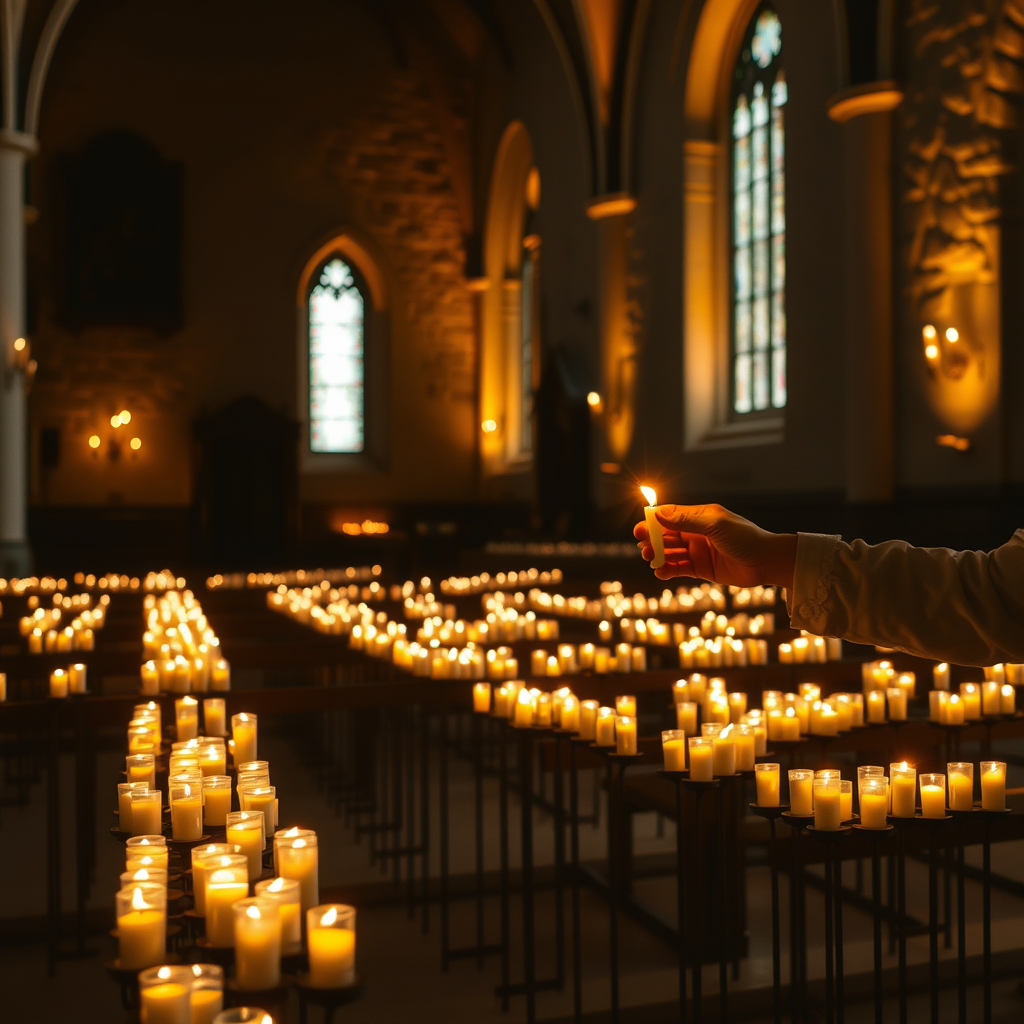
a stick of wax with a fire that gives light
We put candles on the birthday cake.
More examples: The church was full of candles. • She lit a candle in the dark room. • One candle on the cake means one year.
Common collocations: light a candle, blow out the candles, a church candle
Word family: candlelight (noun)
Synonyms: light, flame
Antonyms: darkness
Related concepts: church, birthday cake, light
Contexts: churches, birthdays, power cuts
Usage note: Use for light, birthdays, and church. People light candles in churches to pray or remember someone.
service
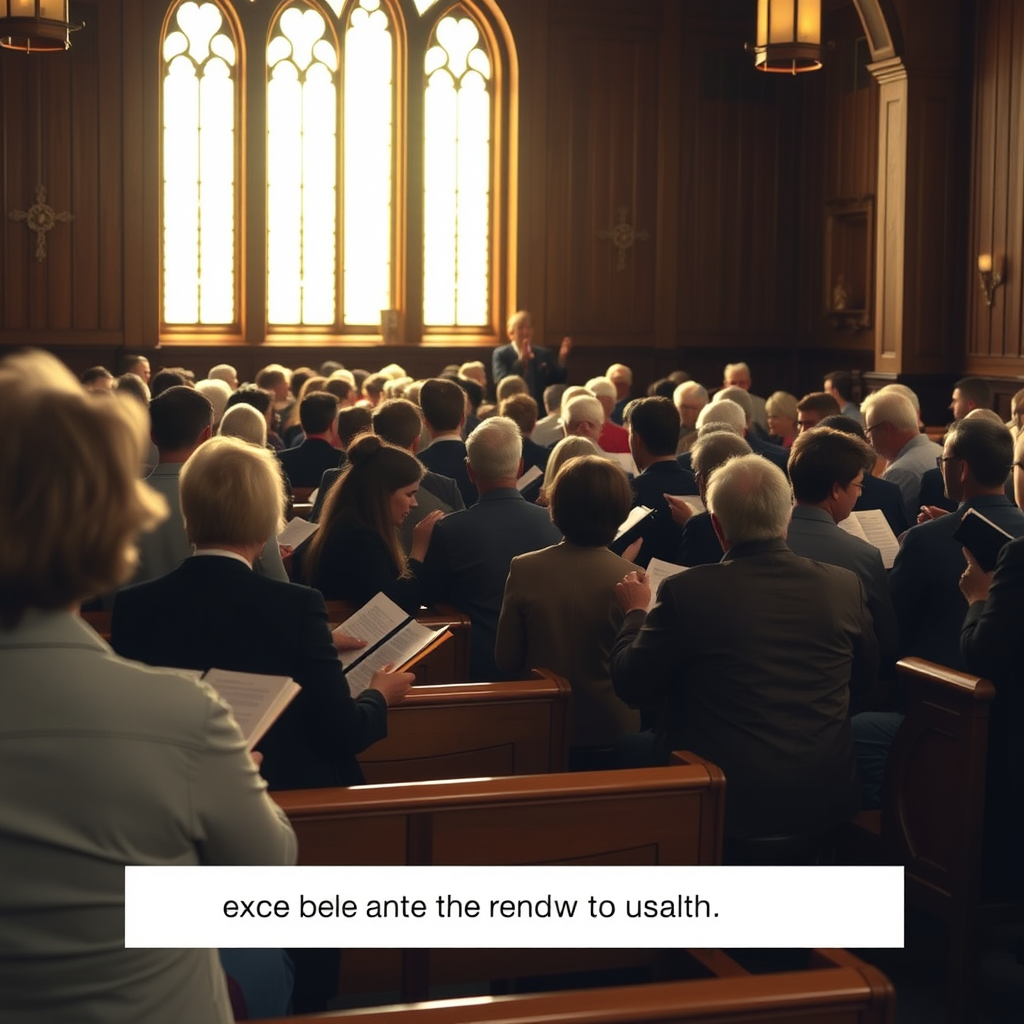
a religious meeting in a church
We go to a church service on Sunday.
More examples: The Christmas service starts at six. • The service had songs and a short talk. • Many families go to a service at Easter.
Common collocations: go to a service, a church service, a Christmas service
Word family: serve (verb)
Synonyms: meeting, mass, worship
Antonyms: party
Related concepts: church, prayer, Sunday
Contexts: churches, Christmas, weddings
Usage note: In church, a service is the meeting with songs, prayers, and a talk. Service can also mean help, like in a restaurant.
tradition
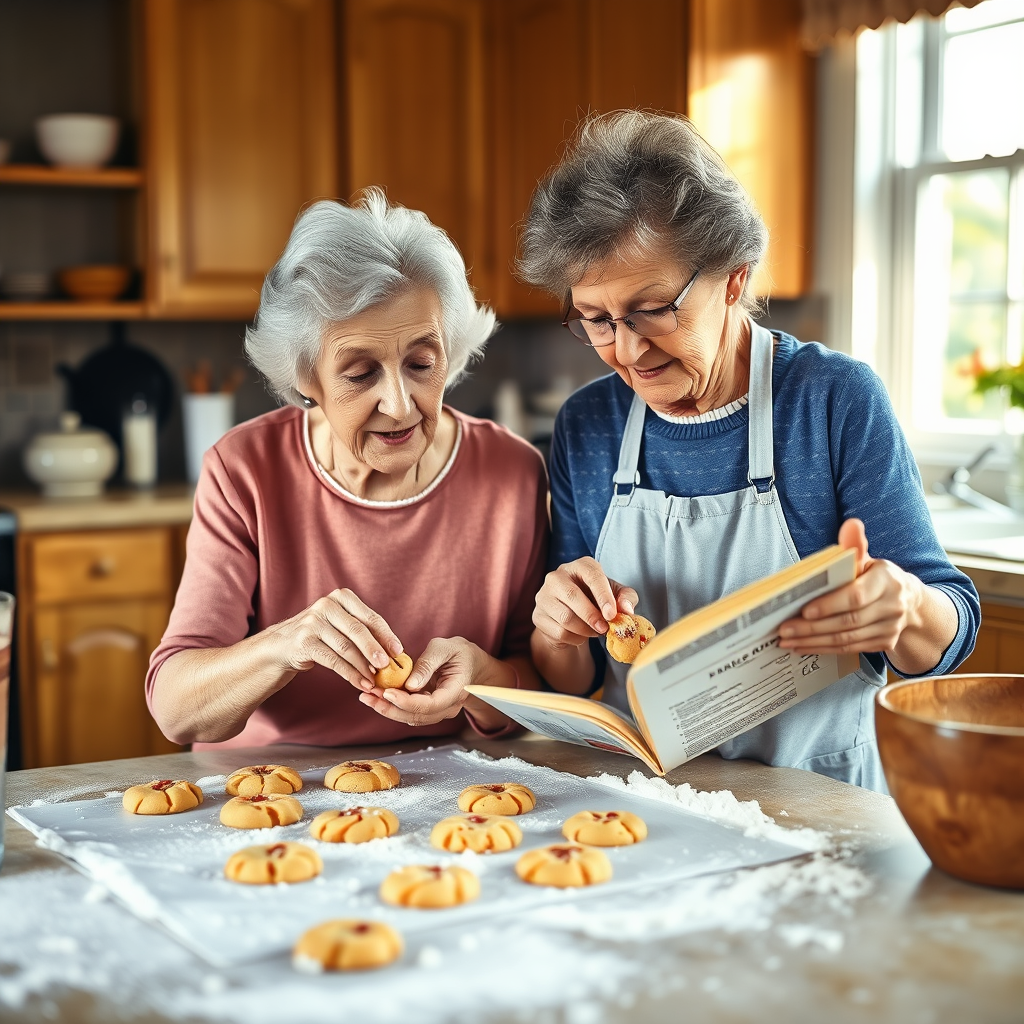
something people do the same way every year
Eating fish on Friday is a family tradition.
More examples: It is a tradition to give gifts at Christmas. • My family has a tradition in the summer. • Old traditions change slowly over time.
Common collocations: a family tradition, an old tradition, keep a tradition
Word family: traditional (adjective), traditionally (adverb)
Synonyms: custom, habit, ritual
Antonyms: new idea, change
Related concepts: family, culture, holiday
Contexts: families, holidays, countries
Usage note: Use for customs that families or countries repeat every year. Often used with 'it is a tradition to...'.
Vocabulary Check
- What does 'celebrate' mean?
- To do something happy for a special day
- To work all day
- To buy food
- To sleep early
- Which sentence uses 'gift' correctly?
- I gift my shoes every morning.
- She gave me a gift for my birthday.
- The gift is very tall.
- I eat a gift for lunch.
- What does 'candle' mean?
- A kind of food
- A kind of song
- A stick of wax that gives light
- A kind of chair
- In which situation would you use the word 'service'?
- When you cook rice
- When you go to a meeting in a church
- When you watch TV
- When you ride a bus
- What does 'tradition' mean?
- A new idea
- Something people do the same way every year
- A kind of present
- A place to visit
Language Practice: Talking About Holidays
Practice expressing ideas about holidays, traditions, and giving.
- Describing how you celebrate
- Emerging: We celebrate ___ with ___. — We celebrate New Year with fireworks.
- Developing: In my family, we usually celebrate ___ by ___. — In my family, we usually celebrate New Year by eating together.
- Expanding: Every year, we celebrate ___, and it is special because ___. — Every year, we celebrate New Year, and it is special because all my family comes together.
- Talking about gifts
- Emerging: The best gift I got was ___. — The best gift I got was a bike.
- Developing: The best gift I got was ___ from ___. — The best gift I got was a bike from my uncle.
- Expanding: The best gift I got was ___ from ___, and I loved it because ___. — The best gift I got was a bike from my uncle, and I loved it because I could ride to school.
- Comparing traditions and giving opinions
- Emerging: I think ___ is more ___ than ___. — I think Christmas is more interesting than my birthday.
- Developing: I think giving gifts is more ___ than getting gifts because ___. — I think giving gifts is more fun than getting gifts because people smile.
- Expanding: In my opinion, ___ is more ___ than ___, but I also think ___. — In my opinion, giving gifts is more fun than getting gifts, but I also like opening presents.
Fill in the Blanks
Last Sunday, I went to a church _____ with my friend. Inside, there were many _____s, and the light was beautiful. The priest talked about an old Christmas _____ of giving to poor people. After the meeting, my friend gave me a small _____. It was a book about how people _____ Christmas around the world. It was a lovely day.
Word bank: celebrate, gift, candle, service, tradition
Sentence Unscramble
- we / celebrate / Christmas / with / a / big / dinner
- she / lit / a / candle / in / the / church
- giving / gifts / is / an / old / tradition
Discussion Questions
Christmas is a Christian holiday on December 25th. Christians celebrate the birth of Jesus. Many people also enjoy it as a family day with food and gifts.
Do you celebrate any holiday in December or winter? What do you do?
In the story, Tom's family gave Anna a gift after the church service. Giving gifts is an old Christmas tradition. Some people give big gifts, some give small ones.
Do you like giving gifts or getting gifts more? Why?
In a church service, people sing songs, listen to a talk, and light candles. The candles make the church warm and quiet. Many churches have a special service at Christmas.
Have you ever been inside a church, mosque, or temple? How did it feel?
Every family has traditions. Maybe you always eat a special food, or visit the same place every year. Traditions connect us to our family and our past.
What is one tradition in your family? Tell me about it.
At Christmas, many people give to others, like food for poor people or presents for children. Some people say giving feels better than getting. What do you think?
Do you think giving is more important than getting? Why?
Knowledge Check
- What do Christians celebrate on December 25th?
- The new year
- The birth of Jesus
- The end of school
- The first day of winter
- True or false: A candle gives soft light.
- True
- False
- Where do people go to a service?
- In a supermarket
- In a church
- In a swimming pool
- In a car
- True or false: A tradition is something new that people do only one time.
- True
- False
- Which word means 'something you give to someone for free'?
- Tradition
- Service
- Gift
- Candle
Free to use with your students: Free to teach, screen-share, print and share with your students, with a credit to PlanWise ESL. Please do not sell it or republish it as your own. What you can do with free lessons.