When December 25 Is a Normal Workday: Winter and Annual Celebrations Around the World
About this lesson: This is a B2 (Upper Intermediate) ESL lesson in the Conversation Practice category. It takes about 60 minutes. It includes 5 vocabulary words, 4 idioms and phrasal verbs, a reading text, comprehension questions, discussion questions and speaking patterns. Suits one-to-one or small-group online classes. Free to open and teach with no login, and it prints as a PDF.
Print just the discussion questions
How this lesson is built
This is a complete conversation lesson built on a scientific pedagogical formula, not a generic worksheet: recall prior topic vocabulary, pre-teach the new words in depth, read in context, practise active recall with flashcards and synonyms/antonyms, build accuracy with exercises, and finish with deep discussion.
- Warm-up: Discussion questions that connect the topic to the student’s own life and recall vocabulary they already know about the subject.
- Reading: A text written for this CEFR level that uses each new word two or three times in context, giving the student something meaningful to react to.
- Key vocabulary: 5 new words, pre-taught before the reading with a definition, pronunciation guide, example sentences and a picture, plus word families, usage notes, recall flashcards and synonyms/antonyms, giving a solid grounding before reading.
- Comprehension: 5 questions that check the new words: retrieval practice, not rereading.
- Idioms and phrasal verbs: Expressions taken from the reading, each with its meaning, an example and a speaking question.
- Sentence frames: 3 speaking patterns, each at three levels of support (emerging, developing, expanding) with model answers—especially helpful scaffolding for beginners and less confident speakers.
- Gap-fill: The new words again, in a shuffled order, so the student recalls them by meaning in context.
- Sentence unscramble: Natural sentences with the new words to put back in order, reinforcing grammar and collocation.
- Discussion: 5 open questions designed to talk deeply about the subject while actively using the lesson’s target vocabulary: the heart of a conversation lesson.
- Quiz: A short retrieval check that brings every new word back once more.
Unlike a generic worksheet, the new words are taught before the reading and met again in the activities, the speaking is supported at three levels and most of the time goes on the student talking. Teachers who use PlanWise ESL also get per-student vocabulary tracking (recycling earlier words into future readings and questions), a private learner dashboard with flashcards and custom lesson creation, and a downloadable study PDF.
Warm-up: What Does a Holiday Mean to You?
Look at the questions below and talk about your own experience of holidays and celebrations. There are no wrong answers — just say what you really think.
- What's the biggest celebration of the year in your country or family?
- Do you prefer holidays where you stay at home, or ones where you travel? Why?
- Is there a holiday you loved as a child but don't care about now?
- Have you ever worked on a day that most people treat as a holiday? What was it like?
- If you could invent a brand-new holiday, what would people do on it?
Reading Text: December 25, But Not for Everyone
A short article about how different countries treat the same winter day very differently.
In London and New York, December 25 is the quietest day of the year. Shops close, trains stop running, and families gather around the table for a long meal. But in Tokyo, it's an ordinary Tuesday. People commute to work, and the only sign of anything festive is a bucket of fried chicken and a decorated cake in the evening.
This surprises many travelers. Japan has no official Christmas holiday, yet the custom of eating fried chicken on Christmas Eve has become hugely popular, thanks to a clever marketing campaign from the 1970s. For millions of Japanese families, it's something they genuinely look forward to all year.
Meanwhile, in countries like Russia and Ethiopia, the big winter celebration doesn't even happen on December 25. Orthodox Christians mark Christmas on January 7, and in Ethiopia, Ganna is played with hockey-like sticks as part of the festivities. The date matters less than the feeling behind it.
Some people argue that public holidays should follow one global calendar. Others say that would flatten the rich variety of local customs. A holiday, they point out, is really about stopping, gathering together and marking something that matters — not about the date on the calendar.
So next time December 25 arrives, remember: somewhere it's a day of rest, somewhere it's a normal workday, and somewhere it's the busiest shopping day of the season. The same date, three completely different worlds. Which one would you choose to live in?
Key Vocabulary
festive
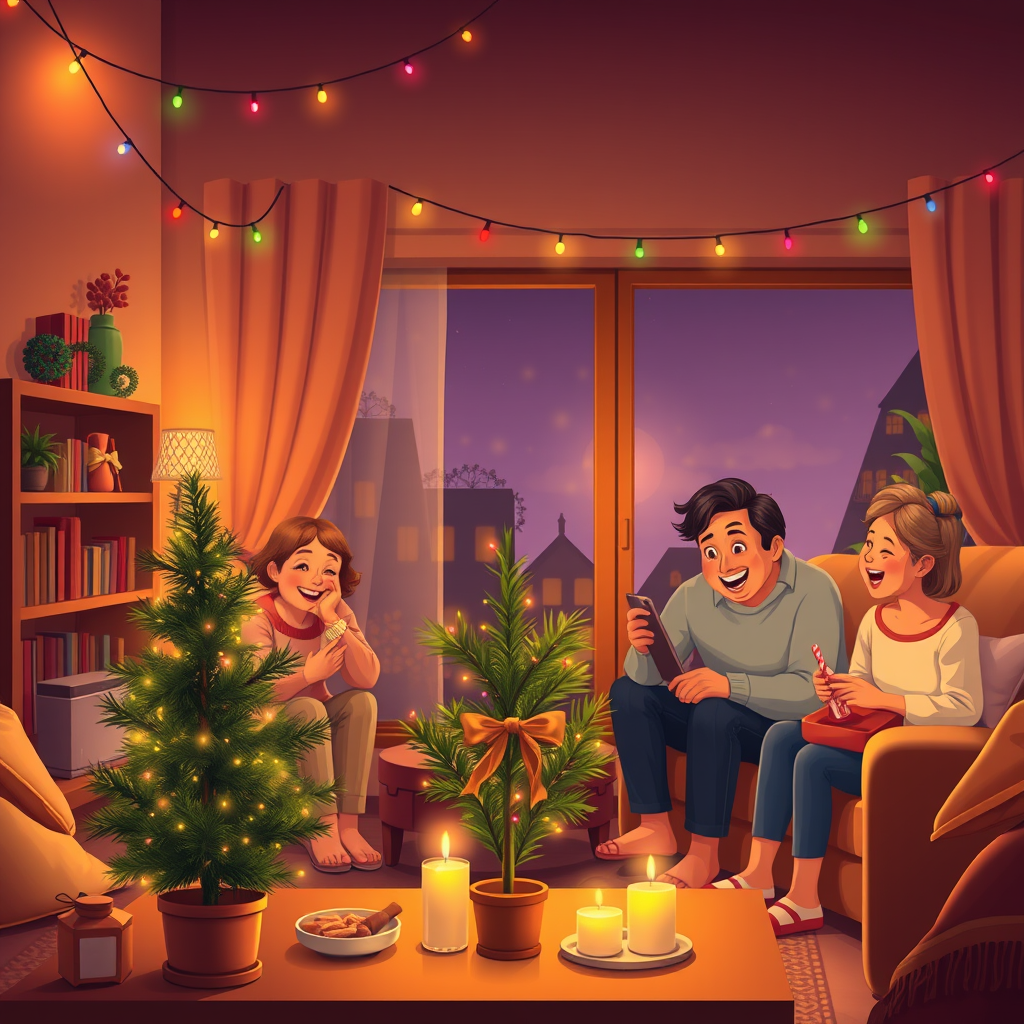
full of the happy, special feeling of a celebration
The office looked really festive with lights and a small tree.
More examples: The whole city has a festive mood before New Year. • Everyone wore something festive to the party. • Our kitchen always feels festive when we bake together.
Common collocations: a festive atmosphere, festive season, get into the festive spirit
Word family: festivity (noun), festivities (noun, plural)
Synonyms: celebratory, cheerful, jolly
Antonyms: ordinary, plain, gloomy
Related concepts: celebration, holiday season, decoration
Contexts: Christmas markets, office parties, New Year's Eve
Usage note: Use it for places, food, clothes or moods connected to a celebration. It's positive and a bit informal — perfect for talking about holidays.
custom
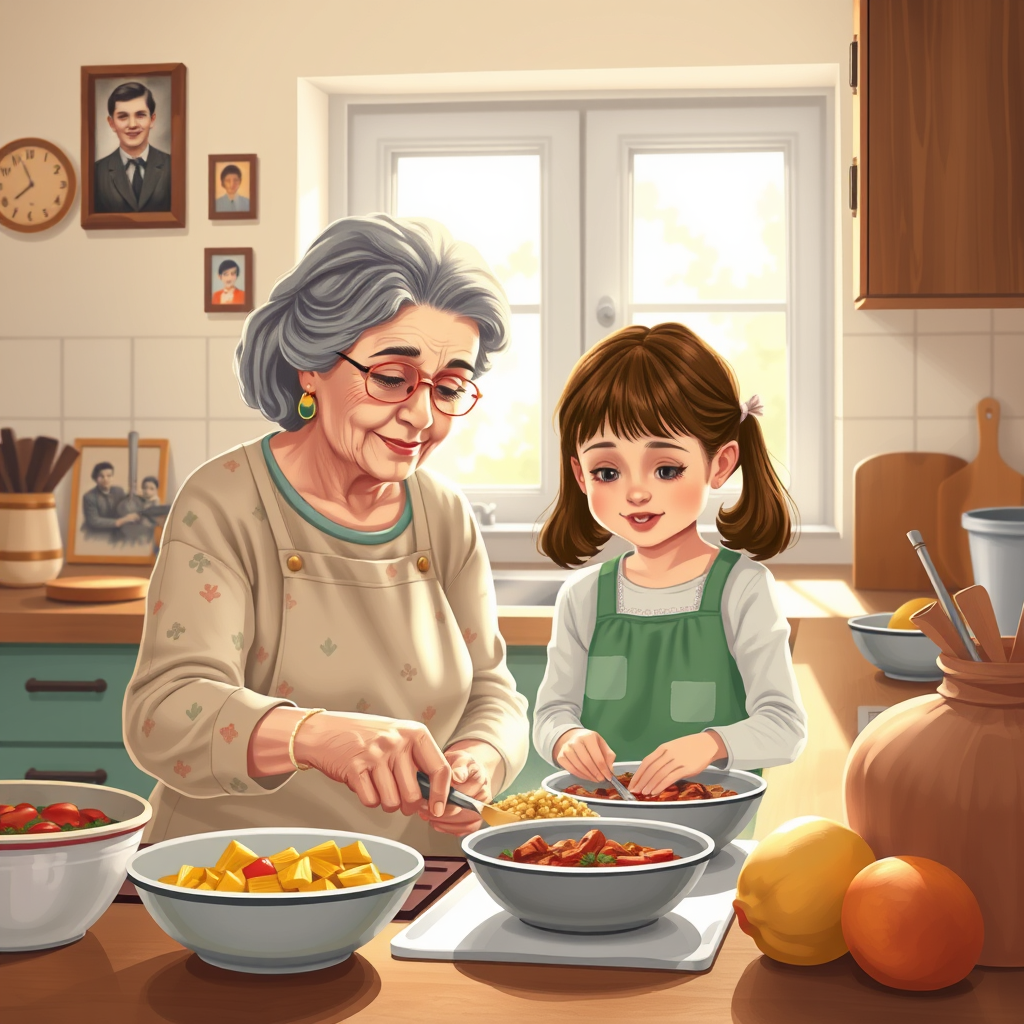
a usual way of doing things in a group or country
Taking off your shoes before entering is a common custom here.
More examples: It's an old custom to give red envelopes at New Year. • Every region has its own wedding customs. • I didn't know the local custom, so I made a small mistake.
Common collocations: a local custom, an old custom, follow a custom
Word family: customary (adjective), customs (noun, plural)
Synonyms: tradition, practice, ritual
Antonyms: novelty, innovation
Related concepts: culture, heritage, etiquette
Contexts: weddings, religious holidays, family meals
Usage note: Use for habits shared by a society, family or group over time. Slightly different from 'habit', which is more personal.
gather
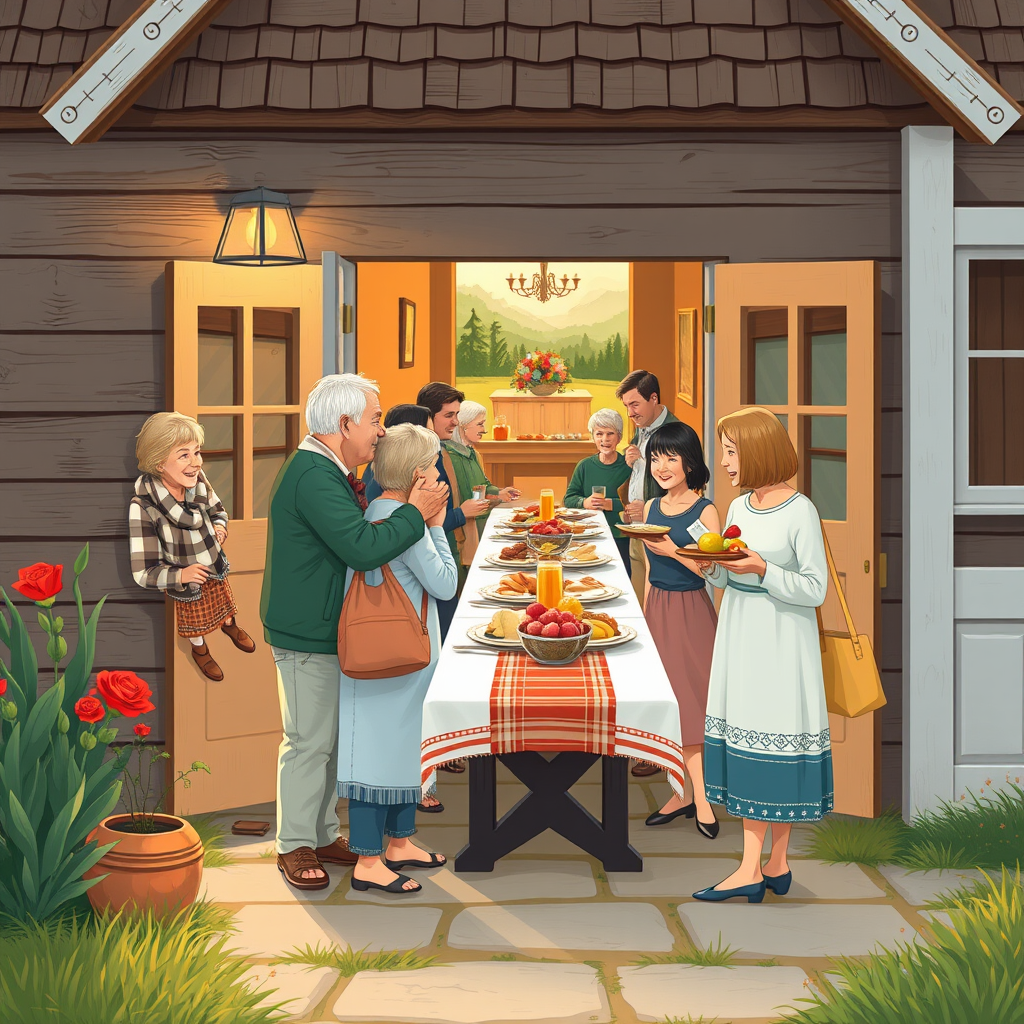
to come together in one place as a group
The whole family gathers at my aunt's house every holiday.
More examples: Thousands of people gathered in the square to watch the fireworks. • We all gathered around the table for dinner. • Friends gathered to say goodbye before she moved abroad.
Common collocations: gather around, gather together, a family gathering
Word family: gathering (noun), gatherer (noun)
Synonyms: assemble, meet up, get together
Antonyms: scatter, separate, disperse
Related concepts: family reunion, celebration, community
Contexts: holiday dinners, weddings, public events
Usage note: Use for people coming together, or for collecting things ('gather information'). Very common when talking about holidays and events.
look forward to
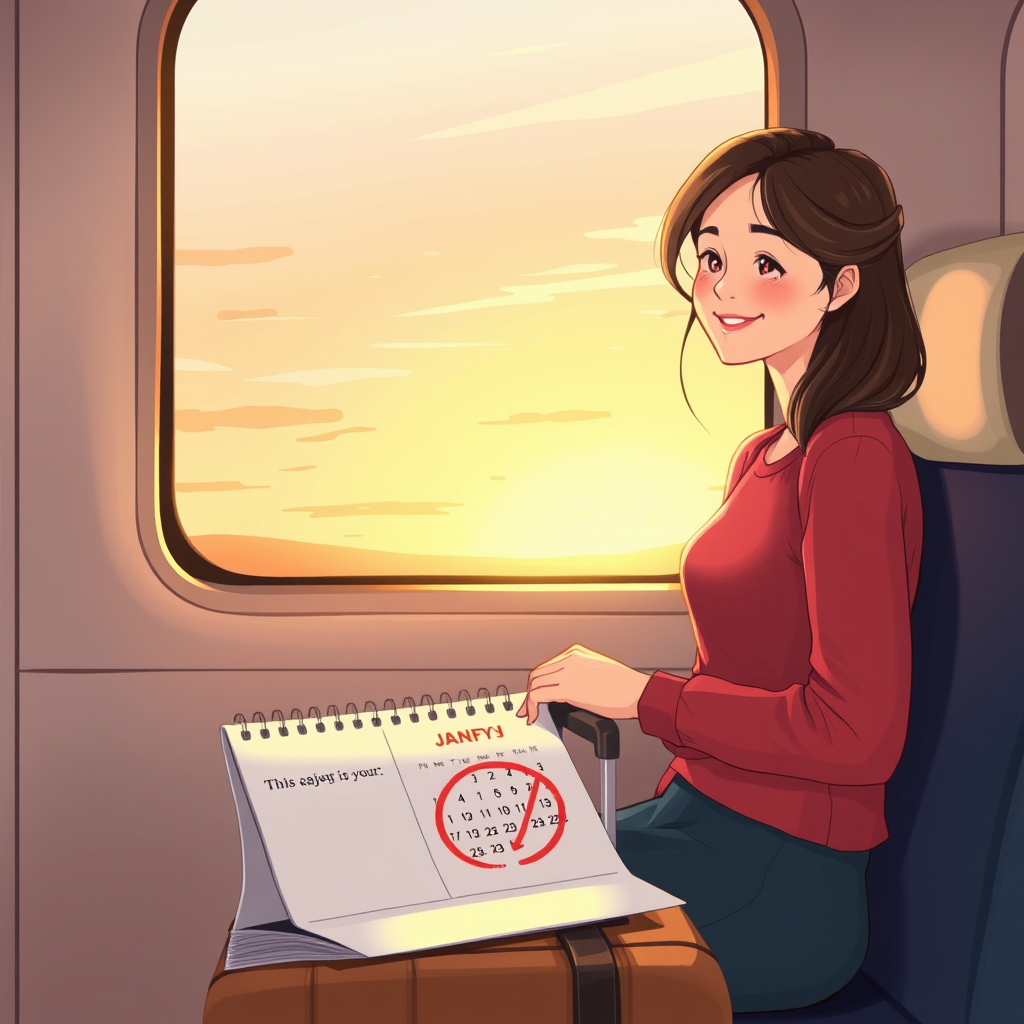
to feel happy and excited about something coming
I really look forward to our summer trip every year.
More examples: The kids are looking forward to the school holidays. • I look forward to hearing from you. (formal, in emails) • She's looking forward to seeing her grandparents again.
Common collocations: look forward to the weekend, really look forward to something, look forward to seeing you
Word family: forward (adverb)
Synonyms: anticipate, be excited about, count down to
Antonyms: dread, be nervous about
Related concepts: anticipation, plans, holidays
Contexts: vacations, weekends, meeting friends
Usage note: Very common in speech and emails. Remember: 'to' + noun or verb-ing. Works for small things (lunch) and big things (a wedding).
mark
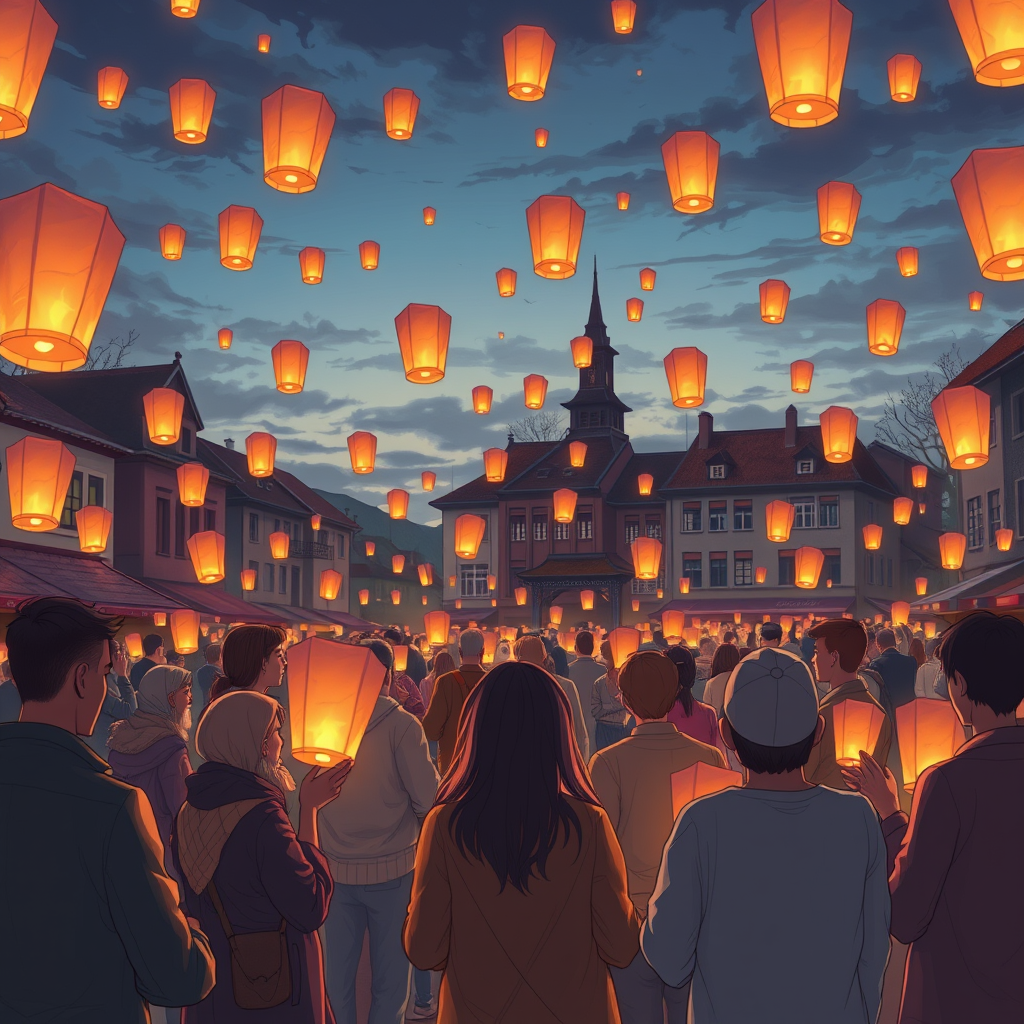
to show that a day or event is important
The country marks its independence day with fireworks and parades.
More examples: We marked our tenth anniversary with a weekend trip. • The festival marks the start of spring. • A special dinner marked the end of the project.
Common collocations: mark an anniversary, mark the occasion, mark the beginning of
Word family: mark (noun), marked (adjective)
Synonyms: commemorate, celebrate, honor
Antonyms: ignore, overlook
Related concepts: anniversary, memorial, milestone
Contexts: national holidays, weddings, historical events
Usage note: Use when a celebration or action shows the importance of an event. Common in news: 'marking 50 years since...'.
Vocabulary Check
- Which sentence uses 'festive' correctly?
- The festive rain ruined our plans for the weekend.
- The streets were festive, with music, lights and dancing everywhere.
- He felt festive after failing his driving test.
- The festive meeting about taxes lasted six boring hours.
- What does 'custom' mean?
- A rule made by the government that everyone must obey
- A usual way of doing things shared by a group or country
- A special meal cooked only once a year
- A present you give to someone important
- In which situation would you say people 'gather'?
- When everyone goes home alone after work
- When a family comes together at one house for a holiday meal
- When two people text each other from different cities
- When someone shops alone in a quiet supermarket
- Which sentence uses 'look forward to' correctly?
- I look forward to see you next week.
- I look forward to seeing you next week.
- I look forward seeing you next week.
- I look forwards to see you next week.
- What does it mean to 'mark' an important day?
- To write the date on a calendar with a pen
- To forget the day completely
- To do something special to show the day matters
- To work extra hours on that day
Idioms & Phrasal Verbs
thanks to
because of someone or something (usually a good result)
Thanks to the new train line, my trip to my parents' house takes half the time now.
Usage note: It often suggests the result is good: "Thanks to the rain, the garden looks great." For bad results, "because of" sounds more natural. · Right: We missed the flight because of the traffic. · Avoid: We missed the flight thanks to the traffic.
Usage note: You can also use it alone to accept praise: "Thanks to me, we found the restaurant!"
point out
to mention or show something important that others may not have noticed
My colleague pointed out that we'd all been working through lunch without noticing.
Usage note: It can be split: "point something out" or "point out something". Both are fine. · Right: She pointed the mistake out to me. · Avoid: She pointed out to me the mistake with confidence.
Usage note: The small word "out" adds the idea of making something visible, like pointing a finger at it.
wind down
to slowly relax after a busy or stressful time
After the big family dinner, everyone wound down in front of the TV.
Usage note: The picture is a clock or a toy that slowly loses energy and stops. You can wind down after work, or say a busy week winds down as it ends.
Usage note: It can be split: "I like to wind the evening down with a book."
in full swing
at its busiest, most active moment
By eight o'clock the party was in full swing — music, dancing, and nobody sitting down.
Usage note: The picture is a swing moving at its highest speed. Use it for events, seasons or activities: "The sales are in full swing."
Usage note: Very common in the news: "The election campaign is now in full swing."
Language Practice: Talking About Celebrations
Practice expressing ideas about holidays, traditions and celebrations.
- Comparing different views or customs
- Emerging: In my country, people ___, but in other places they ___. — In my country, people gather for a big meal, but in other places they go out to parties.
- Developing: While some people ___, others prefer to ___ because ___. — While some people love big family gatherings, others prefer to travel somewhere quiet because they need rest.
- Expanding: What seems normal to me, like ___, might surprise visitors, whereas something like ___ would feel completely ordinary to them. — What seems normal to me, like eating fried chicken on Christmas Eve, might surprise visitors, whereas something like a huge family lunch would feel completely ordinary to them.
- Weighing pros and cons
- Emerging: The good thing about ___ is ___. The bad thing is ___. — The good thing about public holidays is resting. The bad thing is crowded trains.
- Developing: One advantage of ___ is that ___, although on the other hand, ___. — One advantage of shared holidays is that families can plan ahead, although on the other hand, travel prices go up a lot.
- Expanding: If everyone celebrated the same holidays, we would ___, but we'd probably lose ___ in the process. — If everyone celebrated the same holidays, we would never struggle to schedule international calls, but we'd probably lose the rich variety of local customs in the process.
- Imagining and describing hypothetical situations
- Emerging: If I ___ on a big holiday, I would feel ___. — If I worked on a big holiday, I would feel a bit sad.
- Developing: If I had to ___ during a major celebration, I would ___ to make the best of it. — If I had to work during a major celebration, I would celebrate with colleagues at lunch to make the best of it.
- Expanding: If I could design a brand-new holiday, I would make it a day when ___, and I think people would ___ because ___. — If I could design a brand-new holiday, I would make it a day when nobody uses their phone, and I think people would feel surprisingly refreshed because we rarely get real quiet anymore.
Fill in the Blanks
Every January, my hometown has a winter festival that everyone _____ all year. The whole community _____ in the main square on the first evening, and the streets turn _____ with lanterns and music. One old _____ is that each family brings a dish to share with strangers. The festival _____ the middle of winter, when people need something bright to look forward to.
Word bank: festive, custom, gather, look forward to, mark
Sentence Unscramble
- the / whole / family / gathers / at / my / grandmother's / house / every / December
- it's / a / local / custom / to / give / small / gifts / on / that / day
- we / always / look / forward / to / the / festive / season
Discussion Questions
In some countries, December 25 is a quiet day when everything shuts down. In others, it's business as usual — offices open, shops busy, trains running. The same date can mean completely different things depending on where you wake up.
How does your country treat December 25 — is it a big day, a small one, or just a normal day? Would you like it to be different?
Most families have at least one tradition that outsiders would find odd — a strange food, a specific time to open gifts, a song everyone must sing. These customs often matter more to us than the official holiday itself.
What's one custom in your family or community that would surprise a visitor? Why do you think it has survived?
Some people think the world should share one calendar of big holidays, which would make travel and international work easier. Others believe local celebrations are precious precisely because they're different, and a global calendar would flatten them.
Would a shared global holiday calendar be a good idea or a boring one? Which side are you on, and why?
Imagine you move abroad and your biggest celebration of the year isn't a holiday there — you have to work while everyone back home gathers without you. Many people face this every year, and they find creative ways to cope.
If you had to work on your most important holiday, how would you handle it? What would you miss most?
Holidays don't have to be old. Some workplaces now give staff a 'personal day' to celebrate whatever matters to them, and some cities have invented brand-new festivals that became traditions within a single generation.
If you could invent a new holiday that everyone in your country would celebrate, what would it be and how would people mark it?
Knowledge Check
- Which word describes a place or mood full of celebration?
- customary
- festive
- ordinary
- practical
- True or false: 'look forward to' is followed by the base form of the verb, like 'look forward to see you'.
- True
- False
- A country holds a big parade to show the importance of its independence day. Which word fits?
- gather
- custom
- mark
- festive
- What is the difference between a 'custom' and a 'habit'?
- A custom is shared by a group or society; a habit is personal
- A custom is always bad; a habit is always good
- There is no difference at all
- A custom happens once; a habit happens every day
- True or false: a 'gathering' is an event where people come together, often informally.
- True
- False
- If a party is "in full swing", what is happening?
- It has just started and few people have arrived.
- It was cancelled at the last minute.
- It is at its busiest and most exciting moment.
- It is almost over and people are leaving.
Free to use with your students: Free to teach, screen-share, print and share with your students, with a credit to PlanWise ESL. Please do not sell it or republish it as your own. What you can do with free lessons.