Commercialisation vs. Tradition: Keeping Festivals Meaningful
About this lesson: This is a B2 (Upper Intermediate) ESL lesson in the Conversation Practice category. It takes about 60 minutes. It includes 5 vocabulary words, 4 idioms and phrasal verbs, a reading text, comprehension questions, discussion questions and speaking patterns. Suits one-to-one or small-group online classes. Free to open and teach with no login, and it prints as a PDF.
Print just the discussion questions
How this lesson is built
This is a complete conversation lesson built on a scientific pedagogical formula, not a generic worksheet: recall prior topic vocabulary, pre-teach the new words in depth, read in context, practise active recall with flashcards and synonyms/antonyms, build accuracy with exercises, and finish with deep discussion.
- Warm-up: Discussion questions that connect the topic to the student’s own life and recall vocabulary they already know about the subject.
- Reading: A text written for this CEFR level that uses each new word two or three times in context, giving the student something meaningful to react to.
- Key vocabulary: 5 new words, pre-taught before the reading with a definition, pronunciation guide, example sentences and a picture, plus word families, usage notes, recall flashcards and synonyms/antonyms, giving a solid grounding before reading.
- Comprehension: 5 questions that check the new words: retrieval practice, not rereading.
- Idioms and phrasal verbs: Expressions taken from the reading, each with its meaning, an example and a speaking question.
- Sentence frames: 3 speaking patterns, each at three levels of support (emerging, developing, expanding) with model answers—especially helpful scaffolding for beginners and less confident speakers.
- Gap-fill: The new words again, in a shuffled order, so the student recalls them by meaning in context.
- Sentence unscramble: Natural sentences with the new words to put back in order, reinforcing grammar and collocation.
- Discussion: 5 open questions designed to talk deeply about the subject while actively using the lesson’s target vocabulary: the heart of a conversation lesson.
- Quiz: A short retrieval check that brings every new word back once more.
Unlike a generic worksheet, the new words are taught before the reading and met again in the activities, the speaking is supported at three levels and most of the time goes on the student talking. Teachers who use PlanWise ESL also get per-student vocabulary tracking (recycling earlier words into future readings and questions), a private learner dashboard with flashcards and custom lesson creation, and a downloadable study PDF.
Warm-up: Festivals in Your Life
Talk about the festivals you celebrate and what they mean to you before we look at the reading.
- What's your favourite festival or celebration during the year?
- How does your family usually celebrate it?
- Do you think festivals today are more about shopping than about meaning?
- Have you noticed any traditions changing in your lifetime?
- If you could keep only one tradition from your childhood, which one would it be?
Reading Text: Is Christmas Losing Its Soul?
A short magazine article about how festivals change when money gets involved - and why some people don't mind at all.
Every December, Maria's town turns into a sea of lights, music and sales. Shops put up their decorations in October, and adverts remind everyone to buy, buy, buy. Maria loves Christmas, but lately she has felt something is missing. 'It used to be about family,' she says. 'Now it feels like a shopping season with a tree in the middle.'
Maria's grandmother remembers a very different Christmas. Presents were small and often handmade. The family had one simple ritual: everyone gathered in the kitchen on Christmas Eve to bake bread together. That ritual mattered more than anything under the tree. 'We didn't have much, but the day felt full,' she says.
Not everyone sees a problem, though. Tomás, a shop owner, thinks the commercialisation of Christmas is just change, not disaster. 'People have always exchanged gifts,' he argues. 'Now there are simply more shops and more choices. If buying a present makes someone happy, what's wrong with that?'
Some psychologists say both views have a point. Gifts can be sentimental - a photo album, a scarf knitted by hand - and those objects carry real emotion. The trouble starts with consumerism, when the buying itself becomes the point and the meaning disappears. The question is where the line falls.
In the end, traditions don't survive by accident. Families pass down what they practise. If Maria wants her future children to bake bread on Christmas Eve, she'll have to do it herself, year after year. Meaning, it seems, isn't something shops can sell you. You have to make it.
Key Vocabulary
commercialisation
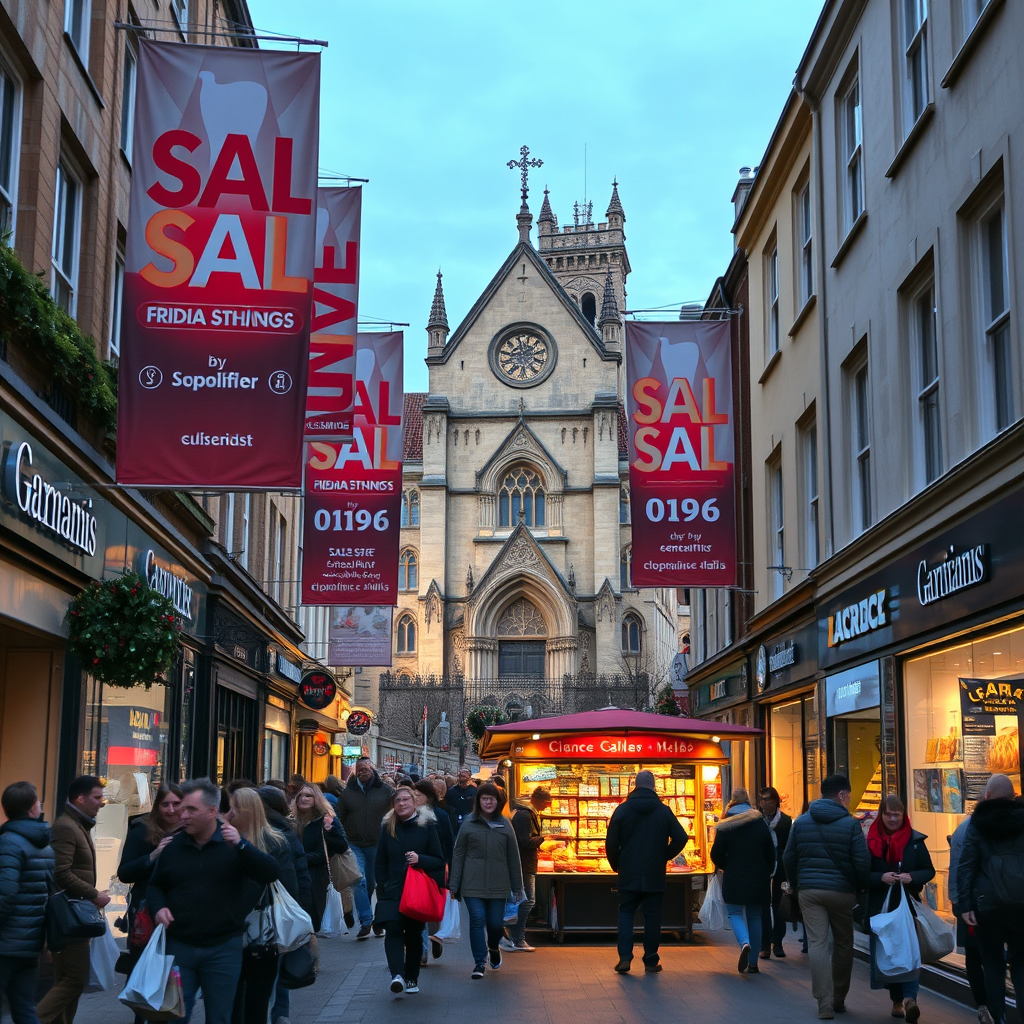
when something is changed mainly to make money
Many people complain about the commercialisation of Christmas.
More examples: The commercialisation of music festivals annoys older fans. • Some say the commercialisation of sport has gone too far. • I worry about the commercialisation of our local carnival.
Common collocations: the commercialisation of Christmas, complain about commercialisation, a sign of commercialisation
Word family: commercialise (verb), commercial (adjective), commercially (adverb)
Synonyms: money-making, selling out, profit-seeking
Antonyms: authenticity, tradition, purity
Related concepts: advertising, holidays, profit
Contexts: festivals, sport, the arts
Usage note: Usually used to complain or criticise. Often follows 'the commercialisation of' + a festival, sport, art or holiday.
consumerism

the idea that buying lots of things is important
Consumerism makes people think happiness comes from shopping.
More examples: Black Friday is consumerism at its loudest. • She tries to protect her kids from consumerism. • The film criticises consumerism in modern life.
Common collocations: a culture of consumerism, fight against consumerism, modern consumerism
Word family: consumer (noun), consume (verb), consumption (noun)
Synonyms: materialism, shopping culture, overconsumption
Antonyms: minimalism, simplicity, frugality
Related concepts: advertising, status, waste
Contexts: holidays, social media, retail
Usage note: Almost always slightly negative - it suggests people buy too much or for the wrong reasons. Use it when talking about society, not one shopping trip.
ritual
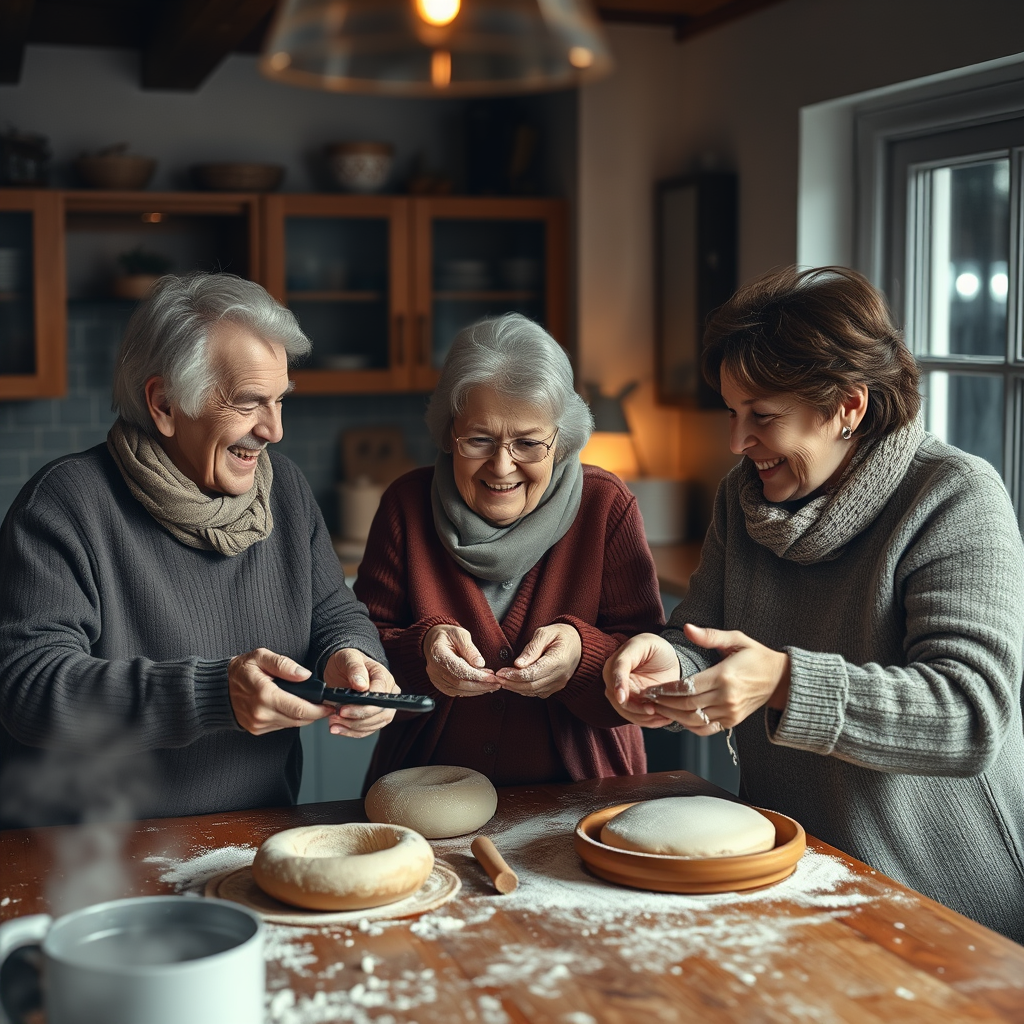
a fixed set of actions done on special occasions
Baking bread together is our family's Christmas ritual.
More examples: Lighting candles is a New Year ritual in my family. • Their morning coffee ritual never changes. • The wedding ritual has stayed the same for centuries.
Common collocations: a family ritual, a religious ritual, perform a ritual
Word family: ritual (adjective), ritualistic (adjective)
Synonyms: ceremony, custom, tradition
Antonyms: improvisation, randomness
Related concepts: religion, family, routine
Contexts: holidays, weddings, daily life
Usage note: Can be religious or simply a repeated family habit with special meaning. Also used for personal routines, like a 'morning ritual'.
sentimental
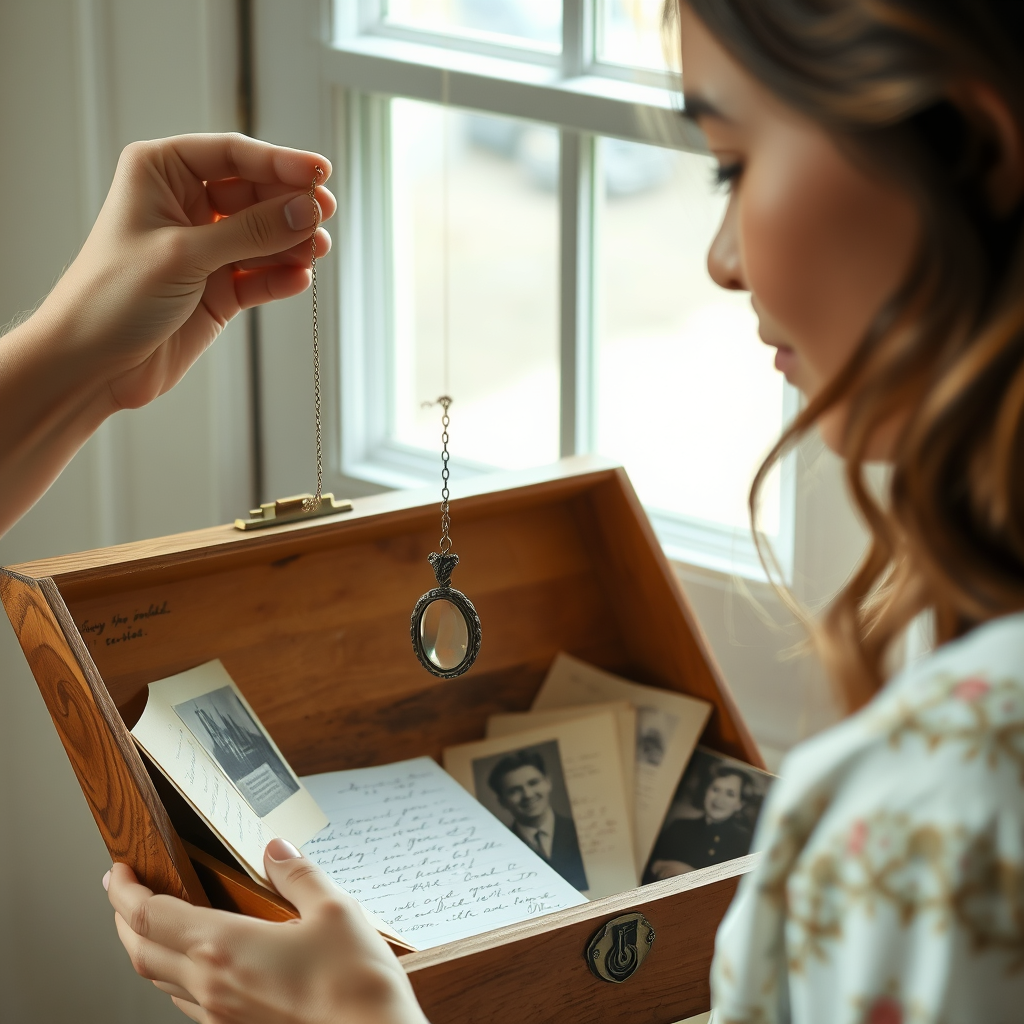
connected to feelings and memories, not money
The necklace is sentimental - my grandmother gave it to me.
More examples: It's not expensive, but it has sentimental value. • He keeps sentimental old letters in a box. • She gets sentimental every time she hears that song.
Common collocations: sentimental value, a sentimental gift, get sentimental
Word family: sentiment (noun), sentimentality (noun)
Synonyms: emotional, nostalgic, tender
Antonyms: practical, unemotional, cold
Related concepts: memory, heirlooms, love
Contexts: gifts, family objects, music
Usage note: Mostly positive when talking about objects ('sentimental value'). Can be slightly negative if someone is 'too sentimental' - overly emotional about small things.
pass down
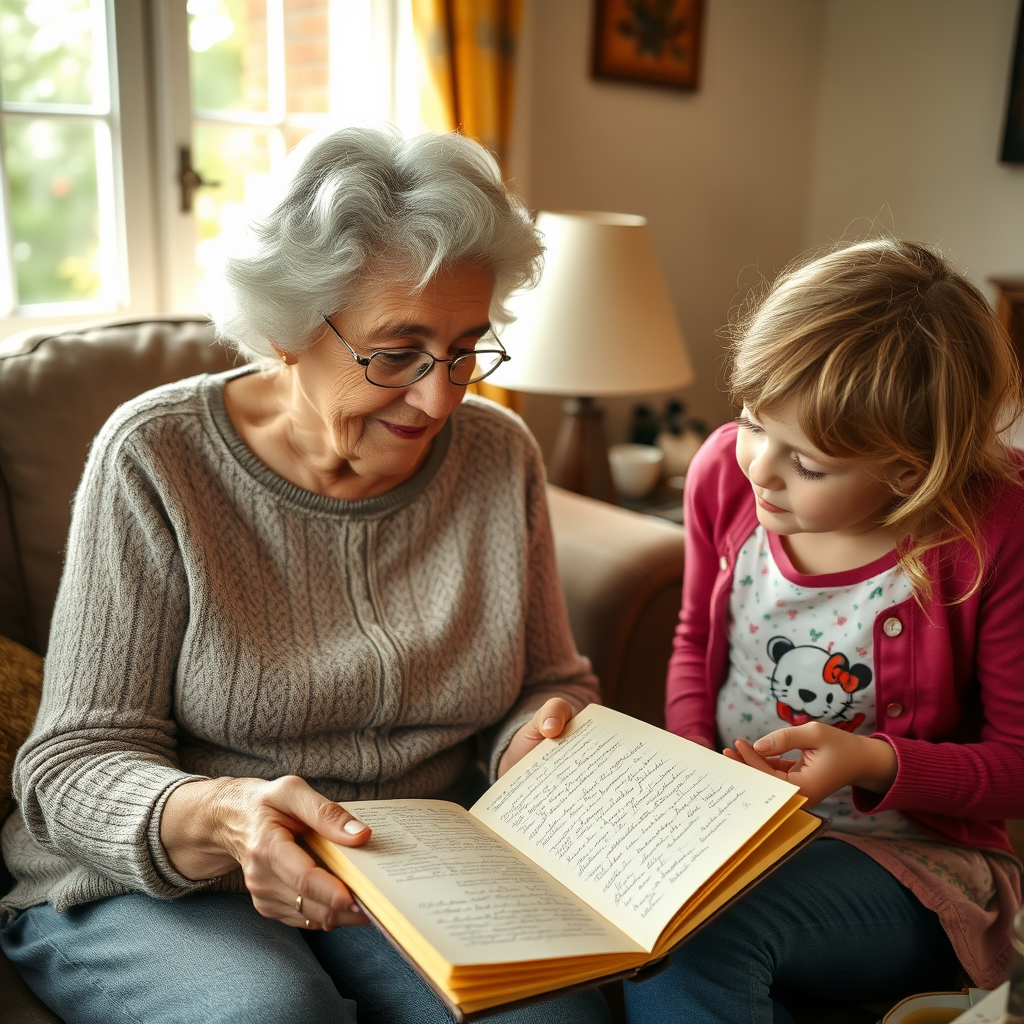
to give traditions or things to younger people
My mother passed down her recipes to me.
More examples: These stories were passed down for generations. • We want to pass down our language to our children. • The ring has been passed down through the family.
Common collocations: pass down traditions, pass down from generation to generation, pass down a recipe
Word family: hand down (phrasal verb), inheritance (noun)
Synonyms: hand down, pass on, hand over
Antonyms: keep, hold back, lose
Related concepts: heritage, generations, family
Contexts: families, recipes, stories
Usage note: Separable: 'pass it down' or 'pass down the tradition'. Often used with 'generation' or 'from parents to children'.
Vocabulary Check
- What does 'consumerism' mean?
- The idea that buying lots of things is important
- A fixed set of actions done on special occasions
- Changing something mainly to make money
- Giving traditions to younger people
- Which sentence uses 'ritual' correctly?
- She bought a new ritual at the shopping centre.
- Lighting candles together is our family's New Year ritual.
- The ritual of the jacket was too small for me.
- He rituals his car every weekend.
- If a gift has 'sentimental value', what does that mean?
- It is worth a lot of money
- It was bought in a famous shop
- It is special because of feelings and memories
- It needs to be repaired
- What does 'pass down' mean?
- To refuse an offer politely
- To give traditions or objects to younger people
- To move to a lower floor
- To forget something important
- In which situation would you use 'commercialisation'?
- Describing a quiet family dinner at home
- Complaining that a festival has become all about sales and adverts
- Explaining how to bake bread with your grandmother
- Talking about a gift your grandfather gave you
Idioms & Phrasal Verbs
put up
to place something somewhere so people can see it
We always put up the tree the first weekend of December.
Usage note: You can split it: 'put up the lights' or 'put the lights up'. Both are fine. · Right: put the decorations up · Avoid: put up the decorations up
gather round
to come together in one place as a group
The whole family gathers round the table every Sunday for lunch.
Usage note: The small word 'round' gives the picture of people standing in a circle, like round a fire or a table.
see a problem
to think something is wrong or worrying
I don't see a problem with buying gifts online - it's just easier.
Usage note: Very common in conversation: 'I don't see a problem' means 'that seems fine to me'.
draw the line
to decide the limit of what you accept
I love a bargain, but I draw the line at queuing all night outside a shop.
Usage note: The picture is drawing a line on the ground: everything before the line is fine, everything after it is too much. · Right: draw the line at something · Avoid: draw the line on something
Language Practice: Talking About Festivals and Change
Practise expressing ideas about commercialisation, tradition and what makes festivals meaningful.
- Comparing two points of view
- Emerging: Some people say ___, but I think ___. — Some people say Christmas is too commercial, but I think it's still fun.
- Developing: While some people complain about ___, others believe ___, and I partly agree with ___. — While some people complain about the commercialisation of Christmas, others enjoy the sales, and I partly agree with both sides.
- Expanding: Although ___ has clearly changed over the years, I'd argue that ___, because in my experience ___. — Although Christmas has clearly become more commercial over the years, I'd argue the meaning is still there, because in my experience family matters more than presents.
- Weighing pros and cons
- Emerging: The good thing about ___ is ___. The bad thing is ___. — The good thing about big sales is low prices. The bad thing is crowds.
- Developing: One advantage of ___ is that ___, but on the other hand, ___. — One advantage of commercialisation is that festivals feel exciting, but on the other hand, the original meaning gets lost.
- Expanding: Even though ___ brings ___ , I'd say the downside is ___, so overall I think ___. — Even though commercialisation brings money and jobs to small towns, I'd say the downside is that festivals lose their soul, so overall I think we need balance.
- Imagining situations and hypothetical choices
- Emerging: If I ___ , I would ___. — If I had more money, I would travel at Christmas.
- Developing: If I could ___ , I would ___ because ___. — If I could change one thing about Christmas, I would spend less on presents because time together matters more.
- Expanding: If I were responsible for ___ , I would ___ , and I hope that would ___ for the next generation. — If I were responsible for our town's festival, I would cut the adverts and add more local music, and I hope that would give the next generation real memories.
Fill in the Blanks
Every family celebrates differently. In Ana's house, the most important _____ is cooking her grandmother's soup on New Year's Eve - a recipe that was _____ through four generations. The soup itself isn't valuable, but it has huge _____ meaning for everyone at the table. Ana's cousin, however, thinks the family worries too much. He says a bit of _____ is harmless and that _____ only bothers people who let adverts control them. Ana isn't so sure. For her, the soup matters precisely because no shop can sell it.
Word bank: commercialisation, consumerism, ritual, sentimental, pass down
Sentence Unscramble
- our / family / has / passed / down / this / recipe / for / generations
- the / commercialisation / of / Christmas / starts / earlier / every / year
- this / old / watch / has / great / sentimental / value / for / me
Discussion Questions
In many countries, shops start selling festival products months early, and adverts fill every screen. Some people find it exciting; others find it exhausting. The debate often gets strongest around big holidays like Christmas or New Year.
Do you think festivals in your country have become too much about shopping? What's one thing you'd change?
Maria's grandmother in the reading remembers handmade presents and baking bread together. Many families have one small ritual like this - a special dish, a song, a game - that means more than any gift.
What's one ritual or tradition in your family that really matters to you? Why do you think it has survived?
Some gifts are expensive gadgets; others are cheap but full of feeling - a handwritten letter, a photo album, something made by hand. Psychologists say the sentimental gifts are often remembered longest.
What's the most sentimental gift you've ever given or received? Would you rather get something expensive or something meaningful?
Traditions don't survive by accident - someone has to keep them alive and teach them to the next generation. Immigrants often work hard to pass down food, language and celebrations to children born in a new country.
If you moved to another country, which tradition would you work hardest to pass down to your children? How would you do it?
Tomás in the reading thinks commercialisation isn't a disaster - buying gifts can make people happy, and shops create jobs and excitement. Not everyone who loves a big, shiny celebration is shallow.
Do you agree with Tomás, or do you side more with Maria? Where would you draw the line between healthy celebration and too much consumerism?
Knowledge Check
- Which word describes a culture where buying things feels very important?
- Ritual
- Consumerism
- Sentimental
- Pass down
- True or false: 'pass down' is separable, so you can say 'pass it down'.
- True
- False
- A cheap object can still be very special to you. Which phrase describes this?
- Commercial value
- Sentimental value
- Market value
- Ritual value
- Which sentence is correct?
- We ritual our tree every December.
- The commercialisation of the festival starts in October.
- She consumerisms a lot at Christmas.
- He sentimental down his recipes to his daughter.
- True or false: a 'ritual' is always religious.
- True
- False
- If someone says 'I draw the line at spending more than $50 on a gift', what do they mean?
- They love drawing pictures of gifts.
- They think $50 is the most they will spend - more is too much.
- They always spend much more than $50.
- They want to return any gift over $50.
Free to use with your students: Free to teach, screen-share, print and share with your students, with a credit to PlanWise ESL. Please do not sell it or republish it as your own. What you can do with free lessons.