Tourism, Local Culture, and Overcrowding
About this lesson: This is a B2 (Upper Intermediate) ESL lesson in the General English category. It takes about 60 minutes. It includes 5 vocabulary words, 4 idioms and phrasal verbs, a reading text, comprehension questions, discussion questions and speaking patterns. Suits one-to-one or small-group online classes. Free to open and teach with no login, and it prints as a PDF.
Print just the discussion questions
How this lesson is built
This is a complete conversation lesson built on a scientific pedagogical formula, not a generic worksheet: recall prior topic vocabulary, pre-teach the new words in depth, read in context, practise active recall with flashcards and synonyms/antonyms, build accuracy with exercises, and finish with deep discussion.
- Warm-up: Discussion questions that connect the topic to the student’s own life and recall vocabulary they already know about the subject.
- Reading: A text written for this CEFR level that uses each new word two or three times in context, giving the student something meaningful to react to.
- Key vocabulary: 5 new words, pre-taught before the reading with a definition, pronunciation guide, example sentences and a picture, plus word families, usage notes, recall flashcards and synonyms/antonyms, giving a solid grounding before reading.
- Comprehension: 5 questions that check the new words: retrieval practice, not rereading.
- Idioms and phrasal verbs: Expressions taken from the reading, each with its meaning, an example and a speaking question.
- Sentence frames: 3 speaking patterns, each at three levels of support (emerging, developing, expanding) with model answers—especially helpful scaffolding for beginners and less confident speakers.
- Gap-fill: The new words again, in a shuffled order, so the student recalls them by meaning in context.
- Sentence unscramble: Natural sentences with the new words to put back in order, reinforcing grammar and collocation.
- Discussion: 5 open questions designed to talk deeply about the subject while actively using the lesson’s target vocabulary: the heart of a conversation lesson.
- Quiz: A short retrieval check that brings every new word back once more.
Unlike a generic worksheet, the new words are taught before the reading and met again in the activities, the speaking is supported at three levels and most of the time goes on the student talking. Teachers who use PlanWise ESL also get per-student vocabulary tracking (recycling earlier words into future readings and questions), a private learner dashboard with flashcards and custom lesson creation, and a downloadable study PDF.
Warm-up: Talking Travel
Let's start by thinking about travel and the places we visit. Share your experiences and opinions with your teacher.
- Do you enjoy travelling, or are you more of a stay-at-home person?
- What's the most touristy place you've ever visited? What was it like?
- Would you rather visit a famous city or a quiet village? Why?
- Have you ever been somewhere that felt ruined by too many tourists?
- If you could show a visitor one place in your country, where would you take them?
Reading Text: When Everyone Falls in Love with the Same Place
A short article about what happens when a place becomes too popular with tourists.
Ten years ago, the small coastal town of Portovenere was a secret. Travellers who wanted to get off the beaten track would find quiet streets, family cafés and fishermen mending their nets. Today, the town is overcrowded for most of the year. On summer weekends, up to twenty thousand visitors squeeze into streets built for two thousand residents.
The locals are feeling the strain. Rents have doubled because landlords prefer renting to tourists, so many young people have moved away. The bakery that sold bread to families for sixty years now sells expensive sandwiches to day-trippers. 'We love visitors,' says Maria, who grew up here, 'but the town can't breathe anymore.'
Not everyone sees it this way, though. The mayor points out that tourism brings jobs and money that the town never had before. Old buildings have been restored, and the heritage of the area - its churches, forts and fishing traditions - is better protected than ever. 'Without tourists,' he argues, 'this place would be dying slowly.'
Other destinations are trying different answers. Some cities limit the number of cruise ships that can dock. Venice has started charging day visitors an entry fee. In some national parks, you must book a time slot weeks in advance. These ideas are unpopular with travellers who want freedom, but supporters say they are the only sustainable way forward.
So where does the balance lie? Travellers want authentic places, but the moment a place becomes popular, it starts losing exactly what made it special. Maybe the real question is not how many tourists a place can take, but what kind of tourist each of us chooses to be.
Key Vocabulary
overcrowded
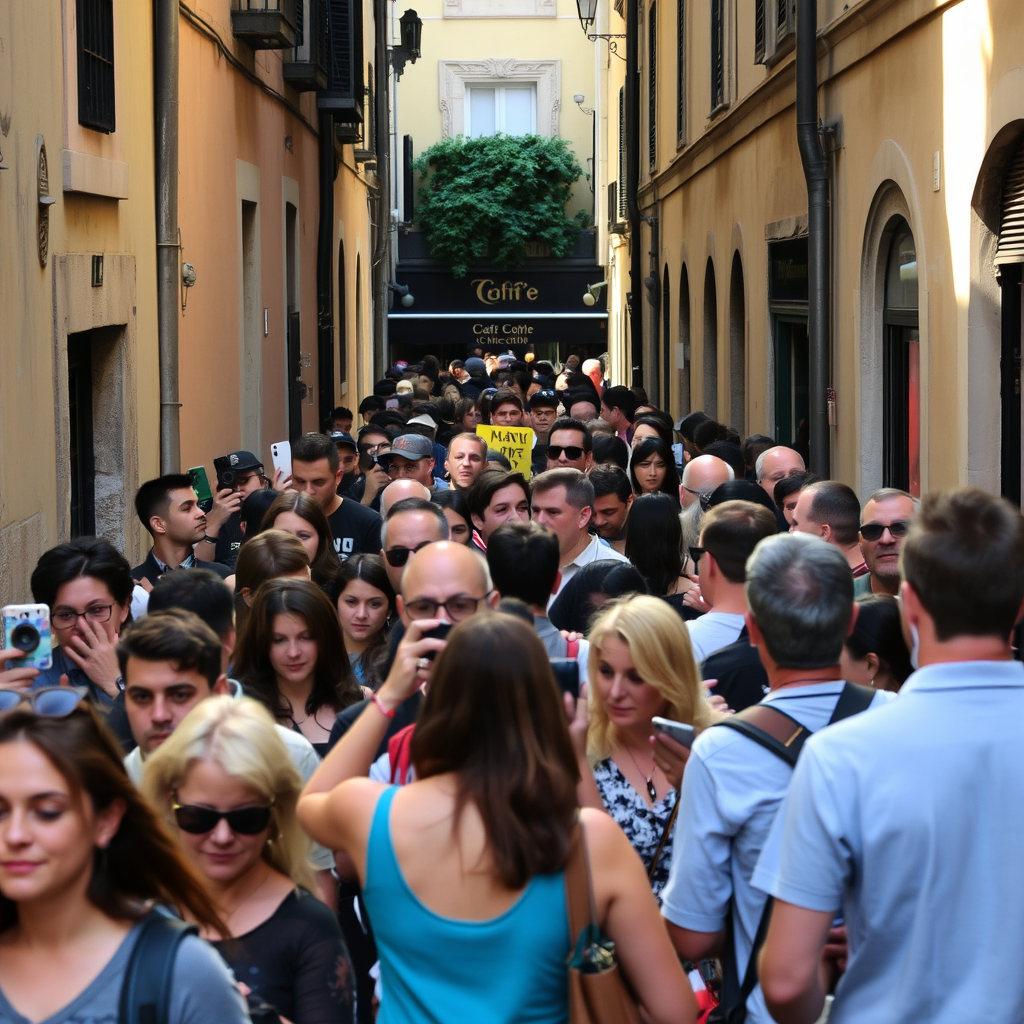
having too many people in a space
The beach gets overcrowded in August, so we go in June instead.
More examples: The train was so overcrowded that I had to stand for two hours. • Prisons in the region are badly overcrowded. • My old flat felt overcrowded with five people in it.
Common collocations: badly overcrowded, become overcrowded, overcrowded streets
Word family: overcrowd (verb), overcrowding (noun), crowded (adjective)
Synonyms: packed, jam-packed, swamped with people
Antonyms: empty, quiet, spacious
Related concepts: overtourism, rush hour, population density
Contexts: tourist destinations, public transport, housing
Usage note: Use for places with too many people - cities, transport, beaches. 'Crowded' is neutral; 'overcrowded' always suggests a problem.
heritage
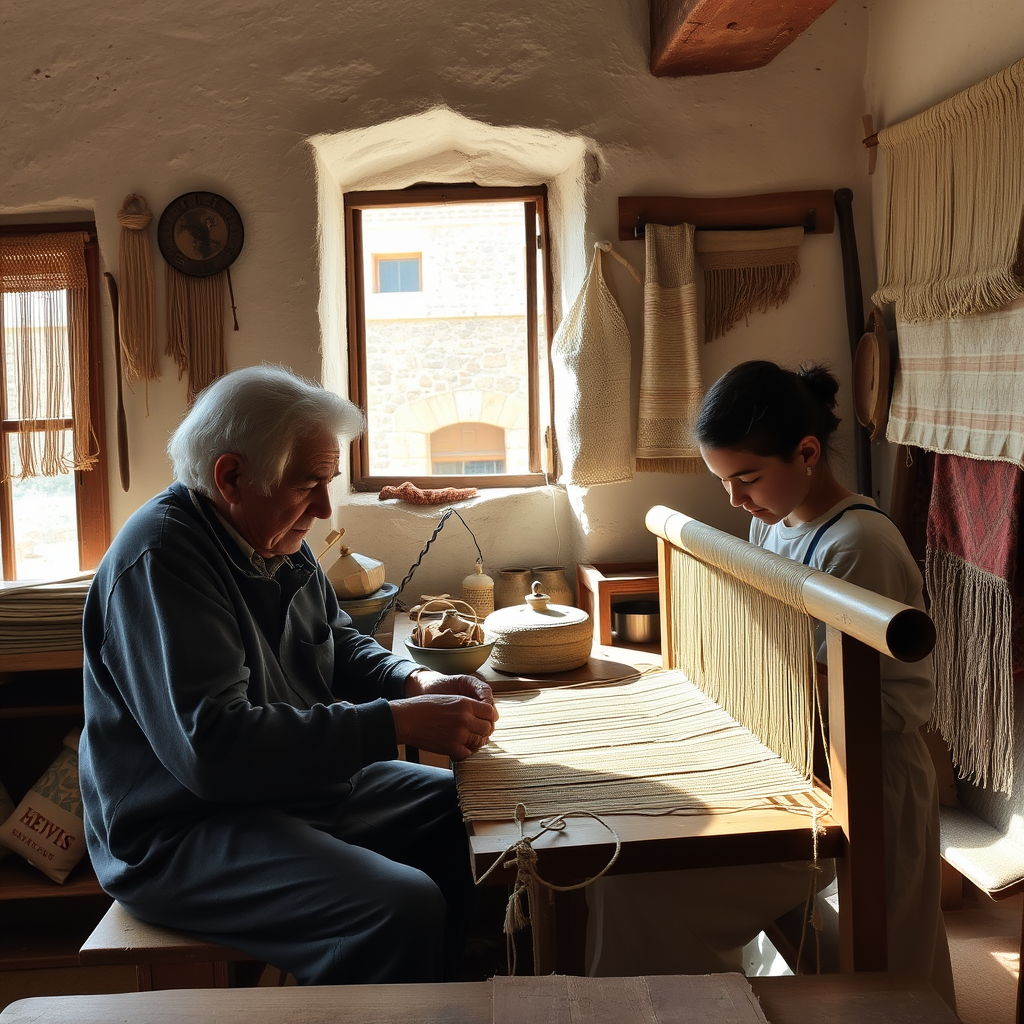
traditions, buildings and culture passed down from the past
The old harbour is part of the town's maritime heritage.
More examples: The festival celebrates the musical heritage of the island. • They turned the old factory into a heritage museum. • Learning my grandmother's recipes connects me to my family heritage.
Common collocations: cultural heritage, heritage site, rich heritage
Word family: inherit (verb), inherited (adjective)
Synonyms: tradition, legacy, inheritance
Antonyms: modernity, novelty
Related concepts: history, culture, preservation
Contexts: tourism, museums, family history
Usage note: Often used with 'cultural', 'national' or 'family'. A 'UNESCO World Heritage Site' is a famous protected place.
off the beaten track
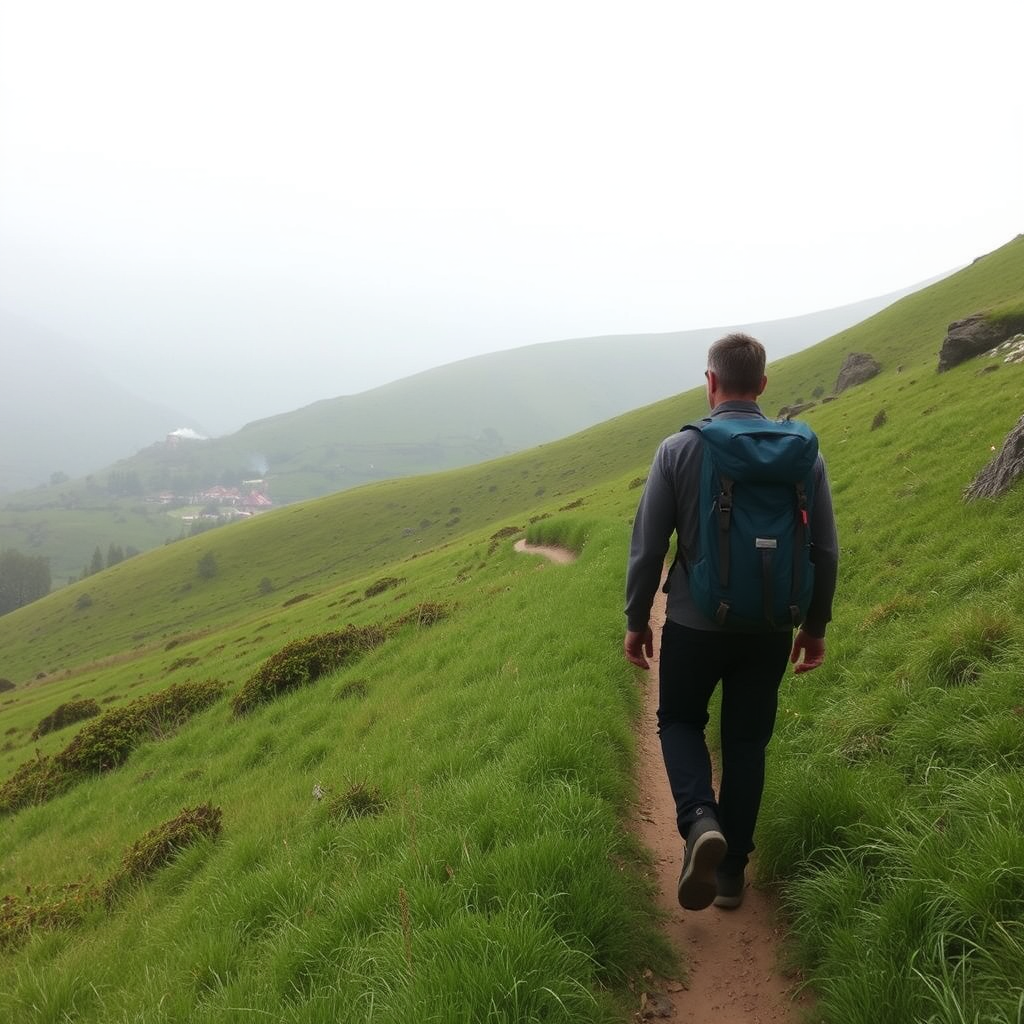
far from places where most tourists go
We rented a cabin off the beaten track and saw almost no other tourists all week.
More examples: The village is quite off the beaten track - you need a car to reach it. • I prefer restaurants that are a bit off the beaten track. • Her travel blog is all about places off the beaten track.
Common collocations: get off the beaten track, somewhere off the beaten track, a bit off the beaten track
Word family: track (noun), beaten path (variant)
Synonyms: remote, little-known, undiscovered
Antonyms: touristy, mainstream, well-known
Related concepts: hidden gems, adventure travel, exploration
Contexts: travel blogs, holiday planning, recommendations
Usage note: Informal but very common in travel talk. Use it for places, restaurants, or routes that are quiet and little known.
strain
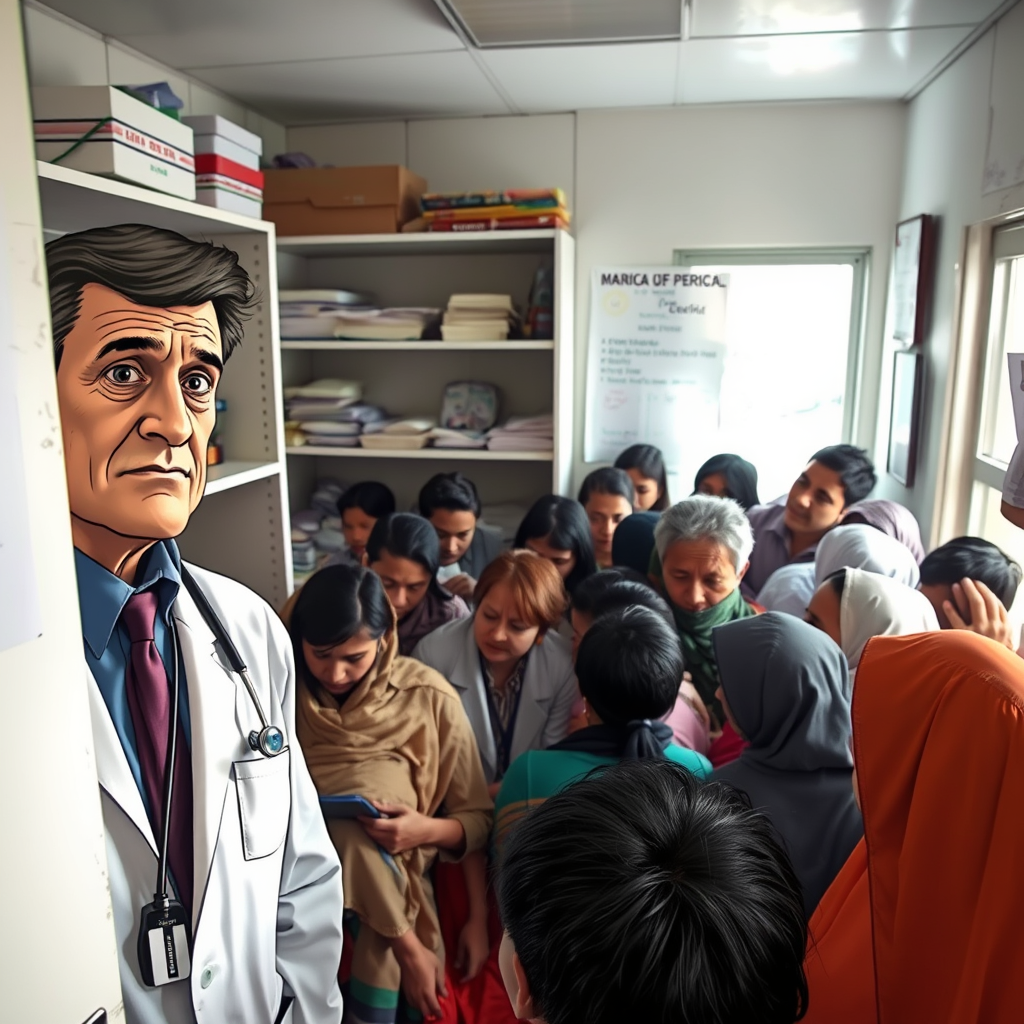
pressure or stress on something, almost too much to handle
The sudden wave of tourists put a strain on the town's water supply.
More examples: Working two jobs put a real strain on her health. • The bridge is under strain from heavy trucks. • Money problems caused a strain in their friendship.
Common collocations: put a strain on, under strain, feel the strain
Word family: strain (verb), strained (adjective), straining (adjective)
Synonyms: pressure, stress, burden
Antonyms: relief, ease
Related concepts: burnout, resources, overload
Contexts: public services, health, relationships
Usage note: Very useful for talking about pressure on services, relationships, health or resources. The common pattern is 'put a strain on something'.
sustainable
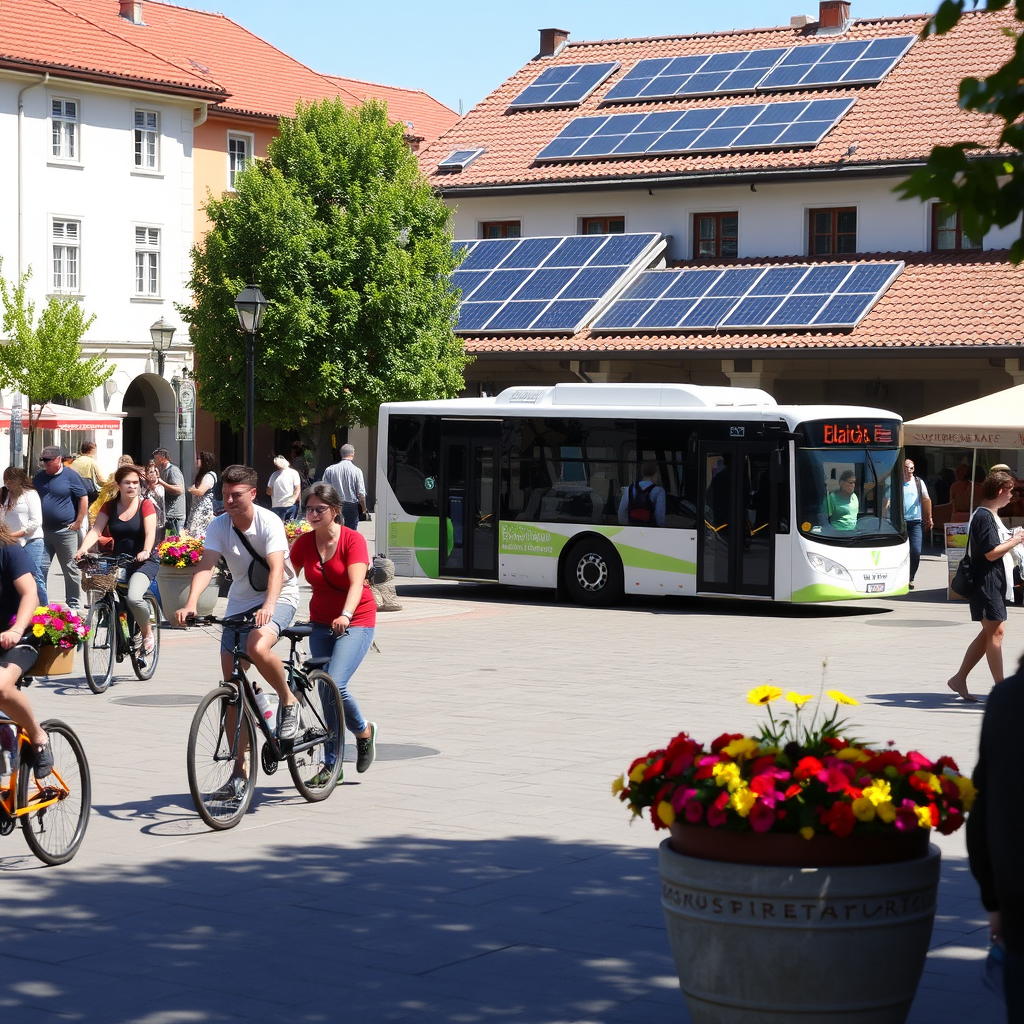
able to continue for a long time without damage
The island is trying to attract sustainable tourism instead of huge cruise ships.
More examples: We need a sustainable way to use the town's water. • She only buys clothes from sustainable brands. • Fishing at this rate simply isn't sustainable.
Common collocations: sustainable tourism, sustainable development, environmentally sustainable
Word family: sustain (verb), sustainability (noun), unsustainable (adjective)
Synonyms: viable, eco-friendly, long-lasting
Antonyms: unsustainable, wasteful, harmful
Related concepts: environment, green living, responsible travel
Contexts: tourism, business, environmental news
Usage note: Common in news about the environment, business and travel. Often used before nouns: sustainable tourism, sustainable growth.
Vocabulary Check
- What does 'overcrowded' mean?
- Very old and historic
- Having too many people in a space
- Far from the city centre
- Full of expensive shops
- Which sentence uses 'heritage' correctly?
- The castle is an important part of the region's heritage.
- I felt heritage after running for an hour.
- She heritage her brother a bicycle last week.
- The heritage was overcrowded with water.
- In which situation would you use 'off the beaten track'?
- Describing a famous attraction with long queues
- Describing a quiet village few tourists have heard of
- Describing a hotel with a broken path outside
- Describing a train that travels very fast
- What does 'strain' mean in this sentence: 'Too many visitors put a strain on the local hospital'?
- The hospital became famous
- The hospital was improved
- The hospital was under too much pressure
- The hospital moved to a new building
- Which describes something 'sustainable'?
- A way of doing things that can continue without causing damage
- Something that happens very quickly
- Something that costs a lot of money
- Something that only happens once
Idioms & Phrasal Verbs
squeeze into
to fit too many people or things into a small space
We squeezed into the crowded metro like sardines during rush hour.
Usage note: It can be split: 'we squeezed in' or 'we squeezed ourselves in'. · Right: We squeezed into the bus. · Avoid: We squeezed to the bus.
Usage note: The picture: pushing something hard into a space that is too small.
move away
to leave your town or area to live somewhere else
Most of my school friends moved away for jobs in the capital.
Usage note: 'Move away' means leaving the place you lived; 'move in' means starting to live somewhere new. · Right: She moved away from her village. · Avoid: She moved in from her village.
Usage note: No object needed: you just 'move away'.
draw the line
to decide what is acceptable and what is not
I love trying street food, but I draw the line at insects.
Usage note: You usually follow it with 'at': 'I draw the line at paying over $100 for a hotel.' · Right: I draw the line at paying extra. · Avoid: I draw the line paying extra.
Usage note: The picture: a line drawn on the floor that you refuse to cross.
take something for granted
to not appreciate something because you are used to it
Locals often take their beautiful old town for granted until tourists show them.
Usage note: Common pattern: 'take it for granted that...' or 'take ... for granted'. · Right: I take my freedom for granted. · Avoid: I take my freedom as granted.
Usage note: Very common in conversation when people talk about what they appreciate too late.
Language Practice: Talking About Tourism
Practice expressing and comparing opinions about tourism and overcrowding.
- Comparing different views
- Emerging: Some people say ___, but I think ___. — Some people say tourism is always good for a place, but I think it can cause problems.
- Developing: While some people believe ___, I would argue that ___ because ___. — While some people believe tourists bring only money, I would argue that they also bring problems because rents go up for locals.
- Expanding: There's a real tension between ___ and ___. In my view, the best way to handle it is ___, even though ___. — There's a real tension between welcoming tourists and protecting local life. In my view, the best way to handle it is charging a small entry fee, even though some travellers will complain.
- Weighing pros and cons
- Emerging: The good thing about ___ is ___. The bad thing is ___. — The good thing about visiting famous cities is seeing the sights. The bad thing is the crowds.
- Developing: The main advantage of ___ is ___, although on the other hand, ___. — The main advantage of travelling off-season is lower prices, although on the other hand, the weather can be worse.
- Expanding: On the plus side, ___; on the minus side, ___. When you weigh it up, I'd say ___ is worth it as long as ___. — On the plus side, tourism creates jobs and restores old buildings; on the minus side, it puts a strain on housing. When you weigh it up, I'd say controlled tourism is worth it as long as locals still benefit.
- Imagining situations and solutions
- Emerging: If I visited ___, I would ___. — If I visited Venice, I would go in winter.
- Developing: If my hometown became overcrowded with tourists, I would ___ because ___. — If my hometown became overcrowded with tourists, I would support a visitor tax because the money could fix the streets.
- Expanding: If I were in charge of tourism in ___, I would ___ so that ___. That way, ___. — If I were in charge of tourism in my city, I would limit big tour groups in the old town so that residents could live normally. That way, both visitors and locals would be happier.
Fill in the Blanks
Last summer, my friend and I decided to avoid the famous cities and go somewhere _____ instead. We found a tiny mountain village that most tourists had never heard of. It was wonderful at first - quiet streets, friendly people, and a real sense of local _____ in every building. But by the third day, tour buses started arriving, and the small square became _____ by lunchtime. The village shop ran out of water, and locals started to feel the _____. My friend said the whole thing wasn't _____ - a place that small simply can't take that many visitors. We agreed, and left early, feeling a bit guilty that we had been part of the problem too.
Word bank: overcrowded, heritage, off the beaten track, strain, sustainable
Sentence Unscramble
- the / old / town / gets / overcrowded / every / summer / weekend
- mass / tourism / puts / a / strain / on / local / services
- we / found / a / lovely / village / off / the / beaten / track
Discussion Questions
Some places seem to be on every travel list: Paris, Venice, Kyoto, Machu Picchu. Millions of people visit them every year, and photos of them fill social media. Other beautiful places stay quiet and almost unknown.
Do you prefer visiting famous places or places off the beaten track? What draws you to each one?
In cities like Barcelona and Amsterdam, locals have protested against mass tourism. Rents have risen, noisy parties keep residents awake, and some neighbourhoods feel like theme parks. Yet tourism also pays many people's salaries.
If your hometown suddenly became a major tourist attraction, how would your daily life change? Would you welcome it or resent it?
Some destinations now charge entry fees, limit visitor numbers, or ban large cruise ships. Supporters say this protects fragile places. Critics say travel should be open to everyone, not just people who can pay extra.
Should popular places charge tourists extra money to visit? Where would you draw the line?
Tourism can help keep traditions alive: festivals get funding, old crafts find buyers, and historic buildings get restored. But it can also turn culture into a performance, where locals stage traditions just for cameras.
Can tourism protect a culture, or does it slowly destroy what makes it special? Have you seen examples of either?
Imagine you could redesign tourism from scratch: how people travel, where they go, how many of them visit each place. You have the power to make tourism sustainable everywhere.
If you were in charge of tourism in your country, what rules would you make? Would you limit anything?
Knowledge Check
- Which word describes a place with too many people?
- Sustainable
- Overcrowded
- Heritage
- Remote
- True or false: 'off the beaten track' describes famous places full of tourists.
- True
- False
- Which phrase correctly completes the sentence: 'Too many visitors ___ a strain on the small island's water supply'?
- put
- make
- do
- give
- What does 'heritage' refer to?
- New buildings and modern design
- Traditions and culture passed down from the past
- A type of travel ticket
- The number of tourists in a place
- True or false: 'sustainable tourism' means tourism that can continue long-term without damaging a place.
- True
- False
- If a friend says 'I love reality shows, but I draw the line at bad singing competitions,' what does she mean?
- She watches everything, even bad singing shows.
- There are some things she refuses to watch, even though she loves reality TV.
- She draws pictures while she watches TV.
- She has stopped watching all reality shows.
Free to use with your students: Free to teach, screen-share, print and share with your students, with a credit to PlanWise ESL. Please do not sell it or republish it as your own. What you can do with free lessons.