Hello Kitty and Cute Things
About this lesson: This is an A2 (Elementary) ESL lesson in the General English category. It takes about 60 minutes. It includes 5 vocabulary words, a reading text, comprehension questions, discussion questions and speaking patterns. Suits one-to-one or small-group online classes. Free to open and teach with no login, and it prints as a PDF.
Print just the discussion questions
How this lesson is built
This is a complete conversation lesson built on a scientific pedagogical formula, not a generic worksheet: recall prior topic vocabulary, pre-teach the new words in depth, read in context, practise active recall with flashcards and synonyms/antonyms, build accuracy with exercises, and finish with deep discussion.
- Warm-up: Discussion questions that connect the topic to the student’s own life and recall vocabulary they already know about the subject.
- Reading: A text written for this CEFR level that uses each new word two or three times in context, giving the student something meaningful to react to.
- Key vocabulary: 5 new words, pre-taught before the reading with a definition, pronunciation guide, example sentences and a picture, plus word families, usage notes, recall flashcards and synonyms/antonyms, giving a solid grounding before reading.
- Comprehension: 5 questions that check the new words: retrieval practice, not rereading.
- Sentence frames: 3 speaking patterns, each at three levels of support (emerging, developing, expanding) with model answers—especially helpful scaffolding for beginners and less confident speakers.
- Gap-fill: The new words again, in a shuffled order, so the student recalls them by meaning in context.
- Sentence unscramble: Natural sentences with the new words to put back in order, reinforcing grammar and collocation.
- Discussion: 5 open questions designed to talk deeply about the subject while actively using the lesson’s target vocabulary: the heart of a conversation lesson.
- Quiz: A short retrieval check that brings every new word back once more.
Unlike a generic worksheet, the new words are taught before the reading and met again in the activities, the speaking is supported at three levels and most of the time goes on the student talking. Teachers who use PlanWise ESL also get per-student vocabulary tracking (recycling earlier words into future readings and questions), a private learner dashboard with flashcards and custom lesson creation, and a downloadable study PDF.
Warm-up: Cute Things Around Us
Look at the pictures and talk about cute things you know.
- Do you know Hello Kitty? What does she look like?
- What cute things do you have at home?
- Do you like things with cute animals on them? Why or why not?
- What colors look cute to you?
- Do you think adults can like cute things too?
Reading Text: The Story of Hello Kitty
Let's read a short story about a very famous cat.
Hello Kitty is a cute white cat with a red bow. She has no mouth, but people love her face. She is a character from Japan. A company made her in 1974.
Hello Kitty is very popular all over the world. You can find her on bags, pens, and clothes. Many people buy things with her face on them. Some fans travel to Japan to see her shops.
Maria is a big fan. She started to collect Hello Kitty things five years ago. Now she has more than one hundred items. Her favorite is a small pink bag from her mother.
The design of Hello Kitty is very simple. She has a round face and small black eyes. Designers say simple designs are easy to remember. That is one reason she is still popular today.
Why do people love Hello Kitty? Some say she is cute and friendly. Others say she makes them think of their childhood. Maria says, 'When I see her, I feel happy.' Maybe that is the real answer.
Key Vocabulary
cute
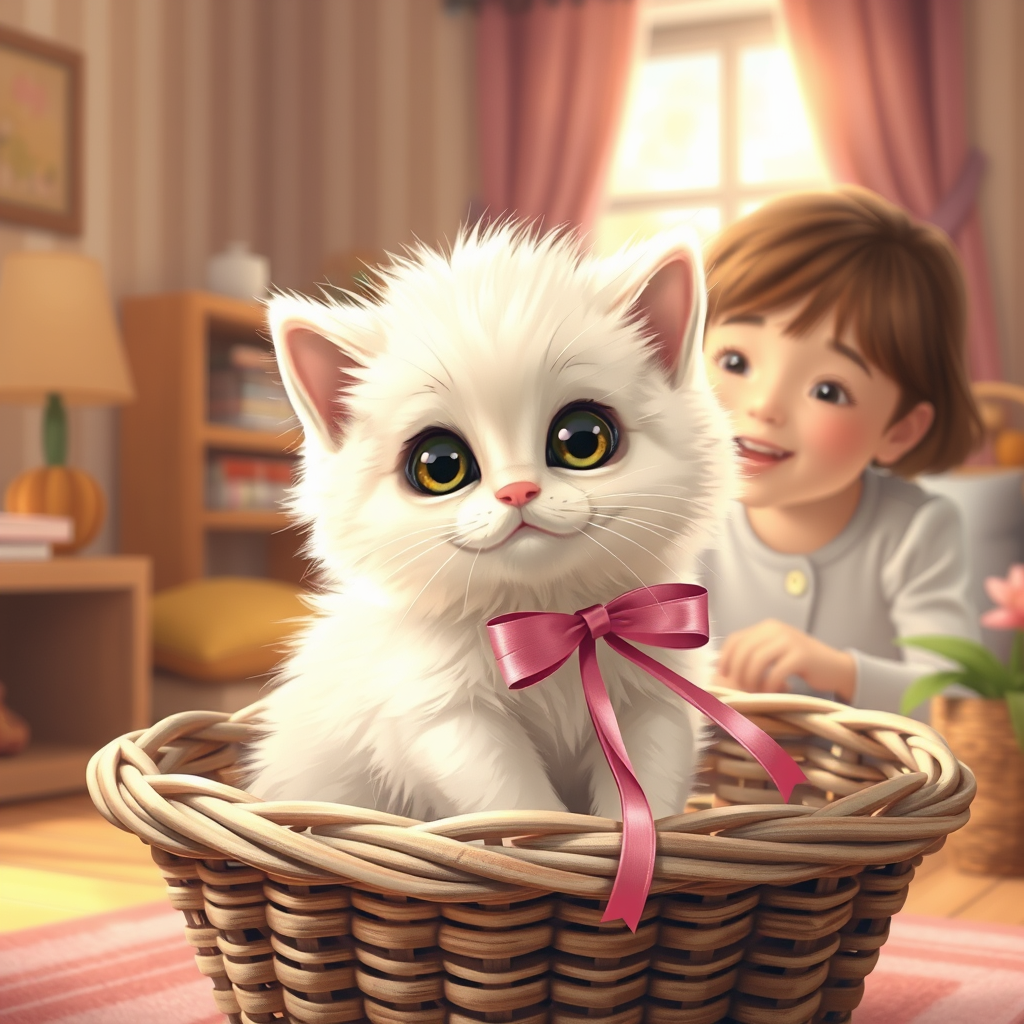
very pretty and nice to look at
The little puppy is so cute.
More examples: She wore a cute dress to the party. • That is a cute idea! • My baby cousin is really cute.
Common collocations: a cute baby, look cute, so cute
Word family: cutely, cuteness
Synonyms: pretty, sweet, lovely
Antonyms: ugly, scary
Related concepts: babies, animals, fashion
Contexts: talking about pets, shopping for clothes, describing children
Usage note: Use for small, pretty, or sweet things: animals, babies, clothes, objects. Very common in daily talk.
character
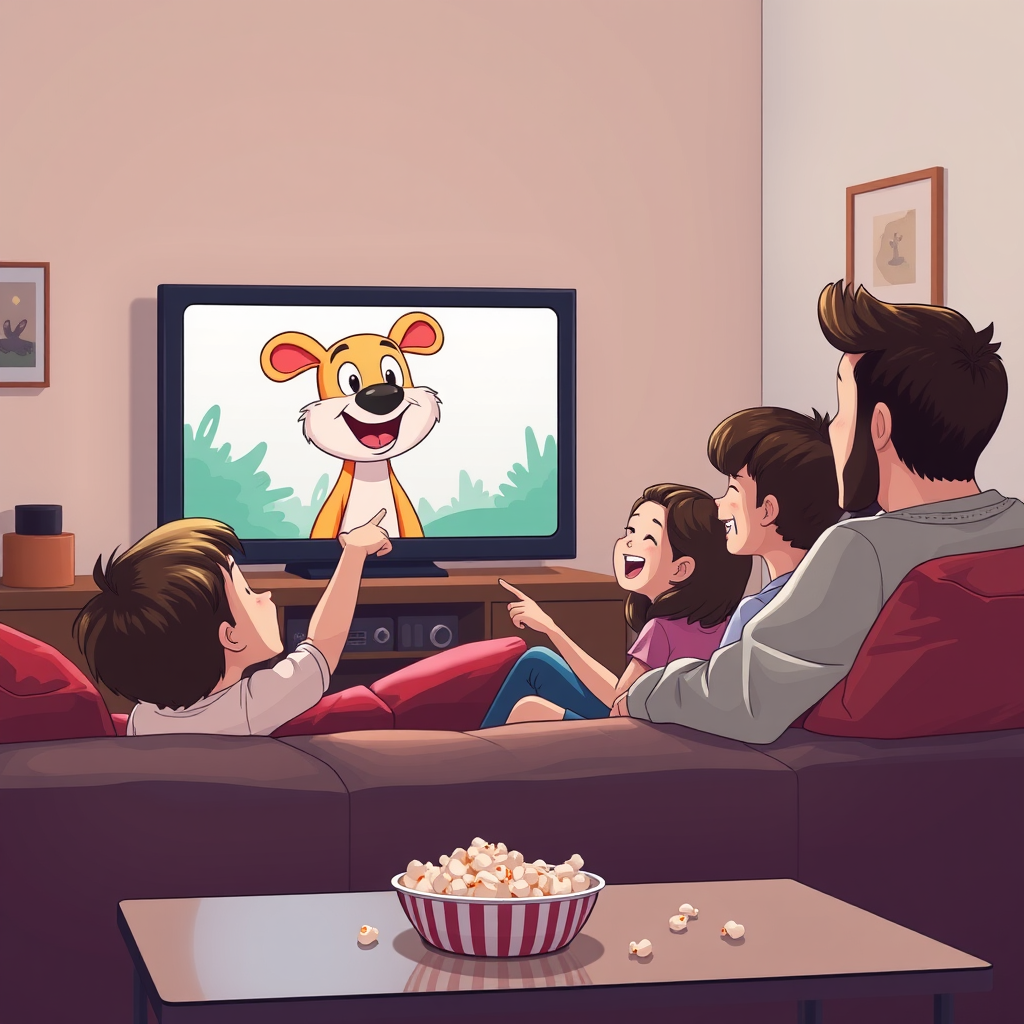
a person or animal in a story, game, or show
Mickey Mouse is a famous character.
More examples: My favorite character in the movie is the dog. • Children love characters from cartoons. • She dressed as a cartoon character for the party.
Common collocations: a famous character, a cartoon character, my favorite character
Word family: characterize
Synonyms: figure, hero, cartoon star
Antonyms: real person
Related concepts: cartoons, movies, stories
Contexts: watching films, playing games, talking about books
Usage note: Use for people or animals in stories, films, cartoons, and games.
collect

to keep many of the same things because you like them
I collect stamps from different countries.
More examples: My uncle collects old coins. • She collects small toys from shops. • They collect football cards together.
Common collocations: collect stamps, a big collection, start collecting
Word family: collection, collector
Synonyms: gather, keep, save up
Antonyms: throw away, give away
Related concepts: hobbies, stamps, toys
Contexts: talking about free time, shops and markets, family hobbies
Usage note: Use for hobbies where you keep and grow a group of similar things.
popular
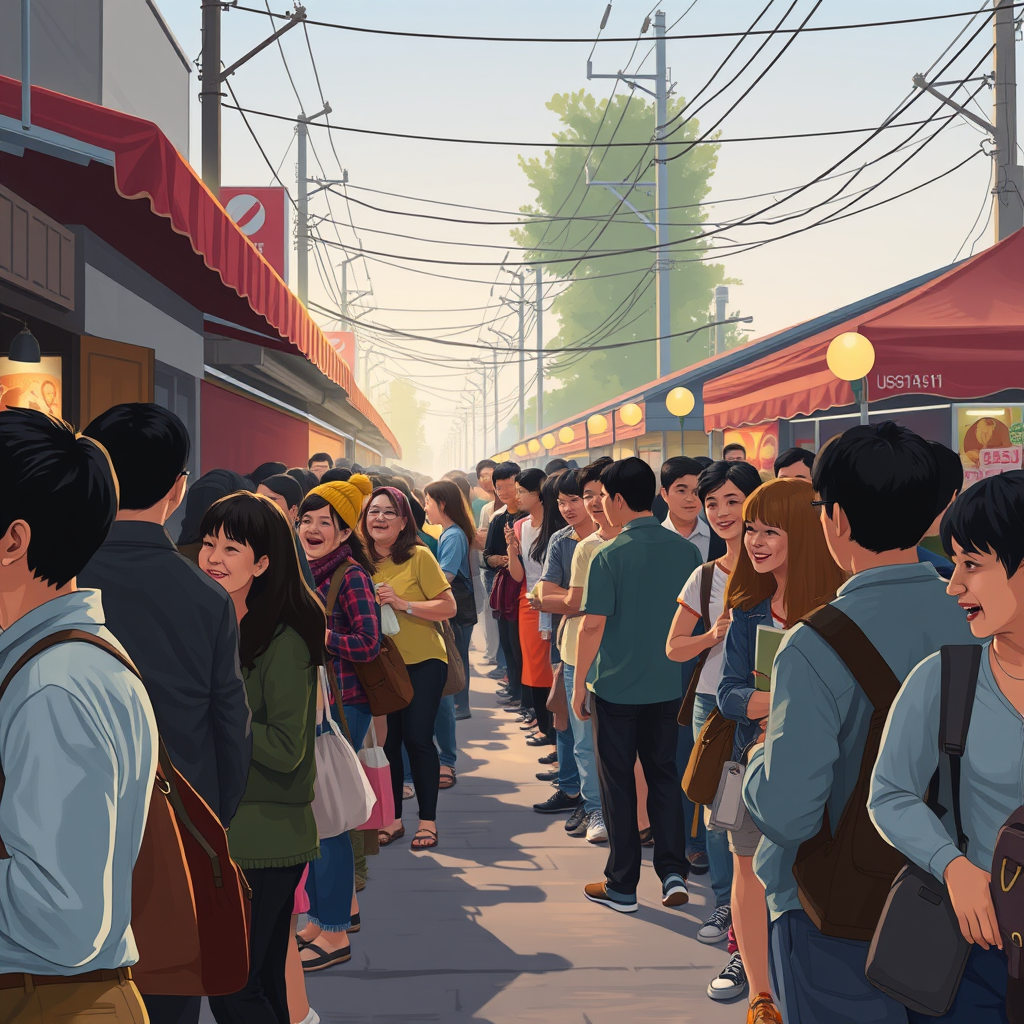
liked or enjoyed by many people
Pizza is popular in many countries.
More examples: This song is very popular right now. • That cafe is popular with students. • Blue is a popular color for cars.
Common collocations: very popular, popular with children, become popular
Word family: popularity, populist
Synonyms: well-known, loved, famous
Antonyms: unpopular, unknown
Related concepts: fashion, trends, fame
Contexts: talking about food, music and films, brands
Usage note: Use for things many people like: food, songs, places, brands.
design
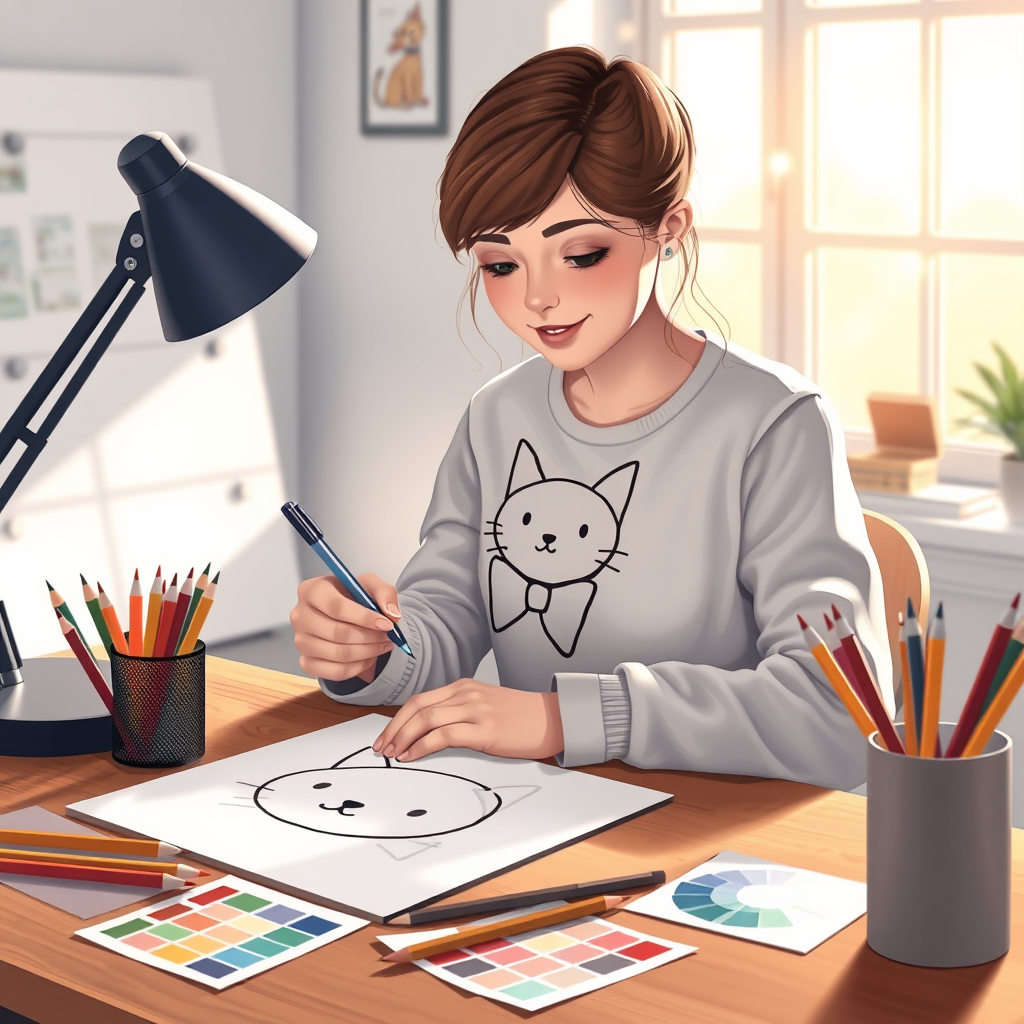
the way something looks or is planned
I like the design of this phone.
More examples: The design of the bag is simple but nice. • This chair has a modern design. • She studies design at school.
Common collocations: a simple design, modern design, good design
Word family: designer, design (verb)
Synonyms: style, look, plan
Antonyms: mess, randomness
Related concepts: art, fashion, logos
Contexts: shopping, talking about clothes, art class
Usage note: Use for the look and plan of objects, clothes, buildings, and logos.
Vocabulary Check
- What does 'cute' mean?
- Very big and strong
- Very pretty and nice to look at
- Very old
- Very expensive
- Which sentence uses 'collect' correctly?
- I collect my homework every day at school.
- She collects small toys from different shops.
- He collects the bus to work.
- They collect dinner at eight o'clock.
- In which situation would you use the word 'character'?
- When you talk about a cartoon animal in a movie
- When you talk about the weather
- When you buy fruit at the market
- When you drive a car
- What does 'popular' mean?
- Liked by many people
- Very cheap
- Made in Japan
- Very new
- Which sentence uses 'design' correctly?
- I design my breakfast with milk.
- The design of this bag is simple and nice.
- She designs the bus every morning.
- We design the rain yesterday.
Language Practice: Talking About Cute Things
Practice expressing ideas about cute things, characters, and hobbies.
- Describing things you like
- Emerging: I like ___. It is ___. — I like this cat. It is cute.
- Developing: I like ___ because it is very ___. — I like Hello Kitty because she is very cute.
- Expanding: I really like ___ because it is ___ and it makes me feel ___. — I really like Hello Kitty because she is cute and she makes me feel happy.
- Comparing things
- Emerging: ___ is cuter than ___. — This cat is cuter than that dog.
- Developing: I think ___ is more ___ than ___. — I think this design is more popular than that one.
- Expanding: For me, ___ is ___ than ___ because ___. — For me, this design is better than that one because it is simple.
- Talking about hobbies and collections
- Emerging: I collect ___. — I collect stamps.
- Developing: I collect ___. I started ___ years ago. — I collect stamps. I started three years ago.
- Expanding: I collect ___ because ___. My favorite one is ___ and it is ___ years old. — I collect small toys because they are cute. My favorite one is a pink cat and it is five years old.
Fill in the Blanks
My friend Anna loves cute things. Her favorite _____ is a small white cat from a cartoon. Anna started to _____ toys of this cat two years ago. Now she has thirty items, and her _____ on each toy is simple and sweet. The cat is very _____ in her country, so shops sell many things with its face. Anna says the toys are so _____ that she cannot stop buying them.
Word bank: cute, character, collect, popular, design
Sentence Unscramble
- My / sister / collects / cute / small / toys / from / different / shops
- This / cartoon / character / is / very / popular / with / children
- I / like / the / simple / design / of / this / bag
Discussion Questions
Hello Kitty is a cute character with a simple design. Many people around the world love her, but some people think she is just for children. Cute things are everywhere: on phones, bags, and clothes.
Do you like cute things, like Hello Kitty? Why or why not?
Maria collects Hello Kitty items and has more than one hundred. Many people collect something: stamps, coins, toys, or photos. Collections often start small and grow over years.
Do you collect anything, or did you collect something in the past? Tell me about it.
Some cartoon characters are popular for fifty years, like Hello Kitty and Mickey Mouse. New characters appear every year, but only a few stay famous for a long time.
Which cartoon character or story character do you like most? Why do you like it?
The design of Hello Kitty is very simple: a round face, small eyes, and a red bow. Designers say simple designs are easy to remember. Some products have very colorful designs, and some are very plain.
Do you like simple designs or colorful designs more? Why?
In Japan, cute things are popular everywhere: trains, food, and shops use cute designs. Some countries love cute styles, and others prefer cool or serious styles. Fashion is different around the world.
Is 'cute' style popular in your country? Where do you see it?
Knowledge Check
- Your friend keeps many small toys because she loves them. What is her hobby?
- She designs toys.
- She collects toys.
- She sells toys.
- She draws toys.
- A 'character' is usually...
- a kind of food
- a person or animal in a story
- a color
- a place in a city
- True or false: If something is 'popular', many people like it.
- True
- False
- Which one talks about 'design'?
- The soup tastes good.
- The bag has a simple, pretty look.
- The bus comes at eight.
- My brother is tall.
- True or false: 'Cute' means big and scary.
- True
- False
Free to use with your students: Free to teach, screen-share, print and share with your students, with a credit to PlanWise ESL. Please do not sell it or republish it as your own. What you can do with free lessons.