Screens, Kids and Short Attention Spans
About this lesson: This is a B2 (Upper Intermediate) ESL lesson in the General English category. It takes about 60 minutes. It includes 5 vocabulary words, 4 idioms and phrasal verbs, a reading text, comprehension questions, discussion questions and speaking patterns. Suits one-to-one or small-group online classes. Free to open and teach with no login, and it prints as a PDF.
Print just the discussion questions
How this lesson is built
This is a complete conversation lesson built on a scientific pedagogical formula, not a generic worksheet: recall prior topic vocabulary, pre-teach the new words in depth, read in context, practise active recall with flashcards and synonyms/antonyms, build accuracy with exercises, and finish with deep discussion.
- Warm-up: Discussion questions that connect the topic to the student’s own life and recall vocabulary they already know about the subject.
- Reading: A text written for this CEFR level that uses each new word two or three times in context, giving the student something meaningful to react to.
- Key vocabulary: 5 new words, pre-taught before the reading with a definition, pronunciation guide, example sentences and a picture, plus word families, usage notes, recall flashcards and synonyms/antonyms, giving a solid grounding before reading.
- Comprehension: 5 questions that check the new words: retrieval practice, not rereading.
- Idioms and phrasal verbs: Expressions taken from the reading, each with its meaning, an example and a speaking question.
- Sentence frames: 3 speaking patterns, each at three levels of support (emerging, developing, expanding) with model answers—especially helpful scaffolding for beginners and less confident speakers.
- Gap-fill: The new words again, in a shuffled order, so the student recalls them by meaning in context.
- Sentence unscramble: Natural sentences with the new words to put back in order, reinforcing grammar and collocation.
- Discussion: 5 open questions designed to talk deeply about the subject while actively using the lesson’s target vocabulary: the heart of a conversation lesson.
- Quiz: A short retrieval check that brings every new word back once more.
Unlike a generic worksheet, the new words are taught before the reading and met again in the activities, the speaking is supported at three levels and most of the time goes on the student talking. Teachers who use PlanWise ESL also get per-student vocabulary tracking (recycling earlier words into future readings and questions), a private learner dashboard with flashcards and custom lesson creation, and a downloadable study PDF.
Warm-up: Your Screen Habits
Look at the questions and talk about your own habits with phones, tablets and screens.
- How many hours a day do you think you spend looking at a screen?
- What's the first thing you do when you wake up in the morning?
- Do you find it easy to put your phone down and do something else?
- When you were a child, what did you do in your free time?
- Do you think children today have a longer or shorter attention span than you did?
Reading Text: Growing Up With a Screen in Hand
Read this short article about children and screens. As you read, think about whether you agree with it.
Maya is a teacher in a busy city school. She says that in the last ten years, her students have changed. 'They get distracted much more easily now,' she explains. 'Ten minutes into a lesson, half the class is thinking about their phones. I have to work harder than ever to stimulate their interest.'
Not everyone agrees that screens are the problem. Some researchers say children today simply learn in a different way. They can switch between tasks quickly, and they process a lot of information at once. The problem, they argue, is that schools still teach the way they did fifty years ago.
Parents, however, often feel overwhelmed. Many say they don't know how to control their children's screen time. One mother described taking away her son's tablet and then dealing with two hours of crying. 'In the end, I gave it back,' she admits. 'I just didn't have the willpower to keep going.'
There is also the question of design. Apps and games are made by teams of experts whose job is to keep people watching. They are deliberately addictive, especially for young brains. Critics say it is unfair to blame parents when billion-dollar companies design products to hook children.
So where does this leave families? Most experts now suggest a middle path: clear rules, screen-free meals, and plenty of outdoor play. The goal is not to remove screens completely, but to help children build habits they can keep for life. As Maya puts it, 'Screens aren't going anywhere. We just need to be smarter about them.'
Key Vocabulary
distracted
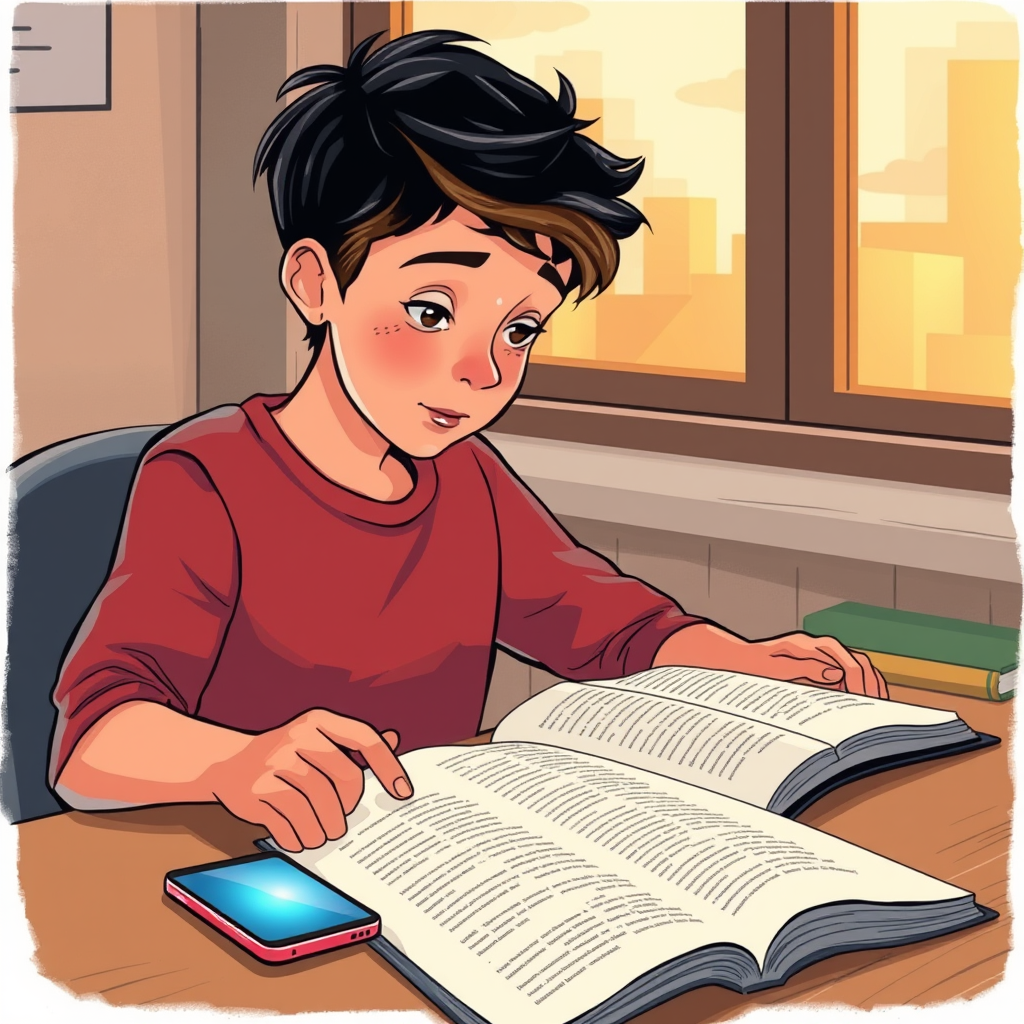
unable to concentrate because something else is taking your attention
I was so distracted by my phone that I burned the dinner.
More examples: The students seemed distracted during the online lesson. • Sorry, I'm a bit distracted today — I have a lot on my mind. • I get distracted every time my phone buzzes.
Common collocations: easily distracted, get distracted by, seem distracted
Word family: distract (verb), distraction (noun), distracting (adjective)
Synonyms: unfocused, absent-minded, inattentive
Antonyms: focused, concentrating
Related concepts: attention span, concentration, multitasking
Contexts: studying, work meetings, driving
Usage note: Usually describes a person's state. Use 'distracting' for things that cause distraction: 'My phone is distracting.'
stimulate
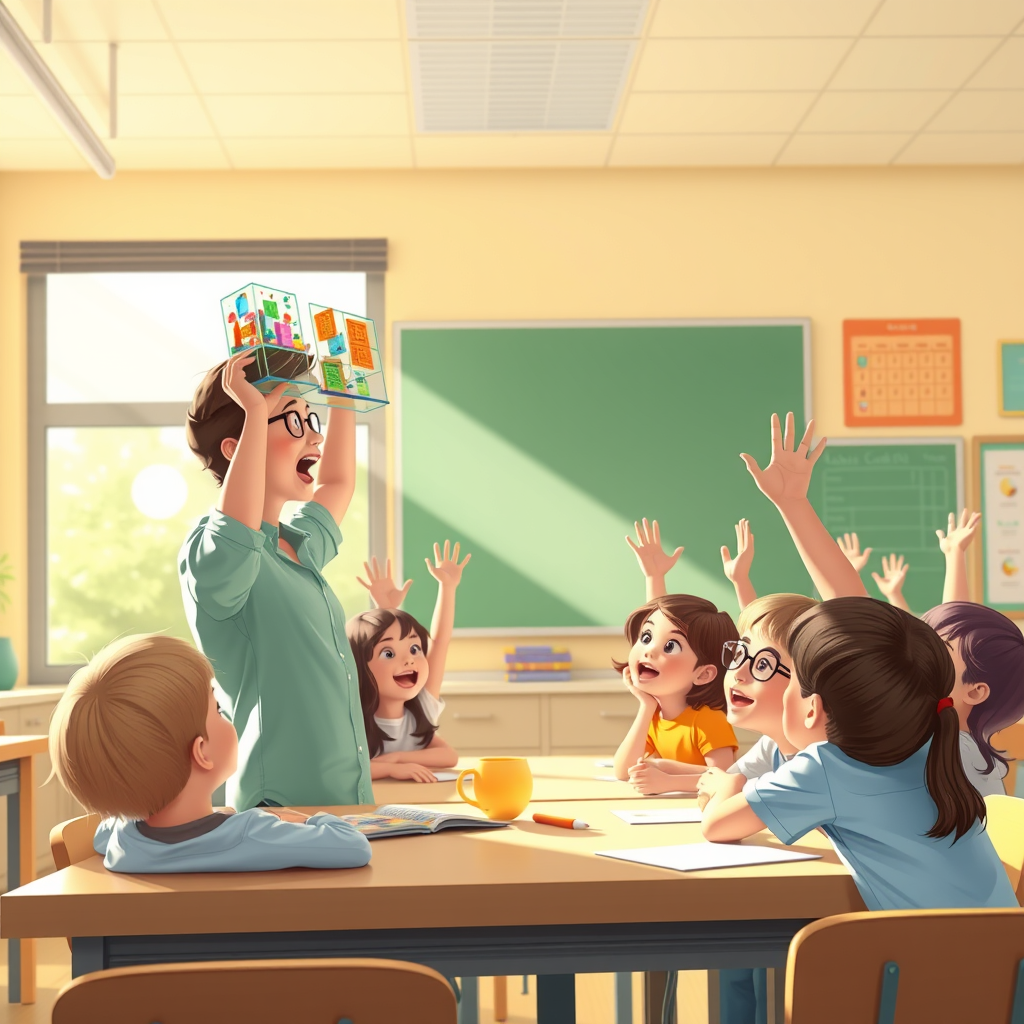
to make someone interested, active or excited to learn or do something
Good teachers find ways to stimulate children's curiosity.
More examples: Puzzles stimulate the brain and improve memory. • The debate stimulated a lot of discussion in class. • Travel can stimulate new ideas.
Common collocations: stimulate interest, stimulate the brain, stimulate discussion
Word family: stimulating (adjective), stimulation (noun), stimulus (noun)
Synonyms: inspire, spark, encourage
Antonyms: bore, dull
Related concepts: curiosity, learning, motivation
Contexts: education, child development, science
Usage note: Often used with the brain, the mind, interest, growth or the economy. The adjective 'stimulating' is very common in conversation: 'a stimulating conversation'.
overwhelmed
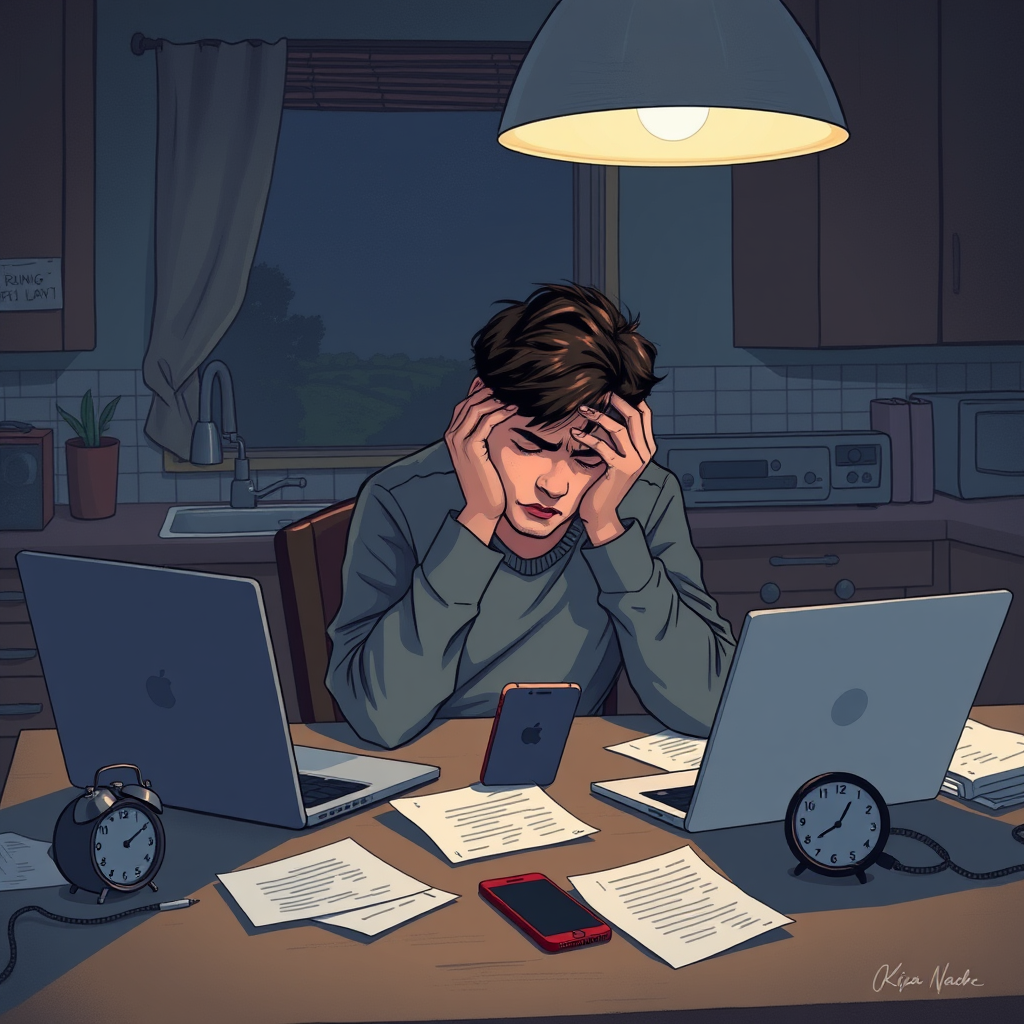
feeling you cannot deal with something because it is too much
New parents often feel overwhelmed by all the advice they get.
More examples: I felt overwhelmed by the number of emails in my inbox. • She gets overwhelmed when too many things happen at once. • Don't take on everything at once — you'll feel overwhelmed.
Common collocations: feel overwhelmed, overwhelmed by, easily overwhelmed
Word family: overwhelm (verb), overwhelming (adjective)
Synonyms: overloaded, stressed, swamped
Antonyms: calm, in control
Related concepts: stress, pressure, burnout
Contexts: work, parenting, studying
Usage note: Almost always about feelings. Use 'overwhelming' for the cause: 'The response was overwhelming.'
willpower
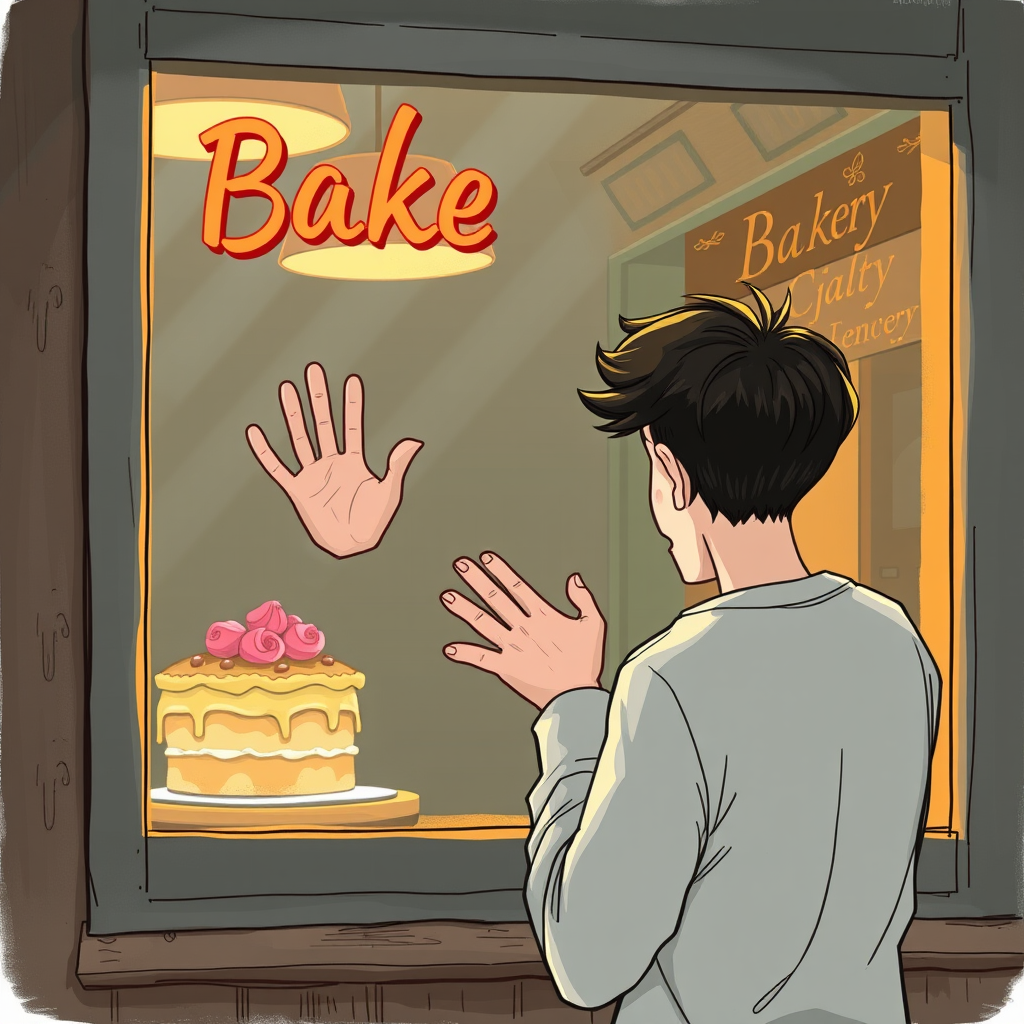
the ability to control yourself and resist temptation
I don't have the willpower to stop after just one chocolate.
More examples: It takes real willpower to give up sugar. • He showed great willpower and finished the course. • My willpower disappears when I'm tired.
Common collocations: lack willpower, test your willpower, run out of willpower
Word family: will (noun), strong-willed (adjective)
Synonyms: self-control, discipline, restraint
Antonyms: weakness, temptation
Related concepts: habits, temptation, resolutions
Contexts: diets, screen time, shopping
Usage note: Uncountable. Often used with 'have', 'lack' or 'need'. Very common in conversations about diets, phones and habits.
addictive
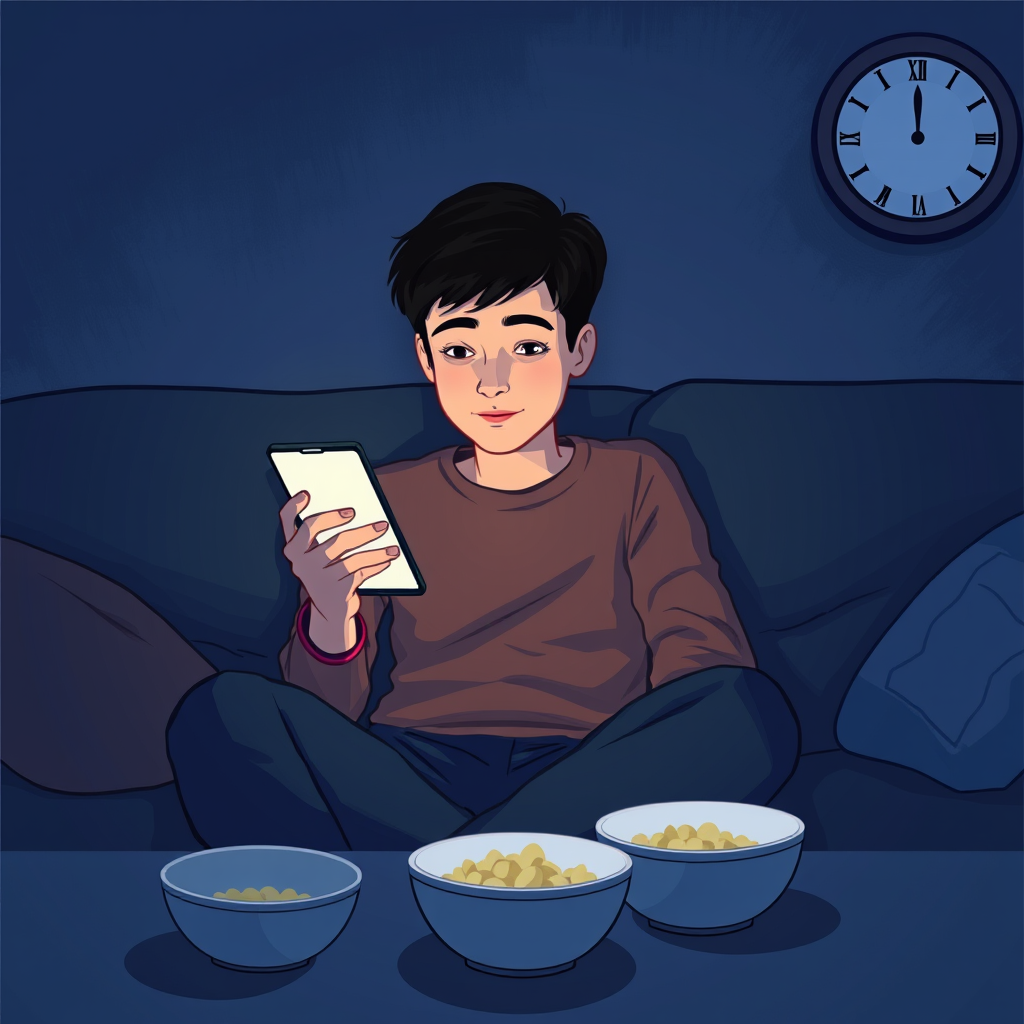
something you want to keep doing and find hard to stop
Short videos are designed to be addictive — you watch one, then another, then another.
More examples: That mobile game is really addictive. • Coffee is mildly addictive for many people. • The show is so addictive I watched three seasons in a weekend.
Common collocations: highly addictive, addictive design, become addictive
Word family: addict (noun), addiction (noun), addicted (adjective)
Synonyms: compulsive, habit-forming, hooking
Antonyms: boring, easy to put down
Related concepts: apps, gaming, habits
Contexts: social media, gaming, food
Usage note: Remember the difference: people are addicted TO something; things ARE addictive. Used for games, apps, food and shows, not only serious drugs.
Vocabulary Check
- What does 'distracted' mean?
- Very interested in something
- Unable to concentrate because something takes your attention
- Very tired after a long day
- Angry about something small
- Which sentence uses 'stimulate' correctly?
- The rain stimulated all afternoon.
- She stimulated her umbrella before leaving.
- Puzzles can stimulate the brain and improve memory.
- He stimulated the door quietly.
- In which situation would you say 'I feel overwhelmed'?
- When you have one easy task to do
- When you win a small prize
- When too many things are happening at once and you can't cope
- When you are on holiday with nothing to do
- What does 'willpower' mean?
- Physical strength
- The ability to control yourself and resist temptation
- A strong wish to travel
- Good luck
- Which sentence uses 'addictive' correctly?
- I am very addictive to chocolate.
- This game is so addictive I can't stop playing it.
- He addictive his phone last night.
- The addictive was strong.
Idioms & Phrasal Verbs
hook someone
to make someone like something so much they can't stop
That new series hooked me after one episode — I watched five in a row.
Usage note: You can split it: 'hooked me', 'hooked my brother'. · Right: The game hooked me. · Avoid: The game hooked on me.
Usage note: The picture is a fish caught on a hook — it can't get away.
give in
to stop fighting and finally agree to what someone wants
My nephew asked for a puppy every day for a month, so in the end I gave in.
Usage note: Don't split it: 'gave in', not 'gave it in'. · Right: I gave in and bought it. · Avoid: I gave it in and bought it.
Usage note: 'Give in' often suggests you didn't really want to agree.
switch off
to stop thinking about work or worries and relax
I find it hard to switch off after work — my brain keeps going.
Usage note: Don't split it when the meaning is 'relax': 'switch off', not 'switch it off'.
Usage note: Also the literal meaning: turn off a machine. Context tells you which one.
a losing battle
something you try to stop but can't win
Trying to keep my phone out of the bedroom is a losing battle.
Usage note: The picture is a war you know you will lose, so why keep fighting?
Usage note: Often used with 'it's' or 'fighting': 'It's a losing battle.'
Language Practice: Talking About Screens and Attention
Practice expressing your opinions about screens, children and attention spans.
- Comparing different views
- Emerging: Some people say ___, but I think ___. — Some people say screens are bad for kids, but I think they can be useful.
- Developing: Some people say ___, but I think ___ because ___. — Some people say screens ruin attention spans, but I think the real problem is boring lessons because kids focus fine on things they enjoy.
- Expanding: While some people argue that ___, I believe ___, because in my experience ___. — While some people argue that children today have broken attention spans, I believe they just focus differently, because in my experience kids can concentrate for hours on things they love.
- Weighing pros and cons
- Emerging: The good thing is ___. The bad thing is ___. — The good thing is kids learn fast online. The bad thing is they play too much.
- Developing: On the one hand, ___, but on the other hand, ___. — On the one hand, screens help children learn, but on the other hand, they can make kids distracted.
- Expanding: On the one hand, ___ could ___, which is great for ___. On the other hand, it might ___, especially if ___. — On the one hand, tablets could stimulate creativity through drawing apps, which is great for young kids. On the other hand, they might reduce outdoor play, especially if parents use them as babysitters.
- Imagining situations and hypotheticals
- Emerging: If I had a child, I would ___. — If I had a child, I would limit screen time to one hour.
- Developing: If I had a child, I would ___ so that ___. — If I had a child, I would allow games on weekends so that they had something to look forward to.
- Expanding: If I were a parent, I would probably ___ as long as ___, because otherwise ___. — If I were a parent, I would probably allow some screen time as long as homework was done first, because otherwise they would fight about it every day.
Fill in the Blanks
Last month, my sister asked me for advice about her eight-year-old son. She felt completely _____ because he played video games from morning until night. The games are clearly _____ — the companies design them that way on purpose. She tried taking the tablet away, but she didn't have the _____ to deal with the crying, so she always gave in. At school, his teacher says he gets _____ after five minutes of any lesson. My advice was simple: find activities that _____ his curiosity in the real world, like sports or building things, and keep the rules consistent. Two weeks later, she says it's going much better.
Word bank: distracted, stimulate, overwhelmed, willpower, addictive
Sentence Unscramble
- my / phone / makes / me / so / distracted / that / I / forget / things
- these / games / are / designed / to / be / addictive
- she / didn't / have / the / willpower / to / say / no
Discussion Questions
Think about your own day. Most of us check our phones dozens of times without noticing. Some people say this has made everyone more distracted than before. Others say we were always easily distracted — phones just give us something new to be distracted by.
Do you think your attention span has got shorter because of screens? What do you do about it?
In the reading, a mother tried to take away her son's tablet but gave up after two hours of crying. Many parents face this exact situation. Some believe strict rules are the answer; others think children should learn to manage screens themselves.
If you were a parent, would you set strict screen time rules for your children? Why or why not?
The reading mentions that apps and games are deliberately designed to be addictive, with teams of experts working to keep us scrolling. Some countries have even made laws about this. Others say adults should take responsibility for their own choices.
Do you think tech companies are to blame for addictive apps, or is it a personal choice? Where should the line be?
Some teachers say schools need to change because students today learn differently. Others say the problem isn't school — it's that children need more practice concentrating without constant stimulation. Both sides make fair points.
Do you think schools should teach children how to concentrate, the way they teach math or reading? What would that look like?
Imagine you could design the perfect rule for screen use in a family with a ten-year-old. You can decide when, where, how long, and what they can watch. There's no single right answer — families in different countries do this very differently.
What would your rule be, and how would you make sure the child actually follows it?
Knowledge Check
- Which word describes a person who cannot concentrate because something is taking their attention?
- Addictive
- Overwhelming
- Distracted
- Stimulating
- True or false: 'willpower' is countable, so you can say 'three willpowers'.
- True
- False
- Which sentence is correct?
- I am very addictive to social media.
- Social media is very addictive.
- Social media is very addicted.
- I am addiction to social media.
- If a teacher 'stimulates' students' interest, what does the teacher do?
- Makes them bored
- Makes them interested and active
- Gives them a test
- Tells them to be quiet
- True or false: 'overwhelming' describes the feeling, and 'overwhelmed' describes the thing that causes it.
- True
- False
- If someone says 'Trying to get my kids off YouTube is a losing battle', what do they mean?
- They have won the fight against YouTube.
- They keep trying, but they can't win.
- They have stopped trying and are happy now.
- They think YouTube is dangerous.
Free to use with your students: Free to teach, screen-share, print and share with your students, with a credit to PlanWise ESL. Please do not sell it or republish it as your own. What you can do with free lessons.