When Projects Grow Too Big: Scope Creep and Deadlines
About this lesson: This is a B2 (Upper Intermediate) ESL lesson in the Business English category. It takes about 60 minutes. It includes 5 vocabulary words, 4 idioms and phrasal verbs, a reading text, comprehension questions, discussion questions and speaking patterns. Suits one-to-one or small-group online classes. Free to open and teach with no login, and it prints as a PDF.
Print just the discussion questions
How this lesson is built
This is a complete conversation lesson built on a scientific pedagogical formula, not a generic worksheet: recall prior topic vocabulary, pre-teach the new words in depth, read in context, practise active recall with flashcards and synonyms/antonyms, build accuracy with exercises, and finish with deep discussion.
- Warm-up: Discussion questions that connect the topic to the student’s own life and recall vocabulary they already know about the subject.
- Reading: A text written for this CEFR level that uses each new word two or three times in context, giving the student something meaningful to react to.
- Key vocabulary: 5 new words, pre-taught before the reading with a definition, pronunciation guide, example sentences and a picture, plus word families, usage notes, recall flashcards and synonyms/antonyms, giving a solid grounding before reading.
- Comprehension: 5 questions that check the new words: retrieval practice, not rereading.
- Idioms and phrasal verbs: Expressions taken from the reading, each with its meaning, an example and a speaking question.
- Sentence frames: 3 speaking patterns, each at three levels of support (emerging, developing, expanding) with model answers—especially helpful scaffolding for beginners and less confident speakers.
- Gap-fill: The new words again, in a shuffled order, so the student recalls them by meaning in context.
- Sentence unscramble: Natural sentences with the new words to put back in order, reinforcing grammar and collocation.
- Discussion: 5 open questions designed to talk deeply about the subject while actively using the lesson’s target vocabulary: the heart of a conversation lesson.
- Quiz: A short retrieval check that brings every new word back once more.
Unlike a generic worksheet, the new words are taught before the reading and met again in the activities, the speaking is supported at three levels and most of the time goes on the student talking. Teachers who use PlanWise ESL also get per-student vocabulary tracking (recycling earlier words into future readings and questions), a private learner dashboard with flashcards and custom lesson creation, and a downloadable study PDF.
Warm-up Activity
Look at the picture and think about a time when a small task quietly became a huge one. Share your story with your teacher.
- Have you ever started something small that turned into a much bigger job? What happened?
- When you have too much work and not enough time, how do you feel? What do you do?
- Do you think it's better to say yes to everything, or to push back sometimes? Why?
- Who decides what 'finished' looks like where you work or study? Is it clear?
- If a client kept asking for 'one more little thing', what would you say to them?
Reading Text: The App That Never Shipped
A short story about a software team whose simple project slowly grew out of control. As you read, notice the five key words.
When Marta's team started building a new app for a client, the plan looked simple: three months, five people, one clear goal. The first milestone — a working version with the basic features — was set for the end of month one. Everyone felt confident. The client was friendly, the team was experienced, and the deadline seemed comfortable.
Then the client's emails began to arrive. Could the app also send notifications? Could it connect to their older system? Each request sounded small, and the team kept saying yes. Nobody wanted to seem unhelpful. But slowly, the workload grew, and the developers started staying late. The project's scope had quietly doubled.
By month two, the team had to make a hard trade-off: either add more features or finish on time. They tried to do both, which is almost never a good idea. Progress began to stall. Meetings became tense, and two developers started looking for other jobs. The once-friendly client now sent messages every morning asking, 'Is it ready yet?'
Marta finally called an honest meeting. She showed the client two lists: everything they had promised at the start, and everything added since. 'Every extra feature pushes the deadline back,' she said. The client was surprised — nobody had explained the cost of all those 'small' changes. They agreed to move three features to a later version.
The app shipped two months late, but it shipped. Marta learned a lesson many project managers know too well: saying yes to everything is often the same as saying no to finishing. Now, every new request gets written down, estimated and discussed before anyone agrees to it. It is not rude — it is professional.
Key Vocabulary
milestone

an important point or stage in a project or in life
Finishing the first version of the app was a big milestone for the team.
More examples: Passing my driving test was a major milestone in my life. • We hit every milestone this quarter — the bosses are happy. • Turning thirty felt like a milestone, so I threw a party.
Common collocations: reach a milestone, hit a milestone, a key milestone
Word family: milestones (plural)
Synonyms: stage, landmark, turning point
Antonyms: setback, starting point
Related concepts: progress, goals, project plan
Contexts: project management, personal achievements, company history
Usage note: Used for important stages in projects, careers, histories and personal life. Often followed by 'in': a milestone in her career.
workload
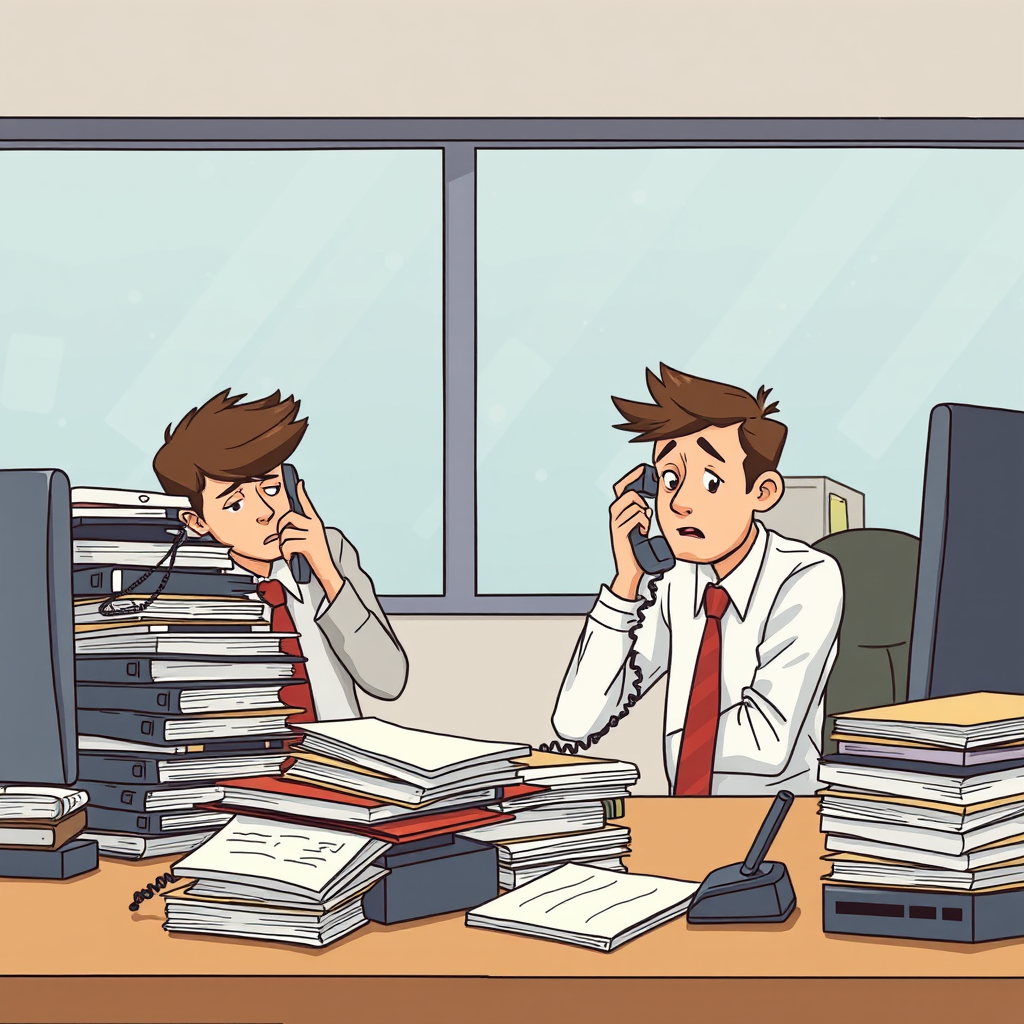
the amount of work a person or team has to do
After the extra requests, the team's workload doubled overnight.
More examples: My workload gets much heavier at the end of the year. • We need to hire someone — the workload is too much for three people. • She manages her workload by doing the hardest tasks first.
Common collocations: a heavy workload, reduce the workload, share the workload
Word family: workloads (plural), load (noun)
Synonyms: workload amount, case load, burden
Antonyms: free time, downtime
Related concepts: stress, burnout, productivity
Contexts: office life, school, hospitals
Usage note: Neutral word, but often used with 'heavy', 'light', 'reduce' or 'manage'. Very common in workplace conversation.
stall
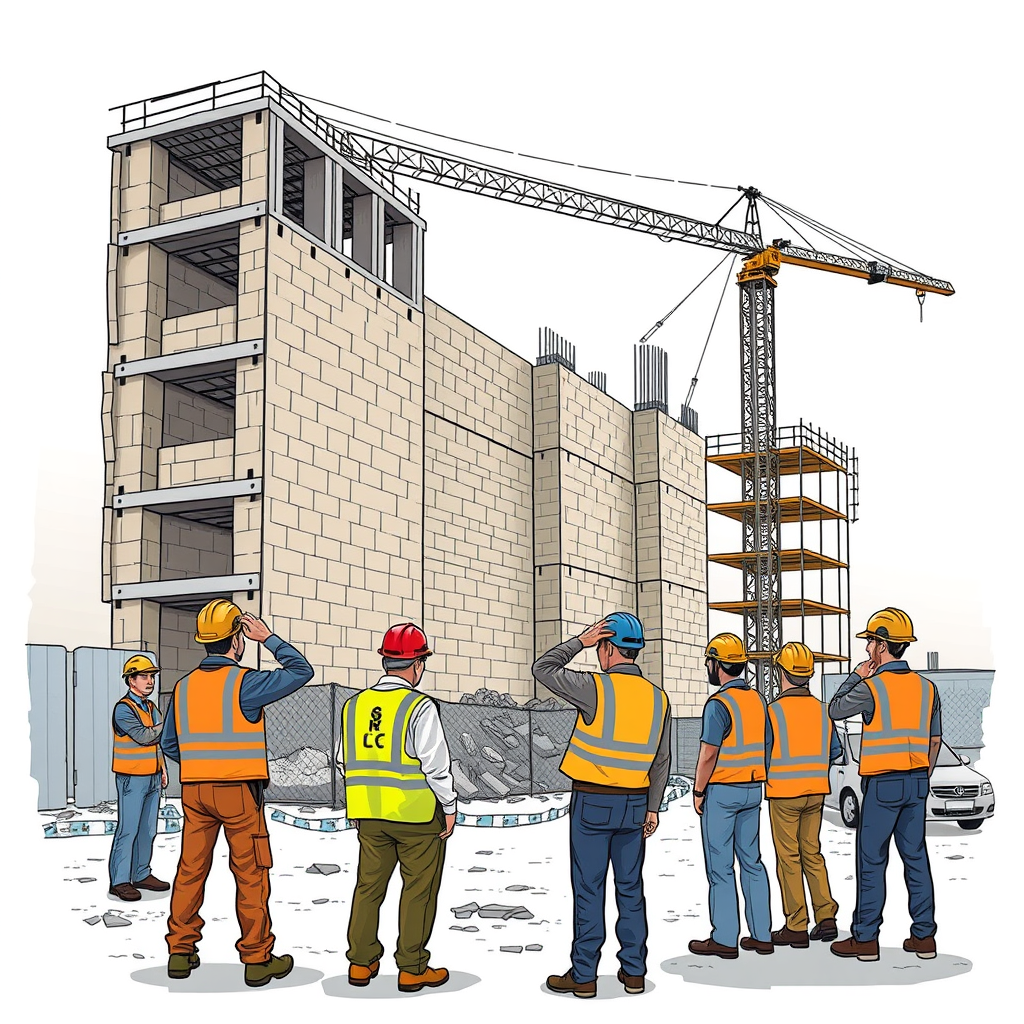
to stop making progress; to delay on purpose
Progress on the project stalled when everyone disagreed about the design.
More examples: Sales stalled after the summer and only picked up in October. • He stalled for time by asking a lot of questions. • The peace talks stalled because neither side would compromise.
Common collocations: progress stalled, stall for time, negotiations stalled
Word family: stalls, stalled, stalling
Synonyms: stop, stagnate, delay
Antonyms: progress, advance, speed up
Related concepts: delays, negotiation, problems
Contexts: projects, business deals, traffic, politics
Usage note: Two uses: (1) something stops moving forward, (2) someone delays on purpose. Both are common in news and work talk.
deadline
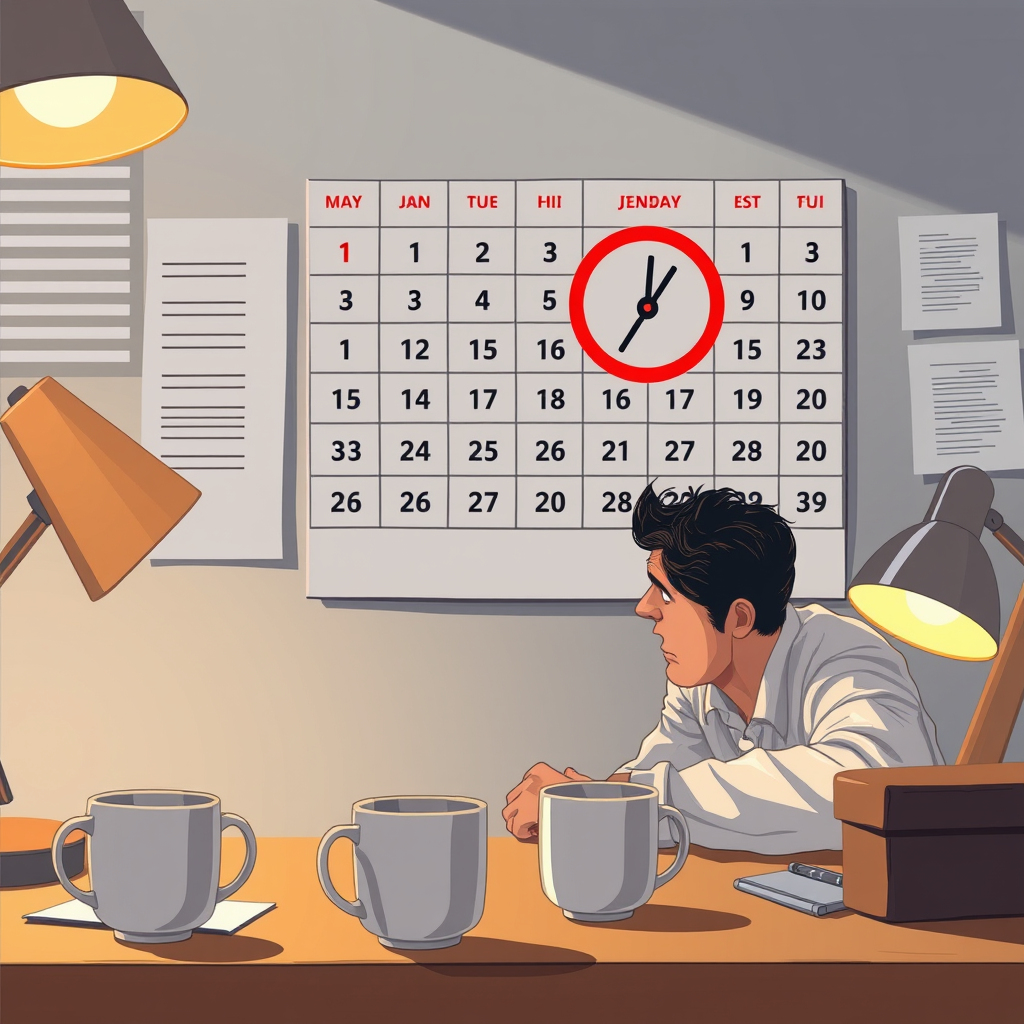
the date or time by which work must be finished
We missed the deadline by two weeks and the client was not pleased.
More examples: The deadline for the report is Friday at noon. • Working to tight deadlines stresses me out, but I get more done. • They moved the deadline twice, which made things worse.
Common collocations: meet a deadline, miss a deadline, a tight deadline
Word family: deadlines (plural)
Synonyms: due date, cut-off, time limit
Antonyms: extension, buffer
Related concepts: pressure, planning, time management
Contexts: work, university, journalism
Usage note: Almost always used with meet, miss, set, push back or tight. Extremely common in work English.
trade-off

a balance where you give up one thing to get another
There's a trade-off between adding features and finishing on time.
More examples: Working from home is a trade-off: comfort, but less contact with colleagues. • Cheap and fast is one trade-off; quality usually costs more. • Every budget involves trade-offs — you can't fund everything.
Common collocations: a trade-off between X and Y, make a trade-off, an obvious trade-off
Word family: trade-offs (plural), to trade off (verb, rare)
Synonyms: compromise, balance, exchange
Antonyms: win-win, best of both worlds
Related concepts: choices, costs and benefits, negotiation
Contexts: business decisions, daily life, economics
Usage note: Use when discussing decisions: speed vs quality, money vs time. Very useful for comparing advantages and disadvantages — a key B2 skill.
Vocabulary Check
- What does 'workload' mean?
- The amount of work someone has to do
- A machine used in offices
- A type of salary payment
- The room where you work
- Which sentence uses 'stall' correctly?
- The negotiations stalled because neither side would move.
- She stalled her birthday cake with candles.
- We stalled the office on the fifth floor.
- He stalled a new car yesterday.
- What is a 'trade-off'?
- A type of business contract
- A balance where you give up one thing to get another
- An argument between two colleagues
- A quick sale at a low price
- In which situation would you use the word 'milestone'?
- When your train leaves ten minutes late
- When a project reaches an important stage
- When you forget a meeting
- When you change your email password
- What does 'deadline' mean?
- A line of people waiting for coffee
- A date when a project is cancelled
- The time by which work must be finished
- A long electric cable
Idioms & Phrasal Verbs
push back
to move something to a later time or date
We're behind schedule, so we pushed back the launch to June.
Usage note: You can split it: 'push the meeting back' or 'push back the meeting' are both fine. · Right: push the deadline back · Avoid: push back the deadline to back
Usage note: The small word 'back' gives the idea of moving something into the future.
ship
to finish and release a product to users
The team worked all weekend so the update could ship on Friday.
Usage note: Common in tech talk: 'ship it!' means the product is ready to go out. It comes from sending goods on a ship.
Usage note: You can also say 'get it out the door' with a similar meaning.
stay late
to keep working after normal finishing time
I stayed late last night to finish the report before the meeting.
Usage note: Usually no object: you just 'stay late', you don't 'stay late something'.
Usage note: The opposite is 'leave early' or 'knock off early' (informal, mainly British).
draw the line
to set a limit on what you will accept or do
I don't mind helping my colleagues, but I draw the line at doing their whole job.
Usage note: The picture is drawing a line on the ground that you refuse to cross.
Usage note: Common pattern: 'draw the line at something'.
Language Practice: Talking About Projects and Pressure
Practice expressing your ideas about deadlines, work pressure and difficult decisions.
- Weighing up two options (giving pros and cons)
- Emerging: I think ___ is better than ___, because ___. — I think finishing on time is better than adding extra features, because clients get angry.
- Developing: There's a trade-off between ___ and ___. For me, ___ matters more, because ___. — There's a trade-off between speed and quality. For me, quality matters more, because fixing problems later is expensive.
- Expanding: On the one hand, ___; on the other hand, ___. If I had to make a trade-off, I'd choose ___, because ___. — On the one hand, tight deadlines push people to work fast; on the other hand, they cause stress and mistakes. If I had to make a trade-off, I'd choose a slightly later deadline, because a calm team does better work.
- Imagining a difficult situation (conditionals)
- Emerging: If my boss added extra work, I would ___. — If my boss added extra work, I would say I'm too busy.
- Developing: If a client kept adding requests, I would ___ before ___. — If a client kept adding requests, I would write everything down before saying yes.
- Expanding: If I were managing a project and the workload doubled, I would ___ because ___, and I'd also ___ to ___. — If I were managing a project and the workload doubled, I would talk to the client honestly, because hiding problems only makes them worse, and I'd also move some features to a later version to protect the deadline.
- Comparing your view with others'
- Emerging: Some people say ___, but I think ___. — Some people say the customer is always right, but I think that's not always true.
- Developing: Some people say ___, but personally, ___, because ___. — Some people say you should never say no to a client, but personally, I think honest 'no' is better, because false promises destroy trust.
- Expanding: Some people say ___, and I understand why, but in my experience, ___, which is why ___. — Some people say you should always say yes to keep clients happy, and I understand why — clients pay the bills — but in my experience, silent yeses lead to stalled projects, which is why I now discuss every request openly.
Fill in the Blanks
Last year, Ali's team had to build a website in six weeks. The first big _____ was the demo day, when the client would see the first version. Everyone knew it was the most important _____ of the whole project. But then the client kept asking for new things — a new logo, extra pages, a photo gallery — and the team's _____ doubled in one week. Ali tried to make a _____: they could either add the new pages or finish on time. Sadly, they tried to do both, and by week four, work had almost _____ed. In the end, they delivered late but learned a valuable lesson.
Word bank: milestone, workload, stall, deadline, trade-off
Sentence Unscramble
- the / team / hit / its / first / milestone / two / weeks / early
- there's / a / trade-off / between / speed / and / quality
- we / missed / the / deadline / because / the / workload / was / too / heavy
Discussion Questions
Marta's team kept saying yes to every 'small' request, and their project slowly doubled in size. Many people find it hard to refuse, especially a paying client or a friendly boss. Saying no can feel rude, but saying yes to everything has its own price.
Have you ever said yes to something at work or school that you knew was too much? What would you do differently now?
Some companies push their teams with tight deadlines and constant urgency. They believe pressure makes people work faster and care more. Other companies protect their employees' time and accept slower progress as the price of a calm, healthy team.
Do you work better under deadline pressure, or do you prefer a calm schedule? Why?
When a project is late, managers have to choose: cut some features, move the deadline, add more people, or let the team work overtime. Each option costs something — money, quality, trust or free time. There is rarely a perfect answer.
If a project were one month late, which would you choose: fewer features, a new deadline, or overtime? What's the trade-off?
Imagine you are leading a small team. Your client is kind and pays well, but every week they send new ideas: 'Just one more little feature, please.' The workload keeps growing, and your deadline is in six weeks. You don't want to lose the client.
What would you say to this client, and how exactly would you say it?
Some people say deadlines should never move, because a date is a promise. Others say life is unpredictable, and a flexible deadline is more honest than an impossible one. Both sides have strong arguments.
Should deadlines be firm or flexible? Where do you draw the line?
Knowledge Check
- Your team finished the first stage of the project on time. This stage is a...
- workload
- milestone
- trade-off
- stall
- True or false: 'stall' can mean someone delays on purpose to gain time.
- True
- False
- Which collocation is NOT natural?
- meet a deadline
- miss a deadline
- reach a deadline
- a tight deadline
- 'There's a trade-off between price and quality' means...
- Price and quality always improve together
- You can't have the best of both — improving one means losing some of the other
- Quality is always more important than price
- The two things are completely unrelated
- True or false: 'workload' means the same thing as 'deadline'.
- True
- False
- If a manager says, 'We need to push the launch back,' what does she mean?
- The launch will happen earlier than planned.
- The launch will happen later than planned.
- The launch is cancelled completely.
- The launch will happen at the same time.
Free to use with your students: Free to teach, screen-share, print and share with your students, with a credit to PlanWise ESL. Please do not sell it or republish it as your own. What you can do with free lessons.