Photography as a Hobby: Phones, Cameras and Pictures Worth Keeping
About this lesson: This is a B2 (Upper Intermediate) ESL lesson in the General English category. It takes about 60 minutes. It includes 5 vocabulary words, 4 idioms and phrasal verbs, a reading text, comprehension questions, discussion questions and speaking patterns. Suits one-to-one or small-group online classes. Free to open and teach with no login, and it prints as a PDF.
Print just the discussion questions
How this lesson is built
This is a complete conversation lesson built on a scientific pedagogical formula, not a generic worksheet: recall prior topic vocabulary, pre-teach the new words in depth, read in context, practise active recall with flashcards and synonyms/antonyms, build accuracy with exercises, and finish with deep discussion.
- Warm-up: Discussion questions that connect the topic to the student’s own life and recall vocabulary they already know about the subject.
- Reading: A text written for this CEFR level that uses each new word two or three times in context, giving the student something meaningful to react to.
- Key vocabulary: 5 new words, pre-taught before the reading with a definition, pronunciation guide, example sentences and a picture, plus word families, usage notes, recall flashcards and synonyms/antonyms, giving a solid grounding before reading.
- Comprehension: 5 questions that check the new words: retrieval practice, not rereading.
- Idioms and phrasal verbs: Expressions taken from the reading, each with its meaning, an example and a speaking question.
- Sentence frames: 3 speaking patterns, each at three levels of support (emerging, developing, expanding) with model answers—especially helpful scaffolding for beginners and less confident speakers.
- Gap-fill: The new words again, in a shuffled order, so the student recalls them by meaning in context.
- Sentence unscramble: Natural sentences with the new words to put back in order, reinforcing grammar and collocation.
- Discussion: 5 open questions designed to talk deeply about the subject while actively using the lesson’s target vocabulary: the heart of a conversation lesson.
- Quiz: A short retrieval check that brings every new word back once more.
Unlike a generic worksheet, the new words are taught before the reading and met again in the activities, the speaking is supported at three levels and most of the time goes on the student talking. Teachers who use PlanWise ESL also get per-student vocabulary tracking (recycling earlier words into future readings and questions), a private learner dashboard with flashcards and custom lesson creation, and a downloadable study PDF.
Warm-up Activity
Look at the questions and talk about your own photo habits before we start reading.
- How many photos do you think are on your phone right now?
- When did you last take a photo you really loved?
- Do you ever look back at old photos? What do you feel?
- What kind of photos do you take most: people, food, places, or something else?
- If you could only keep ten photos from your whole life, how would you choose?
Reading Text: Why Do We Keep Photos?
A short magazine feature about how photography has changed, and what makes a picture worth keeping.
Most of us carry a camera everywhere now. Our phones have turned photography into something we do without thinking. A quick snapshot of lunch, a friend laughing, a sunset from the bus. Some people say this has made photos less special. Others say it simply means we notice more of everyday life.
Elena, a photographer from Madrid, sees both sides. 'When I started, every photo cost money, so you thought before you pressed the button,' she says. 'Now people take three hundred spontaneous shots at a party and never look at them again. But sometimes the best picture really is the one you never planned.'
So what separates a photo we keep from one we delete? Many photographers point to composition: how the things in the picture are arranged. A photo of a crowded market can feel cluttered and messy, or it can feel full of life. It often depends on where the photographer stood, and what they chose to leave out.
There is another quality that is harder to explain. Some pictures feel timeless. A grandmother laughing in 1970 looks surprisingly like a grandmother laughing today. Fashion changes, phones change, but certain expressions never age. Photos like these stay interesting long after the moment has passed.
Perhaps the answer is simple: a photo is worth keeping when it makes you feel something, even years later. A perfectly composed landscape can leave you cold, while an accidental, blurry photo of your dog can make you smile every time. In the end, memory matters more than technical skill.
Key Vocabulary
snapshot

A quick, informal photo taken without careful planning
She took a quick snapshot of the kids before they ran off.
More examples: The article was just a snapshot of life in the city. • I only have a blurry snapshot from that night. • This old snapshot of my parents always makes me laugh.
Common collocations: take a snapshot, a family snapshot, a quick snapshot of
Word family: snap, snapshots
Synonyms: quick photo, casual shot, snap
Antonyms: professional photo, posed portrait
Related concepts: camera phone, memory, candid photo
Contexts: family albums, social media, travel
Usage note: Countable noun. Also used figuratively: 'a snapshot of daily life' means a brief picture or summary of a situation. Often suggests something casual, not professional.
spontaneous
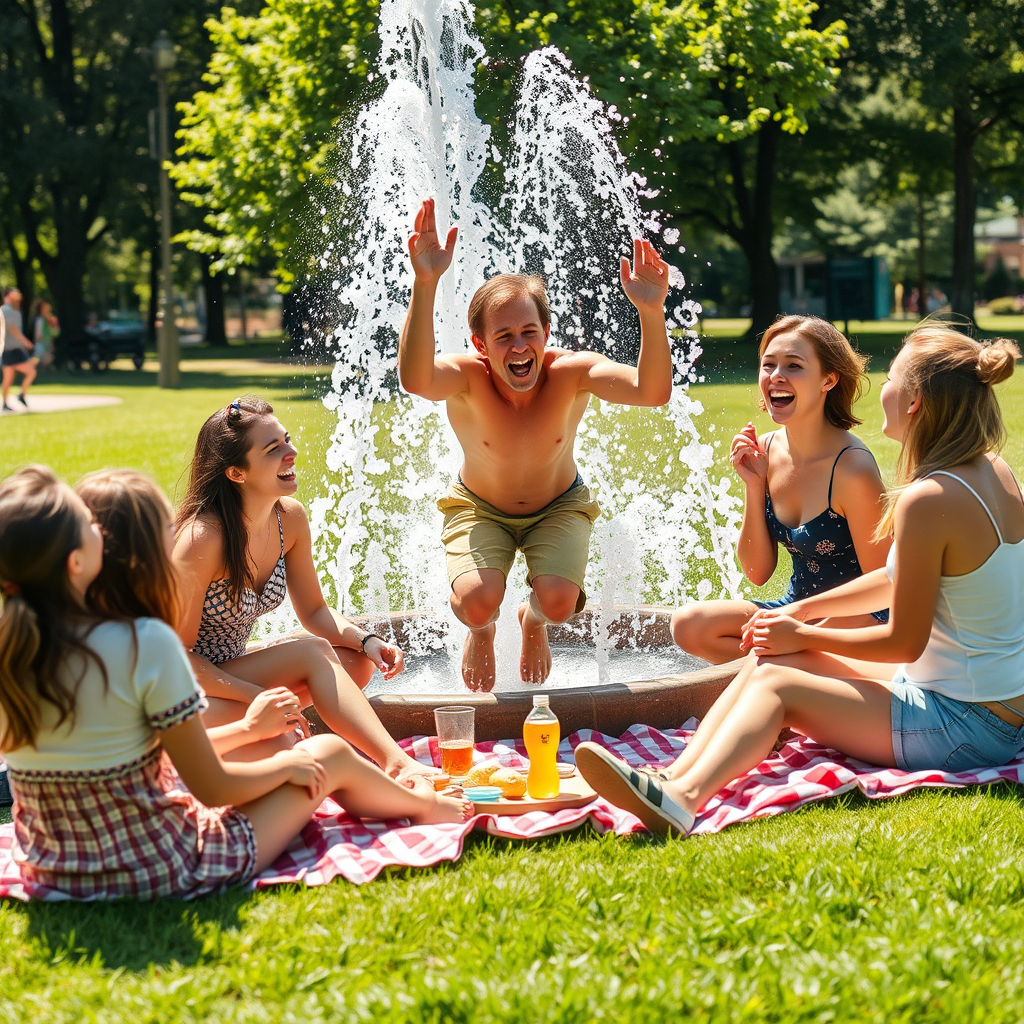
Happening naturally, without planning or thinking first
The best party photos are usually completely spontaneous.
More examples: They made a spontaneous decision to drive to the coast. • She's very spontaneous - she never plans anything. • His laughter was spontaneous; nobody expected the joke.
Common collocations: a spontaneous decision, spontaneous laughter, feel spontaneous
Word family: spontaneously, spontaneity
Synonyms: unplanned, impulsive, natural
Antonyms: planned, rehearsed
Related concepts: surprise, freedom, instinct
Contexts: parties, travel, friendship
Usage note: Usually positive or neutral: it suggests naturalness, not carelessness. Adverb form: 'they left spontaneously' is less common than 'they spontaneously decided'.
composition
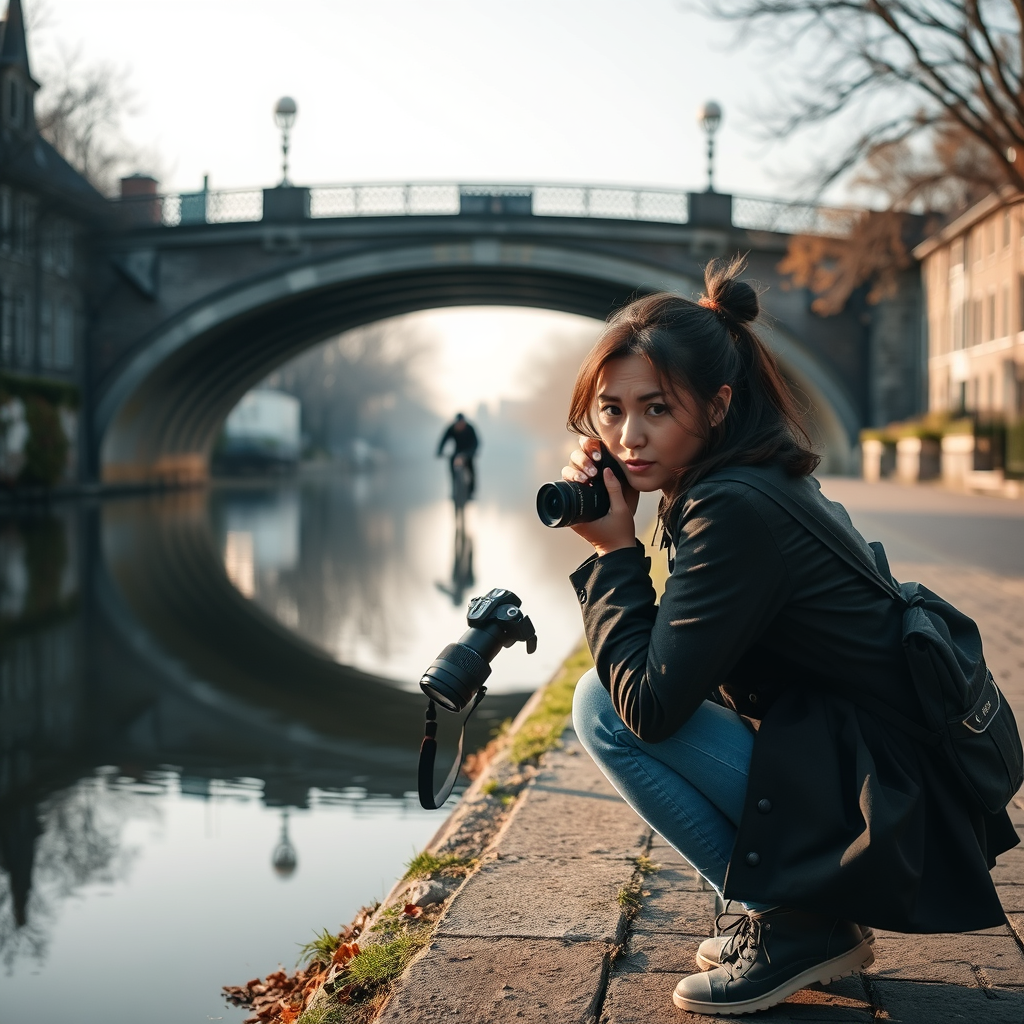
The way things are arranged in a picture or work of art
The photo works because of its composition: everything leads your eye to the child.
More examples: Good composition can make an ordinary street look striking. • Her painting won a prize for its bold composition. • I moved one step left and the composition instantly improved.
Common collocations: good composition, the composition of a photo, poor composition
Word family: compose, composed
Synonyms: arrangement, layout, framing
Antonyms: randomness, disorder
Related concepts: balance, perspective, design
Contexts: photography, painting, music
Usage note: In art and photography it means arrangement of elements. In music, a 'composition' is also a piece someone has written. Related verb: 'compose a photo' means to arrange it deliberately.
cluttered

Full of too many things, in a messy or crowded way
The photo looked cluttered, with wires, signs and people everywhere.
More examples: My desk is so cluttered I can't find anything. • Try a plain background - this shot is far too cluttered. • The website felt cluttered, with too much information on one page.
Common collocations: a cluttered desk, a cluttered background, cluttered with things
Word family: clutter, clutters, declutter
Synonyms: messy, crowded, untidy
Antonyms: tidy, minimal, empty
Related concepts: mess, organisation, minimalism
Contexts: homes, photography, design
Usage note: Describes spaces, pictures, designs or even minds ('a cluttered mind'). Often used as advice: 'declutter your photo background'.
timeless
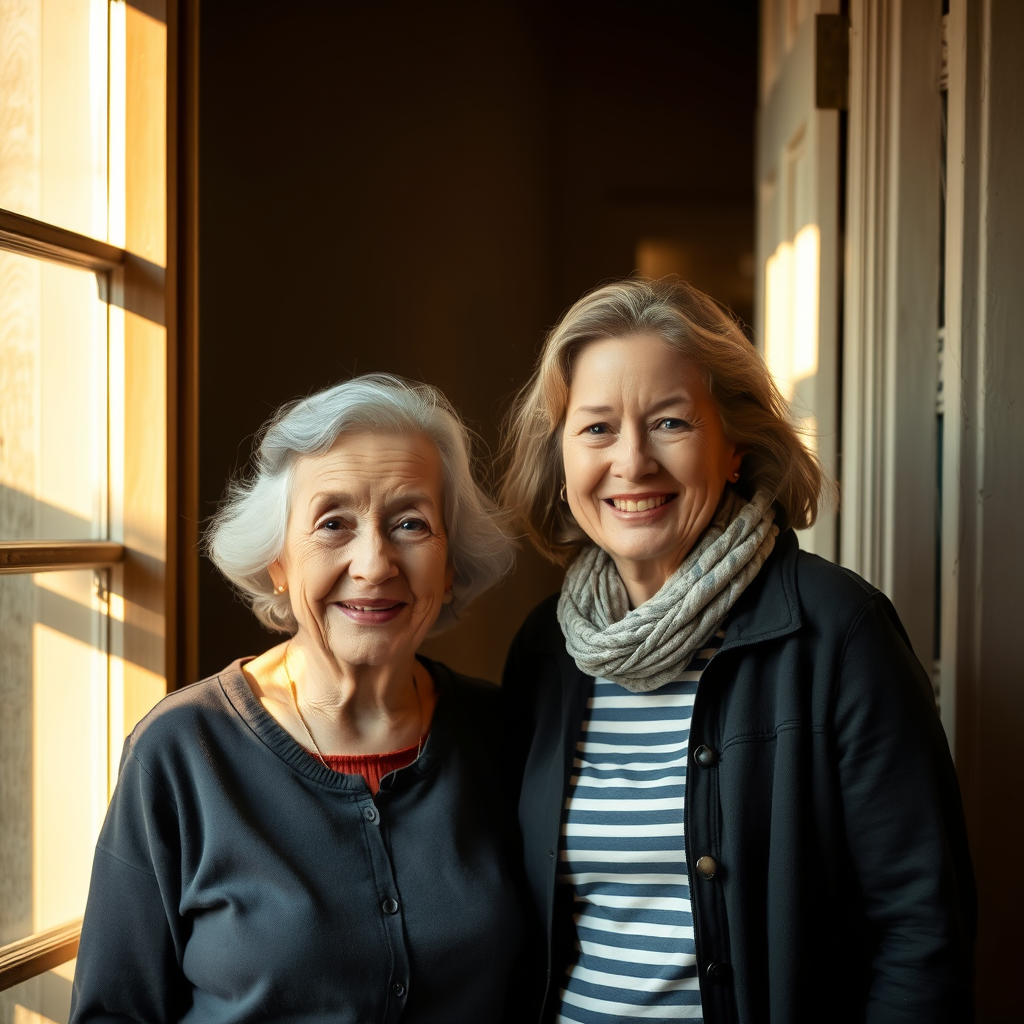
Not looking old-fashioned; staying attractive or interesting over many years
That black-and-white portrait feels timeless, even fifty years later.
More examples: Her style is timeless - she could wear that dress in any decade. • It's a timeless story about family and loss. • A timeless photo doesn't shout the year it was taken.
Common collocations: timeless design, a timeless classic, timeless beauty
Word family: timelessly, timelessness
Synonyms: classic, ageless, enduring
Antonyms: dated, old-fashioned, trendy
Related concepts: style, elegance, tradition
Contexts: fashion, design, photography, music
Usage note: Strongly positive: it praises something for not dating. Common with design, fashion, music and photography. Literally 'without time'.
Vocabulary Check
- What does 'snapshot' mean?
- A professional studio photograph
- A short film clip
- A quick, informal photo taken without much planning
- A written description of a scene
- Which word best completes the sentence? 'We made a ___ decision to stay another night because the view was amazing.'
- spontaneous
- cluttered
- timeless
- composed
- What does 'cluttered' mean in this sentence: 'The background was so cluttered that you couldn't see the bride'?
- Too dark to see clearly
- Full of too many things, crowded and messy
- Very colourful and beautiful
- Far away in the distance
- What does 'composition' mean when people talk about photography?
- The camera's price and quality
- The moment the photo was taken
- The number of people in the photo
- The way the elements in the picture are arranged
- In which situation would you use the word 'timeless'?
- Describing a photo that still looks great after fifty years
- Describing a photo taken at exactly midnight
- Describing a very long photo album
- Describing a photo with no people in it
Idioms & Phrasal Verbs
leave out
to not include something
I leave out most of the food photos when I share my holiday pictures.
Usage note: The 'out' gives the idea of something going outside the picture or the story. You can leave things out of a photo, a story or a report.
point to
to give something as the reason or answer
Experts point to stress as the main reason people sleep badly.
Usage note: No one is really pointing with a finger — it means naming the cause or explanation. Very common in the news: 'Scientists point to climate change.'
leave you cold
to not interest or excite you at all
Everyone loves that film, but it left me cold.
Usage note: The picture behind it: your feelings stay cold and unmoved instead of warm and excited. It usually describes art, music, films and hobbies.
Usage note: Often used with 'can' or 'might': 'That kind of music leaves me cold.'
make the cut
to be good enough to stay or be chosen
I had four hundred wedding photos, and only sixty made the cut.
Usage note: It comes from cutting things off a list or out of a film. If something makes the cut, it survives; the rest is dropped.
Usage note: Common when choosing, shortlisting or editing: 'Ten players made the cut for the final team.'
Language Practice: Talking About Photos
Practise expressing ideas about photography, comparing opinions and imagining choices.
- Comparing different views on photography
- Emerging: Some people say ___, but I think ___. — Some people say phone photos aren't real photography, but I think they are.
- Developing: Some people say ___, but I think ___ because ___. — Some people say phone photos aren't real photography, but I think they are because the best camera is the one you have with you.
- Expanding: While some people argue that ___, I'd say ___, mainly because ___. — While some people argue that photography has lost its magic, I'd say it has just changed shape, mainly because we capture everyday moments our grandparents never recorded.
- Weighing pros and cons of camera choices
- Emerging: A phone is ___ than a camera, but a camera is ___. — A phone is easier than a camera, but a camera is better quality.
- Developing: The good thing about ___ is ___, whereas the good thing about ___ is ___. — The good thing about a phone is that it's always in your pocket, whereas the good thing about a camera is the picture quality.
- Expanding: On balance, ___ wins for me, because although ___, ___. — On balance, my phone wins for me, because although the photos aren't as sharp, having a camera with me every day matters more than quality.
- Imagining situations and hypothetical choices
- Emerging: If I ___, I would ___. — If I lost all my photos, I would feel terrible.
- Developing: If I ___, I would ___ because ___. — If I lost all my photos, I would feel terrible because most of my memories live on my phone.
- Expanding: If I ___, I'd probably ___, and I think I'd ___ as well. — If I lost all my photos, I'd probably be upset for a week, and I think I'd start printing my favourites as well.
Fill in the Blanks
My grandfather's old camera still sits on his desk, though it's _____ with dust and old films around it. He says every picture was precious back then, not just a quick _____ you forget about a minute later. Last summer he made a rather _____ decision to drive us to the coast at dawn, and he took one photo of us on the empty beach. He always talks about _____ before he presses the button - he moves around, checks the background isn't too busy, and only shoots when everything fits. Fifty years from now, I think that photo will still look _____, the way his wedding photos do today.
Word bank: snapshot, spontaneous, composition, cluttered, timeless
Sentence Unscramble
- the / best / photos / are / often / completely / spontaneous / ones
- she / took / a / quick / snapshot / of / the / sunset
- a / cluttered / background / can / ruin / an / otherwise / lovely / photo
Discussion Questions
Twenty years ago, families kept photo albums with maybe a hundred pictures from years of memories. Today, a single phone can hold fifty thousand photos, and most people scroll past their own pictures in seconds. Some people love this freedom; others feel the photos have lost their value.
Do you think we take photography too seriously, or not seriously enough? What about your own photo habits?
Elena in the reading said that when photos cost money, people thought before pressing the button. Now a photo costs nothing, so we shoot first and think never - or sometimes the opposite: we get so busy capturing the moment that we forget to actually live it.
Have you ever taken so many photos of an event that you barely remember it? What happened?
Photographers often say a photo is 'composed' when everything in the frame belongs there and nothing distracts. Beginners usually end up with cluttered pictures: a beautiful building with a rubbish bin in the corner, a lovely portrait with a stranger's elbow on one side.
When you take photos, do you think about the composition, or just point and shoot? Does it matter to you?
The reading mentioned photos that feel timeless: a grandmother's smile in 1970 that could belong to any decade. Meanwhile, other photos date instantly - you can tell the exact year from the fashion, the phone in the corner or the filter on the image. Both kinds can be wonderful, but in different ways.
Would you rather have timeless photos or photos that capture the exact style of the moment? Why?
Imagine your phone with all its photos was stolen tomorrow and the pictures were gone forever. Now imagine instead you had to choose just ten photos from your whole life to keep, and the rest would disappear. Most people say this kind of choice reveals what really matters to them.
If you could only keep ten photos from your whole life, which moments would make the cut? Would it be harder than you expected?
Knowledge Check
- Which word best completes the sentence? 'Her desk is so ___ that she can never find her keys.'
- timeless
- cluttered
- composed
- snapshot
- What does 'spontaneous' mean?
- Done without planning, naturally and on the spot
- Done very carefully with lots of preparation
- Done only when other people suggest it
- Done slowly and repeatedly
- True or false: a 'snapshot' usually suggests a casual, unplanned photo rather than a professional one.
- True
- False
- Which word best completes the sentence? 'A great ___ can make an ordinary street look striking.'
- snapshot
- clutter
- composition
- spontaneity
- True or false: calling a design 'timeless' is a compliment, meaning it never goes out of style.
- True
- False
- If a photo 'makes the cut', what happens to it?
- It is chosen and kept
- It is cut into two pieces
- It is deleted by accident
- It is sent to a friend
Free to use with your students: Free to teach, screen-share, print and share with your students, with a credit to PlanWise ESL. Please do not sell it or republish it as your own. What you can do with free lessons.