Board Games and Puzzles: Why Adults Still Love to Play
About this lesson: This is a B1 (Intermediate) ESL lesson in the General English category. It takes about 60 minutes. It includes 5 vocabulary words, 3 phrasal verbs and expressions, a reading text, comprehension questions, discussion questions and speaking patterns. Suits one-to-one or small-group online classes. Free to open and teach with no login, and it prints as a PDF.
Print just the discussion questions
How this lesson is built
This is a complete conversation lesson built on a scientific pedagogical formula, not a generic worksheet: recall prior topic vocabulary, pre-teach the new words in depth, read in context, practise active recall with flashcards and synonyms/antonyms, build accuracy with exercises, and finish with deep discussion.
- Warm-up: Discussion questions that connect the topic to the student’s own life and recall vocabulary they already know about the subject.
- Reading: A text written for this CEFR level that uses each new word two or three times in context, giving the student something meaningful to react to.
- Key vocabulary: 5 new words, pre-taught before the reading with a definition, pronunciation guide, example sentences and a picture, plus word families, usage notes, recall flashcards and synonyms/antonyms, giving a solid grounding before reading.
- Comprehension: 5 questions that check the new words: retrieval practice, not rereading.
- Idioms and phrasal verbs: Expressions taken from the reading, each with its meaning, an example and a speaking question.
- Sentence frames: 3 speaking patterns, each at three levels of support (emerging, developing, expanding) with model answers—especially helpful scaffolding for beginners and less confident speakers.
- Gap-fill: The new words again, in a shuffled order, so the student recalls them by meaning in context.
- Sentence unscramble: Natural sentences with the new words to put back in order, reinforcing grammar and collocation.
- Discussion: 5 open questions designed to talk deeply about the subject while actively using the lesson’s target vocabulary: the heart of a conversation lesson.
- Quiz: A short retrieval check that brings every new word back once more.
Unlike a generic worksheet, the new words are taught before the reading and met again in the activities, the speaking is supported at three levels and most of the time goes on the student talking. Teachers who use PlanWise ESL also get per-student vocabulary tracking (recycling earlier words into future readings and questions), a private learner dashboard with flashcards and custom lesson creation, and a downloadable study PDF.
Warm-up: Games in Your Life
Look at the questions and talk about the games you played as a child and the games you play now.
- Did you play board games or puzzles when you were a child? Which ones?
- Who did you usually play with - family, friends, neighbours?
- Do you still play any games now? Which ones?
- Do you prefer games with luck or games with skill? Why?
- Do you think adults need time to play? Why or why not?
Reading Text: Why Grown-ups Still Gather Around the Table
Read about why millions of adults around the world still love board games and puzzles.
Every Friday evening, Marta and her friends meet at her flat and play board games. They are all busy adults with jobs and families, but they never miss game night. Marta says it is the best way to unwind after a long week. 'When I play, I stop thinking about work,' she says.
Her friend Tom loves games that need a good strategy. He does not enjoy games with too much luck. 'I want to win because I played well, not because the dice were kind to me,' he explains. For Tom, every game is a challenge for the brain.
Not everyone plays to win, however. Anna says she is not competitive at all. She prefers jigsaw puzzles, which need patience but no opponent. 'A puzzle takes hours, but it relaxes me,' she says. 'You just sit quietly and slowly build the picture.'
Scientists say playing games is good for adults. Games keep the brain active, and puzzles can improve memory. Playing together also helps people feel closer, because you talk and laugh while you play. Some doctors even suggest games to patients who feel stressed.
So why do adults still love to play? Perhaps because games give us something screens cannot: real people, real laughter and a little friendly competition. As Marta says, 'A good game night is cheaper than a holiday and just as fun.'
Key Vocabulary
strategy
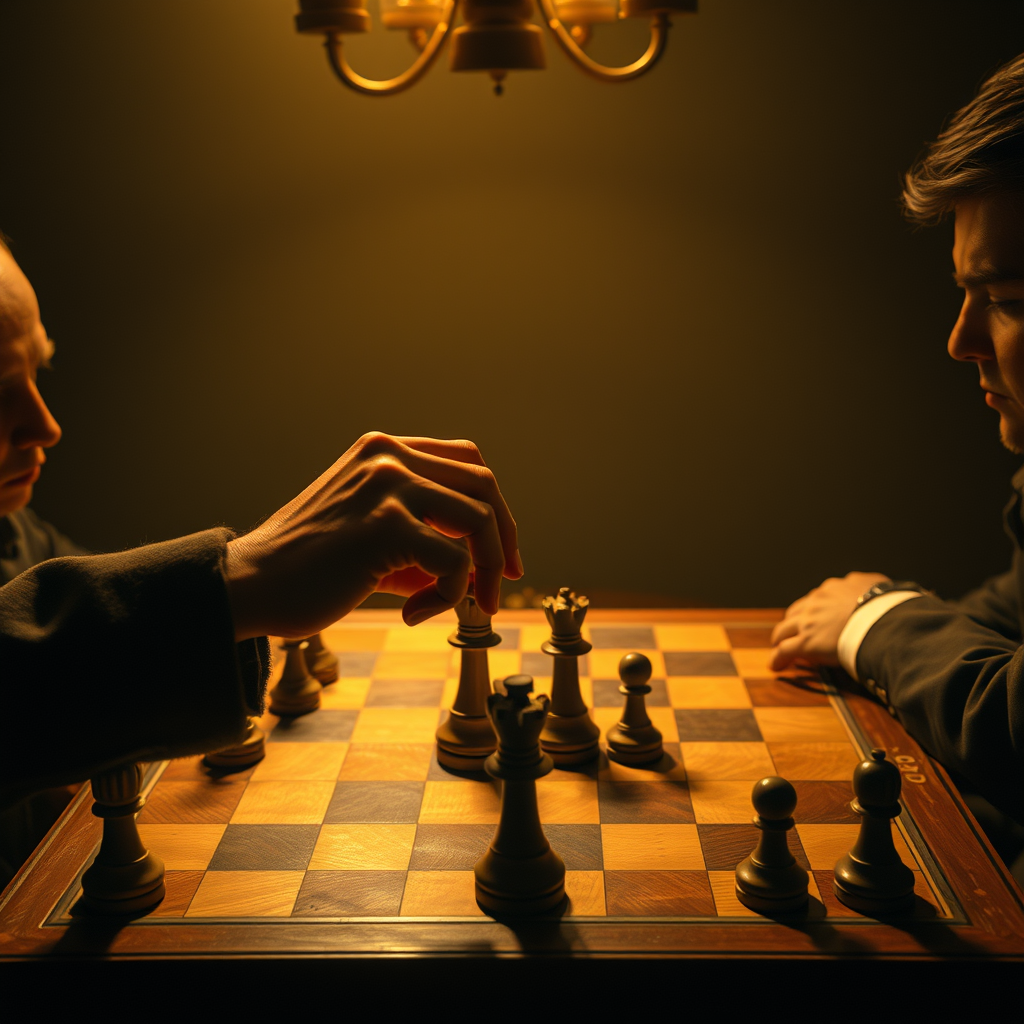
a careful plan to reach a goal
Her strategy in chess was to protect the queen at the start.
More examples: Our strategy for the exam was to study a little every day. • What's your strategy for saving money this year? • I need a better strategy for learning new words.
Common collocations: develop a strategy, a winning strategy, change your strategy
Word family: strategic, strategically
Synonyms: plan, approach, method
Antonyms: luck, chance
Related concepts: chess, planning, tactics
Contexts: board games, business, sport
Usage note: Countable noun: you can talk about 'a strategy' or 'strategies'. Often used with 'for' + noun or -ing: 'a strategy for winning'.
challenge
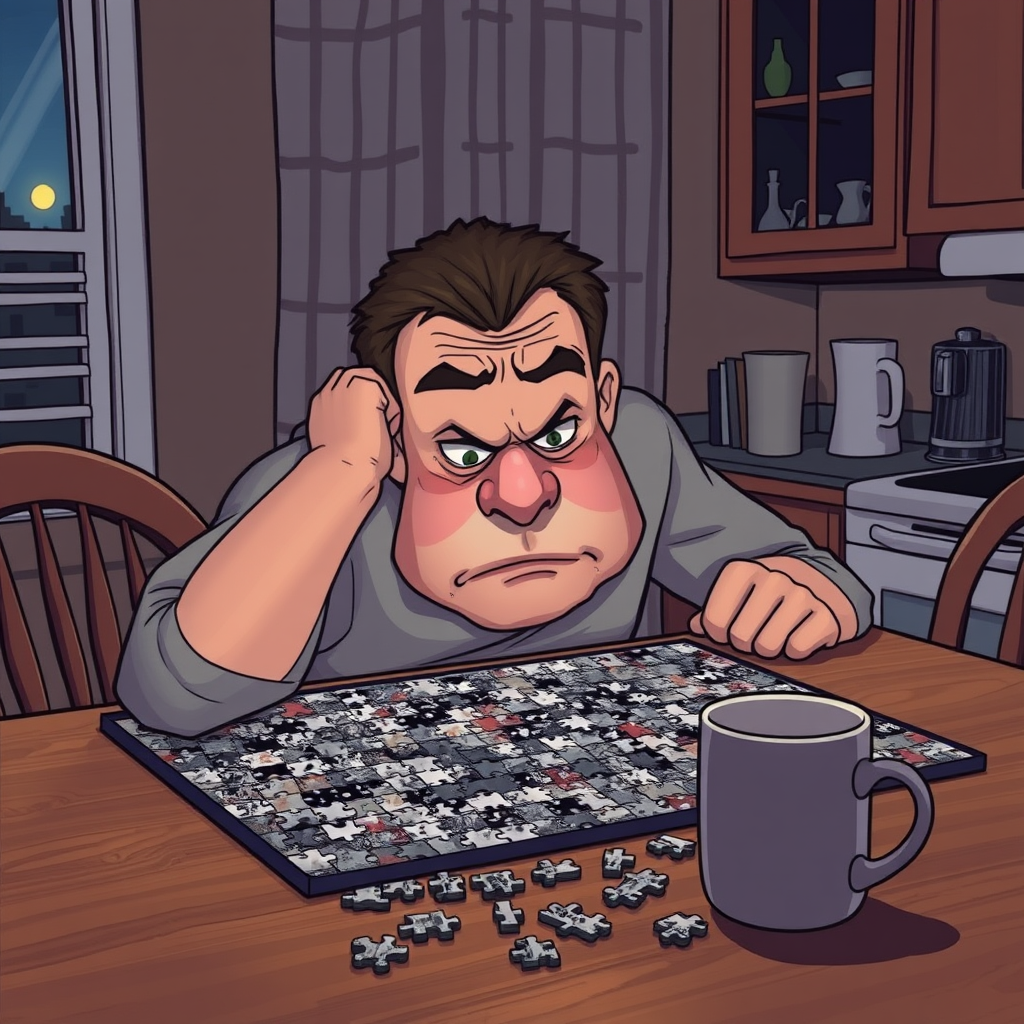
something difficult that tests your ability
Learning to cook well was a real challenge for me.
More examples: This puzzle is a big challenge - I can't finish it. • Speaking English on the phone is a challenge for many learners. • I like a challenge, so I chose the hardest route.
Common collocations: face a challenge, take on a challenge, a big challenge
Word family: challenging, challenge (verb)
Synonyms: test, difficulty, problem
Antonyms: easy thing, breeze
Related concepts: puzzle, effort, goal
Contexts: work, study, games
Usage note: Countable noun, often with 'a' or 'the'. As a verb it means to test someone's ability or to question something. The adjective 'challenging' is very common: 'a challenging job'.
unwind
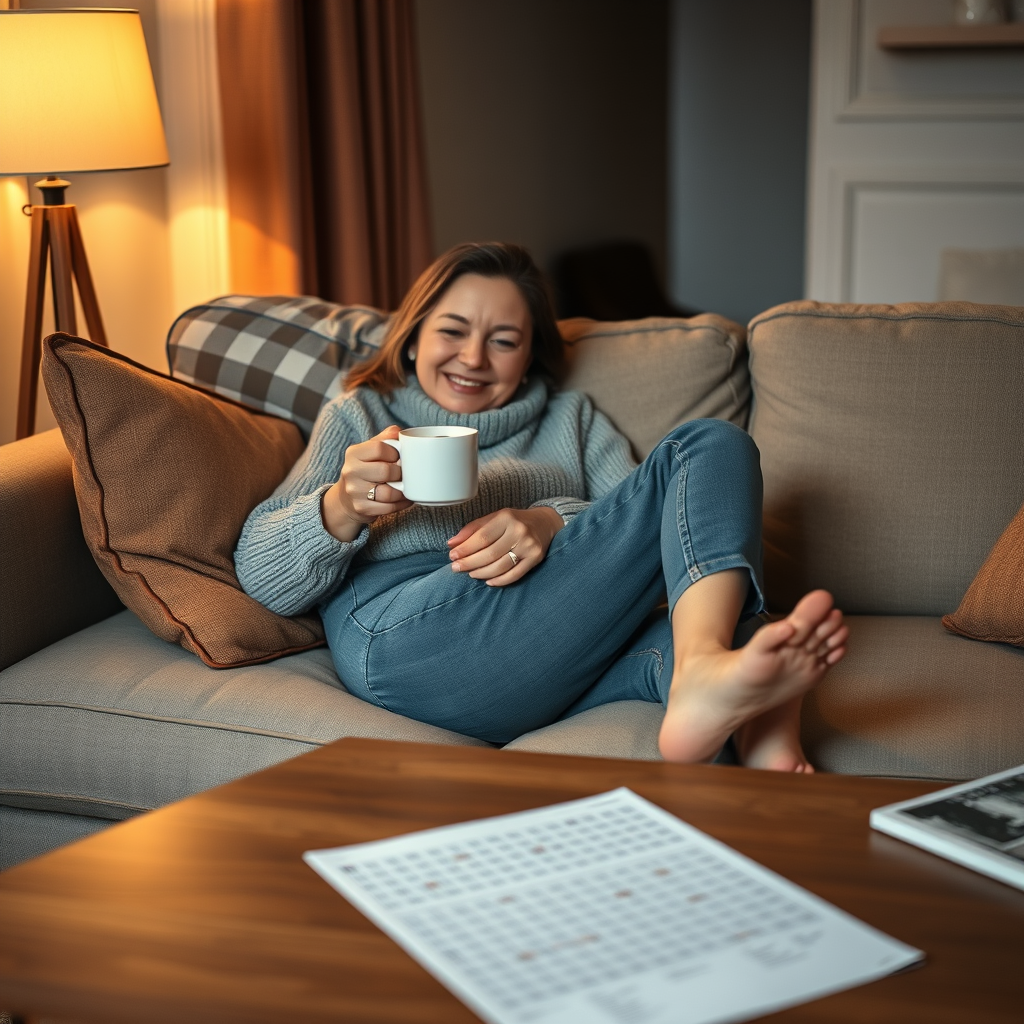
to relax after work or stress
I unwind after work by playing cards with my flatmate.
More examples: A long walk helps me unwind after a stressful day. • She unwinds by watching funny videos in the evening. • How do you unwind at the weekend?
Common collocations: unwind after work, unwind with a game, need to unwind
Synonyms: relax, de-stress, take it easy
Antonyms: stress out, tense up
Related concepts: free time, hobbies, rest
Contexts: evenings, weekends, holidays
Usage note: Usually followed by 'after' or 'by': 'unwind after work', 'unwind by reading'. Irregular verb: unwind, unwound, unwound.
competitive
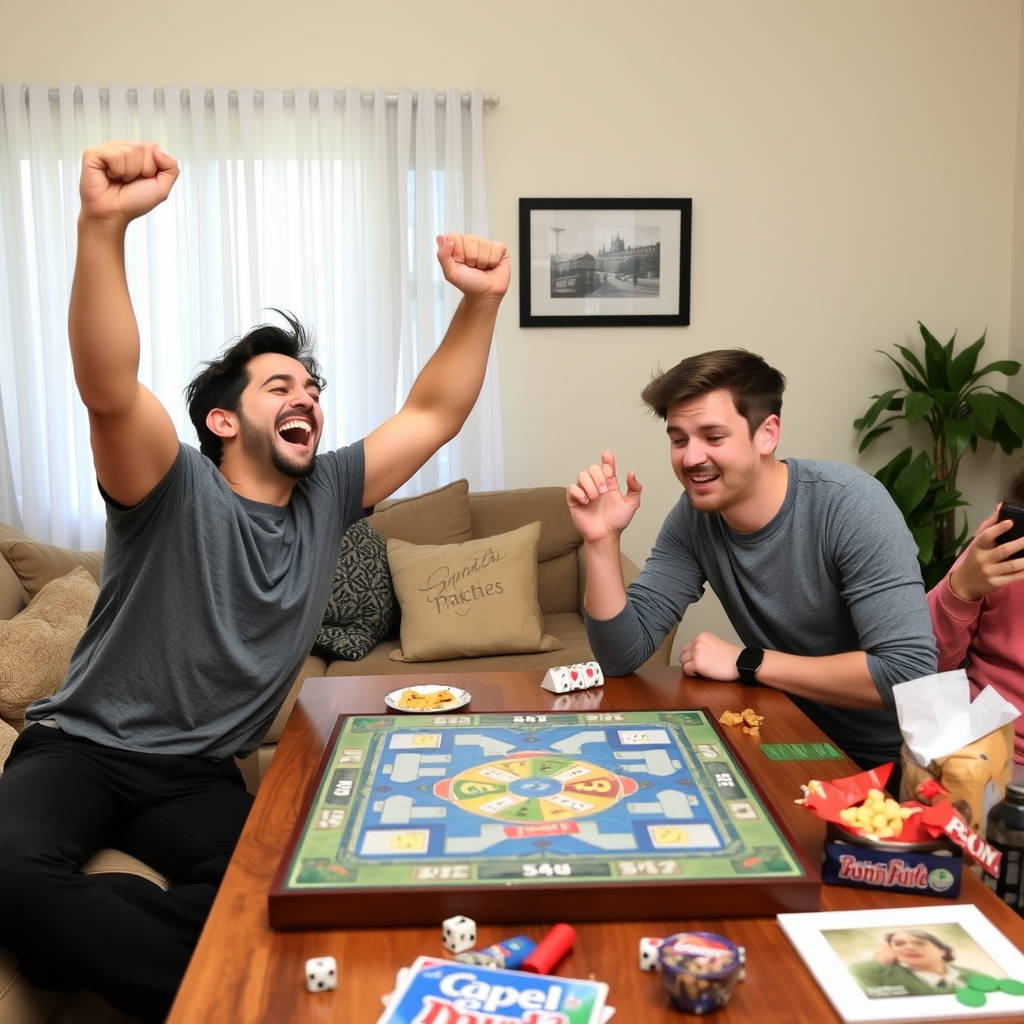
wanting very much to win or be the best
My brother is very competitive - he hates losing at anything.
More examples: She gets quite competitive when we play Monopoly. • Their office has a competitive culture - everyone works hard. • I'm not competitive; I just play for fun.
Common collocations: highly competitive, a competitive person, get competitive
Word family: compete, competition, competitor
Synonyms: ambitious, driven
Antonyms: relaxed, easy-going
Related concepts: winning, losing, sport
Contexts: games, work, school
Usage note: Describes people, games, jobs and markets. 'Get competitive' means to start behaving in a competitive way. Stress on the second syllable: com-PE-ti-tive.
patience
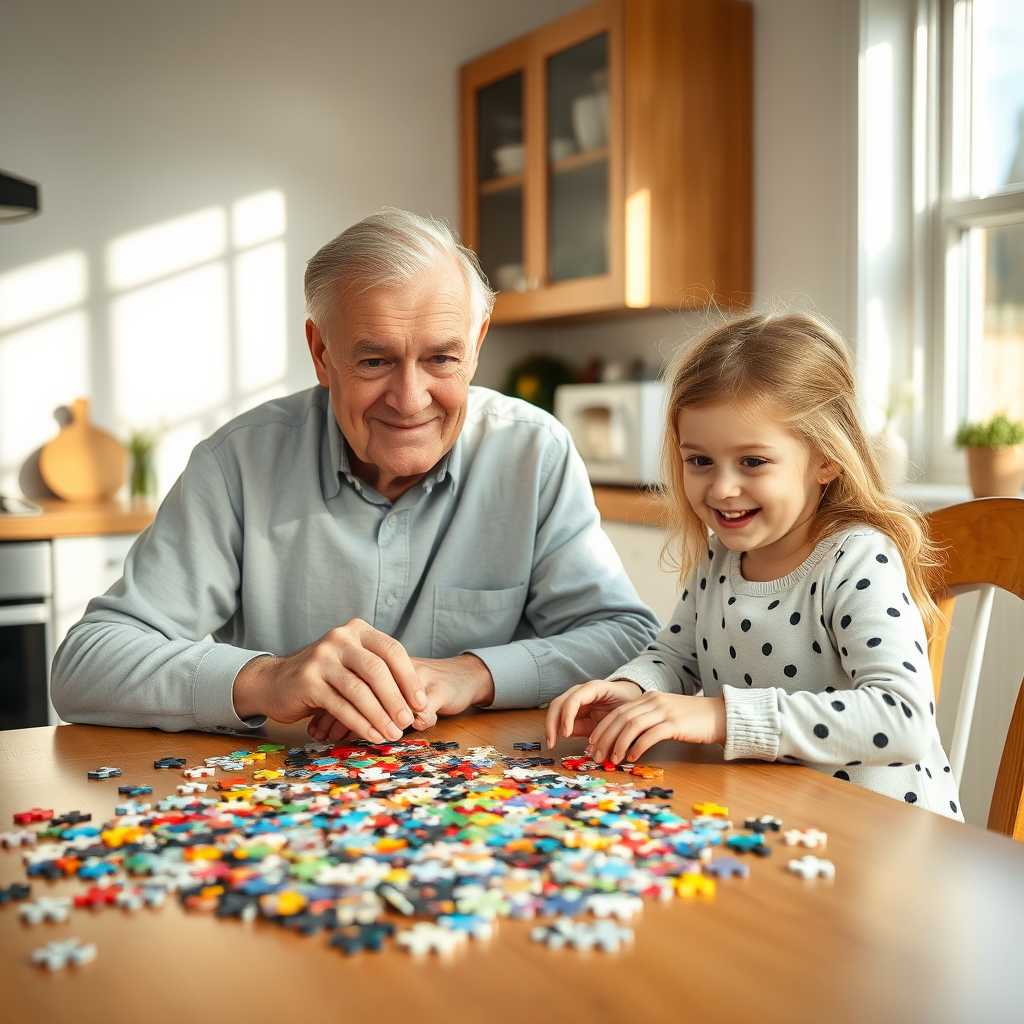
the ability to wait or work calmly without getting angry
A 2000-piece puzzle needs a lot of patience.
More examples: Teaching small children requires patience. • I lose patience when the internet is slow. • Be patient - the glue needs an hour to dry.
Common collocations: have patience, lose patience, a lot of patience
Word family: patient (adjective), patiently
Synonyms: calmness, tolerance
Antonyms: impatience, anger
Related concepts: puzzles, waiting, calm
Contexts: hobbies, teaching, queues
Usage note: Uncountable noun: 'a lot of patience', not 'many patiences'. Common pattern: 'run out of patience' = lose patience.
Vocabulary Check
- What does 'strategy' mean?
- A careful plan to reach a goal
- A feeling of excitement before a game
- A prize you get when you win
- A rule that players must follow
- Which word best completes the sentence? 'Learning a new language is a big ______, but it is worth it.'
- patience
- challenge
- unwind
- competition
- What does 'unwind' mean in this sentence: 'I play cards to unwind after work'?
- To relax after stress
- To practise for a competition
- To meet new people
- To think about problems
- In which situation would you say someone is 'competitive'?
- She always wants to win, even at small games.
- She helps her friends when they lose.
- She plays only when she feels tired.
- She forgets the rules of every game.
- Which word best completes the sentence? 'Sorting 1000 puzzle pieces needs a lot of ______.'
- strategy
- patience
- competition
- challenge
Phrasal Verbs & Expressions
not ... at all
zero, completely not
I'm not tired at all — let's play another round!
Usage note: 'At all' makes a negative sentence stronger: 'not at all' = really not.
Usage note: Use it in negatives and questions, not in positive sentences.
take hours
needs a lot of time
Choosing the film takes hours because we all want something different.
Usage note: The subject is usually the activity: 'The game took hours.'
Usage note: You can change the time: 'takes minutes', 'took all day'.
meet up
go to the same place to see each other
Let's meet up on Saturday and play cards.
Usage note: 'Up' here does not mean direction — it just makes the meeting sound friendly and casual.
Usage note: Common pattern: 'meet up with someone' — 'I'm meeting up with old friends tonight.'
Language Practice: Talking About Games and Free Time
Practise expressing opinions, describing habits and comparing choices about games and free time.
- Giving an opinion with a reason
- Emerging: I think ______ because ______. — I think chess is fun because I like thinking.
- Developing: In my opinion, ______ is better than ______ because ______. — In my opinion, board games are better than video games because you talk to real people.
- Expanding: The way I see it, ______ , mainly because ______ , and that's why ______. — The way I see it, board games are making a comeback, mainly because people miss face-to-face time, and that's why game cafés are so popular.
- Describing habits and how you relax
- Emerging: I usually ______ to unwind. — I usually watch films to unwind.
- Developing: When I feel stressed, I usually ______ because it helps me ______. — When I feel stressed, I usually do a puzzle because it helps me stop thinking about work.
- Expanding: Whenever I need to unwind, I ______ , and afterwards I always feel ______ , which is why I ______ every week. — Whenever I need to unwind, I play a long board game with friends, and afterwards I always feel lighter, which is why I organise game night every Friday.
- Comparing choices and predicting results
- Emerging: ______ is more fun than ______. — Chess is more fun than cards.
- Developing: If I play a game with luck, I ______ , but if I play a strategy game, I ______. — If I play a game with luck, I get nervous, but if I play a strategy game, I feel in control.
- Expanding: If I had a free evening, I would rather ______ than ______ , because ______. — If I had a free evening, I would rather play a board game with friends than scroll on my phone, because real conversation makes me happier.
Fill in the Blanks
Last month, my friends and I started a weekly game night. At first, it was a _____ because nobody could agree on which game to play. Now we have a simple _____: we choose two games before we meet, one quick and one long. My friend Leo is very _____, so he always wants to keep score, but the rest of us just want to _____ after work. My favourite game is a long puzzle-style game that needs a lot of _____ - perfect for a quiet Sunday afternoon.
Word bank: strategy, challenge, unwind, competitive, patience
Sentence Unscramble
- good / a / needs / lot / puzzle / this / of / patience
- my / strategy / is / to / save / my / best / cards / for / the / end
- she / plays / board / games / to / unwind / after / work
Discussion Questions
Some games depend mostly on luck, like snakes and ladders or simple card games. Other games, like chess, depend almost completely on skill and planning. People often prefer one type over the other.
Do you prefer games of luck or games of skill? Why?
Marta in the reading says game night is the best way to relax after a long week. Many adults use hobbies like games, sport or cooking to switch off from work.
How do you usually unwind after a stressful day or week?
In every group of friends there is usually one person who really hates losing. Sometimes this makes the game exciting, and sometimes it causes arguments. Being competitive can be fun or stressful.
Are you a competitive person? What happens when you play games with your family or friends?
Some people say puzzles and slow games teach patience, which is useful at work and at home. Others prefer fast games because life is already slow enough. Both ideas make sense.
Are you a patient person? Can games and puzzles help people become more patient?
Nowadays many people play games alone on their phones, and fewer families sit around a table together. Some people miss the old way of playing; others think phone games are just as good.
Do you think playing games together at a table is better than playing alone on a phone? Why?
Knowledge Check
- Which word means 'a careful plan to reach a goal'?
- patience
- strategy
- challenge
- competition
- 'Unwind' means to become more stressed.
- True
- False
- Which word best completes the sentence? 'My uncle is very ______ - he never lets his grandchildren win.'
- competitive
- patient
- relaxed
- strategic
- According to the reading, why is playing games good for adults?
- It helps them win money and prizes.
- It keeps the brain active and helps people feel closer.
- It replaces the need for exercise.
- It stops them from using their phones.
- Your friend says: 'I'm not hungry at all.' What does she mean?
- She is a little hungry.
- She is not hungry — zero hunger.
- She is very hungry.
- She ate an hour ago.
Free to use with your students: Free to teach, screen-share, print and share with your students, with a credit to PlanWise ESL. Please do not sell it or republish it as your own. What you can do with free lessons.