Books vs. Films: Living in Other Worlds
About this lesson: This is a B2 (Upper Intermediate) ESL lesson in the General English category. It takes about 60 minutes. It includes 5 vocabulary words, 4 idioms and phrasal verbs, a reading text, comprehension questions, discussion questions and speaking patterns. Suits one-to-one or small-group online classes. Free to open and teach with no login, and it prints as a PDF.
Print just the discussion questions
How this lesson is built
This is a complete conversation lesson built on a scientific pedagogical formula, not a generic worksheet: recall prior topic vocabulary, pre-teach the new words in depth, read in context, practise active recall with flashcards and synonyms/antonyms, build accuracy with exercises, and finish with deep discussion.
- Warm-up: Discussion questions that connect the topic to the student’s own life and recall vocabulary they already know about the subject.
- Reading: A text written for this CEFR level that uses each new word two or three times in context, giving the student something meaningful to react to.
- Key vocabulary: 5 new words, pre-taught before the reading with a definition, pronunciation guide, example sentences and a picture, plus word families, usage notes, recall flashcards and synonyms/antonyms, giving a solid grounding before reading.
- Comprehension: 5 questions that check the new words: retrieval practice, not rereading.
- Idioms and phrasal verbs: Expressions taken from the reading, each with its meaning, an example and a speaking question.
- Sentence frames: 3 speaking patterns, each at three levels of support (emerging, developing, expanding) with model answers—especially helpful scaffolding for beginners and less confident speakers.
- Gap-fill: The new words again, in a shuffled order, so the student recalls them by meaning in context.
- Sentence unscramble: Natural sentences with the new words to put back in order, reinforcing grammar and collocation.
- Discussion: 5 open questions designed to talk deeply about the subject while actively using the lesson’s target vocabulary: the heart of a conversation lesson.
- Quiz: A short retrieval check that brings every new word back once more.
Unlike a generic worksheet, the new words are taught before the reading and met again in the activities, the speaking is supported at three levels and most of the time goes on the student talking. Teachers who use PlanWise ESL also get per-student vocabulary tracking (recycling earlier words into future readings and questions), a private learner dashboard with flashcards and custom lesson creation, and a downloadable study PDF.
Warm-up Activity
Quick chat about books, films and the worlds they create.
- Do you read more books or watch more films these days? Why?
- What's a story you loved so much you didn't want it to end?
- Have you ever seen a film after reading the book? Which was better?
- If you could step inside any story world for a day, which one would you choose?
- Do you prefer stories that feel real, or ones with magic and impossible things?
Reading Text: When the Book Meets the Screen
A short article about books, films and why we love imaginary worlds.
Every year, studios turn dozens of novels into films, and fans line up to see whether the adaptation lives up to the original. Sometimes the result is brilliant. Sometimes viewers leave the cinema saying the book was better. Either way, the argument never really goes away, and it says something interesting about how we experience stories.
Supporters of books have a simple point: a novel gives you hours inside a character's head. You hear their thoughts, you fill in the details yourself, and the world becomes strangely immersive - you almost live there. A film has two hours, so it must cut, shorten and simplify. Something always gets lost on the way to the screen.
But defenders of films disagree. A great director's portrayal of a character can captivate an audience in seconds, in a way that pages of description cannot. Watching with friends, sharing the same shock at the same moment - that is a kind of magic a book can't offer. For many people, a good adaptation is not a copy but a new work of art.
Then there is the bigger question: why do imaginary worlds attract us at all? Psychologists say it is healthy escapism. After a stressful week, stepping into a world of dragons, distant planets or small-town mysteries lets the mind rest somewhere else. The stronger and more immersive the world, the deeper the escape - and the harder it is to put the book down or leave the cinema.
Fiction may even change how we behave. Studies suggest that readers who follow a character's struggles slowly become better at understanding real people's feelings. If a story's portrayal of someone's life can make us more patient or kinder, then maybe the question is not 'book or film?' but 'what did the story do to you?'
Key Vocabulary
adaptation
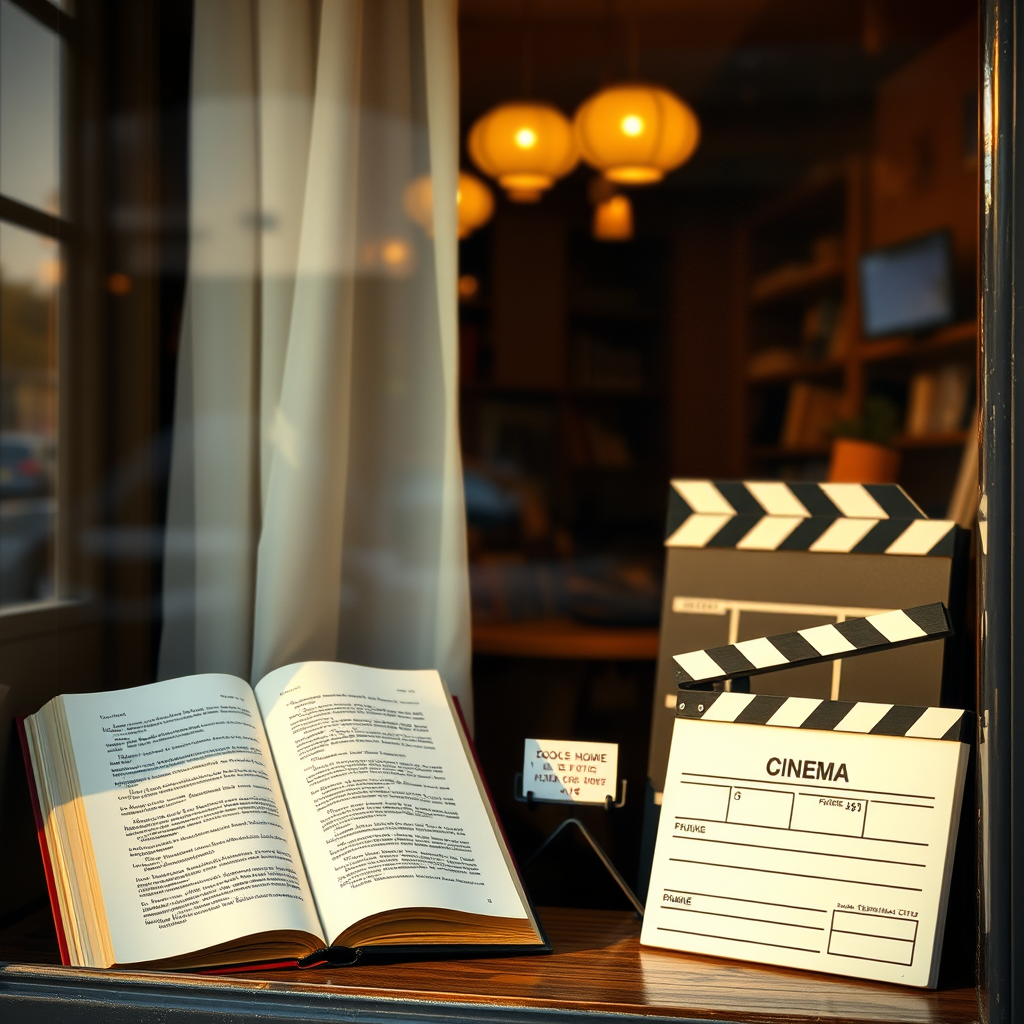
a book or story changed into a film or TV show
The film adaptation of the novel won three awards.
More examples: The new adaptation of the classic novel opens next month. • Honestly, the adaptation was disappointing - they cut my favourite character. • I always read the book before watching the adaptation.
Common collocations: film adaptation, a faithful adaptation, a screen adaptation
Word family: adapt (verb), adaptable (adjective)
Synonyms: version, remake, screen version
Antonyms: original, source novel
Related concepts: screenplay, remake, book-to-film
Contexts: cinema, publishing, streaming services
Usage note: Use for books turned into films or shows. Say 'adaptation of' a book. Don't confuse with 'adoption'.
immersive
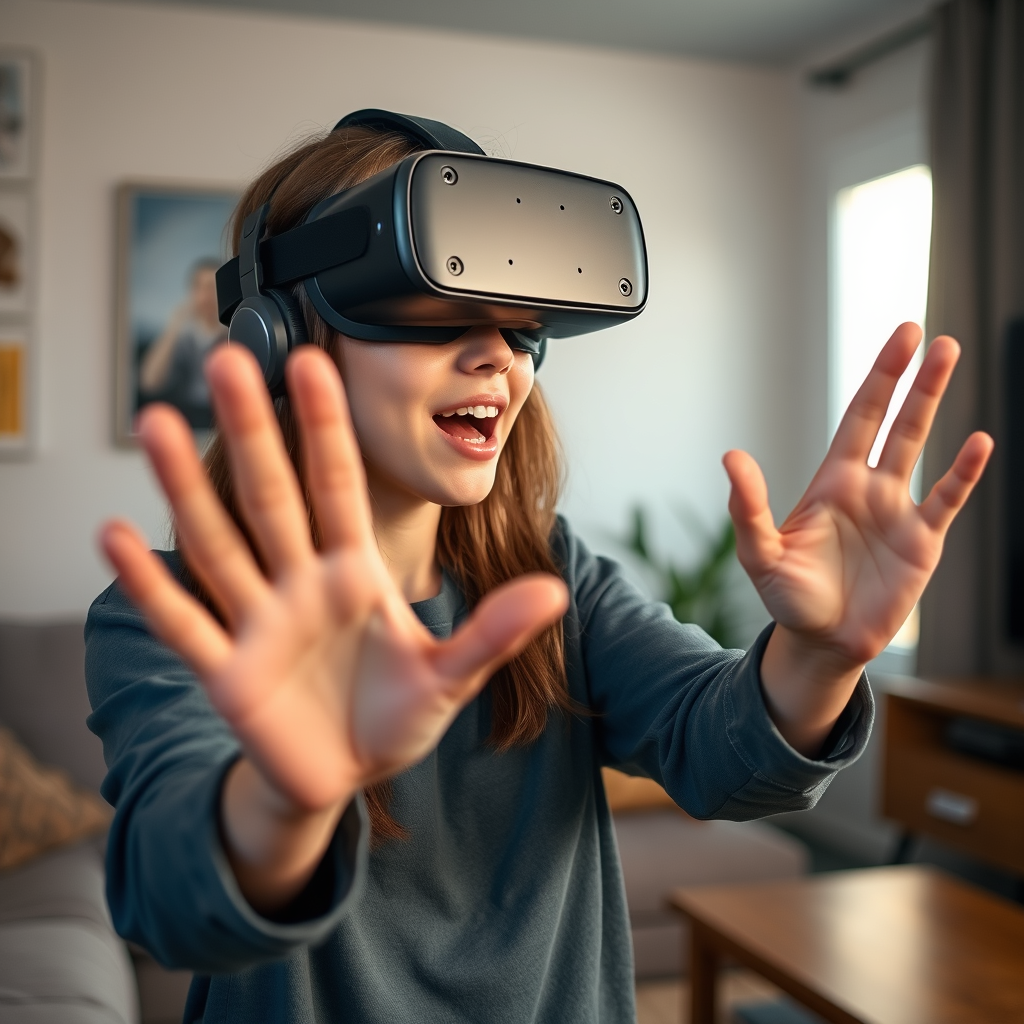
making you feel completely inside an experience or world
The game is so immersive that I forget the time.
More examples: The museum uses sound and light to create an immersive experience. • Her writing is incredibly immersive - I read all night. • Virtual reality offers a truly immersive way to explore other places.
Common collocations: immersive experience, fully immersive, an immersive world
Word family: immerse (verb), immersion (noun)
Synonyms: absorbing, engaging, gripping
Antonyms: boring, distant, shallow
Related concepts: virtual reality, deep focus, flow
Contexts: gaming, theatre, reading
Usage note: Common with experiences, games, theatre and stories. Often positive - it suggests losing yourself in something enjoyable.
captivate
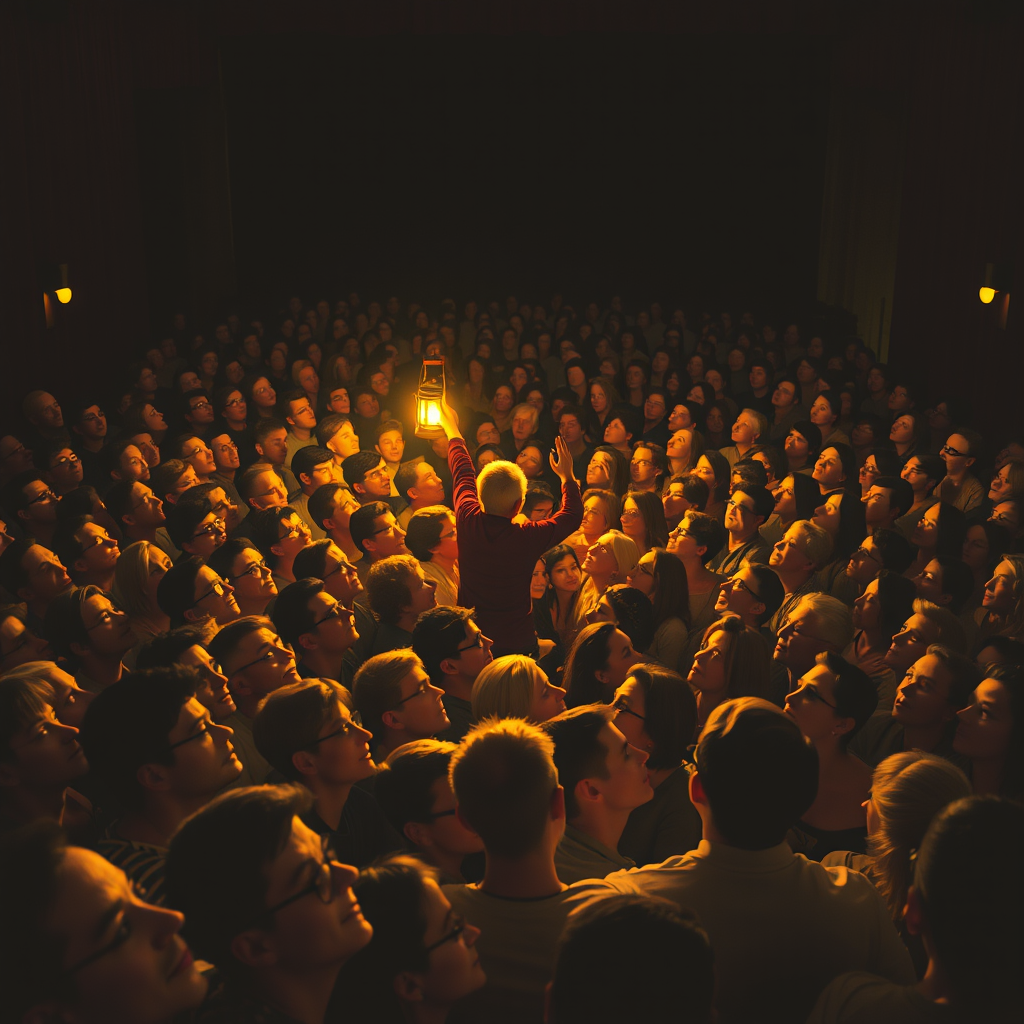
to hold someone's complete attention in a charming way
The singer captivated the whole audience for two hours.
More examples: The storyteller captivated the children from the first sentence. • I was captivated by the strange, beautiful landscapes in the film. • Her performance captivated critics and fans alike.
Common collocations: captivate an audience, captivate the imagination, completely captivated
Word family: captivating (adjective), captivated (adjective)
Synonyms: fascinate, charm, mesmerize
Antonyms: bore, repel
Related concepts: attention, magic, performance
Contexts: theatre, storytelling, public speaking
Usage note: Stronger than 'interest' - it suggests you cannot look away. Usually about people, performances or stories.
portrayal
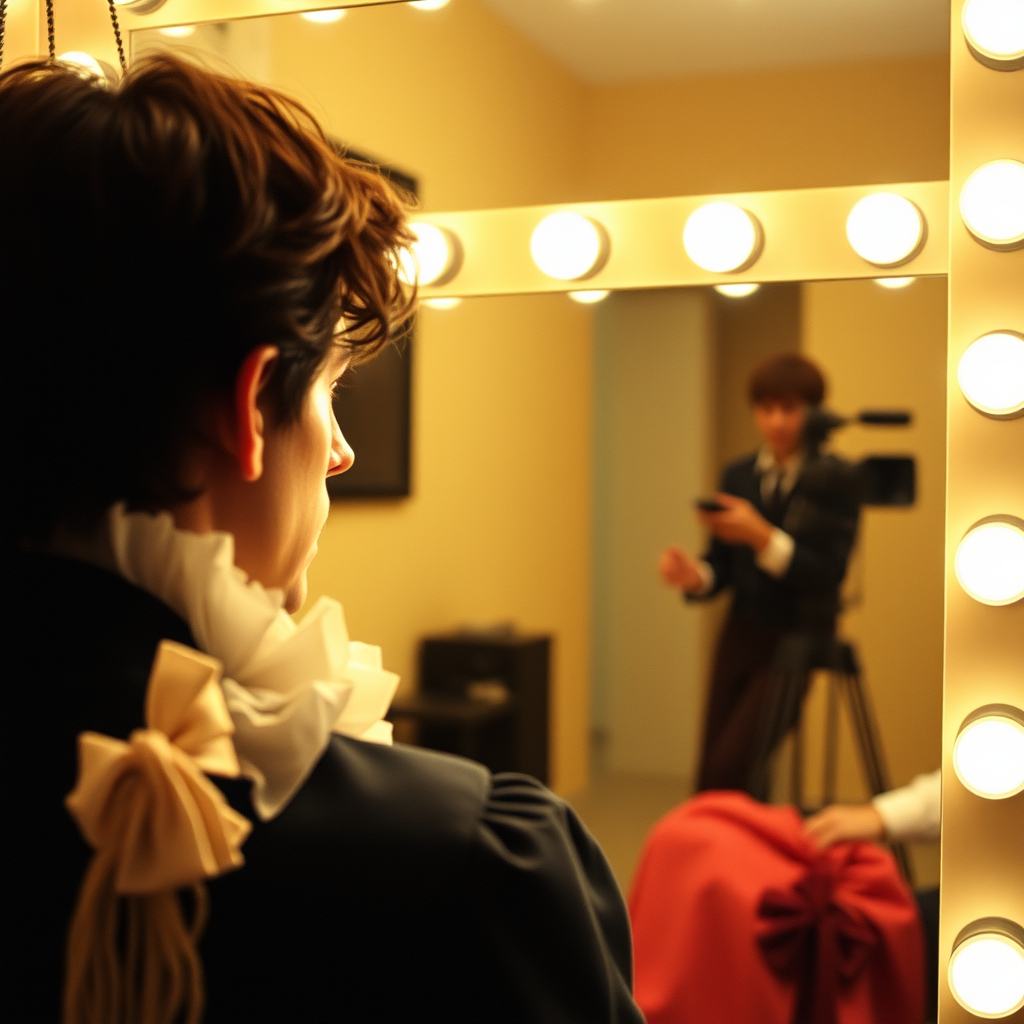
the way a person or thing is shown in a story or film
The actor's portrayal of the king surprised everyone.
More examples: Critics praised the film's honest portrayal of family life. • Some viewers felt the portrayal of the city was unfair. • Her portrayal of the detective felt completely real.
Common collocations: a realistic portrayal, a positive/negative portrayal, an accurate portrayal
Word family: portray (verb), portrait (noun)
Synonyms: depiction, representation, picture
Antonyms: distortion, misrepresentation
Related concepts: acting, character, stereotype
Contexts: film reviews, news media, literature
Usage note: Often used when discussing whether a film or show was fair or realistic. Talk about 'the portrayal of' someone or something.
escapism
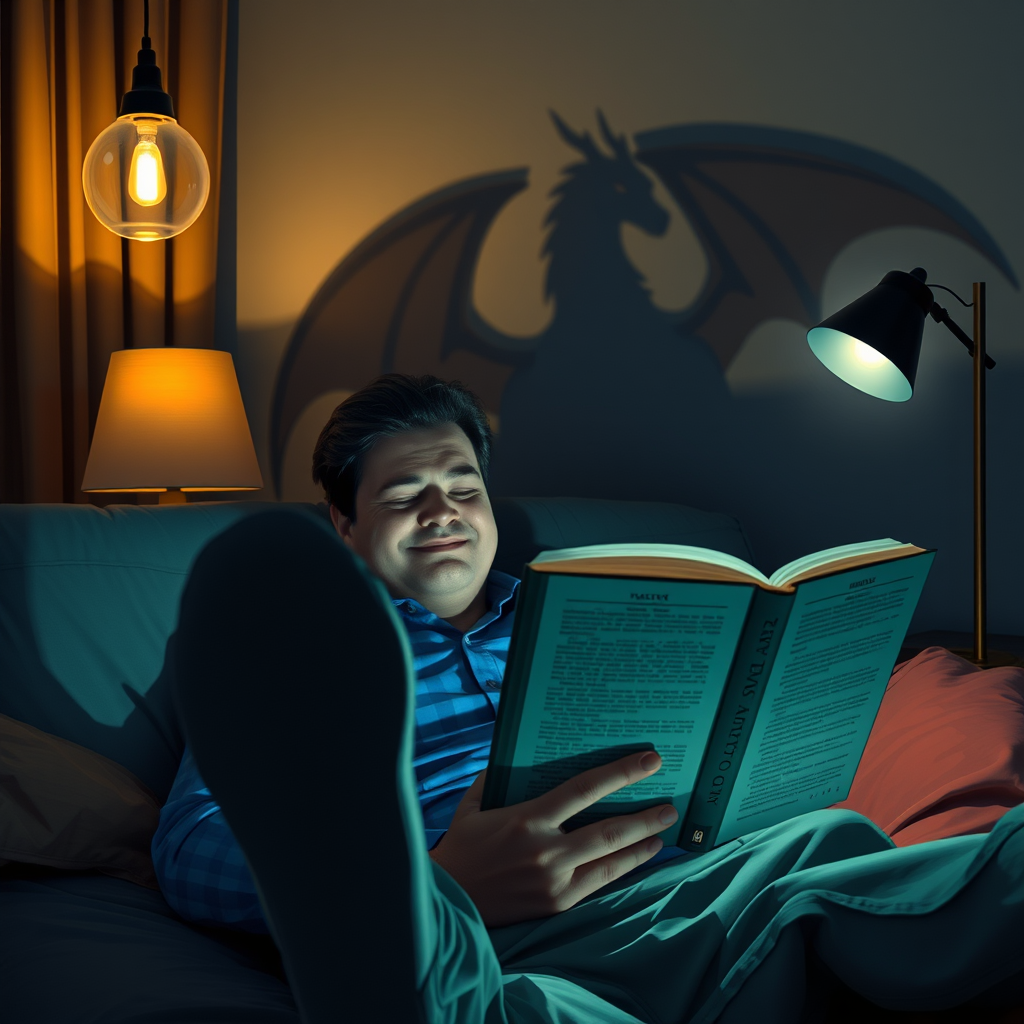
enjoying stories or activities to escape everyday life
For me, reading fantasy is pure escapism after work.
More examples: Some people call video games escapism, but fans disagree. • After a hard week, a little escapism does no harm. • The film is pure escapism - no deep message, just fun.
Common collocations: pure escapism, harmless escapism, a form of escapism
Word family: escape (verb), escapist (adjective)
Synonyms: getting away from it all, daydreaming, distraction
Antonyms: realism, facing reality
Related concepts: fantasy, relaxation, hobbies
Contexts: reading, gaming, holidays
Usage note: Slightly neutral or gently critical - it can imply avoiding reality, but people often use it positively about fun entertainment.
Vocabulary Check
- What does 'immersive' mean?
- Very expensive
- Making you feel completely inside an experience
- Easy to understand
- Very short
- Which sentence uses 'portrayal' correctly?
- The portrayal was so spicy I added it to my soup.
- The film's portrayal of village life felt completely real.
- I portrayaled my homework last night.
- The portrayal costs about five dollars.
- What does 'escapism' mean?
- Running away from the police
- Failing to escape from a room
- Enjoying stories or activities to escape everyday life
- A type of holiday
- In which situation would you use 'captivate'?
- Describing a singer who held the whole audience's attention
- Describing a bus that arrived late
- Describing a broken umbrella
- Describing a meal you didn't finish
- What is a film 'adaptation'?
- A film with no story
- A book or story changed into a film or show
- A film shown in another country
- A film made only for children
Idioms & Phrasal Verbs
live up to
to be as good as people expected
The sequel was fun, but it didn't live up to the first film.
Usage note: Never split it: the object always comes after 'up to'. · Right: It didn't live up to the hype. · Avoid: It didn't live the hype up to.
Usage note: Very common in reviews and everyday talk about films, restaurants and holidays.
put down
to stop reading a book because you're bored
The plot was so slow that I put the book down after two chapters.
Usage note: Separable: 'put it down', 'put the book down' are both fine.
Usage note: The opposite idea: a book you can't put down is one you love.
get lost
to disappear or be lost during a process
When they translated the joke, some of the humour got lost.
Usage note: Here it doesn't mean losing your way - it means something disappears in a process.
Usage note: Common phrase: 'the meaning gets lost in translation'.
get hooked on
to become so interested in something you can't stop
I got hooked on that detective series after one episode.
Usage note: The picture is a fish caught on a hook - it can't escape.
Usage note: Informal but very common: people get hooked on shows, games, coffee.
Language Practice: Talking About Stories
Practice expressing ideas about books, films and imaginary worlds.
- Comparing two opinions
- Emerging: Some people say ___, but I think ___. — Some people say films are better, but I think books are better.
- Developing: Some people say ___, but I think ___ because ___. — Some people say films are better, but I think books are better because you imagine everything yourself.
- Expanding: While some people argue that ___, I'd say ___, mainly because ___. — While some people argue that films kill the magic of a book, I'd say a good adaptation adds a new layer, mainly because the director's portrayal can surprise even loyal fans.
- Weighing pros and cons
- Emerging: One good thing is ___. One bad thing is ___. — One good thing is films are fast. One bad thing is they cut scenes.
- Developing: The main advantage of ___ is ___, although ___. — The main advantage of films is the speed, although you lose the details.
- Expanding: On the one hand, ___; on the other hand, ___. So overall, I'd say ___. — On the one hand, a two-hour film captivates you quickly; on the other hand, a book gives you weeks inside the story. So overall, I'd say books win for depth.
- Imagining hypothetical situations
- Emerging: If I could enter a story world, I would go to ___. — If I could enter a story world, I would go to Hogwarts.
- Developing: If I could enter ___, I would ___ because ___. — If I could enter a fantasy world, I would learn magic because normal life is routine.
- Expanding: If I ___, I would ___, and I think it would change how I ___ because ___. — If I lived in an immersive virtual world for a month, I would probably love it at first, and I think it would change how I see real life because total escapism has a cost.
Fill in the Blanks
Last month, my friends and I watched the new _____ of a novel we all loved. The director's _____ of the main character was surprising - darker than in the book - but it managed to _____ us from the first scene. The world felt so _____ that nobody checked their phone for two hours. Afterwards, we agreed it was perfect _____ after a long week, even if the ending was different from the original.
Word bank: adaptation, portrayal, captivate, immersive, escapism
Sentence Unscramble
- the / film / adaptation / of / the / novel / was / a / huge / success
- a / good / book / can / captivate / you / for / days
- her / portrayal / of / the / villain / was / surprisingly / sympathetic
Discussion Questions
Think of a time when a book you loved was made into a film or series. Sometimes the film gets everything right; sometimes fans leave angry because a favourite scene or character disappeared. People argue about this everywhere, from social media to family dinners.
Are books really better than their film adaptations, or is that just something people say? Can you think of an adaptation that was actually better?
Some stories pull you in so completely that hours disappear. A detailed world, characters you care about, a plot that keeps moving - together they can make a book or film feel immersive. But not every story manages this, and everyone gets pulled in by different things.
What makes a story truly immersive for you - the characters, the world, or the plot? Tell me about something that captivated you recently.
Fantasy worlds with dragons, magic and impossible cities are more popular than ever, in books, films and games. Some people say this is just escapism - a way to forget real problems. Others say these worlds help us think about real life in a safer way.
Why do you think fantasy worlds are so appealing? Is escapism healthy, or can we have too much of it?
Characters often stay with us long after the story ends. People quote them, imitate them, even make big life decisions 'because a character would do it that way'. A film's portrayal of a character can make millions of viewers see the world a little differently.
Can fictional characters really influence how we behave in real life? Has a character ever changed your mind about something?
Imagine you have the chance to create your own imaginary world - its rules, its landscapes, its people. Writers and game designers do this for a living, and fans spend years exploring what they build. Designing a world means deciding what is possible there and what is not.
If you designed your own story world, what would it be like? Would you make it realistic or completely fantastical, and why?
Knowledge Check
- Which word describes entertainment that helps you forget everyday life?
- Portrayal
- Escapism
- Adaptation
- Immersion
- 'Immersive' is usually a positive word. True or false?
- True
- False
- Which phrase best completes: 'The actor's ___ of the scientist felt very real.'?
- adaptation
- escapism
- portrayal
- immerse
- If a performance 'captivates' you, you feel bored and want to leave. True or false?
- True
- False
- Which sentence uses 'adaptation' correctly?
- I adapted to the cold weather quickly.
- The adaptation of the novel into a film took three years.
- She gave me a warm adaptation when I arrived.
- This soup needs more adaptation.
- If a film 'lives up to' the book, what does that mean?
- It's even longer than the book
- It's as good as people expected
- It follows the book scene by scene
- It's cheaper to watch than the book
Free to use with your students: Free to teach, screen-share, print and share with your students, with a credit to PlanWise ESL. Please do not sell it or republish it as your own. What you can do with free lessons.