Fast Fashion vs. Sustainable Shopping
About this lesson: This is a B2 (Upper Intermediate) ESL lesson in the Conversation Practice category. It takes about 60 minutes. It includes 5 vocabulary words, 4 idioms and phrasal verbs, a reading text, comprehension questions, discussion questions and speaking patterns. Suits one-to-one or small-group online classes. Free to open and teach with no login, and it prints as a PDF.
Print just the discussion questions
How this lesson is built
This is a complete conversation lesson built on a scientific pedagogical formula, not a generic worksheet: recall prior topic vocabulary, pre-teach the new words in depth, read in context, practise active recall with flashcards and synonyms/antonyms, build accuracy with exercises, and finish with deep discussion.
- Warm-up: Discussion questions that connect the topic to the student’s own life and recall vocabulary they already know about the subject.
- Reading: A text written for this CEFR level that uses each new word two or three times in context, giving the student something meaningful to react to.
- Key vocabulary: 5 new words, pre-taught before the reading with a definition, pronunciation guide, example sentences and a picture, plus word families, usage notes, recall flashcards and synonyms/antonyms, giving a solid grounding before reading.
- Comprehension: 5 questions that check the new words: retrieval practice, not rereading.
- Idioms and phrasal verbs: Expressions taken from the reading, each with its meaning, an example and a speaking question.
- Sentence frames: 3 speaking patterns, each at three levels of support (emerging, developing, expanding) with model answers—especially helpful scaffolding for beginners and less confident speakers.
- Gap-fill: The new words again, in a shuffled order, so the student recalls them by meaning in context.
- Sentence unscramble: Natural sentences with the new words to put back in order, reinforcing grammar and collocation.
- Discussion: 5 open questions designed to talk deeply about the subject while actively using the lesson’s target vocabulary: the heart of a conversation lesson.
- Quiz: A short retrieval check that brings every new word back once more.
Unlike a generic worksheet, the new words are taught before the reading and met again in the activities, the speaking is supported at three levels and most of the time goes on the student talking. Teachers who use PlanWise ESL also get per-student vocabulary tracking (recycling earlier words into future readings and questions), a private learner dashboard with flashcards and custom lesson creation, and a downloadable study PDF.
Warm-up: Your Clothes, Your Choices
Look at the questions and talk about your own shopping habits before we start.
- How often do you buy new clothes?
- Where do you usually shop - big chains, small shops, or online?
- Have you ever bought something and then hardly worn it? What happened?
- Do you know where your clothes were made?
- What does 'sustainable shopping' mean to you?
Reading Text: The True Cost of a Ten-Dollar T-Shirt
A short magazine-style article about fast fashion and the people who are trying to shop differently. Read it, then tell me what you think.
Last Saturday, Marta walked into a shopping centre for one pair of socks and left with four bags of clothes. Everything was cheap, colourful and on sale. 'It was pure impulse,' she admits. 'I saw a trend on social media, and twenty minutes later I owned it.' Her story is one that millions of shoppers will recognise.
Fast fashion works by copying new styles quickly and selling them at very low prices. A new look can go from a designer's desk to a shop shelf in two weeks. The problem is quality. Many cheap items have poor durability - they lose their shape after a few washes, and then we throw them away and buy more.
The numbers are worrying. People around the world now buy around 80 billion new garments every year, and a huge amount ends up in landfill. Some of it is shipped to poorer countries, where markets are flooded with clothes nobody wants. Workers in the factories often earn very little and work long hours to keep prices low.
But attitudes are changing. Second-hand shopping, once seen as embarrassing, is now popular with young people. Apps for selling used clothes are growing fast, and 'wardrobe challenges' - where people wear only what they already own for a month - are all over social media. Repair shops and clothing swaps are appearing in many cities too.
So what is the answer? Some say the industry must change its rules; others say it starts with us. 'I still love a bargain,' Marta says, 'but now I ask myself one question: will I actually wear this thirty times?' If the answer is no, she leaves it on the shelf. It is a small habit, but it is changing how she shops.
Key Vocabulary
impulse
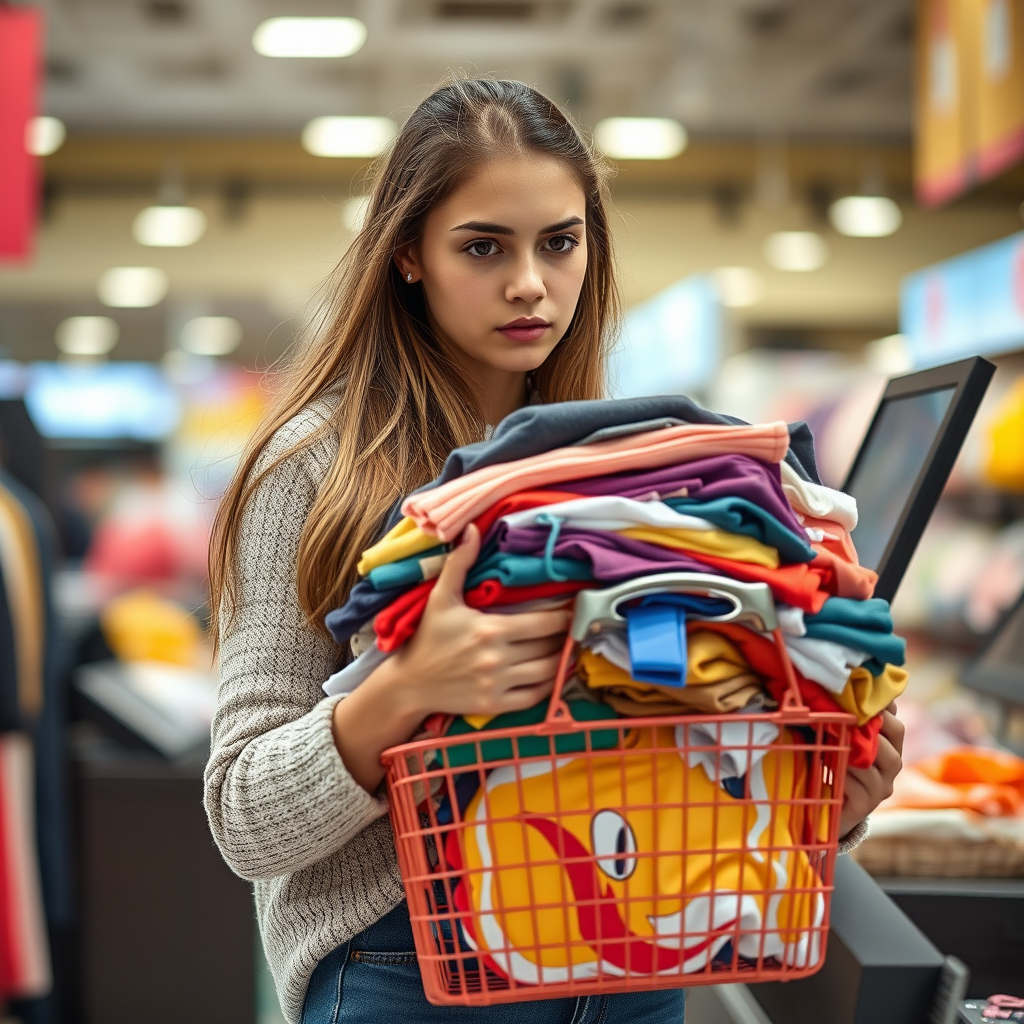
A sudden wish to do something without thinking about it first
I bought the jacket on impulse and now I regret it.
More examples: Resist the impulse to buy everything on sale. • She had a sudden impulse to call her old friend. • My impulse buys usually sit in the wardrobe with the tag still on.
Common collocations: on impulse, impulse buy / impulse purchase, resist the impulse
Word family: impulsive (adj), impulsively (adv)
Synonyms: urge, sudden desire, whim
Antonyms: plan, careful thought
Related concepts: impulse buying, temptation, self-control
Contexts: shopping, psychology, spending habits
Usage note: Very common in shopping talk: 'impulse buy' is a thing you buy without planning. Use 'on impulse' to describe the action.
wardrobe
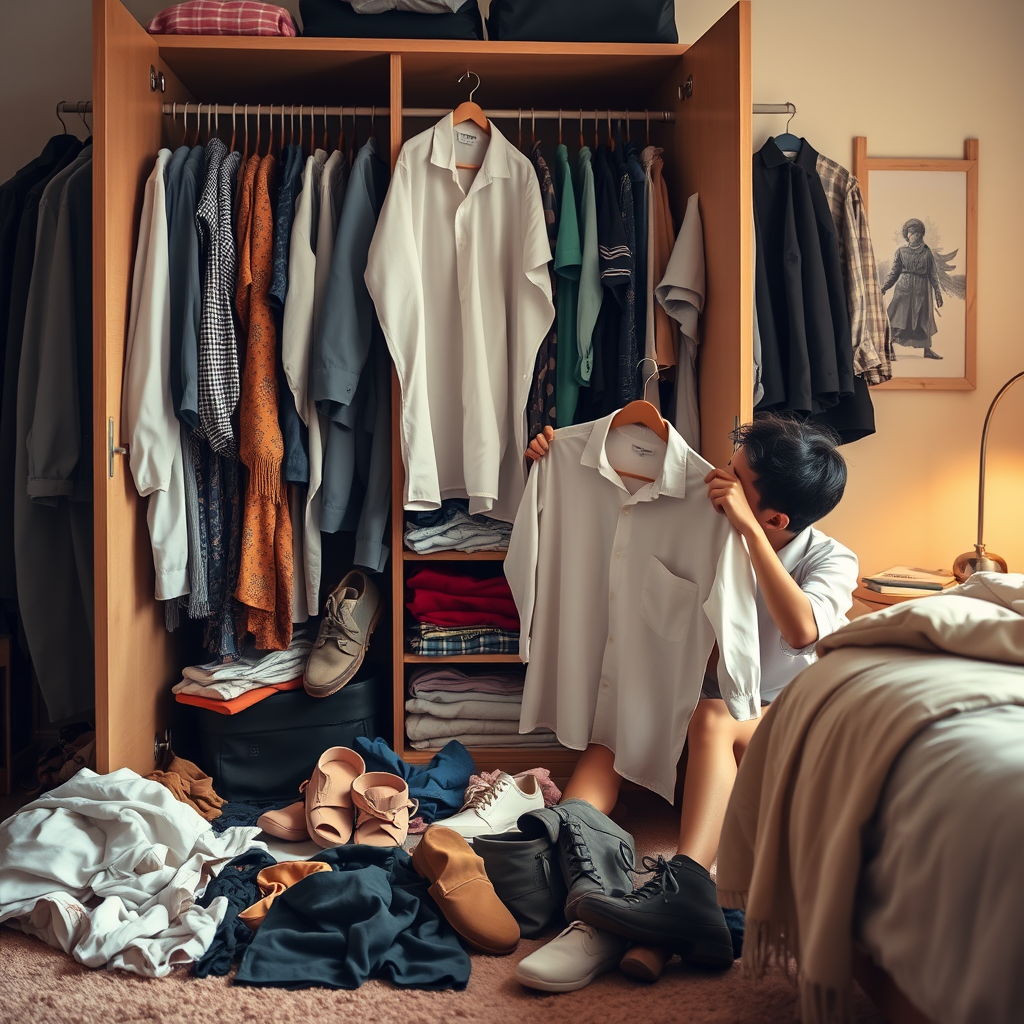
All the clothes that a person owns
I need to clean out my wardrobe this weekend.
More examples: She has a wardrobe full of clothes but nothing to wear. • A capsule wardrobe means owning fewer, better clothes. • His whole wardrobe is black T-shirts and jeans.
Common collocations: a wardrobe full of..., update your wardrobe, clean out your wardrobe
Word family: wardrobe (piece of furniture)
Synonyms: clothes collection, closet (US)
Antonyms: empty closet
Related concepts: capsule wardrobe, decluttering, personal style
Contexts: fashion, home life, sustainable living
Usage note: In fashion contexts, 'wardrobe' means your clothes as a whole, not the furniture. 'Capsule wardrobe' is a popular phrase for a small set of versatile clothes.
second-hand
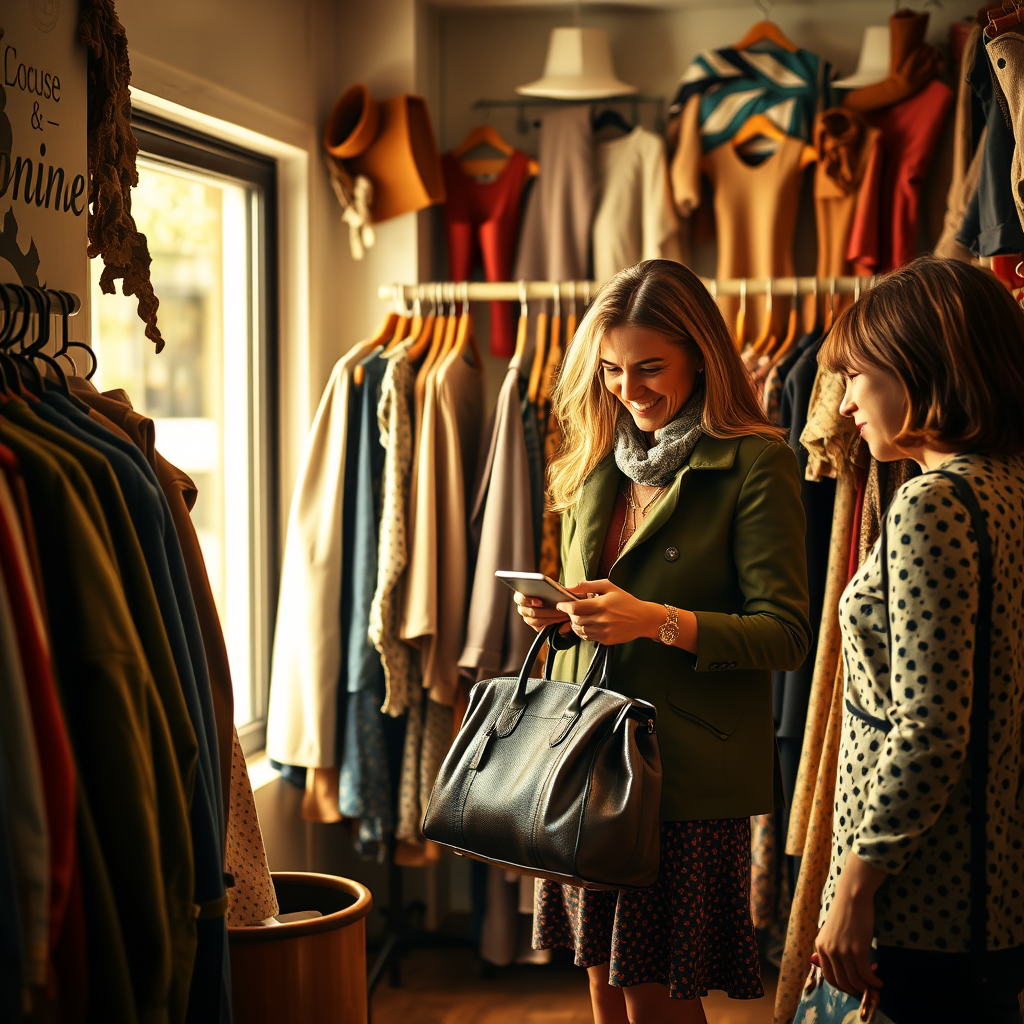
Owned or used by someone before you
I found a beautiful second-hand coat for ten euros.
More examples: Most of her furniture is second-hand. • Buying second-hand is cheaper and better for the planet. • There's a great second-hand bookshop near my house.
Common collocations: second-hand shop / store, buy something second-hand, second-hand clothes
Word family: second-hand (adverb), secondhand market (noun phrase)
Synonyms: used, pre-owned, pre-loved
Antonyms: brand new, new
Related concepts: thrift stores, recycling, vintage fashion
Contexts: shopping, sustainability, charity shops
Usage note: Always before a noun or after 'buy/get'. 'Thrift store' and 'charity shop' are specific kinds of second-hand shops.
durability
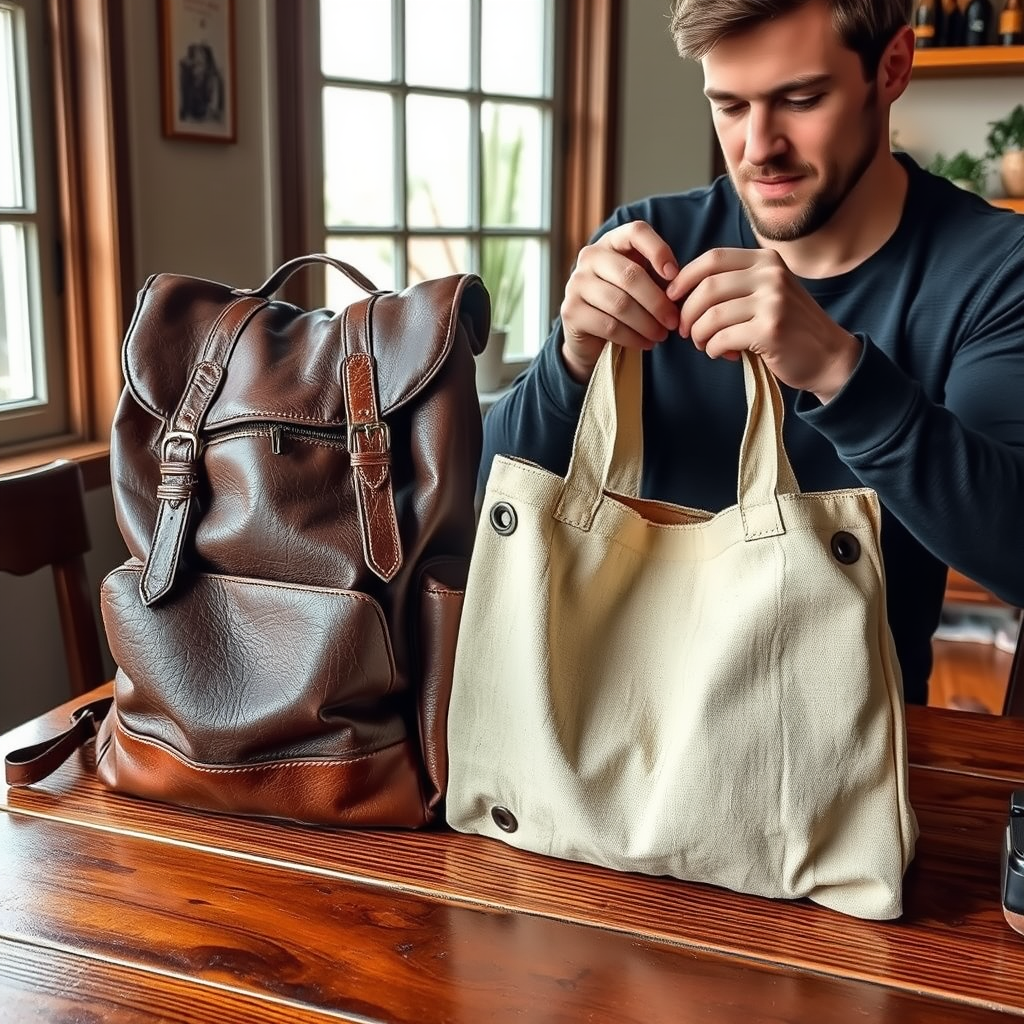
The ability to stay in good condition for a long time
I pay more for shoes because of their durability.
More examples: Cheap furniture often lacks durability. • Customers check reviews for comments on durability. • The durability of these boots is impressive - mine lasted ten years.
Common collocations: lack durability, test the durability, known for its durability
Word family: durable (adj), durably (adv)
Synonyms: strength, longevity, sturdiness
Antonyms: fragility, weakness
Related concepts: quality, value for money, planned obsolescence
Contexts: product reviews, shopping, manufacturing
Usage note: Mostly used for products: clothes, phones, tools, furniture. The adjective 'durable' is more common in everyday speech.
trend
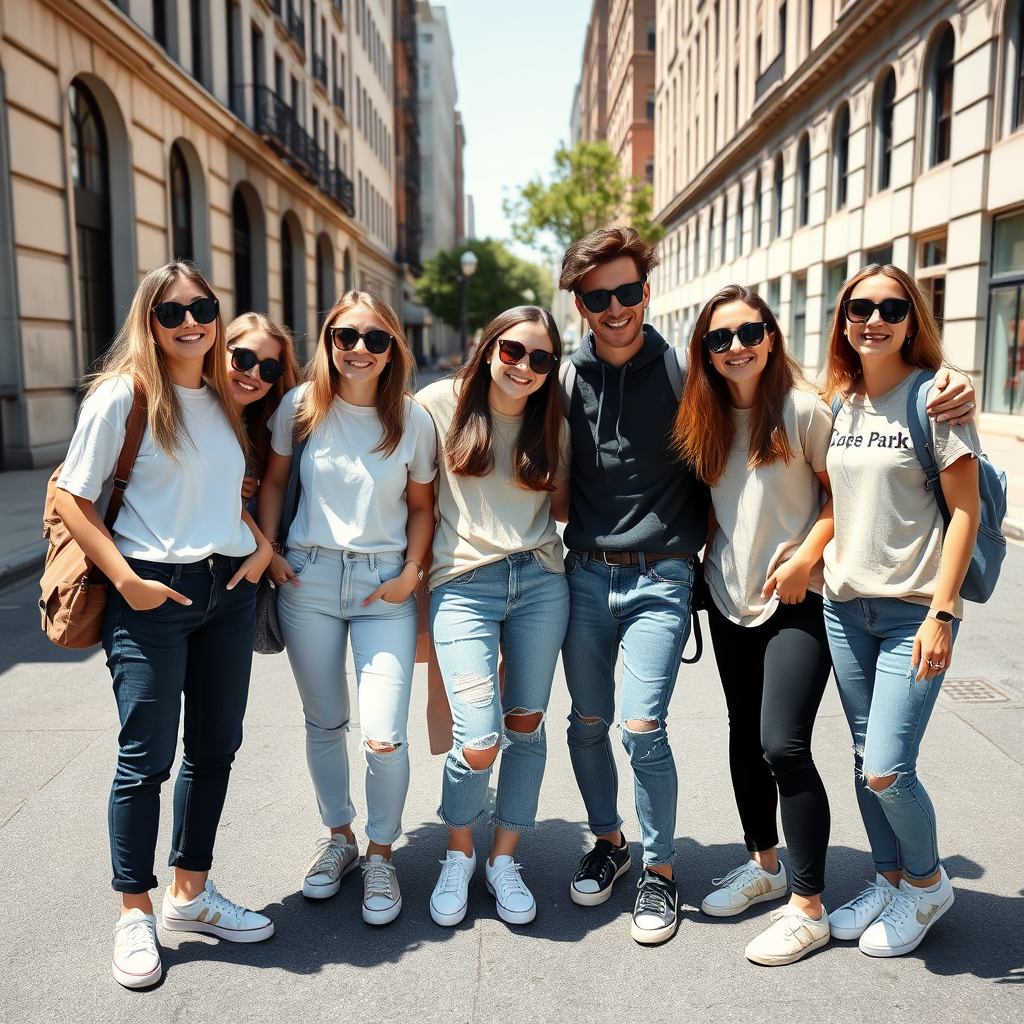
A style or general direction that is popular for a time
Baggy jeans are the biggest trend this year.
More examples: She always follows the latest trends on social media. • There's a growing trend towards working from home. • That trend disappeared after a few months.
Common collocations: follow a trend, the latest trend, a growing trend
Word family: trendy (adj), trendsetter (noun)
Synonyms: fad, fashion, craze
Antonyms: classic style, tradition
Related concepts: social media, influencers, consumer behaviour
Contexts: fashion, social media, business
Usage note: Used for fashion, but also for general changes in society ('a trend towards remote work'). 'Trendy' describes things that are currently fashionable.
Vocabulary Check
- What does 'impulse' mean?
- A sudden wish to do something without planning
- A careful decision made over weeks
- A type of discount in shops
- A plan for monthly spending
- Which sentence uses 'second-hand' correctly?
- She bought a second-hand bike from her neighbour.
- The second-hand of the story was exciting.
- He felt second-hand after the long run.
- We second-handed the meeting until Friday.
- In which situation would you talk about 'durability'?
- Choosing a colour for your bedroom wall
- Deciding if a jacket will last five years
- Picking a film to watch tonight
- Planning what to cook for dinner
- What does 'wardrobe' mean in this sentence: 'My wardrobe needs a serious clear-out'?
- A shop that sells clothes
- A fashion show
- All the clothes a person owns
- A type of washing machine
- Which sentence uses 'trend' correctly?
- She trended the soup for twenty minutes.
- There's a growing trend towards smaller apartments in cities.
- He put the trend in the wardrobe.
- The trend was very durability.
Idioms & Phrasal Verbs
end up
to finally be in a place or situation you didn't plan
I went to buy one shirt and ended up spending fifty euros.
Usage note: You can end up + place, or end up + -ing: · Right: I ended up buying two. · Avoid: I ended up to buy two.
Usage note: Very common in conversation and news stories.
throw away
to put something in the bin because you don't want it
Those old trainers are broken - just throw them away.
Usage note: It can be split: throw them away / throw away the box. Both are fine.
Usage note: The small word 'away' shows the thing is leaving you.
flooded with
having far too much of something
My email inbox is flooded with adverts every morning.
Usage note: The picture: water floods a place, so it's covered - here it's too many things instead of water.
Usage note: Usually used in the passive: 'be flooded with something'.
love a bargain
to really enjoy finding things at a low price
My mum loves a bargain - she never buys anything at full price.
Usage note: A bargain is something good that costs less than usual. 'Love a bargain' is a fixed, friendly phrase.
Usage note: Informal and very common in everyday shopping talk.
Language Practice: Talking About Shopping Choices
Use these frames to compare views, weigh up pros and cons, and imagine situations while we discuss fast fashion.
- Comparing different views on shopping
- Emerging: Some people say ___, but I think ___. — Some people say cheap clothes are fine, but I think quality matters more.
- Developing: While some people enjoy ___, others prefer ___ because ___. — While some people enjoy buying new outfits every month, others prefer buying less because it saves money.
- Expanding: Although ___ might seem reasonable, I'd argue that ___, especially since ___. — Although buying cheap clothes might seem reasonable, I'd argue that quality is better value, especially since cheap items fall apart quickly.
- Weighing pros and cons
- Emerging: The good thing about ___ is ___. The bad thing is ___. — The good thing about cheap clothes is the price. The bad thing is the quality.
- Developing: The main advantage of ___ is ___, but on the other hand, ___. — The main advantage of durable clothes is saving money over time, but on the other hand, they cost more upfront.
- Expanding: If I weigh it up, ___ wins because ___, even though ___ is a real drawback. — If I weigh it up, buying less but better wins because I keep things for years, even though the higher price is a real drawback.
- Imagining hypothetical situations
- Emerging: If I had more money, I would ___. — If I had more money, I would buy one really good coat.
- Developing: If I found a great second-hand ___ , I would ___ if ___. — If I found a great second-hand leather jacket, I would buy it immediately if it fit.
- Expanding: If shops were forced to pay fair wages, prices would probably ___, and I think customers would ___ because ___. — If shops were forced to pay fair wages, prices would probably rise, and I think customers would accept it because most people value fairness.
Fill in the Blanks
Last month, Leo decided to change how he shops. It started with an _____ buy - a bright orange jacket he saw on a friend's social media - that he wore exactly once. Looking at his crowded _____, he realised most of it followed whatever _____ was popular that season, and half of it was falling apart because of its poor _____. So he made a rule: from now on, everything he buys must be _____ or built to last. Three months later, he says he spends less and likes his clothes more.
Word bank: impulse, wardrobe, second-hand, durability, trend
Sentence Unscramble
- I / bought / this / shirt / on / impulse / and / never / wear / it
- Her / whole / wardrobe / is / full / of / second-hand / finds
- Good / durability / matters / more / to / me / than / the / latest / trend
Discussion Questions
Marta in the reading bought four bags of clothes on impulse. Most of us have done something similar - maybe at a sale, or late at night on a shopping app. These purchases feel great in the moment, but not always afterwards.
What's the last thing you bought on impulse? Do you still like it?
Some people love hunting through second-hand shops for hidden treasures; others would never wear clothes that belong to someone else. Attitudes to used things vary a lot between countries and generations.
How do you feel about buying second-hand clothes? Would your family or friends agree?
The reading mentions that cheap clothes often fall apart after a few washes, while good-quality items can last for years. But quality costs more upfront, and not everyone can afford it.
Would you pay double for a jacket that lasts ten years? Why or why not?
Social media pushes new trends every week, and many people feel pressure to keep up. Some enjoy it as harmless fun; others feel it makes them buy things they don't need.
Do trends influence what you buy? Has a trend ever made you regret a purchase?
Imagine a future where clothes cost more because workers are paid fairly and materials last longer. People might buy fewer things, but keep them for years. Some say this is the only fair way forward; others worry it would hurt people on low incomes.
If clothes prices doubled but everything lasted much longer, how would your shopping change?
Knowledge Check
- Which word means 'a sudden wish to buy something without planning'?
- durability
- trend
- impulse
- wardrobe
- 'Second-hand' means the item is brand new.
- True
- False
- Which sentence uses 'durability' correctly?
- The durability of these boots impressed me - they lasted ten years.
- She durability to the shop yesterday.
- I durability my wardrobe every spring.
- The durability was very second-hand.
- In fashion talk, your 'wardrobe' means the cupboard where you keep your clothes.
- True
- False
- Which phrase means a style or general change that is popular for a time?
- impulse
- trend
- second-hand
- durability
- If clothes 'end up in landfill', what happens to them?
- They are sold to new owners
- They finally go to a rubbish dump
- They are repaired and reused
- They stay in your wardrobe
Free to use with your students: Free to teach, screen-share, print and share with your students, with a credit to PlanWise ESL. Please do not sell it or republish it as your own. What you can do with free lessons.