Shopping for Clothes and Talking About Prices
About this lesson: This is an A1 (Beginner) ESL lesson in the General English category. It takes about 60 minutes. It includes 5 vocabulary words, a reading text, comprehension questions, discussion questions and speaking patterns. Suits one-to-one or small-group online classes. Free to open and teach with no login, and it prints as a PDF.
Print just the discussion questions
How this lesson is built
This is a complete conversation lesson built on a scientific pedagogical formula, not a generic worksheet: recall prior topic vocabulary, pre-teach the new words in depth, read in context, practise active recall with flashcards and synonyms/antonyms, build accuracy with exercises, and finish with deep discussion.
- Warm-up: Discussion questions that connect the topic to the student’s own life and recall vocabulary they already know about the subject.
- Reading: A text written for this CEFR level that uses each new word two or three times in context, giving the student something meaningful to react to.
- Key vocabulary: 5 new words, pre-taught before the reading with a definition, pronunciation guide, example sentences and a picture, plus word families, usage notes, recall flashcards and synonyms/antonyms, giving a solid grounding before reading.
- Comprehension: 5 questions that check the new words: retrieval practice, not rereading.
- Sentence frames: 3 speaking patterns, each at three levels of support (emerging, developing, expanding) with model answers—especially helpful scaffolding for beginners and less confident speakers.
- Gap-fill: The new words again, in a shuffled order, so the student recalls them by meaning in context.
- Sentence unscramble: Natural sentences with the new words to put back in order, reinforcing grammar and collocation.
- Discussion: 5 open questions designed to talk deeply about the subject while actively using the lesson’s target vocabulary: the heart of a conversation lesson.
- Quiz: A short retrieval check that brings every new word back once more.
Unlike a generic worksheet, the new words are taught before the reading and met again in the activities, the speaking is supported at three levels and most of the time goes on the student talking. Teachers who use PlanWise ESL also get per-student vocabulary tracking (recycling earlier words into future readings and questions), a private learner dashboard with flashcards and custom lesson creation, and a downloadable study PDF.
Warm-up: Let's Talk About Clothes
Look at the questions and talk about clothes you like. Say as much as you can.
- Do you like shopping for clothes?
- What clothes do you wear every day?
- What color do you like on clothes?
- Where do you buy your clothes?
- Do you like to shop alone or with someone?
Reading Text: Maria Goes Shopping
Read about Maria. She wants a new jacket. Let's see what happens in the shop.
Maria wants a new jacket. She goes to a shop near her home. The shop has many jackets. They are in many colors.
Maria likes a blue jacket. She looks at the price. It is very expensive. She only has twenty dollars.
A shop worker comes to help. 'What size do you need?' she asks. Maria says, 'Small, please.'
Maria wants to try on the jacket. She puts it on in front of a mirror. It is too big. She needs a smaller size.
Maria finds a green jacket. The price is cheap. She tries it on. It fits well. She is happy and buys it.
Key Vocabulary
price
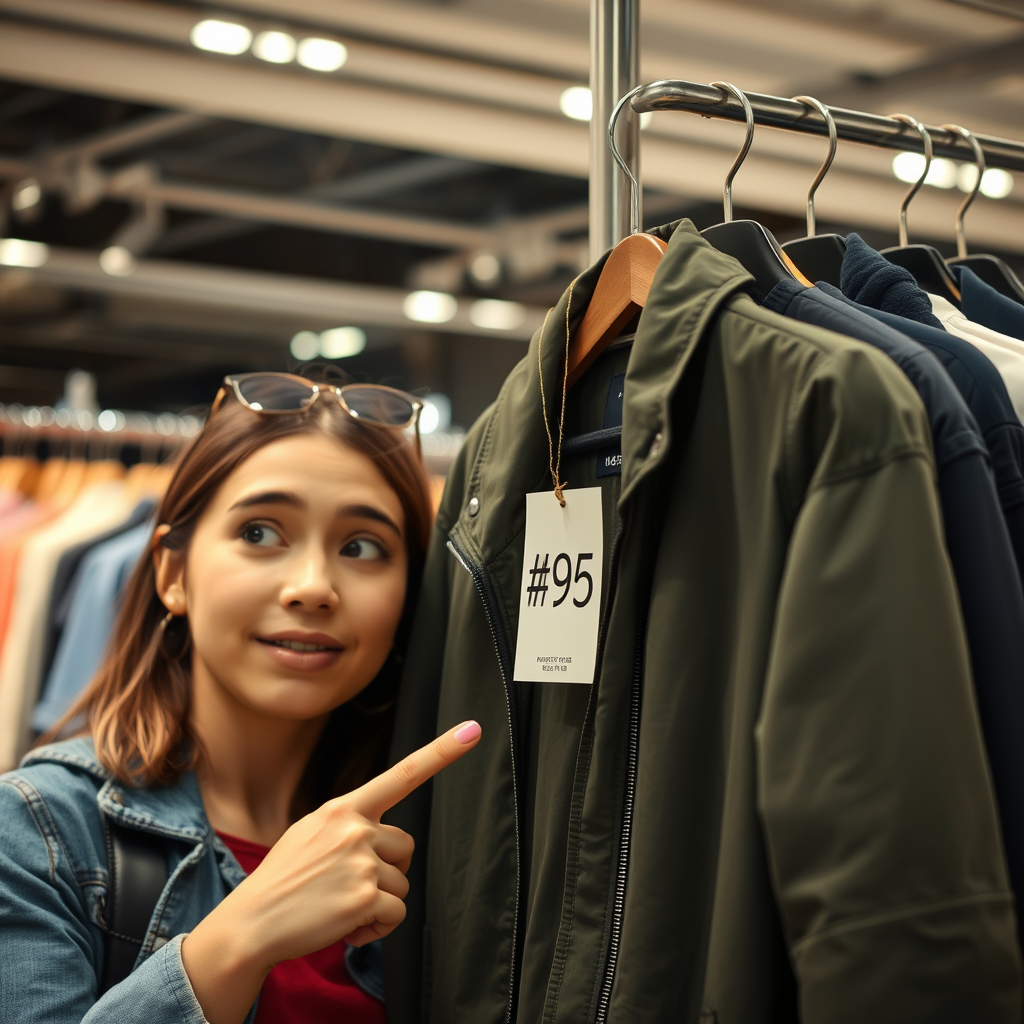
how much money a thing costs
The price of the shoes is thirty dollars.
More examples: What is the price of this shirt? • The price is too high for me. • I always look at the price first.
Common collocations: look at the price, the price is high, a good price
Word family: price (noun), price (verb), priceless (adjective)
Synonyms: cost, amount
Antonyms: free
Related concepts: money, shopping, paying
Contexts: shops, markets, online stores
Usage note: Use 'price' when you talk about how much something costs. Ask: 'What is the price?'
cheap

costing little money
These socks are cheap. They cost two dollars.
More examples: I like cheap clothes from the market. • This bag is cheap and good. • Fruit is cheap in summer.
Common collocations: cheap clothes, very cheap, cheap and good
Word family: cheap (adjective), cheaply (adverb)
Synonyms: low-cost, not expensive
Antonyms: expensive, costly
Related concepts: money, markets, sales
Contexts: markets, sales, small shops
Usage note: Use 'cheap' for things that cost little money. It is usually positive in shopping talk.
expensive
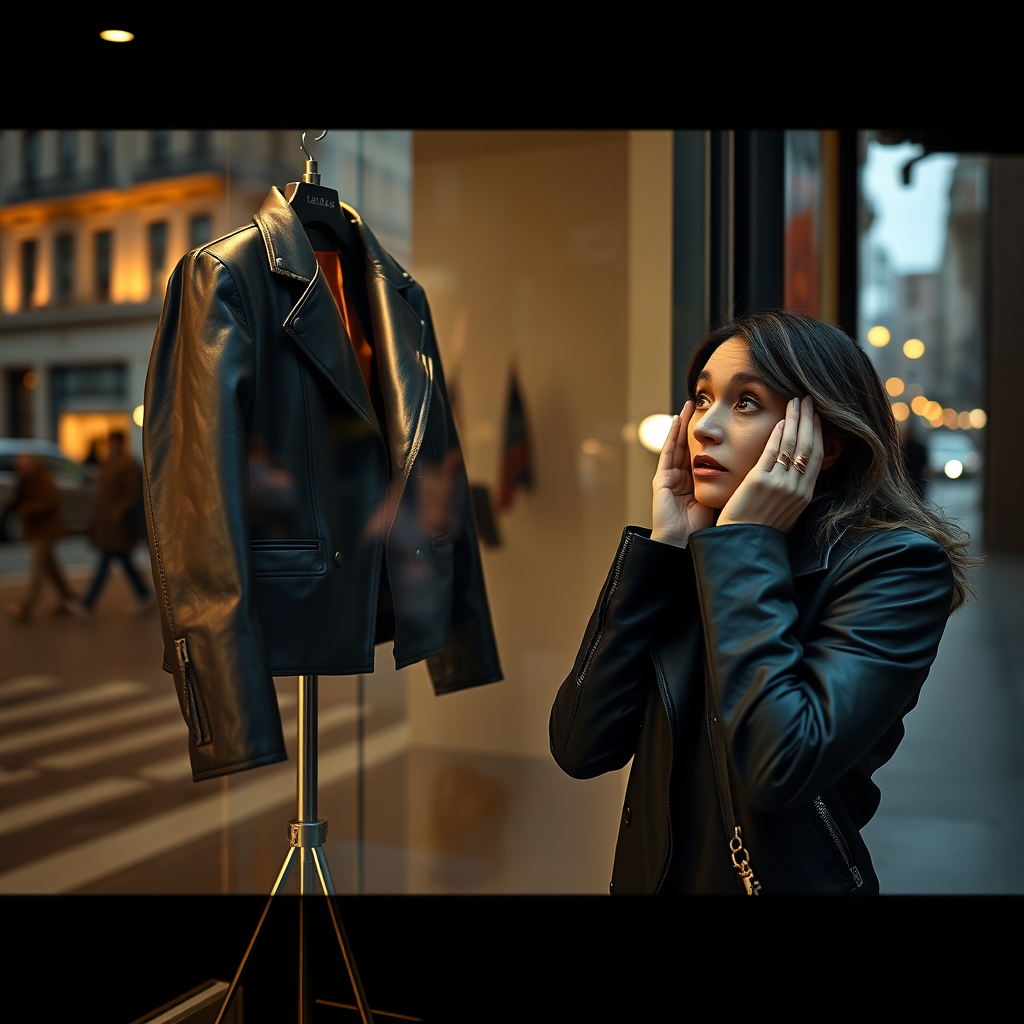
costing a lot of money
That coat is expensive. It costs two hundred dollars.
More examples: This watch is very expensive. • I cannot buy expensive shoes. • Restaurants in the city are expensive.
Common collocations: very expensive, too expensive, an expensive gift
Word family: expensive (adjective), expense (noun)
Synonyms: costly, high-priced
Antonyms: cheap, free
Related concepts: money, luxury, saving
Contexts: big shops, city stores, online shopping
Usage note: Use 'expensive' when something costs a lot. Say: 'It is too expensive for me.'
size
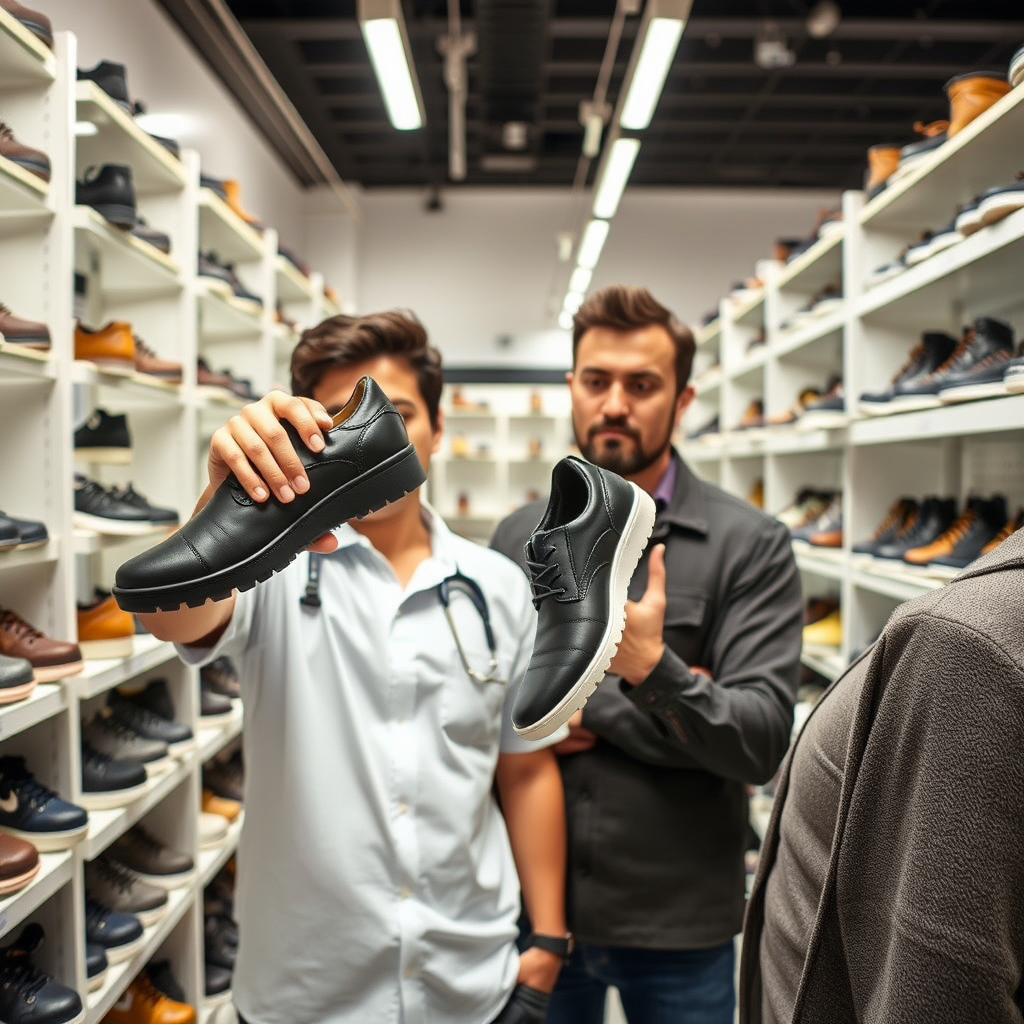
how big or small clothes are
What size do you wear? I wear small.
More examples: This shirt is the wrong size. • Do you have this in a big size? • My shoe size is forty.
Common collocations: what size, the right size, a small size
Word family: size (noun), sized (adjective)
Synonyms: fit, measurement
Related concepts: clothes, shoes, fitting
Contexts: clothing shops, shoe shops, online orders
Usage note: Use 'size' for clothes and shoes. Ask in a shop: 'Do you have a bigger size?'
try on

put on clothes to see if they fit
I want to try on this jacket before I buy it.
More examples: Can I try on these shoes? • She tries on three dresses. • Try it on. Maybe it fits!
Common collocations: try on a jacket, try it on, try on shoes
Word family: try (verb), try on (phrasal verb)
Synonyms: put on, test
Antonyms: take off
Related concepts: fitting room, mirror, fit
Contexts: clothing shops, fitting rooms, at home
Usage note: Use 'try on' only with clothes, shoes and hats. With a pronoun, say 'try it on'.
Vocabulary Check
- What does 'price' mean?
- How big a shirt is
- How much money a thing costs
- A color of clothes
- A kind of shop
- Which sentence uses 'cheap' correctly?
- The shoes are cheap. They cost one dollar.
- The shoes are cheap. They cost one thousand dollars.
- The shoes are cheap. They are very big.
- The shoes are cheap. They are red.
- When do we say 'expensive'?
- When a thing is free
- When a thing costs a lot of money
- When a thing is small
- When a thing is old
- What does 'size' mean?
- How much something costs
- Where you buy clothes
- How big or small clothes are
- What color clothes are
- In which situation do you 'try on' something?
- When you pay at the door
- When you look at a shop window
- When you put on shoes to see if they fit
- When you eat in a cafe
Language Practice: Talking About Shopping
Practice saying what you like and what you buy.
- Talking about prices
- Emerging: The price is ___. — The price is high.
- Developing: This ___ is ___ (cheap / expensive). — This jacket is expensive.
- Expanding: I like this ___, but the price is too ___. — I like this coat, but the price is too high.
- Asking about size in a shop
- Emerging: What size ___? — What size?
- Developing: Do you have this in size ___? — Do you have this in size small?
- Expanding: Do you have this shirt in a bigger size, please? — Do you have this shirt in a bigger size, please?
- Saying what you want to try on
- Emerging: I want to try on ___. — I want to try on this jacket.
- Developing: Can I try on these ___? — Can I try on these shoes?
- Expanding: I want to try on this ___ because I need a new ___ for ___. — I want to try on this jacket because I need a new jacket for winter.
Fill in the Blanks
Today I go shopping for new shoes. First, I look at the _____. The black shoes are very _____, so I look at other shoes. The brown shoes are _____. I ask the shop worker, 'Do you have my _____?' She says yes. I _____ the brown shoes. They fit well, and I buy them!
Word bank: price, cheap, expensive, size, try on
Sentence Unscramble
- What / is / the / price / of / this / shirt / ?
- I / want / to / try / on / these / shoes / .
- This / jacket / is / cheap / and / good / .
Discussion Questions
Maria looks at the price before she buys a jacket. Some people always look at the price. Other people buy what they like and do not look.
Do you look at the price before you buy clothes? Why?
Some clothes cost a lot of money. A big brand jacket can cost two hundred dollars. A market jacket can cost ten dollars.
Do you like to buy cheap clothes or expensive clothes? Why?
In the story, Maria tries on three jackets. The first one is too big. The last one fits well. Trying on clothes helps us find the right size.
Do you try on clothes before you buy them? What was the last thing you tried on?
Maria buys her jacket in a small shop near her home. Some people buy clothes in shops. Other people buy clothes online at home.
Where do you buy most of your clothes: in a shop or online? Why?
Maria is happy with her green jacket. It is cheap and it fits well. A good price and a good fit make shopping fun.
Tell me about something you bought that you love. Was it cheap or expensive?
Knowledge Check
- What is the 'price' of something?
- Its color
- How much money it costs
- Its size
- Where it is from
- A jacket costs five hundred dollars. Is it cheap or expensive?
- Cheap
- Expensive
- True or false: 'Try on' means to pay for clothes.
- True
- False
- Which question do you ask in a shoe shop?
- What size are these shoes?
- What color is the price?
- How old is this shoe shop?
- What time is the shoe?
- True or false: 'Cheap' means costing a lot of money.
- True
- False
Free to use with your students: Free to teach, screen-share, print and share with your students, with a credit to PlanWise ESL. Please do not sell it or republish it as your own. What you can do with free lessons.