Our Changing Planet: Talking About the Environment
About this lesson: This is a B2 (Upper Intermediate) ESL lesson in the General English category. It takes about 60 minutes. It includes 5 vocabulary words, 4 idioms and phrasal verbs, a reading text, comprehension questions, discussion questions and speaking patterns. Suits one-to-one or small-group online classes. Free to open and teach with no login, and it prints as a PDF.
Print just the discussion questions
How this lesson is built
This is a complete conversation lesson built on a scientific pedagogical formula, not a generic worksheet: recall prior topic vocabulary, pre-teach the new words in depth, read in context, practise active recall with flashcards and synonyms/antonyms, build accuracy with exercises, and finish with deep discussion.
- Warm-up: Discussion questions that connect the topic to the student’s own life and recall vocabulary they already know about the subject.
- Reading: A text written for this CEFR level that uses each new word two or three times in context, giving the student something meaningful to react to.
- Key vocabulary: 5 new words, pre-taught before the reading with a definition, pronunciation guide, example sentences and a picture, plus word families, usage notes, recall flashcards and synonyms/antonyms, giving a solid grounding before reading.
- Comprehension: 5 questions that check the new words: retrieval practice, not rereading.
- Idioms and phrasal verbs: Expressions taken from the reading, each with its meaning, an example and a speaking question.
- Sentence frames: 3 speaking patterns, each at three levels of support (emerging, developing, expanding) with model answers—especially helpful scaffolding for beginners and less confident speakers.
- Gap-fill: The new words again, in a shuffled order, so the student recalls them by meaning in context.
- Sentence unscramble: Natural sentences with the new words to put back in order, reinforcing grammar and collocation.
- Discussion: 5 open questions designed to talk deeply about the subject while actively using the lesson’s target vocabulary: the heart of a conversation lesson.
- Quiz: A short retrieval check that brings every new word back once more.
Unlike a generic worksheet, the new words are taught before the reading and met again in the activities, the speaking is supported at three levels and most of the time goes on the student talking. Teachers who use PlanWise ESL also get per-student vocabulary tracking (recycling earlier words into future readings and questions), a private learner dashboard with flashcards and custom lesson creation, and a downloadable study PDF.
Warm-up: Weather and the World Around You
Look at the questions and talk about your own experience of the environment where you live.
- What's the weather usually like where you live? Has it changed in recent years?
- Do you ever think about the environment in your daily life, like when you shop or travel?
- Have you ever experienced a natural event like a flood, a heatwave or a big storm?
- Do you recycle at home? Is it easy or difficult where you live?
- When you hear the words 'climate change', what picture comes into your head?
Reading Text: Two Towns, Two Answers
A short magazine-style article about two towns facing climate problems in different ways. Read it, then tell me what you think.
Last summer, the small farming town of Riverton faced its worst drought in fifty years. The river that local farmers depend on almost dried up, and families were told to use less water. Many residents started collecting rainwater and fixing leaky pipes. 'We can't control the weather,' one farmer said, 'but we can change how we live.'
Not far away, the city of Marlow took a different path. It invested in renewable energy, putting solar panels on schools and wind turbines on the hills nearby. Within three years, the city had cut its emissions by a third. Buses now run on electricity, and residents say the air feels cleaner than before.
But not everyone agrees on who should act. Some people say governments must tackle climate change with strict laws and big investments. Others believe real change starts with individuals, who can cut their own emissions every day. Both sides have a point, and the debate can get quite heated.
Meanwhile, ordinary people are finding their own ways to live more sustainably. Some shop with cloth bags and repair old clothes instead of buying new ones. Others cycle to work or eat less meat. None of these actions is huge on its own, but together they add up.
Experts say the next ten years matter most. Whether the future is greener may depend less on big promises and more on what towns like Riverton, and people like us, decide to do next.
Key Vocabulary
sustainable
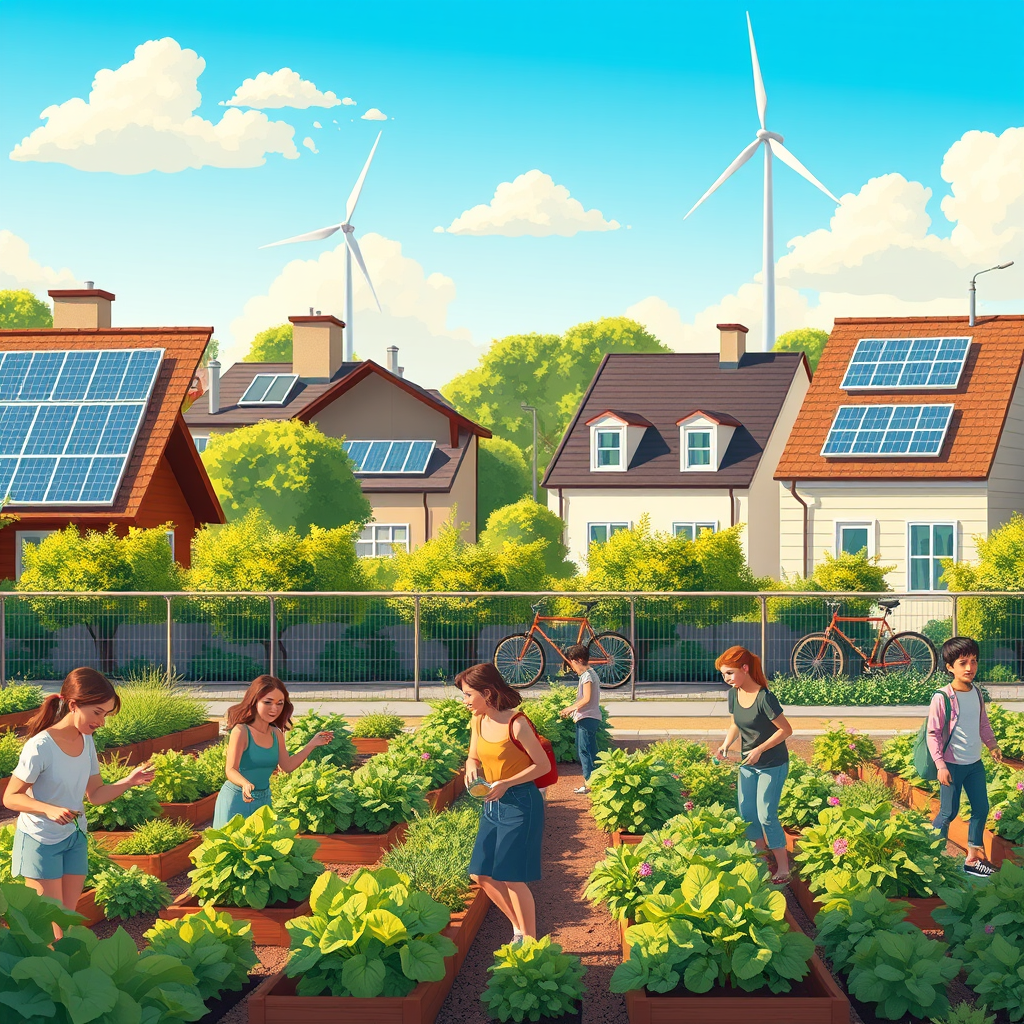
able to continue for a long time without harming the environment
We need to find sustainable ways to travel that don't pollute the air.
More examples: The company wants to build sustainable homes that use very little energy. • Is that brand actually sustainable, or is it just good marketing? • I'm trying to make my shopping habits more sustainable this year.
Common collocations: sustainable development, a sustainable lifestyle, environmentally sustainable
Word family: sustain (verb), sustainability (noun), sustainably (adverb)
Synonyms: eco-friendly, green, long-lasting
Antonyms: wasteful, harmful, unsustainable
Related concepts: the environment, resources, the future
Contexts: news about climate, business and cities, everyday habits
Usage note: Usually comes before a noun: sustainable farming, sustainable growth. Very common in news about business, cities and the environment. It always suggests something can keep going long-term without running out or causing damage.
emissions
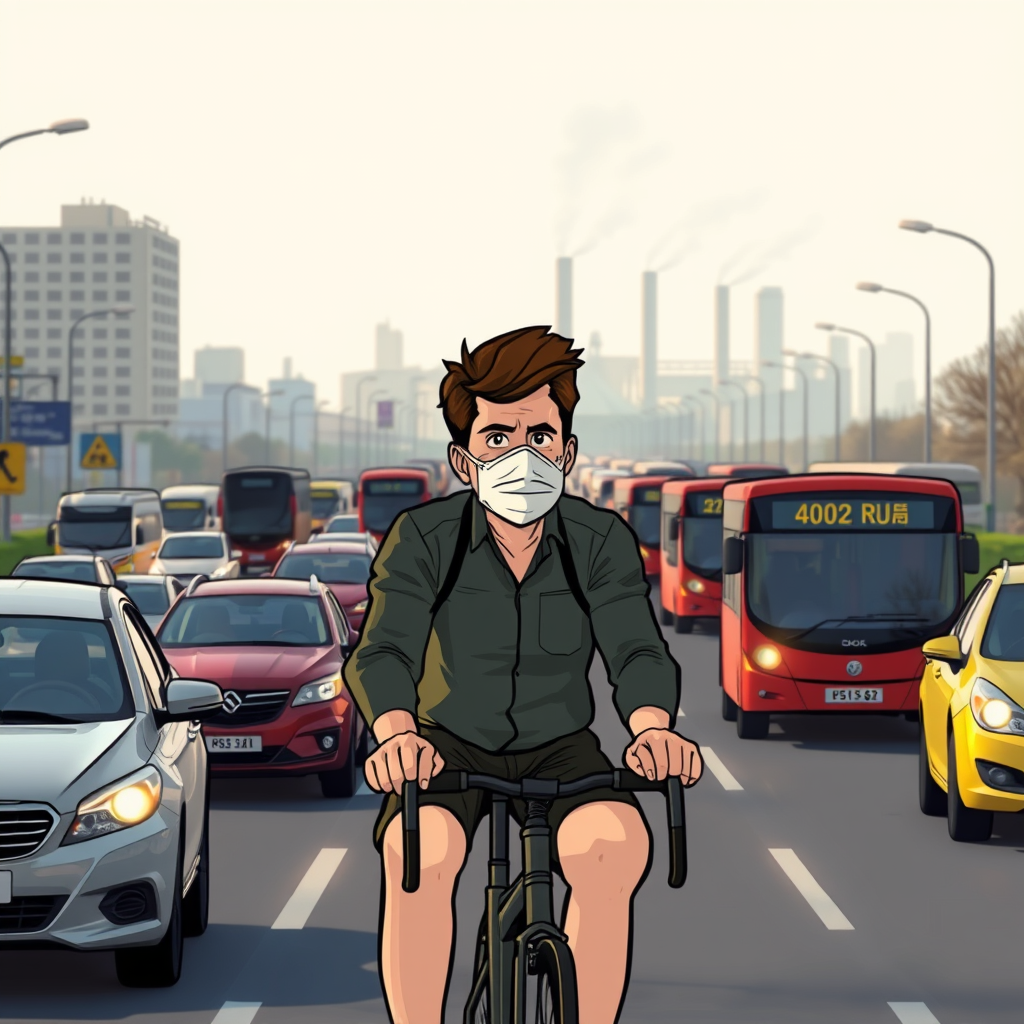
gases or other substances sent out into the air
New laws aim to cut emissions from cars and factories.
More examples: The city promised to reduce emissions by half before 2035. • Electric cars produce no emissions while they are driving. • Flying less is one way to lower your personal emissions.
Common collocations: cut emissions, carbon emissions, reduce emissions
Word family: emit (verb), emission (noun, singular)
Synonyms: pollution, exhaust gases, fumes
Antonyms: clean air, fresh air
Related concepts: carbon dioxide, air quality, global warming
Contexts: climate news, transport, government policy
Usage note: Almost always used in the plural when talking about pollution and climate. Common verbs are cut, reduce and lower. You often hear 'carbon emissions' or 'greenhouse gas emissions' in the news.
drought
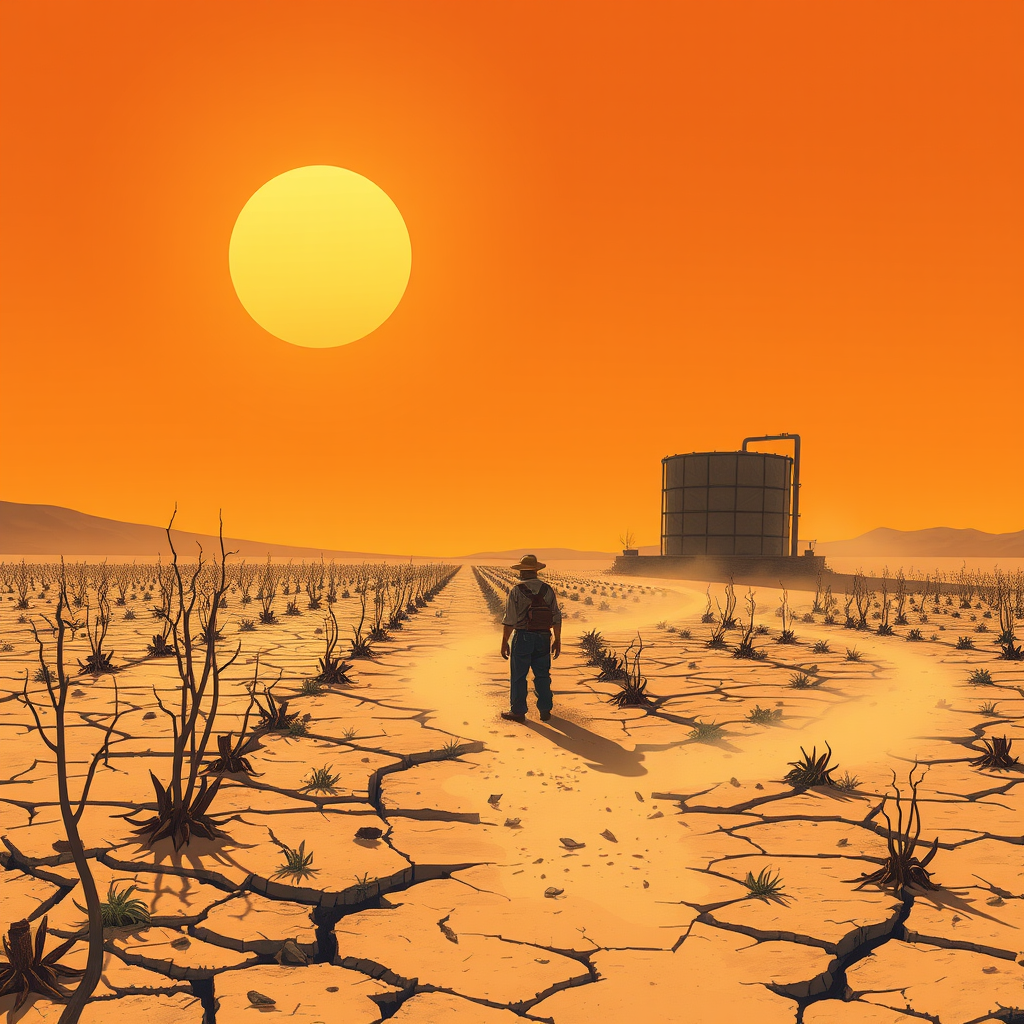
a long period with little or no rain
The drought killed most of the crops on the farm.
More examples: After months of drought, the fields turned brown and dry. • The government sent water trucks to villages during the drought. • Scientists say droughts are becoming more common in some regions.
Common collocations: a severe drought, a long drought, drought conditions
Word family: droughts (plural noun)
Synonyms: dry spell, water shortage
Antonyms: flood, rainy season
Related concepts: farming, water supply, extreme weather
Contexts: weather reports, farming news, climate change discussions
Usage note: Use with adjectives like severe, long or serious. Common verbs: suffer a drought, face a drought, break a drought. Note the silent 'gh' — the word sounds like 'crowd' but with a T at the end.
renewable
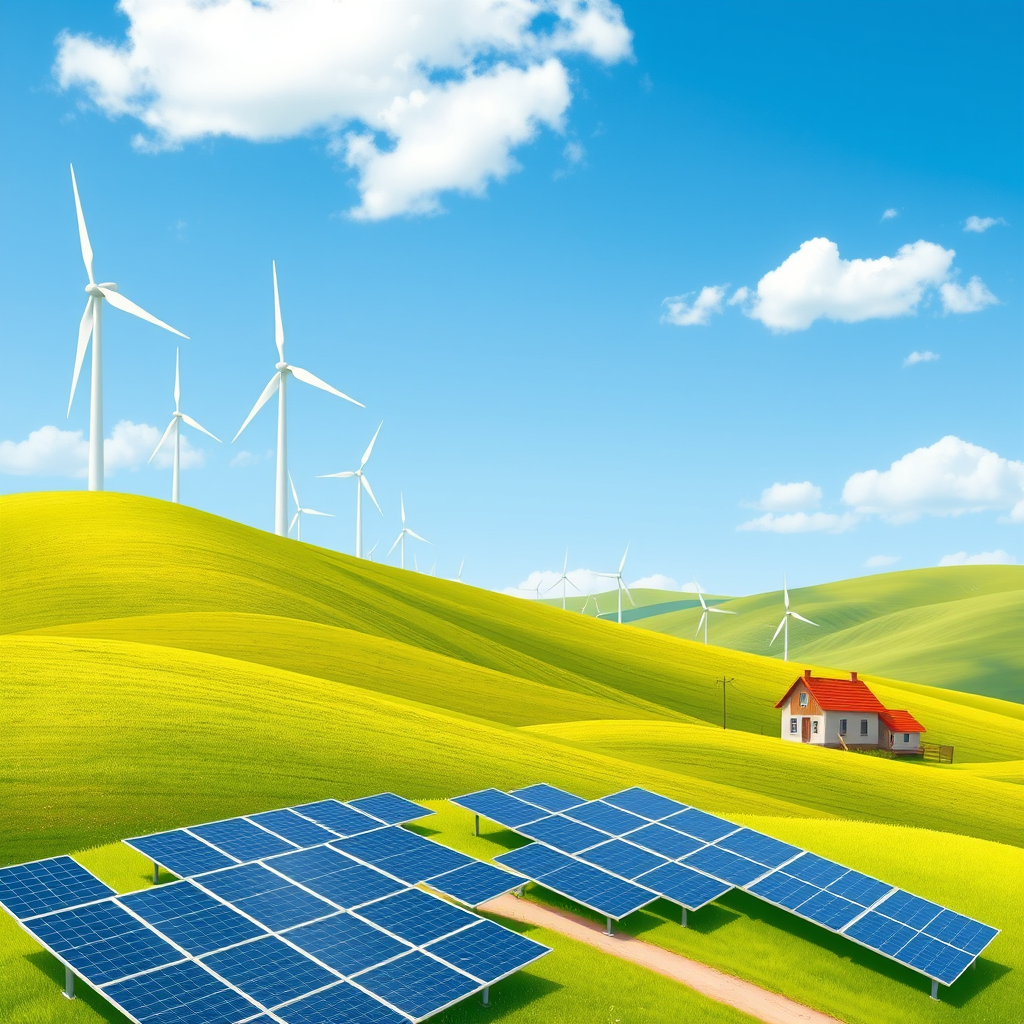
describes energy from sources that never run out, like wind or sun
Wind and solar power are renewable sources of energy.
More examples: The island gets most of its electricity from renewable sources. • Many countries are investing heavily in renewable energy. • Switching to renewable power can be expensive at first.
Common collocations: renewable energy, renewable sources, renewable power
Word family: renew (verb), renewable energy (noun phrase), renewables (noun, informal)
Synonyms: green energy, clean energy, sustainable energy
Antonyms: non-renewable, fossil fuel energy
Related concepts: solar power, wind power, electricity
Contexts: energy news, government plans, home technology
Usage note: Almost always used before 'energy', 'power' or 'sources'. The opposite is non-renewable, used for coal, oil and gas, which will eventually run out.
tackle
to try to deal with a difficult problem
The city introduced new electric buses to tackle air pollution.
More examples: Governments must work together to tackle climate change. • She decided to tackle the problem step by step. • It's hard to tackle traffic without better public transport.
Common collocations: tackle a problem, tackle climate change, tackle the issue
Word family: tackles (third person), tackled (past), tackling (gerund)
Synonyms: deal with, address, take on
Antonyms: ignore, avoid
Related concepts: problems, solutions, action
Contexts: news and politics, work meetings, community projects
Usage note: Strong and active — it suggests facing a problem directly and with effort. Common objects: problem, issue, challenge, crisis. Very frequent in news and work discussions. It does not mean the problem is solved, only that someone is dealing with it.
Vocabulary Check
- What does 'sustainable' mean?
- Very expensive and difficult to do
- Happening very quickly
- Able to continue for a long time without harming the environment
- Related only to the sun and solar power
- What are 'emissions'?
- Gases or substances sent out into the air, often from cars and factories
- Heavy rains that cause flooding
- New types of green energy
- Rules that governments make about recycling
- A 'drought' is...
- A very strong storm with heavy rain
- A period of very cold weather
- A type of renewable energy
- A long period with little or no rain
- 'Renewable' energy comes from...
- Coal, oil and gas
- Sources that never run out, like wind and sunshine
- Factories and power stations
- Recycled plastic and paper
- To 'tackle' a problem means to...
- Completely ignore it
- Talk about it once and forget it
- Try to deal with it directly
- Make the problem worse on purpose
Idioms & Phrasal Verbs
dry up
to lose all water and become dry
If it doesn't rain soon, the small lakes will dry up completely.
Usage note: The small word 'up' often means 'completely' — so 'dry up' means totally dry. · Right: The river dried up. · Avoid: The river dried.
add up
small things together make a big effect
Saving a little money each week really adds up over a year.
Usage note: No object needed — small things 'add up' by themselves.
Usage note: Also used with numbers: 'the bill doesn't add up' means the maths is wrong.
have a point
to say something true or reasonable
My brother says walking is better than driving, and he has a point.
Usage note: Picture a sharp 'point' of an argument — something that really sticks.
Usage note: Very common in friendly disagreements: 'You have a point, but...'
cut down on
to use or do less of something
I'm trying to cut down on plastic, so I take my own bags shopping.
Usage note: Always needs 'on' before the thing you reduce. · Right: cut down on sugar · Avoid: cut down sugar on
Usage note: 'Cut down on' means reduce; 'cut down a tree' means make it fall — different meanings!
Language Practice: Talking About the Environment
Practice expressing ideas about the environment and climate change.
- Comparing different opinions
- Emerging: Some people say ___, but I think ___. — Some people say only governments can fix climate change, but I think individuals matter too.
- Developing: Some people say ___, but I think ___ because ___. — Some people say one person can't make a difference, but I think small actions matter because millions of people doing them adds up.
- Expanding: Some people say ___, and I can see why, but personally I think ___ because ___. — Some people say governments should tackle climate change with strict laws, and I can see why, but personally I think change works best when individuals join in, because laws alone don't change habits.
- Weighing up pros and cons
- Emerging: The good thing about ___ is ___. — The good thing about cycling is that it produces no emissions.
- Developing: The good thing about ___ is ___, but on the other hand, ___. — The good thing about electric cars is that they cut emissions, but on the other hand, the electricity has to come from somewhere.
- Expanding: The main advantage of ___ is ___, but on the other hand, ___, so it really depends on ___. — The main advantage of renewable energy is that it never runs out, but on the other hand, it can be unreliable on calm or cloudy days, so it really depends on where you live.
- Imagining situations and consequences
- Emerging: If my town ___, it would ___. — If my town planted more trees, it would be cooler in summer.
- Developing: If my town ___, it would ___, and people would ___. — If my town switched to renewable energy, it would cut emissions, and people would breathe cleaner air.
- Expanding: If my town ___, it would ___, and although ___ , I think people would ___ in the end. — If my town invested in renewable energy now, it would save money in the long run, and although the change would be expensive at first, I think people would support it in the end.
Fill in the Blanks
Last year, my town experienced a serious _____, and we had to save water for months. The local council decided to _____ the problem by installing solar panels on public buildings. Now the town gets most of its power from _____ sources, which has made our energy supply much more _____. The council also wants to reduce _____ from traffic by adding new bike lanes and electric buses.
Word bank: sustainable, emissions, drought, renewable, tackle
Sentence Unscramble
- Many / cities / are / switching / to / renewable / energy / to / cut / emissions / .
- The / drought / lasted / for / months / , / so / farmers / had / to / change / their / plans / .
- It / is / not / easy / to / tackle / climate / change / , / but / small / actions / help / .
Discussion Questions
Around the world, many people say the weather feels different from when they were children. Summers seem hotter, storms seem stronger, and some regions face long dry periods while others get too much rain. Scientists connect many of these changes to a warming climate.
Have you noticed any changes in the weather or nature where you live? What's different from when you were younger?
There's a big debate about who is responsible for protecting the environment. Some people believe governments and big companies must lead with laws and investment. Others say it starts with each of us — what we buy, how we travel and what we throw away. Most people agree both matter, but they disagree on which matters more.
Who should do more to tackle climate change — governments or individuals? Why do you think so?
Many countries are building wind farms and solar parks to produce cleaner energy. These projects cut emissions, but they also change the landscape, and some communities don't want turbines or panels near their homes. It's a real trade-off between clean energy and local opinion.
Would you support a wind farm or solar park near your home? What would be the pros and cons for your area?
Living more sustainably doesn't have to mean huge sacrifices. Some people cycle instead of driving, eat less meat, repair clothes, or fly less often. Small habits, repeated by millions of people, can add up to real change — though not everyone finds it easy to change their routine.
If you had to change one habit to help the environment, which one would you choose? Would it be easy or difficult for you?
Imagine the year 2050. If the world acts now, cities could be greener, quieter and cleaner, with renewable power and better public transport. If the world does little, some places could face regular droughts, floods and heatwaves. The future could look very different depending on the choices made in the next few years.
What do you think daily life will look like in 2050 — the good version or the bad one? What's one thing that would make you feel hopeful about the future?
Knowledge Check
- Which word describes energy from sources that never run out, like wind and sunshine?
- drought
- renewable
- emissions
- tackle
- True or false: 'Sustainable' describes something that can continue for a long time without damaging the planet.
- True
- False
- A long period with very little or no rain is called...
- an emission
- a tackle
- a drought
- a renewable
- True or false: 'Emissions' are gases released into the air, often from cars and factories.
- True
- False
- Choose the correct word: 'The government promised to ___ the problem of plastic waste.'
- drought
- renewable
- sustainable
- tackle
- If someone says small actions 'add up', what do they mean?
- The actions are too small to matter.
- Many small actions together create a big effect.
- You need to count the actions carefully.
- The actions are difficult to do.
Free to use with your students: Free to teach, screen-share, print and share with your students, with a credit to PlanWise ESL. Please do not sell it or republish it as your own. What you can do with free lessons.