Green Power or Growing Money? Talking About Renewable Energy and the Economy
About this lesson: This is a B2 (Upper Intermediate) ESL lesson in the General English category. It takes about 60 minutes. It includes 5 vocabulary words, 4 idioms and phrasal verbs, a reading text, comprehension questions, discussion questions and speaking patterns. Suits one-to-one or small-group online classes. Free to open and teach with no login, and it prints as a PDF.
Print just the discussion questions
How this lesson is built
This is a complete conversation lesson built on a scientific pedagogical formula, not a generic worksheet: recall prior topic vocabulary, pre-teach the new words in depth, read in context, practise active recall with flashcards and synonyms/antonyms, build accuracy with exercises, and finish with deep discussion.
- Warm-up: Discussion questions that connect the topic to the student’s own life and recall vocabulary they already know about the subject.
- Reading: A text written for this CEFR level that uses each new word two or three times in context, giving the student something meaningful to react to.
- Key vocabulary: 5 new words, pre-taught before the reading with a definition, pronunciation guide, example sentences and a picture, plus word families, usage notes, recall flashcards and synonyms/antonyms, giving a solid grounding before reading.
- Comprehension: 5 questions that check the new words: retrieval practice, not rereading.
- Idioms and phrasal verbs: Expressions taken from the reading, each with its meaning, an example and a speaking question.
- Sentence frames: 3 speaking patterns, each at three levels of support (emerging, developing, expanding) with model answers—especially helpful scaffolding for beginners and less confident speakers.
- Gap-fill: The new words again, in a shuffled order, so the student recalls them by meaning in context.
- Sentence unscramble: Natural sentences with the new words to put back in order, reinforcing grammar and collocation.
- Discussion: 5 open questions designed to talk deeply about the subject while actively using the lesson’s target vocabulary: the heart of a conversation lesson.
- Quiz: A short retrieval check that brings every new word back once more.
Unlike a generic worksheet, the new words are taught before the reading and met again in the activities, the speaking is supported at three levels and most of the time goes on the student talking. Teachers who use PlanWise ESL also get per-student vocabulary tracking (recycling earlier words into future readings and questions), a private learner dashboard with flashcards and custom lesson creation, and a downloadable study PDF.
Warm-up: Energy in Your Life
Let's start by thinking about where your electricity comes from and how you feel about it. There are no wrong answers here — just talk!
- Where does the electricity in your home come from, do you know? Coal, gas, water, sun, wind?
- Have you noticed more solar panels or wind turbines near where you live?
- Is your electricity bill going up or down these days? How do you feel about it?
- If you could choose, would your country spend more money on green energy or on other things, like hospitals or roads?
- Do you do anything 'green' in daily life — recycling, saving power, walking instead of driving?
Reading Text: A Small Town's Big Energy Decision
Read this short story about a town facing a difficult choice between green energy and jobs. As you read, notice the five key words in bold.
The town of Marlow used to live on coal. For sixty years, the power station gave jobs to half the town, and almost everyone agreed it was the heart of local life. But last year, the government announced a plan to phase out coal power across the country within ten years.
Not everyone is happy. 'They can't just close it,' says Tom, a 52-year-old engineer. 'My whole family works there. Green energy sounds nice, but nice doesn't pay the bills.' For Tom and many others, the plan feels like a trade-off: cleaner air on one side, lost jobs on the other.
The town's mayor sees it differently. She wants to build a wind farm on the hills nearby, plus a factory that makes turbine parts. 'It's the only sustainable path,' she says. 'Coal is ending whether we like it or not. The question is whether we get the new jobs or watch them go somewhere else.'
The government has offered a strong incentive: if the town accepts the wind farm, it will receive money to retrain workers and improve local roads and schools. Supporters say this is a rare chance. Critics answer that promises are easy to make and hard to keep.
There is also a practical problem. The hills are windy, but the roads there are narrow, and the local power grid is old. Building the infrastructure for a wind farm will cost millions and take years. 'You can't put up a wind farm on a dirt road,' one engineer laughs. The town will vote next month, and whatever they decide, other towns are watching closely.
Key Vocabulary
sustainable
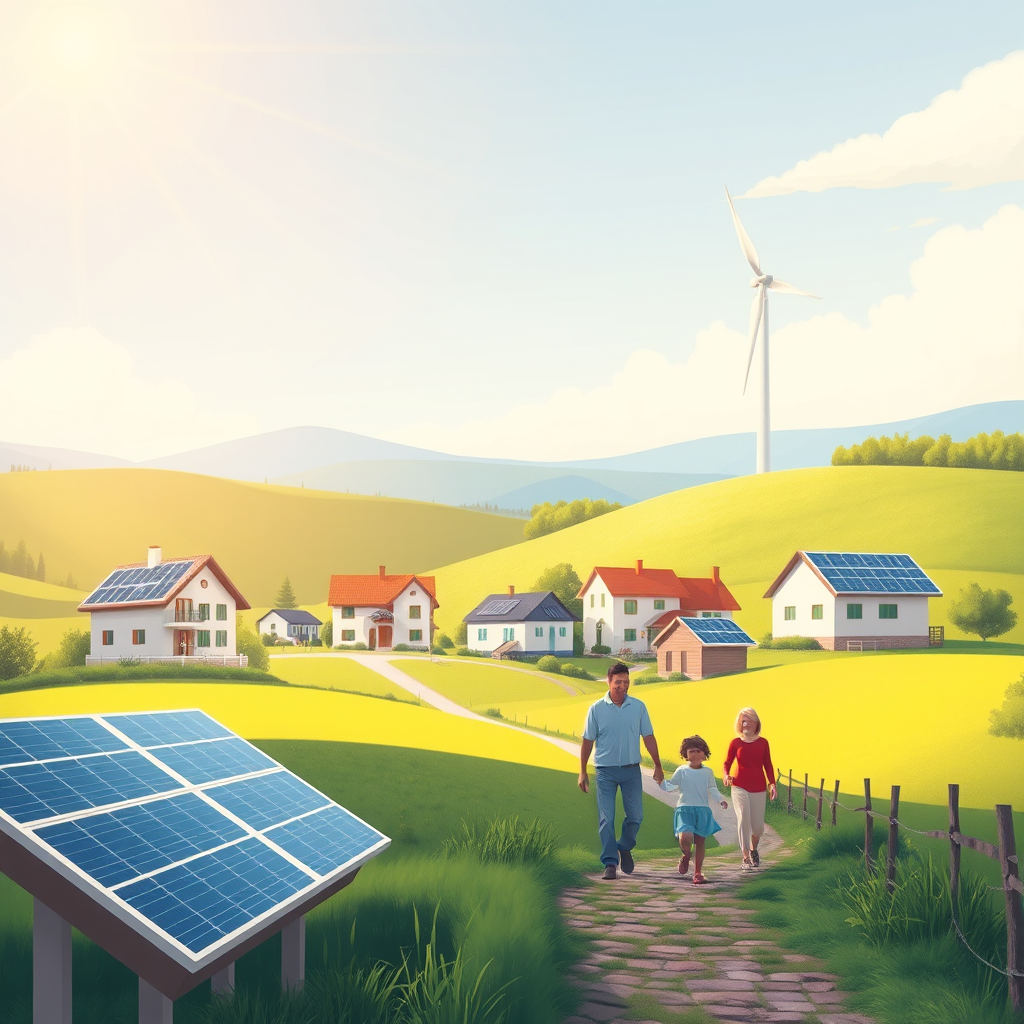
Able to continue for a long time without harming the planet or running out
Solar power is a sustainable way to produce electricity.
More examples: We need a sustainable plan for the city's water supply. • Is that business model really sustainable, or will it collapse? • I try to live a more sustainable life — less plastic, less waste.
Common collocations: sustainable development, sustainable energy, sustainable growth
Word family: sustain (verb), sustainability (noun)
Synonyms: long-lasting, eco-friendly, viable
Antonyms: unsustainable, short-term, harmful
Related concepts: renewable energy, climate change, green living
Contexts: news about the environment, business planning, city development
Usage note: Often used about the environment, but also about plans, businesses or habits that can last. Common in news and work talk.
incentive

Something that makes you want to do something, like a reward
The discount was a good incentive to buy the car now.
More examples: Bonuses are a common incentive for sales staff. • The government gives tax incentives to companies that go green. • Free coffee is hardly a strong incentive to come to work early!
Common collocations: offer an incentive, financial incentive, a strong incentive to
Word family: incentivize (verb)
Synonyms: reward, motivation, encouragement
Antonyms: disincentive, penalty, discouragement
Related concepts: bonuses, tax breaks, motivation
Contexts: work and salaries, government policy, shopping deals
Usage note: Usually about rewards, not punishments. Very common in business and government talk. Countable: an incentive, incentives.
trade-off
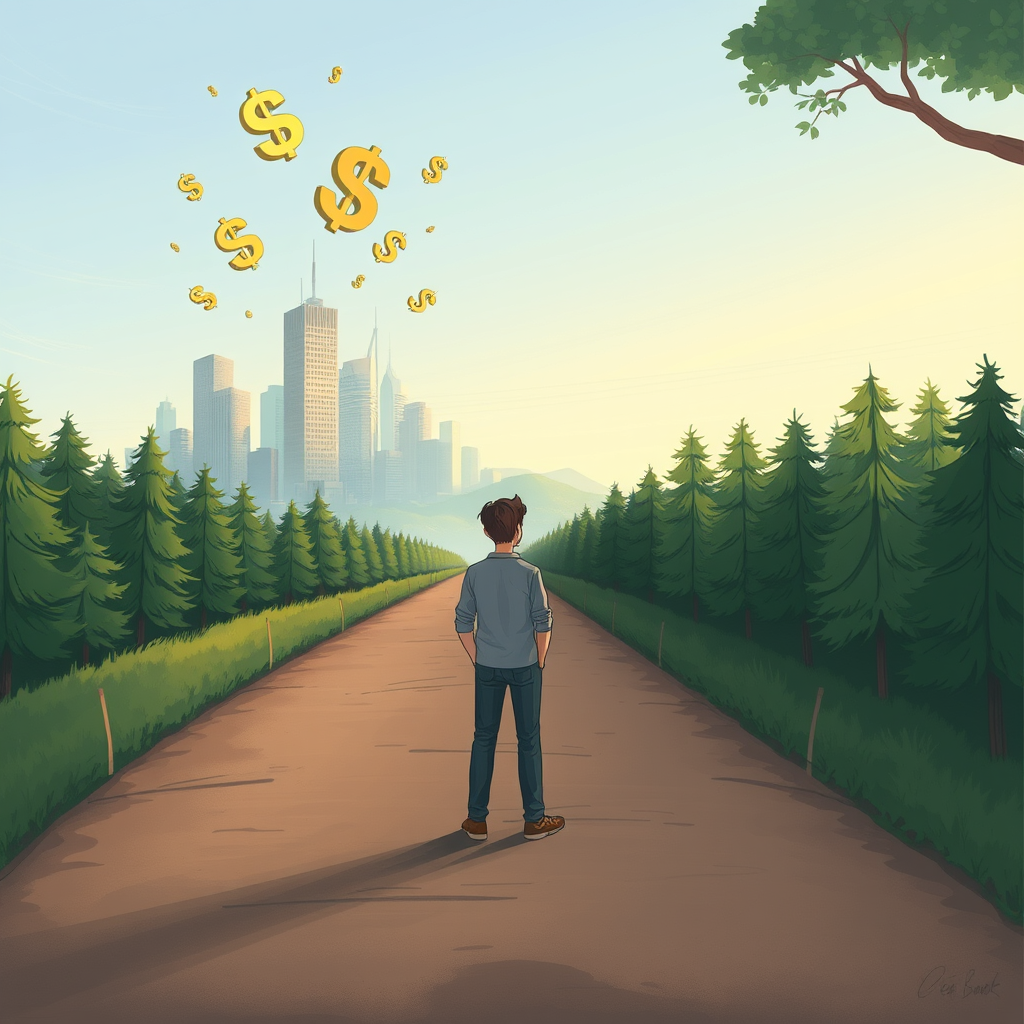
A situation where you give up one good thing to get another
A bigger apartment means a longer commute — that's the trade-off.
More examples: There's always a trade-off between speed and quality. • The trade-off for a higher salary was less time with family. • Cheap flights come with a trade-off: less comfort.
Common collocations: a trade-off between X and Y, make a trade-off, an inevitable trade-off
Word family: trade (verb), trade-off (also written tradeoff)
Synonyms: compromise, exchange, balance
Antonyms: win-win, free lunch
Related concepts: pros and cons, compromise, decision-making
Contexts: career choices, shopping decisions, policy debates
Usage note: Very useful for comparing pros and cons — perfect for IELTS-style discussion. Usually singular with 'a', often followed by 'between'.
phase out
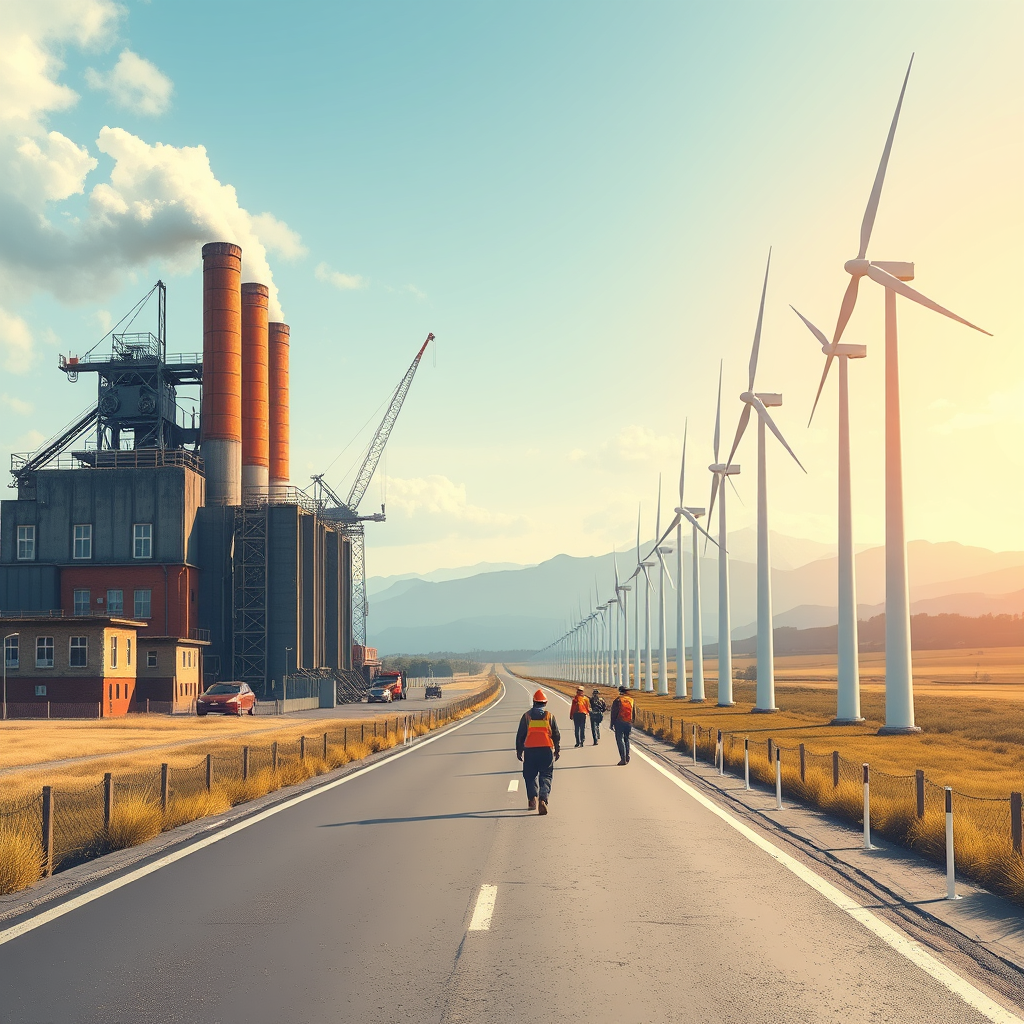
To stop using something slowly, step by step
The country plans to phase out petrol cars by 2040.
More examples: Plastic bags were phased out in most supermarkets. • The company is phasing out its older models. • They decided to phase out paper tickets and go fully digital.
Common collocations: phase out coal, be phased out by 2030, gradually phase out
Word family: phase (noun), phase in (opposite phrasal verb)
Synonyms: gradually stop, wind down, discontinue
Antonyms: phase in, introduce, expand
Related concepts: banning, transition, old technology
Contexts: energy policy, product lines, technology change
Usage note: Always about slow, planned removal — not sudden banning. Often passive: 'was phased out'. Common with products, fuels and old systems.
infrastructure
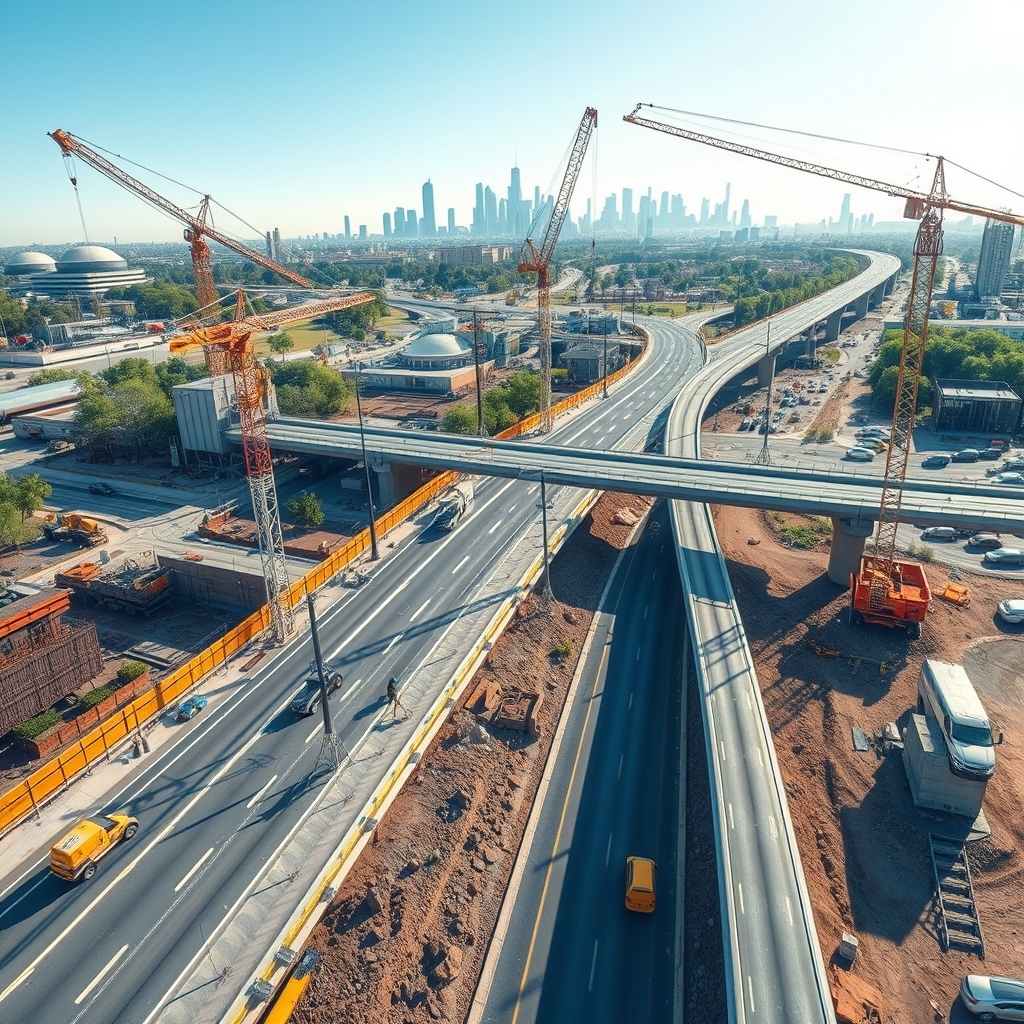
The basic systems a country needs, like roads, power and internet
The country needs better infrastructure to support electric cars.
More examples: Storms damaged the island's infrastructure. • Good infrastructure attracts foreign companies. • The city is investing heavily in transport infrastructure.
Common collocations: invest in infrastructure, ageing infrastructure, infrastructure projects
Word family: infrastructural (adjective, rare)
Synonyms: public systems, facilities, networks
Related concepts: public spending, urban planning, development
Contexts: government budgets, construction, news about disasters
Usage note: Uncountable — say 'infrastructure', never 'infrastructures'. Often described as good, poor, modern or ageing.
Vocabulary Check
- What does 'sustainable' mean?
- Very expensive
- Able to continue for a long time without causing harm
- Brand new and modern
- Popular with young people
- Which sentence uses 'incentive' correctly?
- The rain was an incentive to stay indoors all weekend.
- She had no incentive to work harder because the pay never changed.
- He incentive his brother to clean the garage.
- The incentive of the mountain was covered in snow.
- In which situation would you use 'trade-off'?
- When you get two benefits at the same time with no cost
- When you win a prize in a competition
- When you give up one advantage in order to gain another
- When you trade old clothes at a market
- What does it mean if a country plans to 'phase out' coal?
- It will ban coal immediately, starting tomorrow
- It will stop using coal slowly, step by step
- It will start using more coal than before
- It will sell its coal to other countries
- Which of these is an example of infrastructure?
- A famous singer
- A family holiday
- A new smartphone app
- Roads, bridges and power lines
Idioms & Phrasal Verbs
live on
to depend on something for money or survival
My grandparents lived on what they grew in their garden.
Usage note: The small word 'on' shows what supports you. It cannot be split: 'live on coal', not 'live coal on'.
pay the bills
to earn enough money to cover basic costs
I love painting, but it doesn't pay the bills yet.
Usage note: The picture is simple: money coming in has to cover the bills going out. People often use it about jobs they don't love but need.
put up
to build or place something
They want to put up a new apartment block near the station.
Usage note: With this meaning it can be split: 'put up a fence' or 'put a fence up'. Both are fine.
in the long run
over a long period of time; eventually
Buying quality shoes is cheaper in the long run.
Usage note: The picture comes from running a race: what matters is the finish, not the first few metres. Often used with 'but': 'It costs more now, but in the long run...'
Language Practice: Comparing and Deciding
Practice expressing ideas about energy choices, money and the future.
- Comparing two points of view
- Emerging: Some people say ___, but I think ___. — Some people say coal jobs matter more, but I think clean air matters more.
- Developing: While some people argue that ___, I believe ___ because ___. — While some people argue that jobs come first, I believe the environment can't wait because pollution affects everyone.
- Expanding: Although ___ makes a fair point about ___, I'd still argue that ___, especially since ___. — Although Tom makes a fair point about losing jobs, I'd still argue that retraining is the better path, especially since coal was ending anyway.
- Weighing pros and cons
- Emerging: The good thing is ___, but the bad thing is ___. — The good thing is cleaner air, but the bad thing is fewer jobs.
- Developing: On the one hand, ___; on the other hand, ___. It's a real trade-off between ___ and ___. — On the one hand, wind farms create new jobs; on the other hand, coal workers lose theirs. It's a real trade-off between the future and the present.
- Expanding: The main trade-off here is between ___ and ___. If we prioritize ___, we risk ___, but if we ignore ___, we could lose ___. — The main trade-off here is between short-term jobs and long-term health. If we prioritize jobs, we risk locking the town into a dying industry, but if we ignore the workers, we could lose the whole community.
- Imagining future situations
- Emerging: If I lived there, I would ___. — If I lived there, I would vote for the wind farm.
- Developing: If my country phased out ___, I think people would ___ because ___. — If my country phased out petrol cars, I think people would complain at first because many can't afford electric ones.
- Expanding: If I were making the decision, I would ___ first, and then ___, because otherwise ___. — If I were making the decision, I would start retraining the coal workers first, and then build the wind farm, because otherwise people would resist the whole plan.
Fill in the Blanks
When the fishing village of Halden decided to _____ its old diesel boats, not everyone agreed. The mayor called it a _____: cleaner water and quieter seas on one side, higher costs for fishermen on the other. To make the change easier, the government offered a _____ — a big discount for anyone who bought an electric boat. But there was a problem: the harbour had no charging stations, and building that _____ would take three years. Still, the mayor stayed hopeful. 'This is the only _____ way forward,' she told the town. 'The fish, the sea and our children will thank us.'
Word bank: sustainable, incentive, trade-off, phase out, infrastructure
Sentence Unscramble
- the / government / offered / a / strong / incentive / to / switch / to / green / energy
- there / is / always / a / trade-off / between / cost / and / quality
- many / countries / plan / to / phase / out / coal / over / the / next / twenty / years
Discussion Questions
In the reading, Tom fears losing his coal job, while the mayor dreams of wind farms and new factories. Both of them live in the same town and want the same basic thing: a good future. But they see the path to it very differently.
If you lived in a town like Marlow, would you vote for the wind farm or try to save the coal station? Why?
Some countries are rich enough to build wind farms and solar parks without much pain. Others are still growing their economies and say they can't afford to go green yet — they need cheap energy now, even if it's dirty.
Should poorer countries be allowed to prioritize economic growth over green energy? What would be fair?
Governments often use incentives to change behaviour: tax discounts for electric cars, payments for installing solar panels, penalties for wasting energy. Some people love these programs; others say the government shouldn't push people around.
What incentive would actually make you change your habits — for example, to buy an electric car or use less energy at home?
Almost every big change involves a trade-off. Electric cars are cleaner but need new infrastructure like charging stations. Working from home saves commuting time but can feel lonely. Cheap fast fashion is fun but creates waste.
Tell me about a trade-off in your own life — something where you gave up one good thing to get another. Was it worth it?
Imagine it's the year 2050. In one version of the future, the world went green fast: clean air, quiet cities, but some industries disappeared and some people struggled during the change. In another version, the world grew the economy first and dealt with pollution later.
Which version of 2050 would you rather live in, and what would you be willing to give up today to get there?
Knowledge Check
- Which word describes basic systems like roads, power lines and the internet?
- Incentive
- Infrastructure
- Trade-off
- Sustainable
- True or false: 'phase out' means to stop something immediately and completely.
- True
- False
- A company gives workers a bonus for saving energy at the office. The bonus is an example of...
- a trade-off
- infrastructure
- an incentive
- a phase-out
- True or false: 'sustainable' only describes things related to the environment.
- True
- False
- 'You can earn more money in the city, but you'll spend more on rent.' This situation is best described as...
- a trade-off
- an incentive
- infrastructure
- a phase-out
- What does it mean if a job 'pays the bills'?
- It gives you enough money for your basic costs
- It comes with free electricity
- It involves a lot of paperwork
- It pays you once a year
Free to use with your students: Free to teach, screen-share, print and share with your students, with a credit to PlanWise ESL. Please do not sell it or republish it as your own. What you can do with free lessons.