Life Without Cash: Are We Losing Control of Our Money?
About this lesson: This is a B2 (Upper Intermediate) ESL lesson in the General English category. It takes about 60 minutes. It includes 5 vocabulary words, 4 idioms and phrasal verbs, a reading text, comprehension questions, discussion questions and speaking patterns. Suits one-to-one or small-group online classes. Free to open and teach with no login, and it prints as a PDF.
Print just the discussion questions
How this lesson is built
This is a complete conversation lesson built on a scientific pedagogical formula, not a generic worksheet: recall prior topic vocabulary, pre-teach the new words in depth, read in context, practise active recall with flashcards and synonyms/antonyms, build accuracy with exercises, and finish with deep discussion.
- Warm-up: Discussion questions that connect the topic to the student’s own life and recall vocabulary they already know about the subject.
- Reading: A text written for this CEFR level that uses each new word two or three times in context, giving the student something meaningful to react to.
- Key vocabulary: 5 new words, pre-taught before the reading with a definition, pronunciation guide, example sentences and a picture, plus word families, usage notes, recall flashcards and synonyms/antonyms, giving a solid grounding before reading.
- Comprehension: 5 questions that check the new words: retrieval practice, not rereading.
- Idioms and phrasal verbs: Expressions taken from the reading, each with its meaning, an example and a speaking question.
- Sentence frames: 3 speaking patterns, each at three levels of support (emerging, developing, expanding) with model answers—especially helpful scaffolding for beginners and less confident speakers.
- Gap-fill: The new words again, in a shuffled order, so the student recalls them by meaning in context.
- Sentence unscramble: Natural sentences with the new words to put back in order, reinforcing grammar and collocation.
- Discussion: 5 open questions designed to talk deeply about the subject while actively using the lesson’s target vocabulary: the heart of a conversation lesson.
- Quiz: A short retrieval check that brings every new word back once more.
Unlike a generic worksheet, the new words are taught before the reading and met again in the activities, the speaking is supported at three levels and most of the time goes on the student talking. Teachers who use PlanWise ESL also get per-student vocabulary tracking (recycling earlier words into future readings and questions), a private learner dashboard with flashcards and custom lesson creation, and a downloadable study PDF.
Warm-up: Money in Your Pocket
Look at the questions and talk about how you use money in daily life. There are no right or wrong answers - just share your habits and opinions.
- When did you last pay for something with cash? What was it?
- How do you usually pay - card, phone, or cash? Why?
- Do you think your country will ever go completely cashless? Why or why not?
- Have you ever had a problem paying for something because you had no cash?
- If all money became digital tomorrow, what would you miss most?
Reading Text: The Last Cash in My Wallet
Read this short article about a world moving towards cashless payments. Think about whether you agree with the people in it.
Marta still keeps a twenty-euro note in her wallet, but she cannot remember the last time she used it. Like millions of people, she lives almost cashless. Her coffee, her bus ticket, even the tip at her favourite restaurant - every transaction happens with a tap of her phone. 'It's just easier,' she says. 'I never think about it.'
Not everyone feels so comfortable. In many countries, older people and those without bank accounts are finding life harder as shops refuse cash. If you cannot use an app, simple things like buying bread become a real challenge. Critics say these people are becoming vulnerable in a system built for phones and cards.
There is also the question of privacy. When you pay with cash, nobody knows what you bought. Every digital transaction, however, leaves a record. Companies can see where you shop, what you eat, and how you spend. Some people find this useful; others feel watched.
Then there is dependency. If the payment system goes down - because of a power cut, a technical problem, or a cyber attack - people cannot buy anything at all. In one recent case, a supermarket chain lost its card system for a whole day, and customers left empty-handed.
Supporters of a cashless world point to the benefits: less crime, faster payments, no lost money. But Marta keeps her twenty-euro note anyway. 'It's my backup,' she laughs. 'Just in case the system one day says no.'
Key Vocabulary
cashless
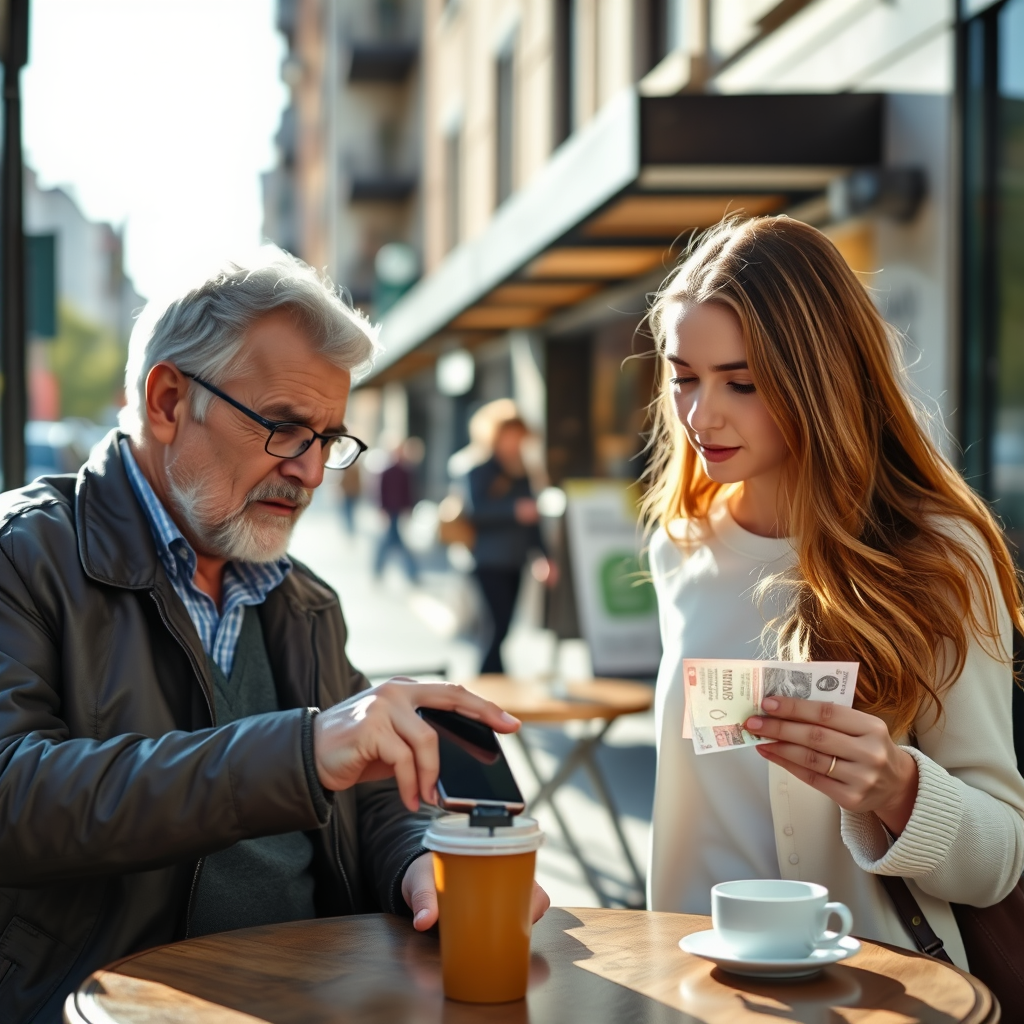
using no paper money or coins; paying only by card or phone
Sweden is close to becoming a completely cashless society.
More examples: Many cafés in the city are now cashless - they only take cards. • My grandma refuses to shop at cashless stores. • I went cashless last year and honestly, I don't miss coins at all.
Common collocations: a cashless society, cashless payments, go cashless
Word family: cash (noun), cashless (adjective)
Synonyms: digital, card-only, electronic
Antonyms: cash-based, traditional
Related concepts: digital payments, mobile banking, contactless cards
Contexts: shopping, banking, technology news
Usage note: Used to describe societies, shops, or systems where cash is not accepted. Always before a noun.
transaction
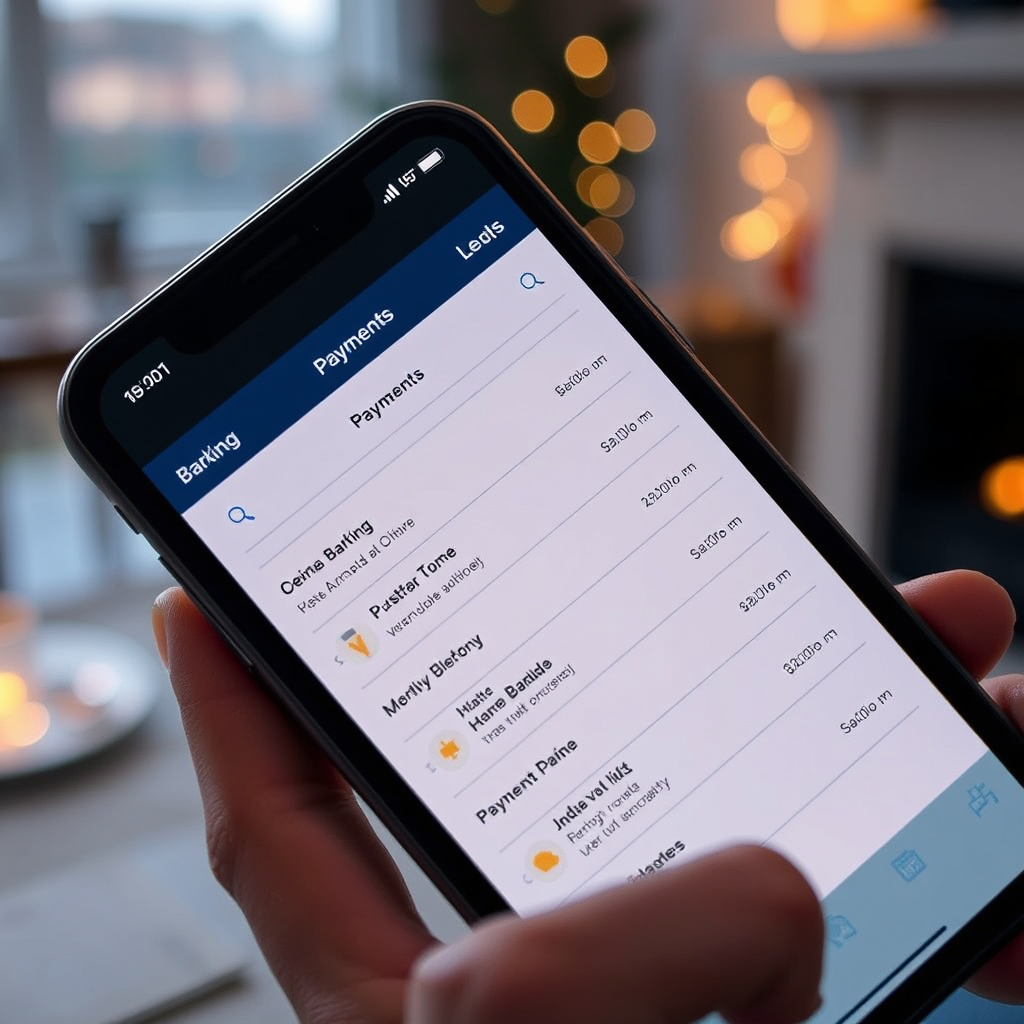
an act of buying or selling; one exchange of money
Every transaction I make with my card is recorded by my bank.
More examples: The app shows all my transactions from last month. • Online transactions are quick but not always safe. • Small transactions, like buying gum, now go through the bank too.
Common collocations: make a transaction, record a transaction, a cash transaction
Word family: transact (verb), transaction (noun)
Synonyms: payment, deal, exchange
Antonyms: refund, cancellation
Related concepts: banking, receipts, online shopping
Contexts: banking, shopping, business
Usage note: A useful neutral word for any single payment or exchange of money, in shops, banks or online.
dependency
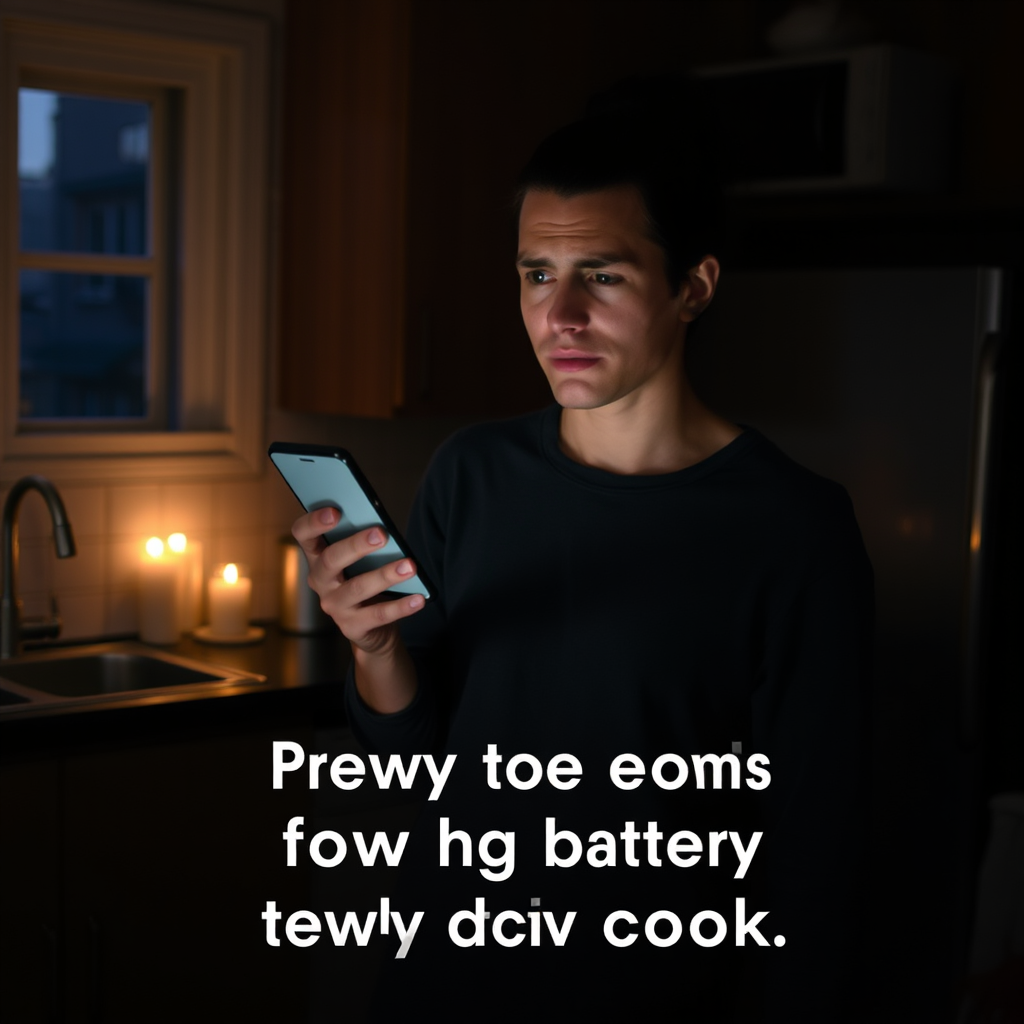
the state of needing something or someone too much
Our dependency on phones makes us helpless when they stop working.
More examples: There is a growing dependency on delivery apps in big cities. • The country wants to reduce its dependency on imported energy. • He worries about his dependency on his credit card.
Common collocations: reduce dependency on, a dependency on technology, growing dependency
Word family: depend (verb), dependent (adjective), dependency (noun)
Synonyms: reliance, need, addiction
Antonyms: independence, self-sufficiency
Related concepts: technology use, risk, habits
Contexts: news, work, personal life
Usage note: Often followed by 'on'. Common in discussions about technology, energy, or money systems.
privacy

the state of keeping your personal life and information secret
Paying with cash protects your privacy; digital payments do not.
More examples: Many people worry about their privacy when they use social media. • The new app asks for a lot of personal data - that's a privacy risk. • I value my privacy, so I don't share my location online.
Common collocations: protect your privacy, privacy concerns, invade someone's privacy
Word family: private (adjective), privacy (noun)
Synonyms: secrecy, personal space
Antonyms: exposure, publicity
Related concepts: data, surveillance, personal information
Contexts: technology, news, law
Usage note: Very common in talks about the internet, phones, and data. Often used with 'concerns' or 'risks'.
vulnerable
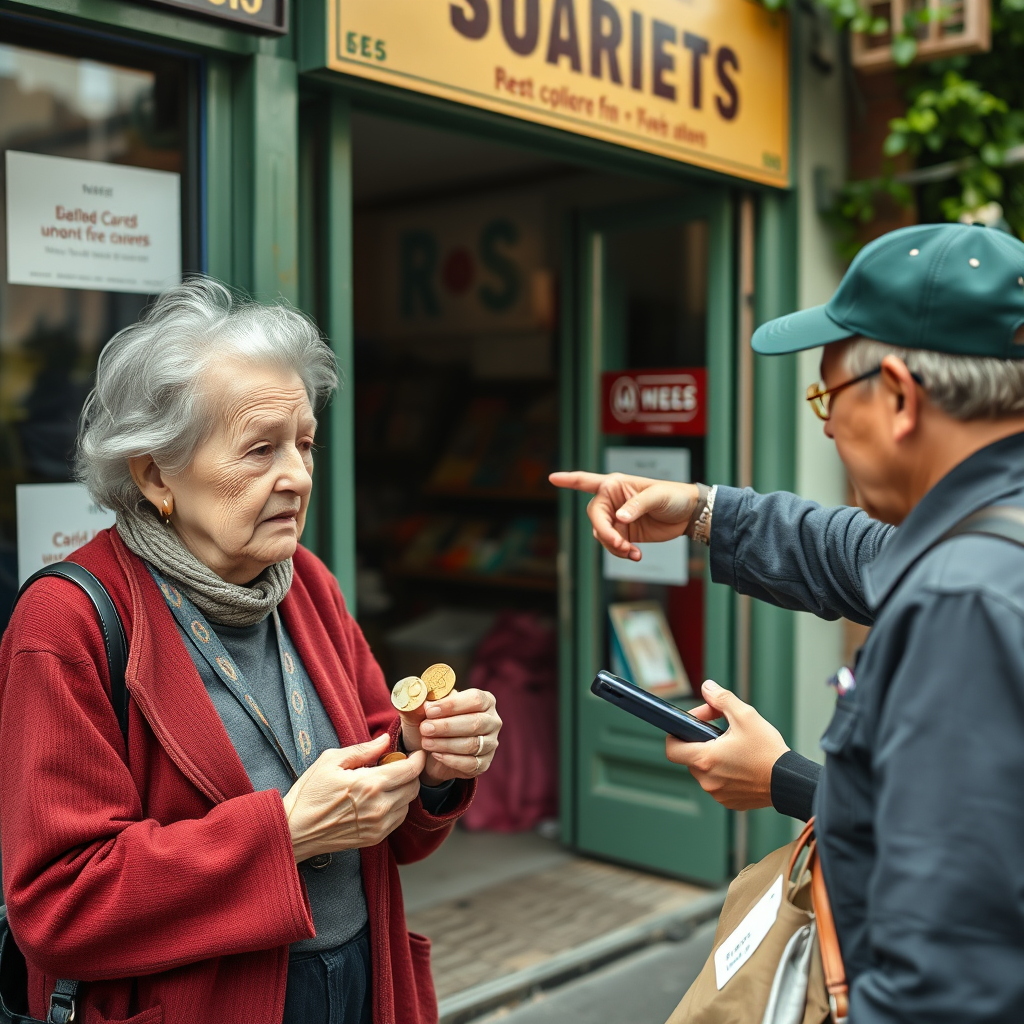
easily hurt or harmed; not protected from problems
Older people are vulnerable when shops stop accepting cash.
More examples: People without bank accounts are vulnerable in a digital economy. • Small businesses are vulnerable to sudden changes in the market. • He felt vulnerable after losing his wallet abroad.
Common collocations: vulnerable groups, feel vulnerable, leave someone vulnerable
Word family: vulnerability (noun), vulnerable (adjective)
Synonyms: at risk, defenceless, exposed
Antonyms: protected, secure
Related concepts: fairness, exclusion, safety
Contexts: news, social issues, health
Usage note: Often used about people or groups who can be harmed by a situation or system. Followed by 'to' when saying what harms them.
Vocabulary Check
- What does 'transaction' mean?
- A single act of paying or exchanging money
- A type of bank card
- A paper receipt
- A bank account
- In which situation would you use 'vulnerable'?
- Describing a person who is easily harmed by a situation
- Describing a very fast payment
- Describing a private conversation
- Describing a cheap product
- What does 'dependency' mean?
- A small payment
- Needing something too much
- A private record
- A type of coin
- Which sentence uses 'cashless' correctly?
- He felt cashless after the argument.
- This shop is cashless - you can only pay by card.
- I bought a cashless jacket yesterday.
- The cashless rain ruined our picnic.
- What does 'privacy' mean?
- A fast way to pay
- A bank record of your spending
- Keeping your personal life and information secret
- A digital wallet app
Idioms & Phrasal Verbs
go down
stops working
The website went down for two hours last night, so I couldn't order my ticket.
Usage note: The small word 'down' suggests something falling or failing. Don't split it in this meaning: say 'the system went down', not 'went the system down'.
just in case
because it might happen
I always carry a bit of cash just in case my card doesn't work.
Usage note: It is often used at the end of a sentence on its own: 'Take an umbrella, just in case.'
Usage note: Informal and very common in everyday speech.
empty-handed
leaving without what you came to get
The shop had sold out of bread, so I came home empty-handed.
Usage note: The picture is easy to remember: your hands are empty because you didn't get what you wanted.
Usage note: Almost always used with a verb like 'go', 'come' or 'leave': 'left empty-handed'.
draw the line
to set a limit on what you will accept
I share a lot online, but I draw the line at posting photos of my home.
Usage note: The picture is literally drawing a line that you refuse to cross.
Usage note: Common pattern: 'draw the line at + noun/thing' - 'I draw the line at paying for extras'.
Language Practice: Talking About Money and Technology
Practice expressing ideas about cashless societies and financial independence.
- Comparing two points of view
- Emerging: Some people say ___, but I think ___. — Some people say cash is old-fashioned, but I think it's still useful.
- Developing: While ___ is convenient, I worry about ___ because ___. — While paying by phone is convenient, I worry about privacy because every transaction is recorded.
- Expanding: Supporters of ___ argue that ___, however, I'd say ___ especially when ___. — Supporters of cashless payments argue that they reduce crime, however, I'd say they leave some people vulnerable, especially when they don't have a bank account.
- Weighing pros and cons
- Emerging: The good thing is ___. The bad thing is ___. — The good thing is it's fast. The bad thing is no privacy.
- Developing: On the one hand, ___, but on the other hand, ___. — On the one hand, digital payments are quick, but on the other hand, you lose some privacy.
- Expanding: The main advantage of ___ is ___, but the downside is that ___, so overall I'd say ___. — The main advantage of going cashless is convenience, but the downside is that we build a dependency on technology, so overall I'd say we need to keep some cash.
- Imagining situations and consequences
- Emerging: If I had no cash and no card, I would ___. — If I had no cash and no card, I would borrow money from a friend.
- Developing: If the payment system stopped working, I ___ because ___. — If the payment system stopped working, I would panic a little because I barely carry cash.
- Expanding: If my country went completely cashless tomorrow, I think ___ would happen, and that's why ___. — If my country went completely cashless tomorrow, I think many older people would struggle, and that's why we should keep cash as an option.
Fill in the Blanks
More and more shops are going _____ these days, so every _____ we make leaves a digital record. Some people love this because it is quick and easy. Others worry about their _____, since companies can see exactly what we buy. There is also a growing _____ on technology - if the system fails, we cannot pay at all. And some groups, like older people, feel _____ in a world built only for apps and cards.
Word bank: cashless, transaction, dependency, privacy, vulnerable
Sentence Unscramble
- Every / transaction / I / make / leaves / a / digital / record / somewhere.
- Older / people / can / feel / vulnerable / in / a / cashless / society.
- Our / dependency / on / payment / apps / puts / our / privacy / at / risk.
Discussion Questions
In some countries, like Sweden, most people haven't used cash in years. In others, markets and small shops still run almost entirely on coins and notes. The pace of change is very different around the world.
How cashless is your daily life already? Would you be happy if your country went fully cashless tomorrow? Why or why not?
When you pay with cash, the shop doesn't know who you are. When you pay digitally, your bank - and often an app company - knows what you bought, where, and when. Some people say this data helps companies offer better services; others say it's simply being watched.
Does it bother you that companies can see your spending habits? Where would you draw the line?
Imagine a power cut or a technical failure hits the payment system in your city. No cards, no phone payments, nothing works for a whole day. People who carry cash can still buy food; everyone else is stuck.
Do you keep any emergency cash at home or in your wallet? What would you actually do if all digital payments stopped for a day?
Not everyone can easily switch to digital payments: some older people, people without bank accounts, or those in rural areas with poor internet. As shops stop taking cash, these people can find daily life much harder.
Who gets left behind in a cashless society, in your opinion? Do you know anyone who would really struggle? How could society protect them?
Some people argue that real financial independence means controlling your own money without banks, apps, or companies in the middle. Others say digital tools actually give people more control - you can track every transaction, budget with an app, and send money anywhere instantly.
Do digital payments give us more control over our money, or less? What does 'financial independence' mean to you?
Knowledge Check
- Which word describes a society where nobody uses paper money or coins?
- Vulnerable
- Cashless
- Private
- Dependent
- True or false: 'privacy' means the state of keeping your personal information secret.
- True
- False
- Which sentence uses 'dependency' correctly?
- I made a dependency at the supermarket.
- Our dependency on apps is a risk if the system fails.
- The dependency was very cheap.
- She paid by dependency yesterday.
- If a group of people is 'vulnerable', they are...
- very rich
- easily harmed or not protected
- extremely fast
- completely private
- True or false: a 'transaction' is a type of bank card.
- True
- False
- In the sentence 'I came home empty-handed', what does 'empty-handed' mean?
- Without what you went to get
- Without any money in the bank
- Without gloves on your hands
- Without using your phone
Free to use with your students: Free to teach, screen-share, print and share with your students, with a credit to PlanWise ESL. Please do not sell it or republish it as your own. What you can do with free lessons.