Opening a Bank Account and Setting Up Utility Bills Abroad
About this lesson: This is an A2 (Elementary) ESL lesson in the General English category. It takes about 60 minutes. It includes 5 vocabulary words, a reading text, comprehension questions, discussion questions and speaking patterns. Suits one-to-one or small-group online classes. Free to open and teach with no login, and it prints as a PDF.
Print just the discussion questions
How this lesson is built
This is a complete conversation lesson built on a scientific pedagogical formula, not a generic worksheet: recall prior topic vocabulary, pre-teach the new words in depth, read in context, practise active recall with flashcards and synonyms/antonyms, build accuracy with exercises, and finish with deep discussion.
- Warm-up: Discussion questions that connect the topic to the student’s own life and recall vocabulary they already know about the subject.
- Reading: A text written for this CEFR level that uses each new word two or three times in context, giving the student something meaningful to react to.
- Key vocabulary: 5 new words, pre-taught before the reading with a definition, pronunciation guide, example sentences and a picture, plus word families, usage notes, recall flashcards and synonyms/antonyms, giving a solid grounding before reading.
- Comprehension: 5 questions that check the new words: retrieval practice, not rereading.
- Sentence frames: 3 speaking patterns, each at three levels of support (emerging, developing, expanding) with model answers—especially helpful scaffolding for beginners and less confident speakers.
- Gap-fill: The new words again, in a shuffled order, so the student recalls them by meaning in context.
- Sentence unscramble: Natural sentences with the new words to put back in order, reinforcing grammar and collocation.
- Discussion: 5 open questions designed to talk deeply about the subject while actively using the lesson’s target vocabulary: the heart of a conversation lesson.
- Quiz: A short retrieval check that brings every new word back once more.
Unlike a generic worksheet, the new words are taught before the reading and met again in the activities, the speaking is supported at three levels and most of the time goes on the student talking. Teachers who use PlanWise ESL also get per-student vocabulary tracking (recycling earlier words into future readings and questions), a private learner dashboard with flashcards and custom lesson creation, and a downloadable study PDF.
Warm-up Activity
Look at the pictures and talk about money and bills in your life.
- Do you have a bank account? How long have you had it?
- How do you pay your bills at home - online, at a shop, or another way?
- Have you ever opened a bank account in another country?
- What do you use your bank card for most often?
- Do you like going to the bank, or do you prefer using your phone?
Reading Text: Maria Moves to a New Country
Maria moved to a new country for work. Read about her first week there.
Maria moved to a new city last month. She needed money for her new job, so she went to open a bank account. The bank asked for her passport and a letter from her job. It took one hour, and then she had her own account.
The bank worker said, 'You need to deposit some money to start.' Maria put in 100 dollars. She was happy because her account was ready. She got a bank card the next week.
Then Maria needed a place to live. She found a small flat. The owner said, 'You must pay the electricity bill and the water bill every month.' Maria did not know how to do this in a new country.
Her new friend Sam helped her. 'You can transfer money online,' he said. 'It is easy.' Maria learned to pay her bills with her phone. She only needed her account number.
One day, Maria saw a fee on her bank paper. It was 5 dollars every month! She asked the bank about it. They said some accounts are free, but hers was not. She changed to a free account. Now she saves that money.
Maria says, 'Moving is hard, but you learn fast. Now I can help other new people too!'
Key Vocabulary
account

a place at a bank for your money
I opened a bank account last year.
More examples: Formal: Please provide your account number. • Informal: I checked my account this morning - not much in there! • Personal: My account is at a small bank near my house.
Common collocations: open an account, bank account, close an account
Word family: accountant, accounting
Synonyms: bank record, money place
Antonyms: cash, wallet
Related concepts: bank, card, savings
Contexts: bank, online banking, phone app
Usage note: Use 'account' for your money at a bank. You can also have an email account or a phone account. Say 'open an account' when you start one.
bill
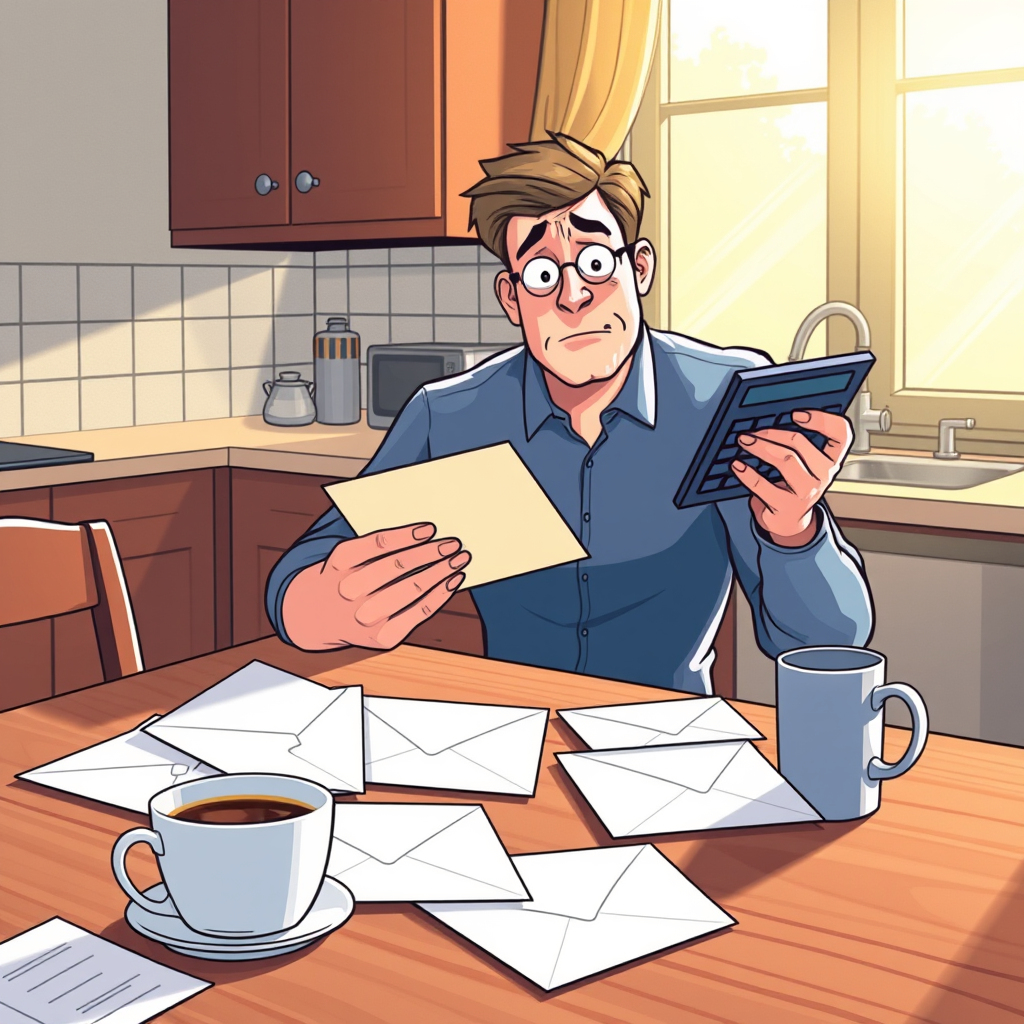
a paper or message that says you must pay
The electricity bill comes every month.
More examples: Formal: The bill is due on the fifth of the month. • Informal: Ugh, another bill arrived today. • Personal: I pay my phone bill on the first of every month.
Common collocations: pay a bill, electricity bill, water bill
Word family: bills, billed
Synonyms: invoice, payment request
Antonyms: receipt, refund
Related concepts: electricity, water, rent
Contexts: home, mail, online banking
Usage note: A bill is a request for money you owe. Common bills are for electricity, water, gas, phone, and internet. 'Pay the bill' is the most common phrase.
deposit
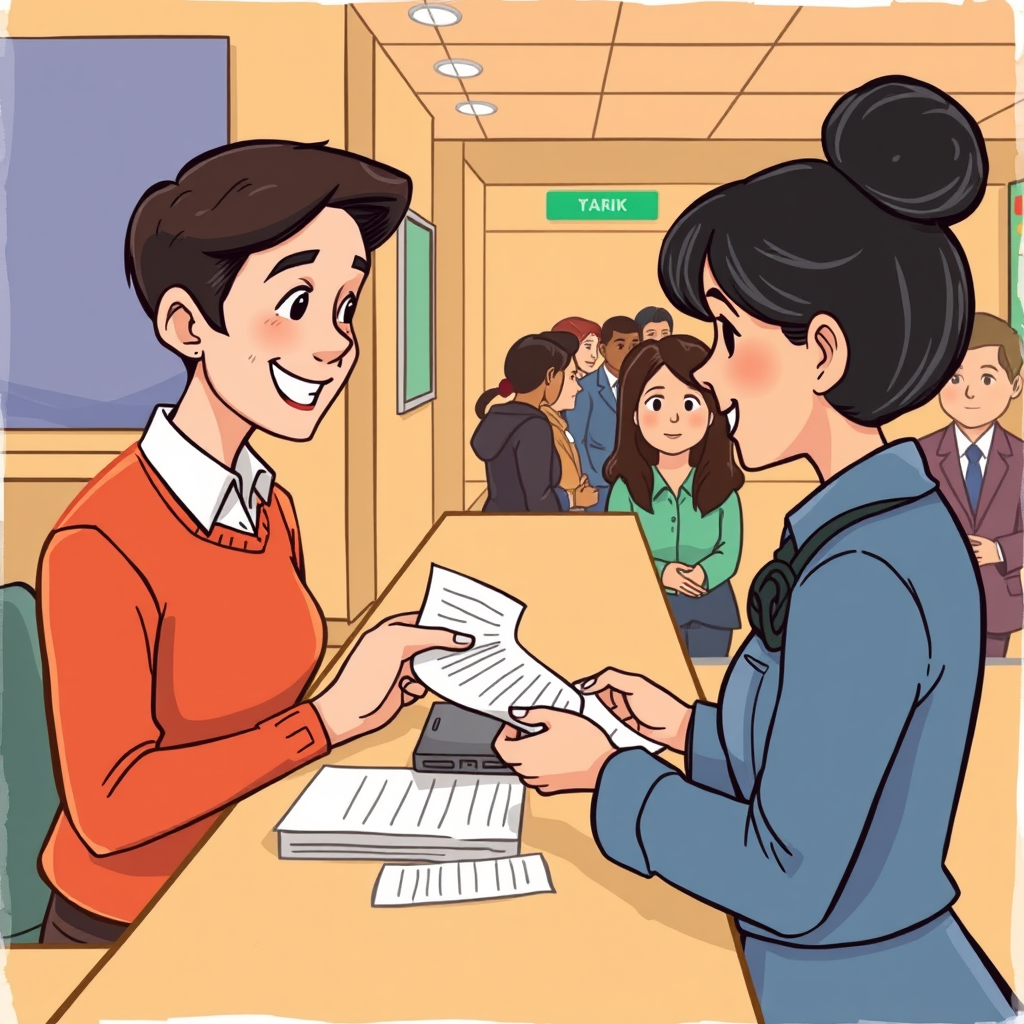
money you put into a bank account
I made a deposit of 200 dollars.
More examples: Formal: A minimum deposit is required to open the account. • Informal: I need to make a deposit before the weekend. • Personal: My first deposit was only 50 dollars.
Common collocations: make a deposit, cash deposit, first deposit
Word family: deposit (verb), deposits
Synonyms: payment in, money put in
Antonyms: withdrawal, payment out
Related concepts: savings, bank, cash
Contexts: bank, atm, renting a flat
Usage note: A deposit is money you put IN. The opposite is a withdrawal - money you take OUT. A deposit can also be money you pay to rent a flat.
transfer

sending money from one place to another
I made a transfer to pay my rent.
More examples: Formal: The transfer takes one to two working days. • Informal: Can you send me a transfer for the pizza? • Personal: I do a transfer online every month for my rent.
Common collocations: make a transfer, bank transfer, money transfer
Word family: transfer (verb), transfers
Synonyms: send money, payment
Antonyms: receive, keep
Related concepts: online banking, rent, bills
Contexts: phone app, bank, paying rent
Usage note: Use transfer when money moves from one account to another. You can transfer money to a person or a company. It is very common for paying rent and bills.
fee
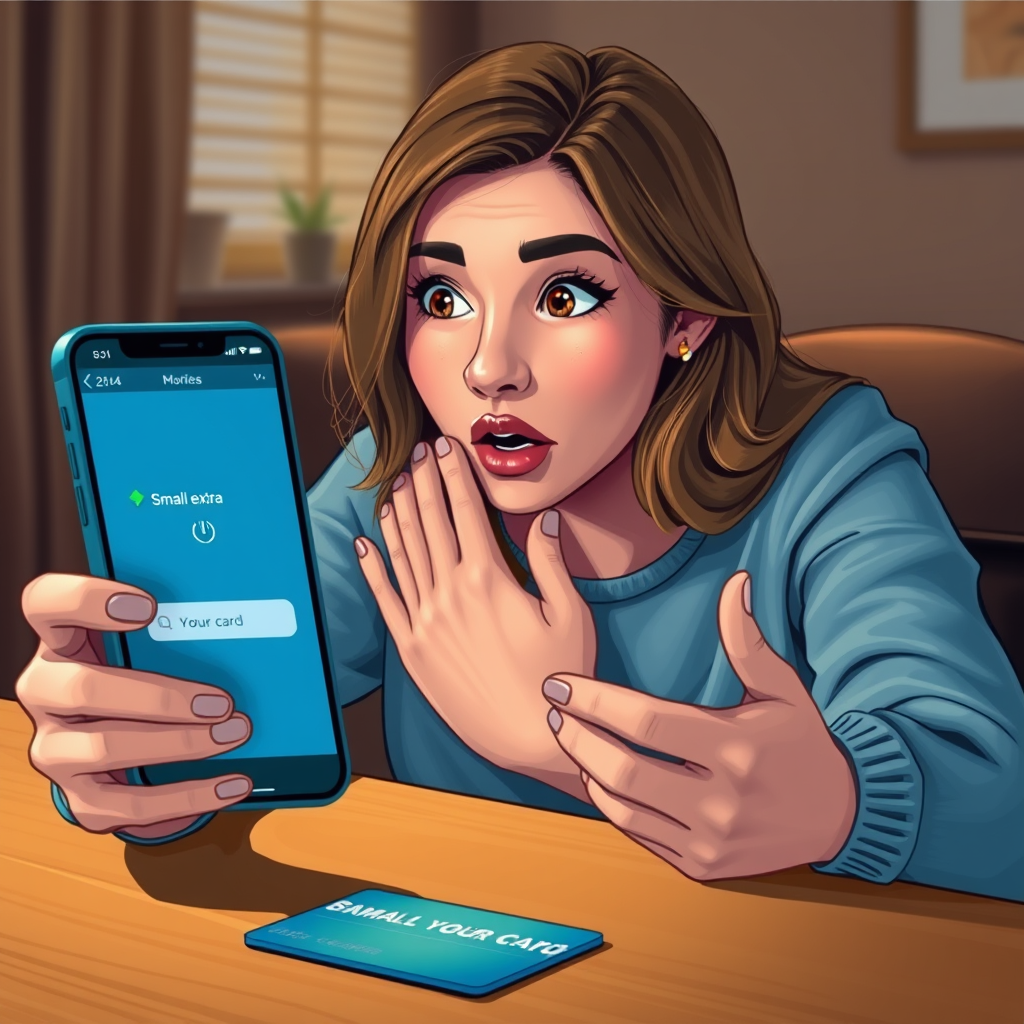
money you pay for a service
The bank charges a fee every month.
More examples: Formal: There is a small fee for international transfers. • Informal: Why did they charge me a fee? That's annoying! • Personal: I changed banks because the fees were too high.
Common collocations: monthly fee, bank fee, service fee
Word family: fees
Synonyms: charge, cost, payment
Antonyms: free, discount
Related concepts: bank, service, extra cost
Contexts: bank, school, airport
Usage note: A fee is extra money for a service, not for a product. Banks, schools, and doctors charge fees. 'Charge a fee' is the common verb phrase.
Vocabulary Check
- What does 'account' mean?
- A place at a bank for your money
- A kind of bill
- Money you take out
- A bank worker
- Which sentence uses 'bill' correctly?
- I opened a bill at the bank.
- The electricity bill comes every month.
- I made a bill of 100 dollars.
- The bill works like a card.
- What is a 'deposit'?
- Money you take out of the bank
- A monthly cost
- Money you put into a bank account
- A bank card
- When do you make a 'transfer'?
- When you send money to another account
- When you open a bank
- When you pay with cash
- When you get a free account
- In which situation would you use 'fee'?
- When you put money in the bank
- When you pay extra money for a service
- When you get your salary
- When you receive a bill
Language Practice: Talking About Banking
Practice expressing ideas about banking and bills.
- Describing your banking habits
- Emerging: I ___ my bills every month. — I pay my bills every month.
- Developing: Every month, I ___ my bills ___ because ___. — Every month, I pay my bills online because it is fast.
- Expanding: I usually ___ my bills ___, but sometimes I ___ because ___. — I usually pay my bills online, but sometimes I go to the bank because I like to ask questions.
- Comparing ways to pay
- Emerging: I like ___ more than ___. — I like online banking more than going to the bank.
- Developing: I prefer ___ because it is ___ than ___. — I prefer online banking because it is faster than going to the bank.
- Expanding: For me, ___ is better than ___ because ___, so I always ___. — For me, online banking is better than going to the bank because it saves time, so I always pay my bills on my phone.
- Talking about a past experience
- Emerging: Last year, I ___ at the bank. — Last year, I opened an account at the bank.
- Developing: First I ___, then I ___, and after that I ___. — First I took my passport, then I went to the bank, and after that I opened my account.
- Expanding: When I ___ , I ___ , but in the end ___ , so now I ___. — When I moved to a new city, I opened a bank account, but in the end I changed banks because of the fees, so now I have a free account.
Fill in the Blanks
Last month, Tom moved to a new country. He went to the bank to open a _____. The bank worker said, 'You need to make a _____ of 100 dollars first.' Tom put the money in and got his card. Then he needed to pay his electricity _____. His friend said, 'You can make a _____ online - it is easy!' Tom paid with his phone. But at the end of the month, he saw a _____ of 5 dollars on his paper. He was not happy!
Word bank: account, deposit, bill, transfer, fee
Sentence Unscramble
- I / opened / a / bank / account / last / week
- She / made / a / transfer / to / pay / the / bill
- The / bank / charges / a / small / fee / every / month
Discussion Questions
Maria opened her bank account in a new country. It took one hour and she needed her passport. Different countries have different rules for banks.
Have you ever opened a bank account? Tell me about it. Was it easy or difficult?
Maria paid her electricity bill and water bill every month. In some places people pay bills online, in some places they pay with cash at a shop or office.
How do you pay your bills - online, with cash, or another way? Which way do you like more? Why?
Maria saw a fee of 5 dollars every month on her bank paper. She changed to a free account. Many banks charge fees, but some accounts are free.
Do you think banks should charge fees? Have you ever paid a fee that made you angry?
Sam helped Maria learn to transfer money online. Now she pays her rent with her phone. Some people love phone banking, but some people do not trust it.
Do you trust phone banking, or do you like going to the bank in person? Why?
Maria says moving to a new country is hard, but you learn fast. Dealing with banks and bills in a new place is a big challenge for many people.
If you moved to a new country, what would be the hardest thing for you - the bank, the bills, the language, or something else? Why?
Knowledge Check
- What do you call your place for money at a bank?
- A bill
- A fee
- An account
- A deposit
- True or false: A deposit is money you take out of the bank.
- True
- False
- Which word means 'extra money you pay for a service'?
- Transfer
- Fee
- Bill
- Account
- True or false: You can make a transfer online with your phone.
- True
- False
- What is a 'bill'?
- A request for money you must pay
- Money you put in the bank
- A bank card
- A free account
Free to use with your students: Free to teach, screen-share, print and share with your students, with a credit to PlanWise ESL. Please do not sell it or republish it as your own. What you can do with free lessons.