At the Movies: Talking About Films
About this lesson: This is a B2 (Upper Intermediate) ESL lesson in the General English category. It takes about 60 minutes. It includes 5 vocabulary words, 4 idioms and phrasal verbs, a reading text, comprehension questions, discussion questions and speaking patterns. Suits one-to-one or small-group online classes. Free to open and teach with no login, and it prints as a PDF.
Print just the discussion questions
How this lesson is built
This is a complete conversation lesson built on a scientific pedagogical formula, not a generic worksheet: recall prior topic vocabulary, pre-teach the new words in depth, read in context, practise active recall with flashcards and synonyms/antonyms, build accuracy with exercises, and finish with deep discussion.
- Warm-up: Discussion questions that connect the topic to the student’s own life and recall vocabulary they already know about the subject.
- Reading: A text written for this CEFR level that uses each new word two or three times in context, giving the student something meaningful to react to.
- Key vocabulary: 5 new words, pre-taught before the reading with a definition, pronunciation guide, example sentences and a picture, plus word families, usage notes, recall flashcards and synonyms/antonyms, giving a solid grounding before reading.
- Comprehension: 5 questions that check the new words: retrieval practice, not rereading.
- Idioms and phrasal verbs: Expressions taken from the reading, each with its meaning, an example and a speaking question.
- Sentence frames: 3 speaking patterns, each at three levels of support (emerging, developing, expanding) with model answers—especially helpful scaffolding for beginners and less confident speakers.
- Gap-fill: The new words again, in a shuffled order, so the student recalls them by meaning in context.
- Sentence unscramble: Natural sentences with the new words to put back in order, reinforcing grammar and collocation.
- Discussion: 5 open questions designed to talk deeply about the subject while actively using the lesson’s target vocabulary: the heart of a conversation lesson.
- Quiz: A short retrieval check that brings every new word back once more.
Unlike a generic worksheet, the new words are taught before the reading and met again in the activities, the speaking is supported at three levels and most of the time goes on the student talking. Teachers who use PlanWise ESL also get per-student vocabulary tracking (recycling earlier words into future readings and questions), a private learner dashboard with flashcards and custom lesson creation, and a downloadable study PDF.
Warm-up Activity
Let's talk about films before we start. Look at the questions and tell me about your movie life.
- What's the last film you watched, and did you like it?
- Do you prefer watching films at home or at the cinema? Why?
- What kind of films do you usually avoid?
- Have you ever seen a film that really surprised you? What happened in it?
- If you could only watch one film for the rest of your life, which one would you choose?
Reading Text: The Return of the Big Screen
A short article about how cinema is changing. As you read, notice the five key words in bold.
For years, people said cinemas were dying. Why buy an expensive ticket when you can watch almost anything at home? Streaming services like Netflix and Disney+ put thousands of films at our fingertips, and watching a new release in your pyjamas became completely normal.
But something surprising is happening. The biggest films of recent years have been blockbusters that people rushed to see in cinemas. When a huge movie opens, fans fill the seats on the very first night, and some even watch it two or three times. Clearly, the cinema experience still has power.
Hollywood has also fallen in love with the remake. Old classics are being filmed again with new actors, new music and modern special effects. Some people love seeing their favourite stories updated. Others feel angry, asking why studios can't create something original for a change.
Then there's the plot twist, the moment in a film when everything you believed suddenly changes. A good twist gets people talking for weeks. A bad one feels like a trick, and audiences today are quick to complain online when a story cheats them.
Finally, many film lovers say the best movies are not the famous ones. They argue that brilliant small films are underrated because they have no big advertising budget. So the question remains: with so many ways to watch, what makes a film worth your time - and your money?
Key Vocabulary
blockbuster
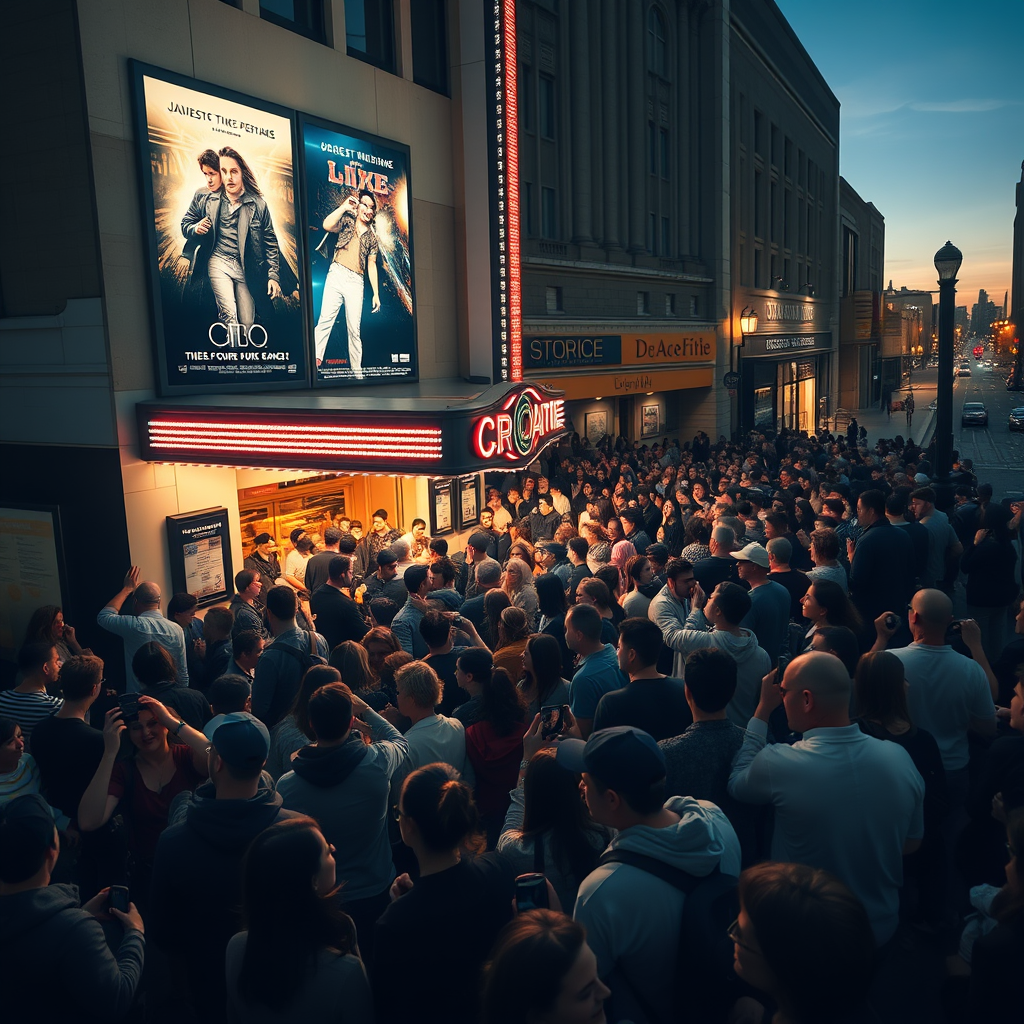
a very big, expensive film that is extremely popular and makes a lot of money
The new superhero blockbuster earned over a billion dollars worldwide.
More examples: Summer is the season for blockbusters. • That studio only makes blockbusters now, nothing small or strange. • I don't need a blockbuster - give me a quiet drama any day.
Common collocations: a summer blockbuster, a Hollywood blockbuster, a blockbuster hit
Word family: blockbuster (noun), blockbusting (adjective)
Synonyms: big hit, smash, megahit
Antonyms: flop, indie film
Related concepts: box office, special effects, franchise
Contexts: cinema, entertainment news, marketing
Usage note: Use for big commercial films, and sometimes for best-selling books or games. It suggests money and scale, not quality.
remake
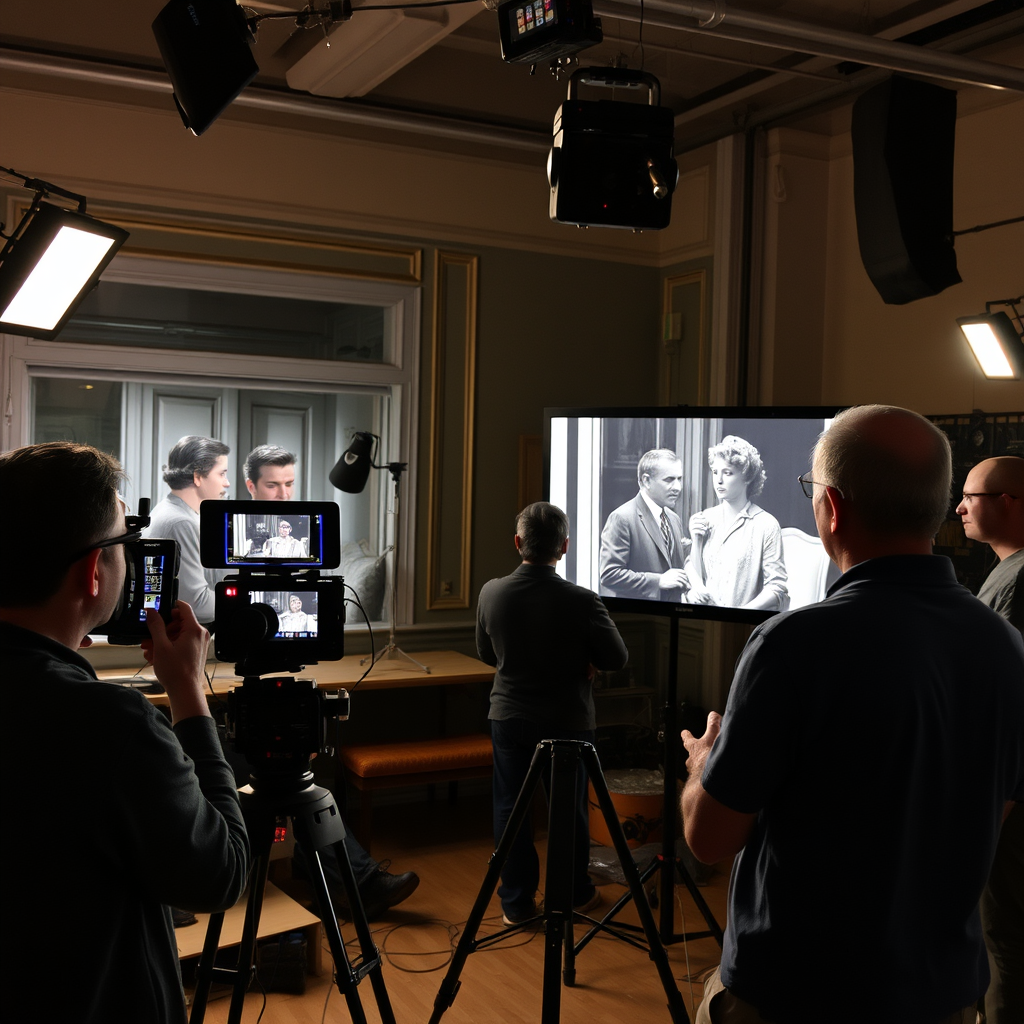
a new version of an older film, made with new actors
The remake of the classic horror film was worse than the original.
More examples: Every remake starts the same argument: why not make something new? • I prefer the original, but the remake has better effects. • They announced a remake of a film that's only ten years old.
Common collocations: a remake of a classic, a Hollywood remake, a shot-for-shot remake
Word family: remake (noun), to remake (verb)
Synonyms: new version, reboot, adaptation
Antonyms: original, premiere
Related concepts: sequel, reboot, classic film
Contexts: film reviews, entertainment news, fan discussions
Usage note: Common in film talk and reviews. Often carries a slightly negative feeling, as people frequently prefer originals.
plot twist

a sudden, surprising change in a story
I never saw that plot twist coming - my mouth was open the whole time.
More examples: The film's plot twist divided audiences completely. • Good plot twists make you want to watch the film again. • Don't tell me the plot twist! I haven't seen it yet.
Common collocations: a shocking plot twist, an obvious plot twist, a plot twist at the end
Word family: plot (noun), twist (noun), twisted (adjective)
Synonyms: surprise ending, turn, shock
Antonyms: predictable ending, spoiler
Related concepts: suspense, mystery, spoiler
Contexts: film discussions, book reviews, casual conversation
Usage note: Used mainly for films, books and series, but people also use it jokingly about real life: 'I got the job - plot twist, in another city.'
streaming

watching video or listening to music online without downloading it
Streaming has changed how and when we watch films.
More examples: Most young people get their films through streaming now. • Streaming killed the video rental shop. • One good thing about streaming is discovering films you'd never choose.
Common collocations: a streaming service, streaming platform, watch something on streaming
Word family: to stream (verb), streamer (noun), streaming service (noun)
Synonyms: online viewing, on-demand watching
Antonyms: live broadcast, cinema screening
Related concepts: subscription, binge-watching, downloads
Contexts: home entertainment, technology, daily conversation
Usage note: Everyday word for Netflix-style watching. Also used for live video and music.
underrated
better than most people think or notice
That film is seriously underrated - almost nobody talks about it.
More examples: It's the most underrated film of the decade. • Comedy acting is underrated; it's harder than it looks. • Everyone ignores this director, but he's underrated.
Common collocations: a highly underrated film, an underrated actor, wildly underrated
Word family: underrated (adjective), overrated (adjective), to rate (verb)
Synonyms: underappreciated, overlooked, undervalued
Antonyms: overrated, celebrated, famous
Related concepts: hidden gem, cult classic, critics
Contexts: film reviews, recommendations, opinion discussions
Usage note: Great for giving opinions: 'X is underrated' means you value something more than most people do. Its opposite, 'overrated', is equally useful.
Vocabulary Check
- What does 'underrated' mean?
- Very expensive
- Better than most people think
- Very long
- Made in a small country
- Which sentence uses 'blockbuster' correctly?
- I watched a quiet blockbuster alone in my garden.
- The blockbuster filled cinemas around the world on opening night.
- She blockbustered her homework before dinner.
- The blockbuster was only shown to two people.
- In which situation would you use the word 'remake'?
- When a film from the 1980s is filmed again with new actors
- When a film wins an award
- When you watch a film twice
- When an actor forgets their lines
- What is a 'plot twist'?
- A boring part of a film
- A sudden, surprising change in the story
- The first scene of a film
- A mistake by the director
- Which sentence uses 'streaming' correctly?
- I streamed the documentary instead of downloading it.
- She streamed the film into her suitcase.
- The streaming won an Oscar last year.
- We streamed our tickets at the box office.
Idioms & Phrasal Verbs
at your fingertips
easy to reach or get immediately
With my phone, all my music is at my fingertips.
Usage note: The picture: your fingers can touch it instantly, like touching a screen.
Usage note: Very common when talking about phones, the internet and information.
rush to
go quickly because you don't want to wait
Everyone rushed to buy tickets when the concert was announced.
Usage note: The small word 'to' shows where you're going or what you're hurrying to do.
Usage note: You can also use it for things: people rushed to buy the new phone.
fall in love with
start to like something or someone very much
I fell in love with that city the moment I arrived.
Usage note: Not only for people - you can fall in love with a place, a hobby or an idea.
Usage note: Past forms: fall in love with, fell in love with, fallen in love with.
for a change
something different from what usually happens
Let's cook at home for a change - we always eat out.
Usage note: It often shows you're a little tired of the usual thing.
Usage note: It goes at the end of the sentence: 'Let's stay in for a change.'
Language Practice: Sharing Film Opinions
Practice expressing and comparing opinions about films using the lesson vocabulary.
- Comparing different views
- Emerging: Some people say ___, but I think ___ because ___. — Some people say blockbusters are the best films, but I think small films are better because the story matters more.
- Developing: While many people prefer ___, I'd rather ___ because ___. — While many people prefer blockbusters, I'd rather watch an underrated indie film because the characters feel real.
- Expanding: Although ___ is often seen as ___, I'd argue that ___, especially when ___. — Although blockbusters are often seen as empty entertainment, I'd argue that some are brilliantly made, especially when the director takes real risks.
- Weighing pros and cons
- Emerging: The good thing about ___ is ___. The bad thing is ___. — The good thing about streaming is the price. The bad thing is choosing what to watch.
- Developing: One advantage of ___ is that ___, but on the other hand, ___. — One advantage of streaming is that you can pause anytime, but on the other hand, it's easy to get distracted.
- Expanding: If I ___, I would ___, though I'd miss ___. — If I only watched films at the cinema, I would see fewer but better films, though I'd miss discovering strange hidden gems.
- Recommending and persuading
- Emerging: You should watch ___ because ___. — You should watch that new thriller because the plot twist is amazing.
- Developing: If you like ___, you'll love ___ because ___. — If you like surprises, you'll love this film because the plot twist changes everything.
- Expanding: I'd really recommend ___, which is totally underrated - it has ___, and the plot twist alone is worth it. — I'd really recommend that little drama, which is totally underrated - it has wonderful acting, and the plot twist alone is worth it.
Fill in the Blanks
Last month, my friends and I argued about which film to watch. I wanted to see the new _____ that everyone was talking about, but my sister suggested a small independent film that she thinks is totally _____. In the end, we stayed home and used a _____ service instead. We chose an old classic - or so we thought! Halfway through, we realised it was actually a _____ of a film from the 1980s. Nobody had noticed, because the story was so different. And just when we thought we knew how it would end, there was a huge _____ that none of us saw coming. We ended up talking about it for hours!
Word bank: blockbuster, remake, plot twist, streaming, underrated
Sentence Unscramble
- that / film / is / seriously / underrated / in / my / opinion
- the / plot / twist / at / the / end / completely / surprised / me
- we / watched / the / remake / on / streaming / instead / of / going / out
Discussion Questions
Streaming services put thousands of films at our fingertips, and many people now watch everything at home. But cinemas offer a big screen, great sound and a crowd reacting together. Both ways of watching have changed how we experience films.
Do you think cinemas will still exist in twenty years? Why or why not?
Hollywood keeps filming old favourites again with new actors and effects. Fans of the originals often feel protective, while younger audiences sometimes discover the story for the first time through the remake. It's a real debate among film lovers.
Is there a film you love that should never be remade? What about one that actually deserves a remake?
A great plot twist can make a film unforgettable - people talk about it for weeks and watch it again to spot the clues. But some twists feel like cheap tricks that cheat the audience. The line between brilliant and annoying can be thin.
Tell me about a plot twist that really shocked you. Did it make the film better or worse?
Blockbusters get huge budgets, famous actors and advertising everywhere. Small independent films often get ignored, even when they're brilliant. Many film fans say the best movies they've ever seen are ones almost nobody has heard of.
What's a film you think is underrated? Try to convince me to watch it.
Imagine you have the money, the actors and the technology to make any film you want. You could make a huge blockbuster full of action, or a small, personal story that might become an underrated classic. Every director faces this choice.
If you could make any film, what kind would it be - a blockbuster or something small and personal? What would the story be about?
Knowledge Check
- A film that is huge, expensive and extremely popular is called a...
- remake
- blockbuster
- plot twist
- streaming service
- True or false: 'overrated' means something is better than people say.
- True
- False
- Which word describes watching films online without downloading them?
- streaming
- remaking
- plotting
- rating
- True or false: a plot twist is a boring part of a film where nothing happens.
- True
- False
- If a 1990 film is filmed again with new actors in 2025, the new version is a...
- blockbuster
- sequel
- remake
- spoiler
- If something is 'at your fingertips', what does that mean?
- It's very expensive
- It's easy to get immediately
- It's far away
- It's broken
Free to use with your students: Free to teach, screen-share, print and share with your students, with a credit to PlanWise ESL. Please do not sell it or republish it as your own. What you can do with free lessons.