The Economics of the Attention Economy
About this lesson: This is a C1 (Advanced) ESL lesson in the Business English category. It takes about 60 minutes. It includes 5 vocabulary words, 4 idioms and phrasal verbs, a reading text, comprehension questions, discussion questions and speaking patterns. Suits one-to-one or small-group online classes. Free to open and teach with no login, and it prints as a PDF.
Print just the discussion questions
How this lesson is built
This is a complete conversation lesson built on a scientific pedagogical formula, not a generic worksheet: recall prior topic vocabulary, pre-teach the new words in depth, read in context, practise active recall with flashcards and synonyms/antonyms, build accuracy with exercises, and finish with deep discussion.
- Warm-up: Discussion questions that connect the topic to the student’s own life and recall vocabulary they already know about the subject.
- Reading: A text written for this CEFR level that uses each new word two or three times in context, giving the student something meaningful to react to.
- Key vocabulary: 5 new words, pre-taught before the reading with a definition, pronunciation guide, example sentences and a picture, plus word families, usage notes, recall flashcards and synonyms/antonyms, giving a solid grounding before reading.
- Comprehension: 5 questions that check the new words: retrieval practice, not rereading.
- Idioms and phrasal verbs: Expressions taken from the reading, each with its meaning, an example and a speaking question.
- Sentence frames: 3 speaking patterns, each at three levels of support (emerging, developing, expanding) with model answers—especially helpful scaffolding for beginners and less confident speakers.
- Gap-fill: The new words again, in a shuffled order, so the student recalls them by meaning in context.
- Sentence unscramble: Natural sentences with the new words to put back in order, reinforcing grammar and collocation.
- Discussion: 5 open questions designed to talk deeply about the subject while actively using the lesson’s target vocabulary: the heart of a conversation lesson.
- Quiz: A short retrieval check that brings every new word back once more.
Unlike a generic worksheet, the new words are taught before the reading and met again in the activities, the speaking is supported at three levels and most of the time goes on the student talking. Teachers who use PlanWise ESL also get per-student vocabulary tracking (recycling earlier words into future readings and questions), a private learner dashboard with flashcards and custom lesson creation, and a downloadable study PDF.
Warm-up Activity
Look at your phone habits honestly for a moment. Before we read about the attention economy, let's talk about how your own attention gets bought and sold every day.
- How many hours a day do you think you spend looking at screens? Is it more or less than you'd like?
- What's the first thing you do when you wake up — check your phone or something else?
- Have you ever picked up your phone 'just for a second' and looked up twenty minutes later? What happened?
- If an app disappeared tomorrow — say, your most-used one — how would your day actually change?
- Do you think companies design apps to be hard to put down on purpose? Why would they do that?
Reading Text: Sold on Your Attention
A short magazine-style article about how tech companies make money from our focus — and why it's so hard to look away.
Here's a strange fact about modern life: almost everything online is free, and yet someone is getting very rich from it. The trick is that the product isn't the video, the game or the news feed — it's you. More precisely, it's your attention, which apps and platforms capture, package and sell to advertisers. Economists have started calling this the attention economy, and once you see it, you can't unsee it.
The companies behind your favourite apps have become extraordinarily good at designing things that captivate us. Every notification, every autoplay, every little red dot is engineered to pull your eyes back to the screen. Designers call these features 'engagement hooks', which sounds innocent enough. But critics argue that something more insidious is going on: the hooks are deliberately built to exploit the weaknesses of human psychology, not to serve us.
The results are easy to spot. Many of us have developed compulsive checking habits — reaching for the phone during a conversation, in a queue, even at a funeral. We scroll not because we want to, but because stopping feels uncomfortable. Psychologists compare it to pulling a slot machine lever: the reward is unpredictable, and unpredictability, it turns out, is exactly what keeps us hooked.
Not everyone accepts this story. Defenders of the tech industry point out that people have always flocked to distracting entertainment, from penny novels to television. They argue that blaming algorithms lets us off the hook — that our wandering minds are our own responsibility. Still, the industry is coming under increasing scrutiny from regulators, parents and even former employees, some of whom now publicly regret the tools they built.
So what happens next? Some platforms have started to monetize attention differently, offering paid subscriptions instead of ad-funded feeds — betting that people will pay to escape the advertising machine. Others are adding screen-time reminders, though sceptics call that a fig leaf. The deeper question is whether we, as users, will start treating our attention as something precious — something worth protecting rather than giving away for free.
Key Vocabulary
captivate
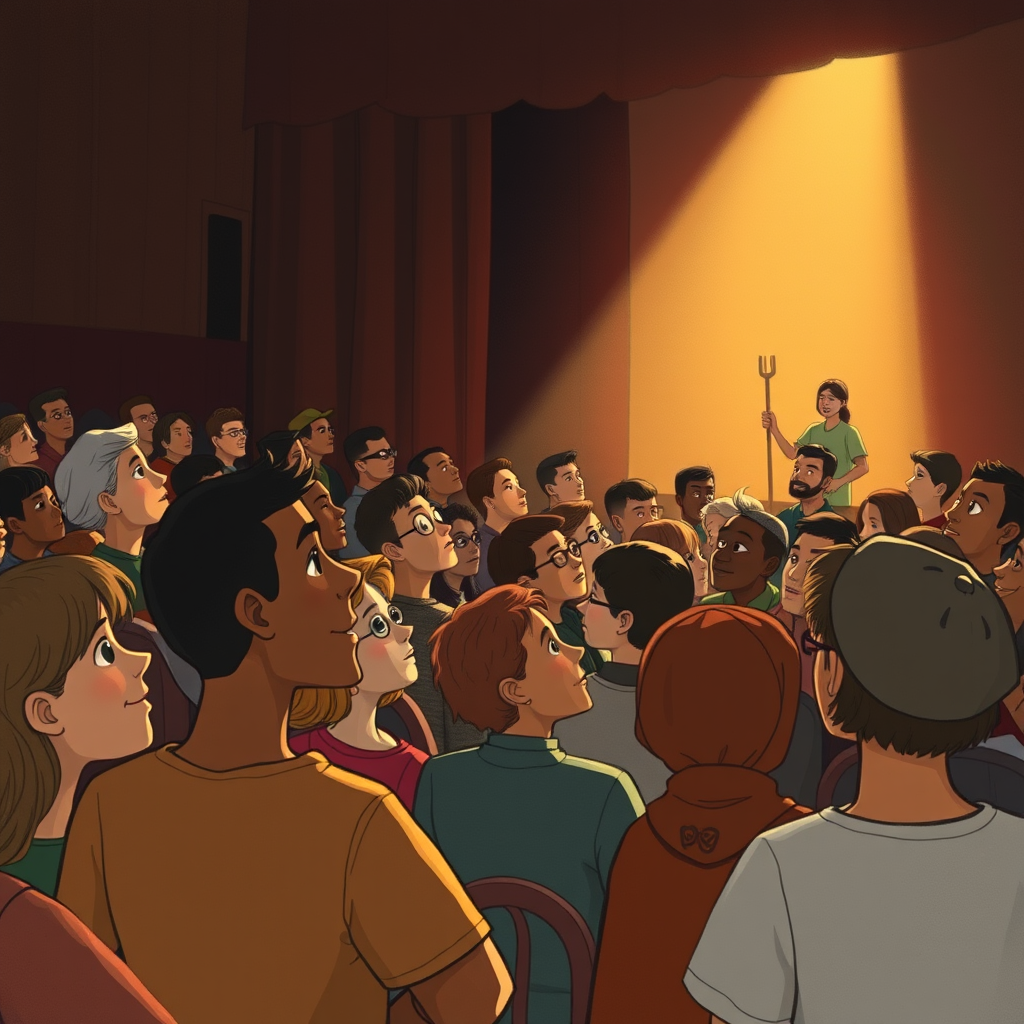
to hold someone's complete interest and attention in a powerful, charming way
The documentary captivated me so completely that I watched all four episodes in one night.
More examples: Her storytelling captivated the whole classroom. • I was captivated by the view from the mountain top. • That new series has captivated half my office.
Common collocations: captivate an audience, utterly captivated, captivate the imagination
Word family: captivating (adj), captivation (n), captivated (adj)
Synonyms: fascinate, entrance, mesmerize
Antonyms: bore, repel
Related concepts: charm, absorption, wonder
Contexts: theatre and film, public speaking, travel writing
Usage note: Usually positive — it suggests charm and beauty, not manipulation. Use it for people, performances, places or stories that hold your attention completely.
insidious

harmful in a slow, hidden way that is hard to notice at first
The insidious thing about doomscrolling is that it never feels like a problem until months have passed.
More examples: Insidious advertising creeps into every corner of the app. • Burnout is insidious — you only notice it when you've already crashed. • The film shows the insidious spread of misinformation in a small town.
Common collocations: an insidious influence, insidiously creeping, an insidious form of
Word family: insidiously (adv), insidiousness (n)
Synonyms: sneaky, stealthy, underhanded
Antonyms: obvious, harmless
Related concepts: hidden danger, gradual harm, manipulation
Contexts: public health, media criticism, psychology
Usage note: Strongly negative. Use for dangers that spread quietly and seem harmless at first — habits, propaganda, disease, debt. Often paired with gradual processes.
compulsive
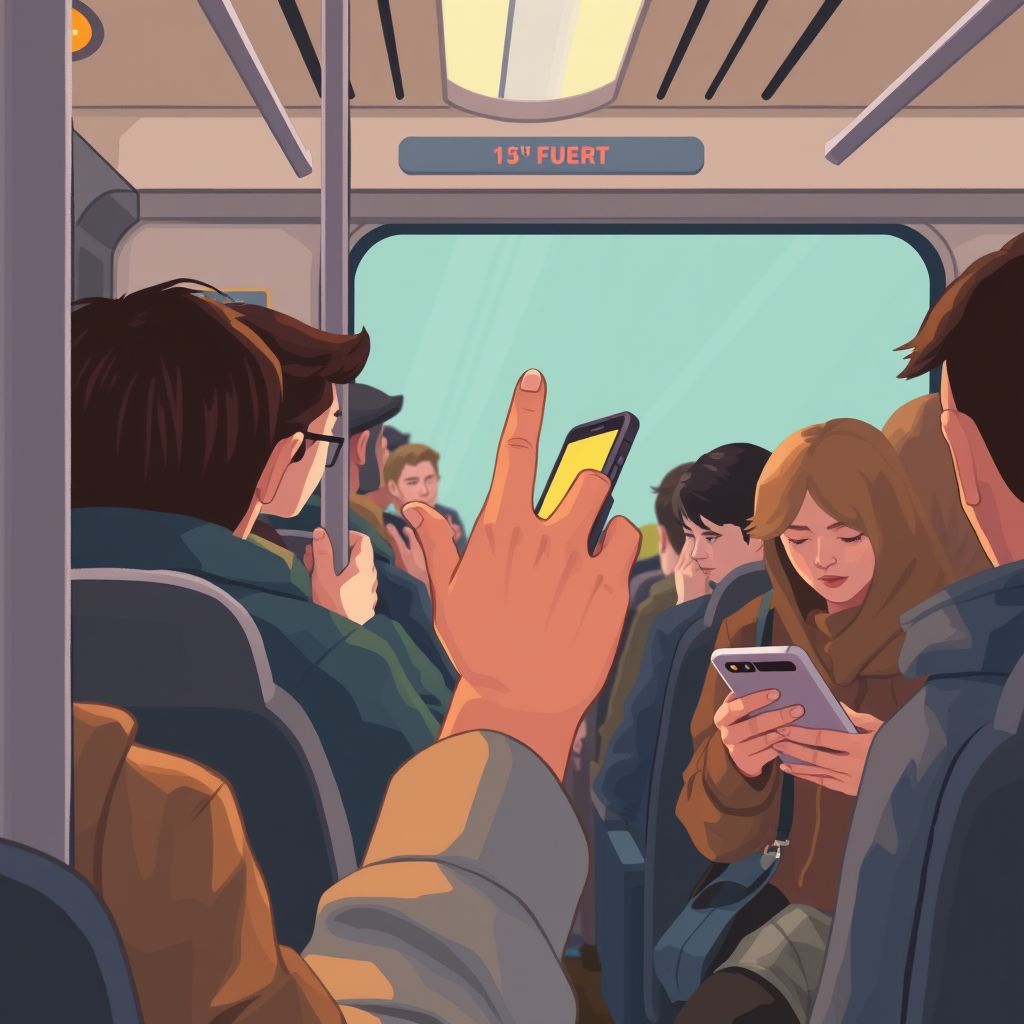
describing a behaviour you repeat again and again because you feel unable to stop
I've developed a compulsive habit of checking my messages even when nothing important is happening.
More examples: He's a compulsive list-maker — he even plans his weekends in spreadsheets. • Compulsive shopping often spikes after stressful weeks. • The app turns casual users into compulsive scrollers.
Common collocations: compulsive checking, a compulsive need to, compulsive behaviour
Word family: compulsively (adv), compulsion (n), compulsive (n)
Synonyms: irresistible, uncontrollable, obsessive
Antonyms: optional, deliberate
Related concepts: addiction, habit loops, impulse
Contexts: psychology, technology use, consumer behaviour
Usage note: Often used for habits that are excessive but not clinical addictions: checking, shopping, tidying, gambling. Can also be positive-ish: 'a compulsive read' means a book you can't put down.
monetize
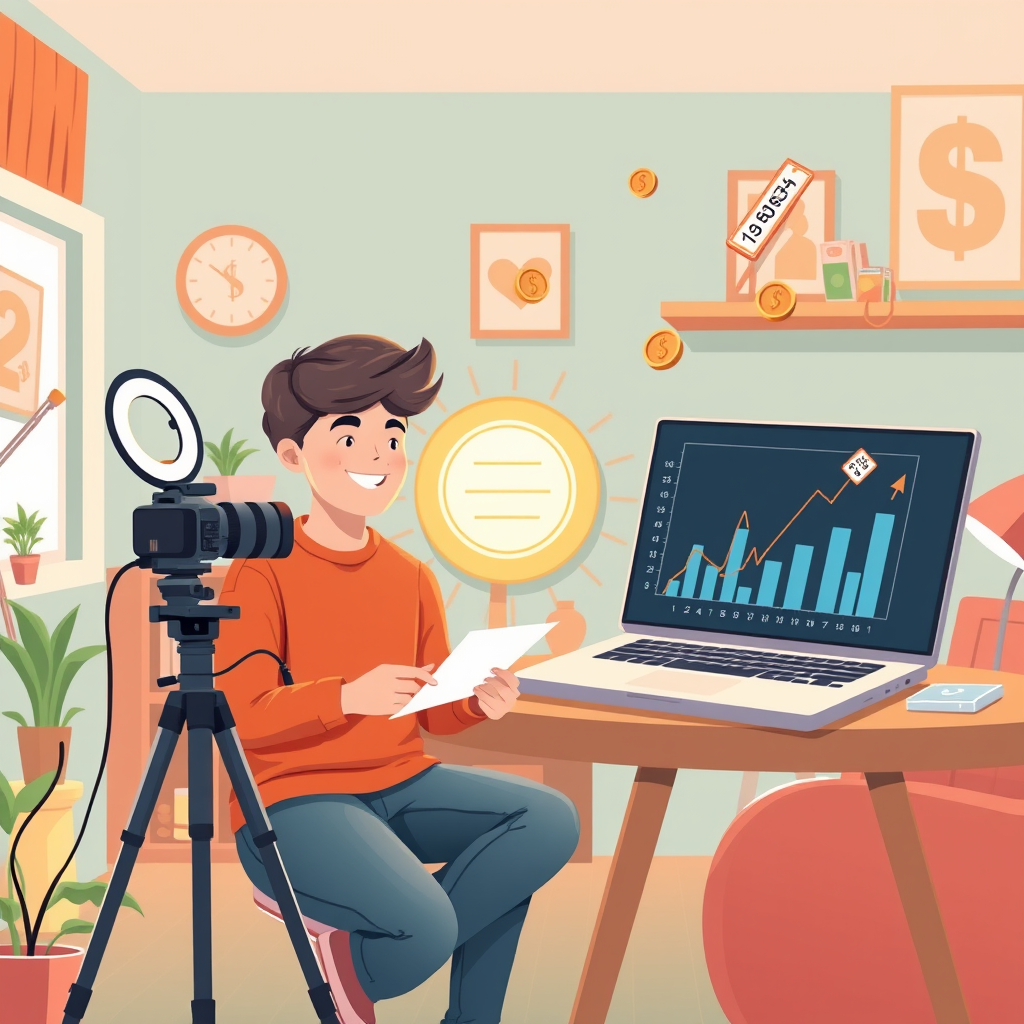
to turn something into a way of making money
She figured out how to monetize her hobby: her baking videos now bring in ad revenue every month.
More examples: The platform monetizes user data by selling targeted advertising. • Podcasters monetize their shows through sponsorships and subscriptions. • It's hard to monetize a blog with only a few hundred readers.
Common collocations: monetize content, monetize user data, heavily monetized
Word family: monetization (n), monetized (adj)
Synonyms: capitalize on, cash in on, commercialize
Antonyms: give away, subsidize
Related concepts: revenue, business models, advertising
Contexts: digital media, startups, creator economy
Usage note: Business jargon that has gone mainstream. Often slightly cynical in tone — people use it when they feel something authentic is being turned into a money machine.
scrutiny
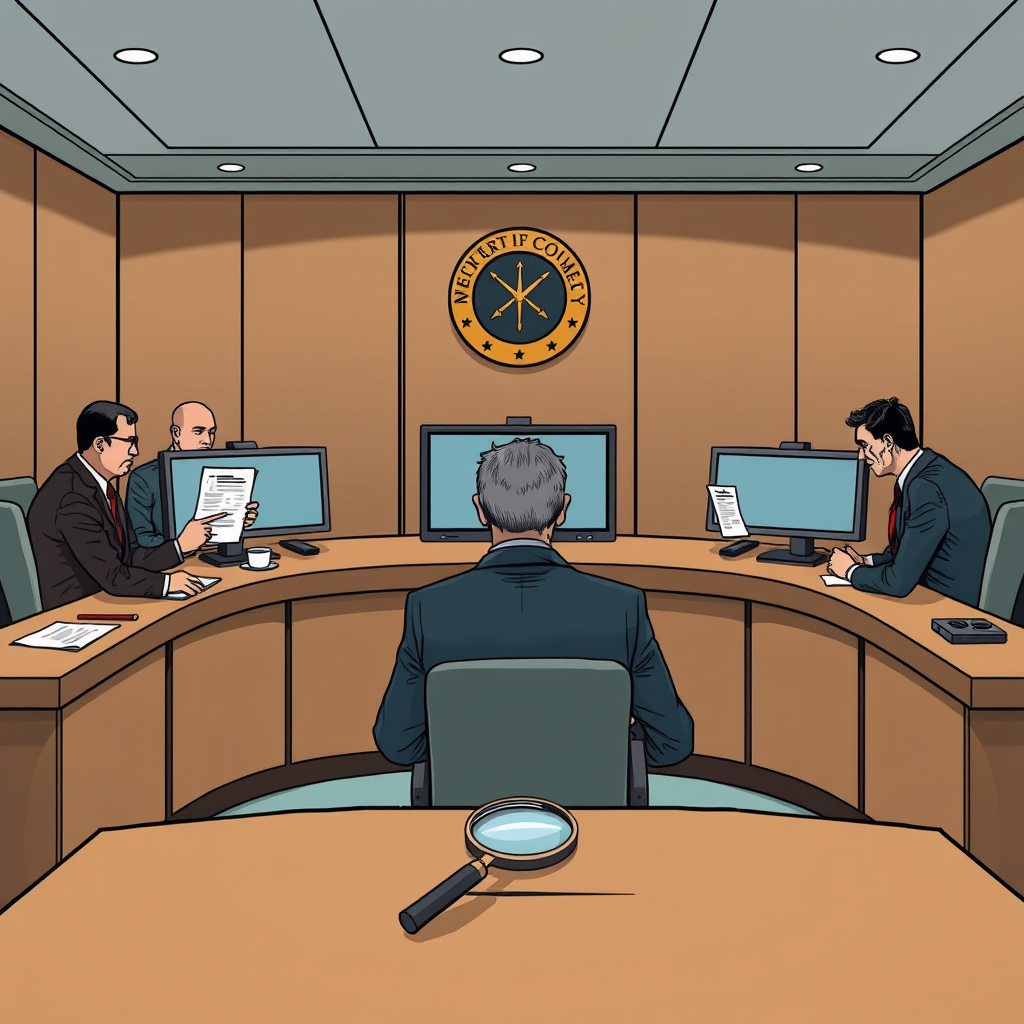
careful, detailed examination of something, often to find faults
After the data scandal, every tech company came under intense public scrutiny.
More examples: Her expenses were subjected to close scrutiny by the auditors. • Celebrity relationships rarely survive that level of scrutiny. • The new law will put advertising claims under stricter scrutiny.
Common collocations: come under scrutiny, close/intense scrutiny, escape scrutiny
Word family: scrutinize (v), scrutinizing (adj)
Synonyms: examination, inspection, oversight
Antonyms: neglect, oversight (in the 'missed it' sense)
Related concepts: accountability, regulation, journalism
Contexts: politics, business ethics, law
Usage note: Usually about public or official examination — by regulators, journalists, auditors. Common pattern: 'come under scrutiny' or 'subject to scrutiny'.
Vocabulary Check
- What does 'captivate' mean?
- To confuse someone with complicated details
- To hold someone's complete interest in a charming way
- To capture someone physically
- To copy someone's style
- In which situation would you use 'insidious'?
- A loud alarm warns you instantly of danger
- A harmful habit grows quietly over years without you noticing
- A friend tells you an obvious lie to your face
- A storm destroys a house in one night
- What does 'compulsive' mean?
- Done by free choice after careful thought
- Required by law or company rules
- Repeated because you feel unable to stop
- Extremely well organized
- Which sentence uses 'monetize' correctly?
- She monetized her fear of spiders by avoiding them.
- He monetized his photography by selling prints and ad space on his website.
- They monetized the rain by staying indoors.
- I monetized my weekend by sleeping until noon.
- What does 'scrutiny' mean?
- Careful, detailed examination, often to find faults
- Quick, casual interest
- Financial support from the government
- Complete secrecy
Idioms & Phrasal Verbs
let someone off the hook
To free someone from blame or from a difficult situation.
Saying you were tired doesn't let you off the hook — you still promised to call her.
Usage note: Picture a fish that has been caught being released back into the water — it escapes punishment.
Usage note: Very common in conversation, often about responsibility: 'Don't let yourself off the hook so easily.'
creep up on someone
To arrive or develop slowly and without you noticing.
Middle age crept up on me — one day I just realised I preferred staying in.
Usage note: You cannot split it: say 'it crept up on me', not 'it crept me up on'. · Right: The deadline crept up on me. · Avoid: The deadline crept me up on.
Usage note: The picture is of someone walking quietly towards you from behind — you never see it coming.
flock to something
To go somewhere or choose something in large, eager numbers.
Everyone flocked to the new café the week it opened; now it's half empty.
Usage note: The image is of a flock of birds all moving together — it suggests the crowd isn't thinking much, just following.
Usage note: Often slightly ironic, implying people follow a trend rather than make a real choice.
a fig leaf
A small gesture that hides a bigger problem, meant to look respectable.
The company's diversity survey was just a fig leaf; nothing actually changed.
Usage note: From the Bible: Adam and Eve covered themselves with a fig leaf to hide their nakedness — a tiny cover for something big.
Usage note: Slightly literary but used in quality journalism and sharp conversation; it always implies hypocrisy.
Language Practice: Talking About Attention and Persuasion
Practice expressing nuanced opinions about how technology competes for your attention.
- Conceding a point before disagreeing
- Emerging: I see the point about ___, but ___. — I see the point about personal responsibility, but these apps are designed by teams of experts.
- Developing: Granted, ___ — that said, ___. — Granted, people have always loved distraction — that said, the apps are engineered to exploit that love.
- Expanding: While I'd accept that ___, it doesn't follow that ___, because ___. — While I'd accept that individuals can build better habits, it doesn't follow that regulation is pointless, because the design choices happen before we ever open the app.
- Describing gradual, hidden effects
- Emerging: ___ has slowly become part of my life. — Checking my phone first thing has slowly become part of my life.
- Developing: I didn't notice ___ creeping in until ___. — I didn't notice the autoplay habit creeping in until I'd watched six videos in a row.
- Expanding: What's insidious about ___ is that ___, and by the time you notice, ___. — What's insidious about notifications is that each one feels trivial, and by the time you notice, your focus is in fragments.
- Weighing trade-offs and making recommendations
- Emerging: It's worth ___ even if it costs ___. — It's worth paying for apps even if it costs a few euros a month.
- Developing: If platforms had to ___, users would probably ___. — If platforms had to charge subscriptions, users would probably complain but scroll less.
- Expanding: Arguably, the real trade-off is between ___ and ___ — and I'd rather ___, even if it means ___. — Arguably, the real trade-off is between convenience and autonomy — and I'd rather pay with money than with attention, even if it means fewer free services.
Fill in the Blanks
When my cousin launched her podcast, she had no idea how to _____ it — for months it was pure passion project. Then advertisers noticed how completely her storytelling could _____ listeners, and the offers started rolling in. Success brought _____, though: journalists began examining her sponsorship deals closely, and some accused her of _____ product placement hidden inside friendly chats. She laughed it off, admitting she'd developed a slightly _____ habit of checking her download numbers every hour. 'Attention is money,' she told me, 'and now I count both.'
Word bank: captivate, insidious, compulsive, monetize, scrutiny
Sentence Unscramble
- The / app's / insidious / design / keeps / users / scrolling / long / after / they / meant / to / stop.
- She / managed / to / monetize / her / hobby / without / losing / her / love / for / it.
- New / regulations / have / put / the / entire / industry / under / close / scrutiny.
Discussion Questions
Most of us have habits we never consciously chose — checking messages in lifts, scrolling while the kettle boils. These habits often arrive so quietly that we only spot them when someone points them out, or when a screen-time report shocks us. Psychologists say the most powerful habits are the ones we never decided to start.
What habit has crept up on you without you noticing? And do you actually want to get rid of it, or has it earned its place?
Defenders of the tech industry say the blame lies with us: nobody forces us to open an app, and people have always loved gossip, games and distraction. Critics reply that it's not a fair fight — thousands of engineers and behavioural scientists work full-time to make saying no as hard as possible. Both sides have a point, which is exactly what makes it interesting.
Who's really responsible for compulsive scrolling — the user or the designer? Try conceding the other side's best point before you answer.
Imagine a platform that charges a small monthly fee and shows no ads at all, collects no data, and has no infinite scroll. It would probably be calmer, but also smaller, quieter and less free. Some people happily pay for such services; most people don't, and stick with the loud, free alternatives.
Would you pay real money for a calmer internet — say, five euros a month for an ad-free, algorithm-free feed? What would you be giving up?
Governments around the world are starting to scrutinize big tech platforms — fining them, demanding design changes, even banning some apps outright. Supporters say regulation is the only force strong enough to counteract billions in advertising revenue. Others worry that once governments start deciding what designs are acceptable, they won't stop at protecting our attention.
Should governments step in and regulate how apps are designed, or is that a slippery slope? Where would you draw the line?
Here's a thought experiment: if attention is a resource like oil or gold, then whoever captures it holds real economic power. Some futurists predict that in twenty years, protecting your attention will be a normal part of life — like locking your door or wearing a seatbelt. Others think that's paranoid, and that people will simply adapt, as they always have.
Do you think your attention will be worth protecting like money in the future — or will we all just get used to it? What would 'attention hygiene' look like in your life?
Knowledge Check
- In the attention economy, what is the main 'product' being sold?
- Software subscriptions
- Users' attention, sold to advertisers
- Physical gadgets
- Premium content only
- True or false? 'Insidious' describes something harmful that is obvious from the start.
- True
- False
- Which phrase means 'to examine something very closely and critically'?
- come under scrutiny
- monetize a hobby
- captivate an audience
- develop a compulsion
- True or false? 'Compulsive' can sometimes describe something positive, like a book you can't put down.
- True
- False
- If a creator starts earning money from videos that used to be just a hobby, they have ___ their content.
- scrutinized
- captivated
- monetized
- insidiated
- If blaming the algorithm 'lets us off the hook', what does it do?
- It makes the problem worse
- It removes our responsibility
- It helps us solve the problem
- It forces us to change
Free to use with your students: Free to teach, screen-share, print and share with your students, with a credit to PlanWise ESL. Please do not sell it or republish it as your own. What you can do with free lessons.