The Pros and Cons of International Aid
About this lesson: This is a B2 (Upper Intermediate) ESL lesson in the General English category. It takes about 60 minutes. It includes 5 vocabulary words, 4 idioms and phrasal verbs, a reading text, comprehension questions, discussion questions and speaking patterns. Suits one-to-one or small-group online classes. Free to open and teach with no login, and it prints as a PDF.
Print just the discussion questions
How this lesson is built
This is a complete conversation lesson built on a scientific pedagogical formula, not a generic worksheet: recall prior topic vocabulary, pre-teach the new words in depth, read in context, practise active recall with flashcards and synonyms/antonyms, build accuracy with exercises, and finish with deep discussion.
- Warm-up: Discussion questions that connect the topic to the student’s own life and recall vocabulary they already know about the subject.
- Reading: A text written for this CEFR level that uses each new word two or three times in context, giving the student something meaningful to react to.
- Key vocabulary: 5 new words, pre-taught before the reading with a definition, pronunciation guide, example sentences and a picture, plus word families, usage notes, recall flashcards and synonyms/antonyms, giving a solid grounding before reading.
- Comprehension: 5 questions that check the new words: retrieval practice, not rereading.
- Idioms and phrasal verbs: Expressions taken from the reading, each with its meaning, an example and a speaking question.
- Sentence frames: 3 speaking patterns, each at three levels of support (emerging, developing, expanding) with model answers—especially helpful scaffolding for beginners and less confident speakers.
- Gap-fill: The new words again, in a shuffled order, so the student recalls them by meaning in context.
- Sentence unscramble: Natural sentences with the new words to put back in order, reinforcing grammar and collocation.
- Discussion: 5 open questions designed to talk deeply about the subject while actively using the lesson’s target vocabulary: the heart of a conversation lesson.
- Quiz: A short retrieval check that brings every new word back once more.
Unlike a generic worksheet, the new words are taught before the reading and met again in the activities, the speaking is supported at three levels and most of the time goes on the student talking. Teachers who use PlanWise ESL also get per-student vocabulary tracking (recycling earlier words into future readings and questions), a private learner dashboard with flashcards and custom lesson creation, and a downloadable study PDF.
Warm-up: Helping Hands
Talk about giving and receiving help between countries before looking at the reading.
- When a country has a big disaster, do you think richer countries should help? Why?
- Have you ever donated money to a charity? What was it for?
- Do you remember any news stories about aid being sent to another country?
- Do you think help from outside always works, or does it sometimes cause problems?
- If your country needed help, what kind of help would you want to receive?
Reading Text: Does Aid Really Help?
A short article looking at both sides of international aid.
When a huge earthquake hit a small island last year, money and supplies arrived within days. Planes full of food, medicine and tents landed at the airport, and aid workers set up camps for families who had lost their homes. For many people, this is what international aid looks like at its best: fast, generous and life-saving.
Supporters of aid point out that a crisis can destroy a country's ability to help itself. When hospitals are underwater or roads are gone, outside help is often the only option. They also argue that aid builds friendships between countries and can support long-term projects, like schools and clean water systems.
But critics tell a different story. In some countries, aid money has disappeared through corruption, ending up in the pockets of officials instead of the people who need it. Others say that free food can hurt local farmers, because nobody buys their crops when everyone is receiving donated goods.
There is also the question of what happens after the cameras leave. A one-off donation might feel good, but it doesn't solve anything. Many experts now argue for sustainable aid: projects that train local people, create jobs and keep working long after the donors have gone home.
So is aid a good thing or a bad thing? The honest answer is probably both. It can save lives in a crisis, but it can also create problems if it's done badly. Perhaps the real question is not whether to give, but how to give wisely.
Key Vocabulary
aid
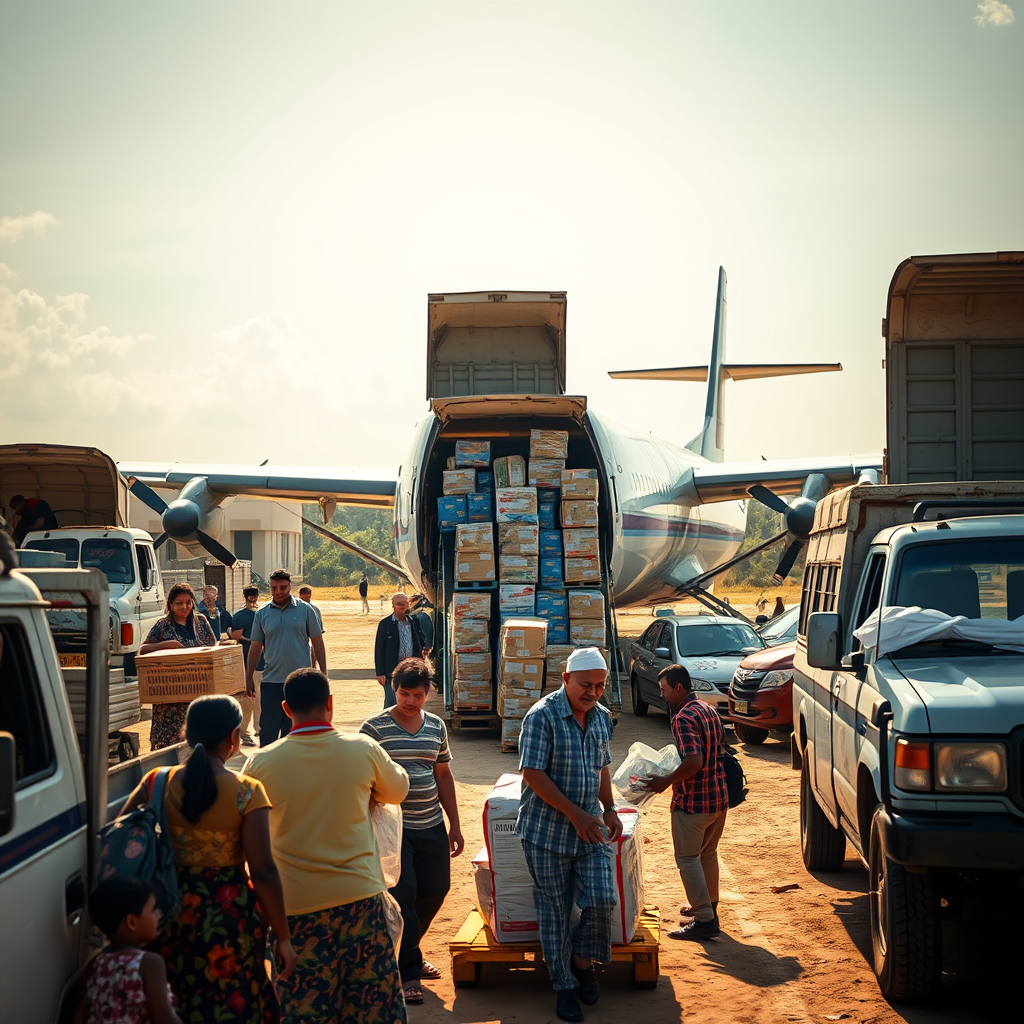
help such as money, food or support given to people in need
The country received millions in aid after the flood.
More examples: Foreign aid paid for new hospitals in the region. • She works for an aid organization in Kenya. • My cousin sent aid to families affected by the war.
Common collocations: foreign aid, receive aid, aid organization
Word family: aid (verb), aid worker, first aid
Synonyms: assistance, support, relief
Antonyms: harm, obstruction
Related concepts: charity, donations, humanitarian work
Contexts: disasters, development projects, news reports
Usage note: Usually uncountable. Use 'aid' for help between countries or organizations, not small everyday favours.
donate
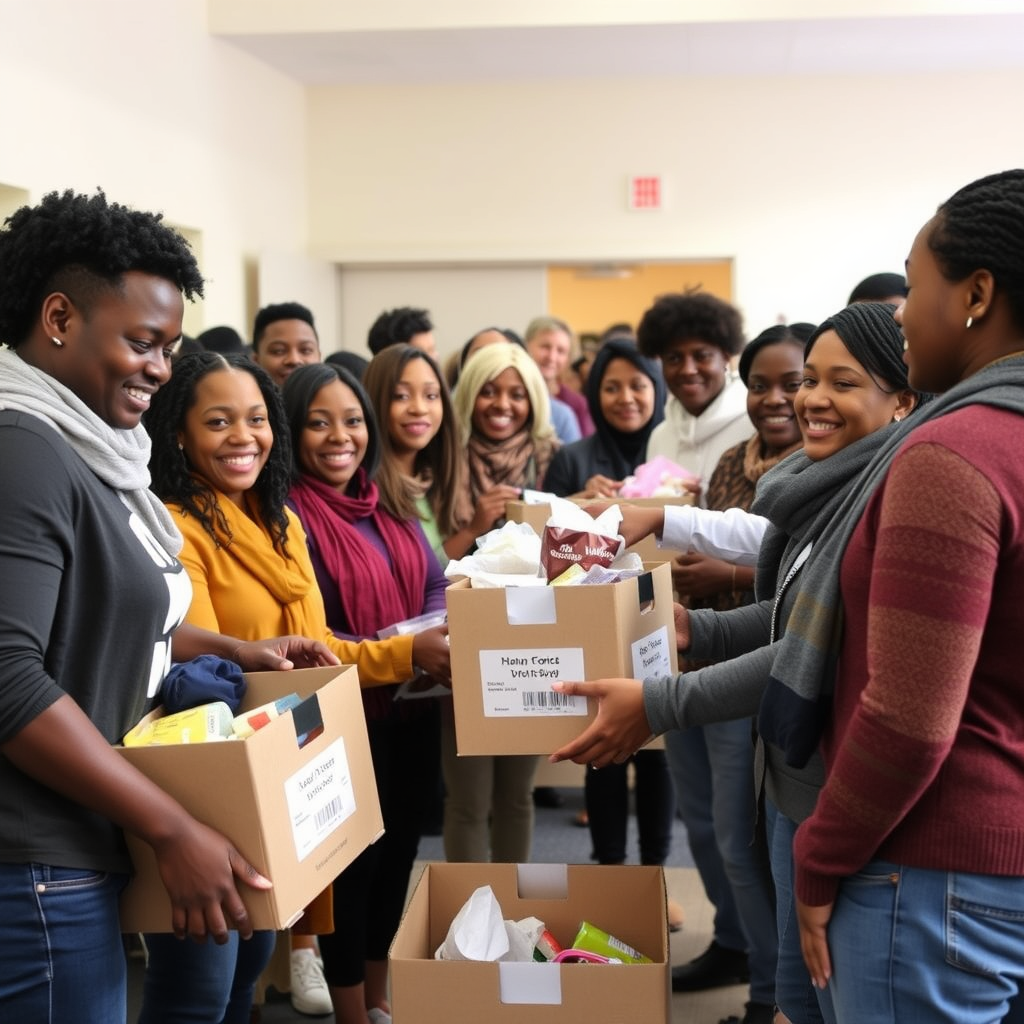
to give money or things to help people or organizations
Thousands of people donated money after the earthquake.
More examples: He donates ten percent of his salary to charity. • We donated old clothes to the refugee centre. • Would you donate blood if there was a shortage?
Common collocations: donate money to, donate blood, make a donation
Word family: donation (noun), donor (noun)
Synonyms: give, contribute, chip in
Antonyms: take, withhold
Related concepts: charity, generosity, fundraising
Contexts: charities, disaster relief, fundraising events
Usage note: Use 'donate to' for the receiver. 'Donate' suggests giving freely, not paying for something.
crisis
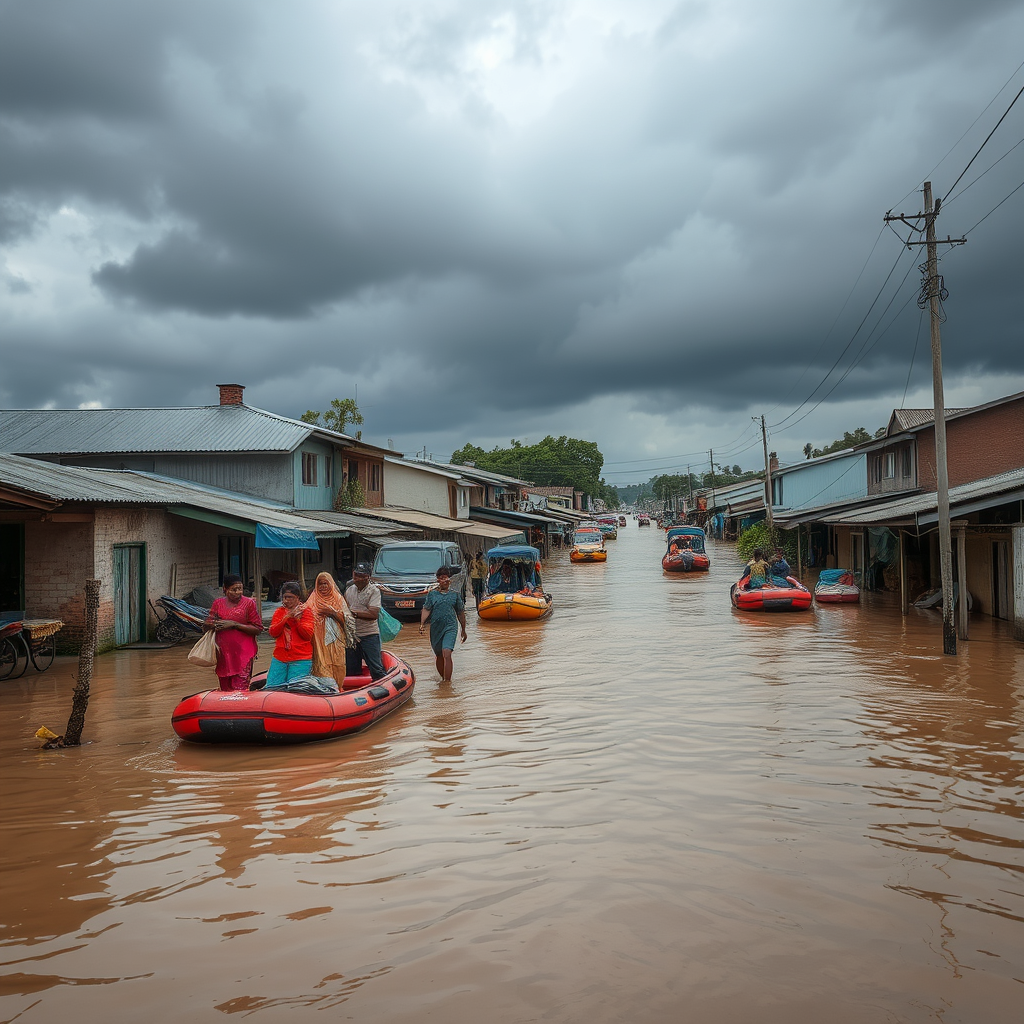
a time of serious danger or difficulty
The country faced a food crisis after two years of drought.
More examples: The government called an emergency meeting about the water crisis. • Her family went through a financial crisis last year. • Aid agencies responded quickly to the refugee crisis.
Common collocations: face a crisis, economic crisis, in crisis
Word family: crises (plural)
Synonyms: emergency, disaster, emergency situation
Antonyms: stability, calm
Related concepts: emergency, drought, conflict
Contexts: news, politics, personal life
Usage note: A crisis is bigger and more urgent than a problem. Often used with adjectives like economic, political or humanitarian.
sustainable
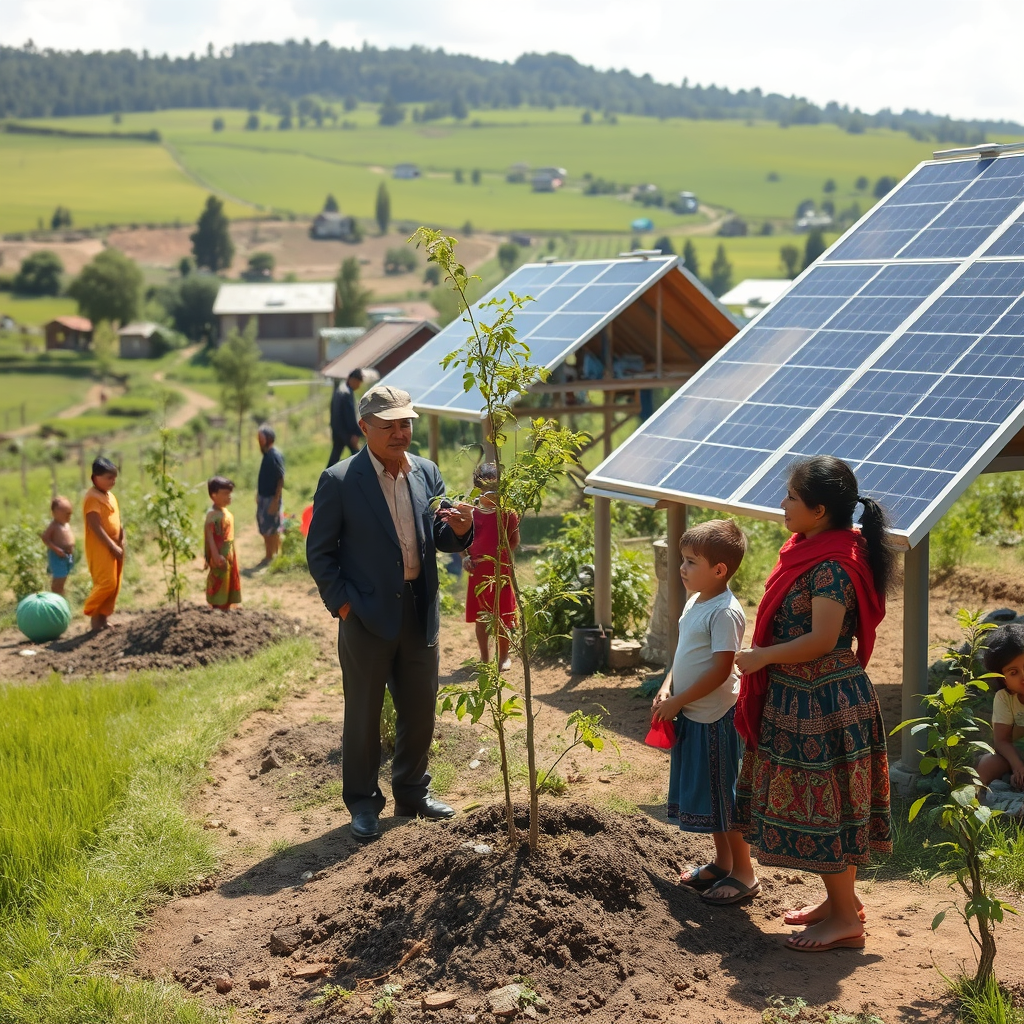
able to continue for a long time without causing problems
The project teaches farming skills, so the change is sustainable.
More examples: We need a sustainable way to provide clean water. • She tries to live a more sustainable lifestyle. • Free handouts are helpful now but not sustainable in the long run.
Common collocations: sustainable development, sustainable solution, environmentally sustainable
Word family: sustainability (noun), sustain (verb), unsustainable (adjective)
Synonyms: long-lasting, viable, self-supporting
Antonyms: short-term, unsustainable
Related concepts: environment, development, self-sufficiency
Contexts: environment, business, development projects
Usage note: Common in environmental talk and development talk. Often used with 'long-term'.
corruption

dishonest behaviour by people in power, especially for money
Corruption meant the aid money never reached the villages.
More examples: The report exposed corruption among government officials. • Many people believe corruption is the biggest obstacle to development. • He was arrested for corruption after taking bribes.
Common collocations: fight corruption, political corruption, end corruption
Word family: corrupt (adjective/verb), corruptly (adverb)
Synonyms: dishonesty, bribery, fraud
Antonyms: honesty, integrity
Related concepts: bribes, power, misuse of funds
Contexts: politics, business, news investigations
Usage note: Uncountable noun. Often connected with officials, bribes and misuse of public money.
Vocabulary Check
- What does 'aid' mean?
- A kind of tax
- Help such as money or supplies for people in need
- A type of trade agreement
- A government loan
- Which sentence uses 'donate' correctly?
- She donated a complaint to the manager.
- He donated his old books to the library.
- They donated a new car from the dealer.
- We donated the bill at the restaurant.
- In which situation would you use the word 'crisis'?
- Choosing what to watch on TV
- A country running out of clean water for millions of people
- Losing your pen before an exam
- Deciding between two restaurants
- What does 'sustainable' mean?
- Very expensive
- Able to continue for a long time without causing problems
- Fast and efficient
- Popular with young people
- Which situation is an example of 'corruption'?
- A mayor uses public money meant for schools to buy himself a villa.
- A teacher gives extra homework on Fridays.
- A company lowers its prices to attract customers.
- A citizen writes a letter to complain about traffic.
Idioms & Phrasal Verbs
set up
to build or organize something so it is ready to use
They set up a small food bank in our town last winter.
Usage note: You can split it: 'set up a camp' or 'set a camp up' are both fine. · Right: set the tent up · Avoid: set up it
Usage note: Very common in everyday talk and in the news.
end up
to finally be in a place or situation you didn't plan
I planned to save the money, but it ended up paying for a new phone.
Usage note: The small word 'up' shows the final result, often a surprise. · Right: ended up in Paris · Avoid: ended to Paris
Usage note: Followed by 'in', 'with' or -ing: 'ended up staying home'.
a one-off
something that happens only one time, not again
The bonus was a one-off, so don't expect it next year.
Usage note: Picture it as 'one' single event, 'off' the normal pattern. Common in British English.
Usage note: Can be a noun ('a one-off') or an adjective ('a one-off payment').
in the pockets of
taken dishonestly by people in power
Half the road budget ended up in the pockets of local politicians.
Usage note: The picture: money going straight into someone's pocket instead of where it should go.
Usage note: Usually negative — you'll see it in news stories about corruption.
Language Practice: Weighing Up Aid
Practice expressing ideas about the pros and cons of international aid.
- Comparing two points of view
- Emerging: Some people say ___, but I think ___. — Some people say aid is wasted, but I think it saves lives.
- Developing: While ___ can be ___, I believe ___ because ___. — While emergency aid can be life-saving, I believe long-term plans work better because they build real skills.
- Expanding: Although there's a strong argument for ___, I'd say ___, especially when you consider ___. — Although there's a strong argument for giving cash directly, I'd say training local workers is smarter, especially when you consider what happens after the donors leave.
- Giving pros and cons
- Emerging: The good thing about ___ is ___. The bad thing is ___. — The good thing about aid is that it saves lives. The bad thing is that it can stop.
- Developing: On the one hand, ___; on the other hand, ___. — On the one hand, aid helps countries recover from a crisis; on the other hand, it can make them depend on outside help.
- Expanding: The main advantage of ___ is that ___, although the downside could be ___, which is why ___. — The main advantage of sustainable aid is that it keeps working after the donors leave, although the downside could be that it's slower, which is why you probably need both types.
- Imagining situations and consequences
- Emerging: If I ___ , I would ___. — If I had a billion dollars, I would donate it to clean water projects.
- Developing: If my country ___, I would want ___ because ___. — If my country faced a big crisis, I would want fast medical help because lives come first.
- Expanding: If I were in charge of aid spending, I would ___ , because otherwise ___. — If I were in charge of aid spending, I would put most of it into education and local businesses, because otherwise the money just treats the symptoms and not the cause.
Fill in the Blanks
Last summer, a serious flood hit a small coastal town, and the government declared a national _____. Within days, people around the world began to _____ money, and planes arrived carrying _____ for thousands of families. Unfortunately, some of the funds were lost to _____, which made many donors angry. In the end, the most useful support was _____: local builders were trained to construct flood-proof houses, so the town is now much better prepared for the future.
Word bank: aid, donate, crisis, sustainable, corruption
Sentence Unscramble
- after / the / country / received / millions / in / aid / the / earthquake
- corruption / often / stops / aid / from / reaching / the / people / who / need / it
- sustainable / aid / teaches / skills / that / last / for / generations
Discussion Questions
Imagine a powerful earthquake hits a country on the other side of the world. Within hours, news channels show destroyed buildings and families searching for relatives. Governments everywhere start announcing aid packages.
Do you think rich countries have a duty to help in a crisis like this, or is it just a kind choice? Why?
Some people say that when a country receives free food and goods for years, local farmers and shops can't compete. Others say that without that help, people would simply go hungry.
Which side do you find more convincing? Have you seen something similar happen in your own country?
Aid money sometimes disappears before it reaches the people who need it. Some donors now send experts and training instead of cash, hoping to avoid this problem.
If you donated a large amount of money, would you rather give cash or pay for training and equipment? What would worry you about each option?
After a disaster, the first few weeks get all the attention and the money. But rebuilding schools, water systems and jobs takes years, and by then the world has moved on to other news.
Do you think the world gives up on countries too quickly? What would a smarter, more sustainable kind of help look like?
Imagine you are the leader of a country that has just been offered a huge aid package. It comes with conditions: the donors want a say in how the money is spent.
Would you accept the money with those conditions, or refuse it and try to manage alone? What would you do?
Knowledge Check
- Which word describes help like money, food or medicine given to people in need?
- Corruption
- Aid
- Crisis
- Sustainability
- True or false: 'sustainable' describes something that only works for a short time.
- True
- False
- If money meant for schools ends up in an official's pocket, this is an example of...
- Sustainability
- A crisis
- Corruption
- Donating
- Which word completes this sentence: 'The flood created a serious water ___ for the whole region.'?
- donation
- aid
- corruption
- crisis
- True or false: a 'donor' is the person or organization that gives money or goods.
- True
- False
- If money "ends up in the pockets of officials", what has happened to it?
- It was saved for future projects
- It was taken dishonestly by people in power
- It was given back to the donors
- It was spent on new uniforms
Free to use with your students: Free to teach, screen-share, print and share with your students, with a credit to PlanWise ESL. Please do not sell it or republish it as your own. What you can do with free lessons.