Switzerland: Mountains, Trains and Daily Life
About this lesson: This is a B1 (Intermediate) ESL lesson in the General English category. It takes about 60 minutes. It includes 5 vocabulary words, 3 phrasal verbs and expressions, a reading text, comprehension questions, discussion questions and speaking patterns. Suits one-to-one or small-group online classes. Free to open and teach with no login, and it prints as a PDF.
Print just the discussion questions
How this lesson is built
This is a complete conversation lesson built on a scientific pedagogical formula, not a generic worksheet: recall prior topic vocabulary, pre-teach the new words in depth, read in context, practise active recall with flashcards and synonyms/antonyms, build accuracy with exercises, and finish with deep discussion.
- Warm-up: Discussion questions that connect the topic to the student’s own life and recall vocabulary they already know about the subject.
- Reading: A text written for this CEFR level that uses each new word two or three times in context, giving the student something meaningful to react to.
- Key vocabulary: 5 new words, pre-taught before the reading with a definition, pronunciation guide, example sentences and a picture, plus word families, usage notes, recall flashcards and synonyms/antonyms, giving a solid grounding before reading.
- Comprehension: 5 questions that check the new words: retrieval practice, not rereading.
- Idioms and phrasal verbs: Expressions taken from the reading, each with its meaning, an example and a speaking question.
- Sentence frames: 3 speaking patterns, each at three levels of support (emerging, developing, expanding) with model answers—especially helpful scaffolding for beginners and less confident speakers.
- Gap-fill: The new words again, in a shuffled order, so the student recalls them by meaning in context.
- Sentence unscramble: Natural sentences with the new words to put back in order, reinforcing grammar and collocation.
- Discussion: 5 open questions designed to talk deeply about the subject while actively using the lesson’s target vocabulary: the heart of a conversation lesson.
- Quiz: A short retrieval check that brings every new word back once more.
Unlike a generic worksheet, the new words are taught before the reading and met again in the activities, the speaking is supported at three levels and most of the time goes on the student talking. Teachers who use PlanWise ESL also get per-student vocabulary tracking (recycling earlier words into future readings and questions), a private learner dashboard with flashcards and custom lesson creation, and a downloadable study PDF.
Warm-up: Think About Switzerland
Look at the questions and talk about what you already know and think about Switzerland. There are no wrong answers - just start talking!
- What comes to your mind when you hear the word 'Switzerland'?
- Have you ever been to Switzerland, or would you like to go? Why?
- What do you think life is like in a country full of mountains?
- Switzerland is famous for being expensive. Do you think expensive places are always better places to live?
- If you could move to any country for one year, where would you go? Why?
Reading Text: A Year in Switzerland
Read about Lena, a young woman who moved to Switzerland for work. What does she love about life there? What is difficult?
My friend Lena moved to Switzerland last year for a new job. She lives in a small town near the mountains, and the scenery there is amazing. Every morning she looks at the snowy peaks and the green fields, and she feels lucky. However, life in Switzerland is not cheap, so she has to plan her money carefully.
Lena takes the train to work every day. Her commute takes about forty minutes, but she doesn't mind at all. The trains are very reliable, so they almost never arrive late. In her old city, the buses were often late, so she was always in a hurry and always tired.
Switzerland has many old traditions. In Lena's town, people celebrate a mountain festival every summer with music, dancing and local food. Although Lena is not Swiss, her neighbours invited her, so she felt very welcome. She says that joining local traditions is the best way to make friends in a new country.
Life there is expensive. Rent is very high, so many people cannot afford to live in big cities like Zurich. Even some Swiss families find it hard to afford a flat there. Lena shares an apartment with a colleague to save money. She says you pay a lot, but you get a lot too: clean streets, safe cities and beautiful scenery everywhere.
Lena wants to stay for a few more years. She loves the scenery, the traditions and the quiet life. The reliable trains and her short commute make every day easier. However, she misses her family, so she isn't sure about staying forever. 'Every place has good points and bad points,' she says. 'You just have to find what suits you.'
Key Vocabulary
scenery
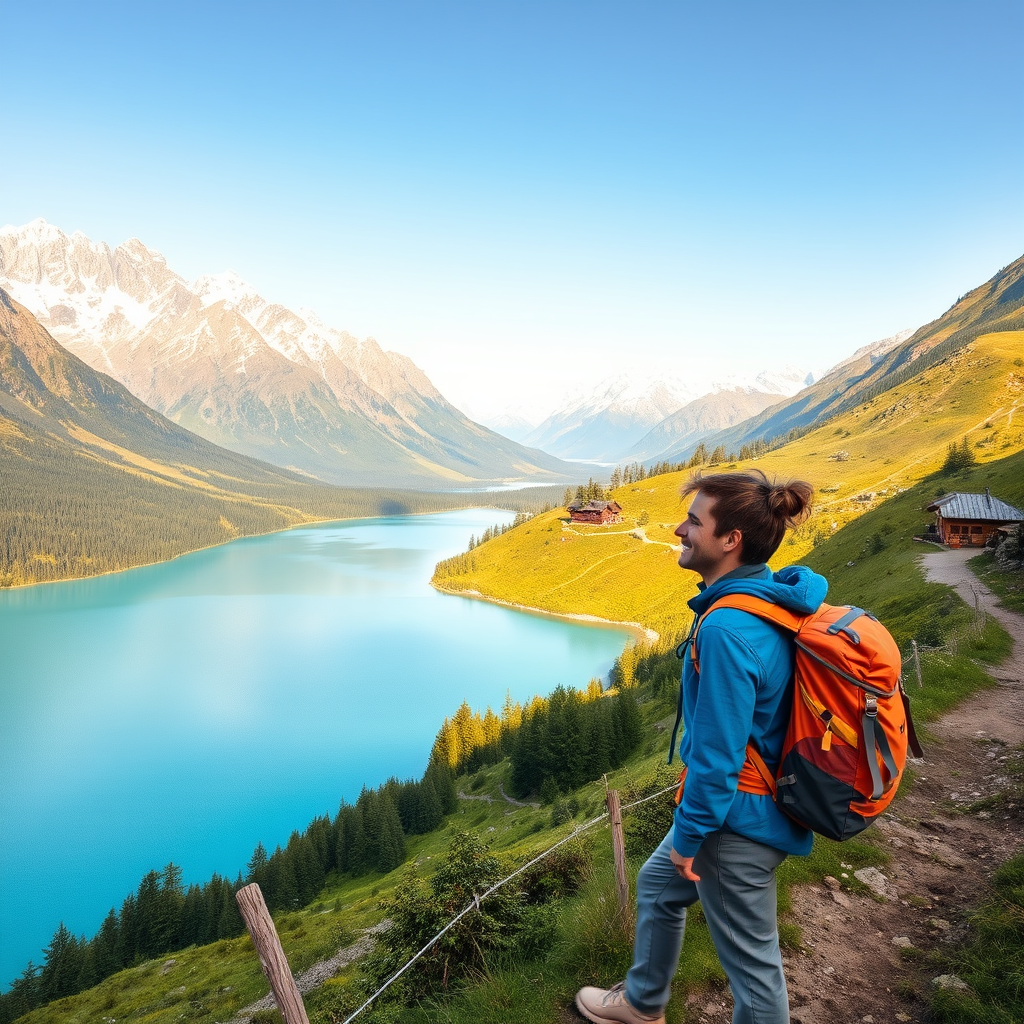
The natural things you can see, like mountains and forests
The scenery in the mountains is amazing in summer.
More examples: We took the slow train because the scenery is better. • The scenery on the coast is beautiful at sunset. • I love the scenery near my grandmother's village.
Common collocations: beautiful scenery, amazing scenery, enjoy the scenery
Word family: scenic
Synonyms: view, landscape, countryside
Antonyms: cityscape, concrete jungle
Related concepts: mountains, nature, hiking
Contexts: travel, holidays, photography
Usage note: 'Scenery' is uncountable, so we never say 'sceneries'. It is about natural views, not buildings.
tradition
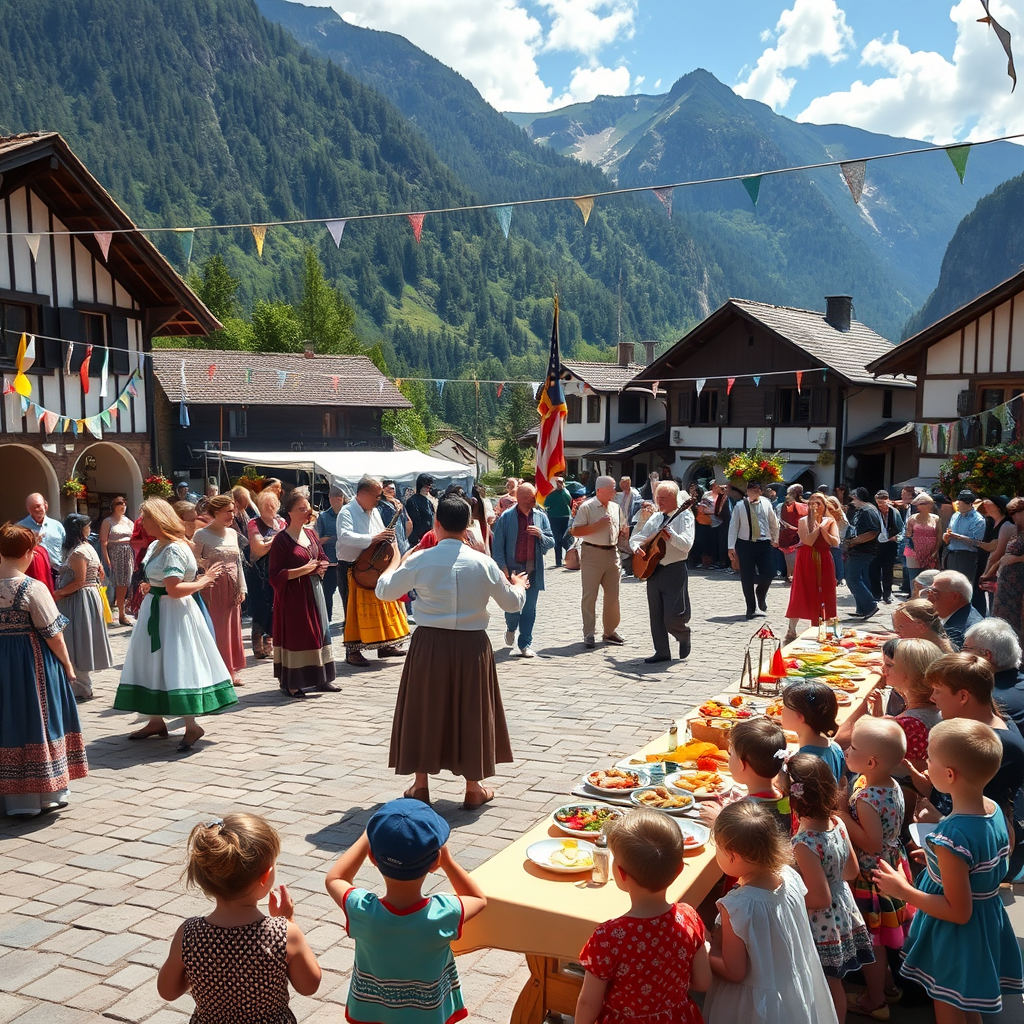
Something people do for a long time and pass on
Making cheese by hand is a tradition in some Swiss villages.
More examples: In my family, we have a tradition of eating together on Sundays. • It is a tradition to give flowers on this holiday. • The town keeps its old traditions alive with a yearly festival.
Common collocations: old tradition, family tradition, keep a tradition alive
Word family: traditional
Synonyms: custom, habit, practice
Antonyms: new fashion, modern trend
Related concepts: festival, culture, celebration
Contexts: holidays, family life, local culture
Usage note: Use 'tradition' for customs, celebrations and habits that come from the past. Often used with countries, families and festivals.
commute
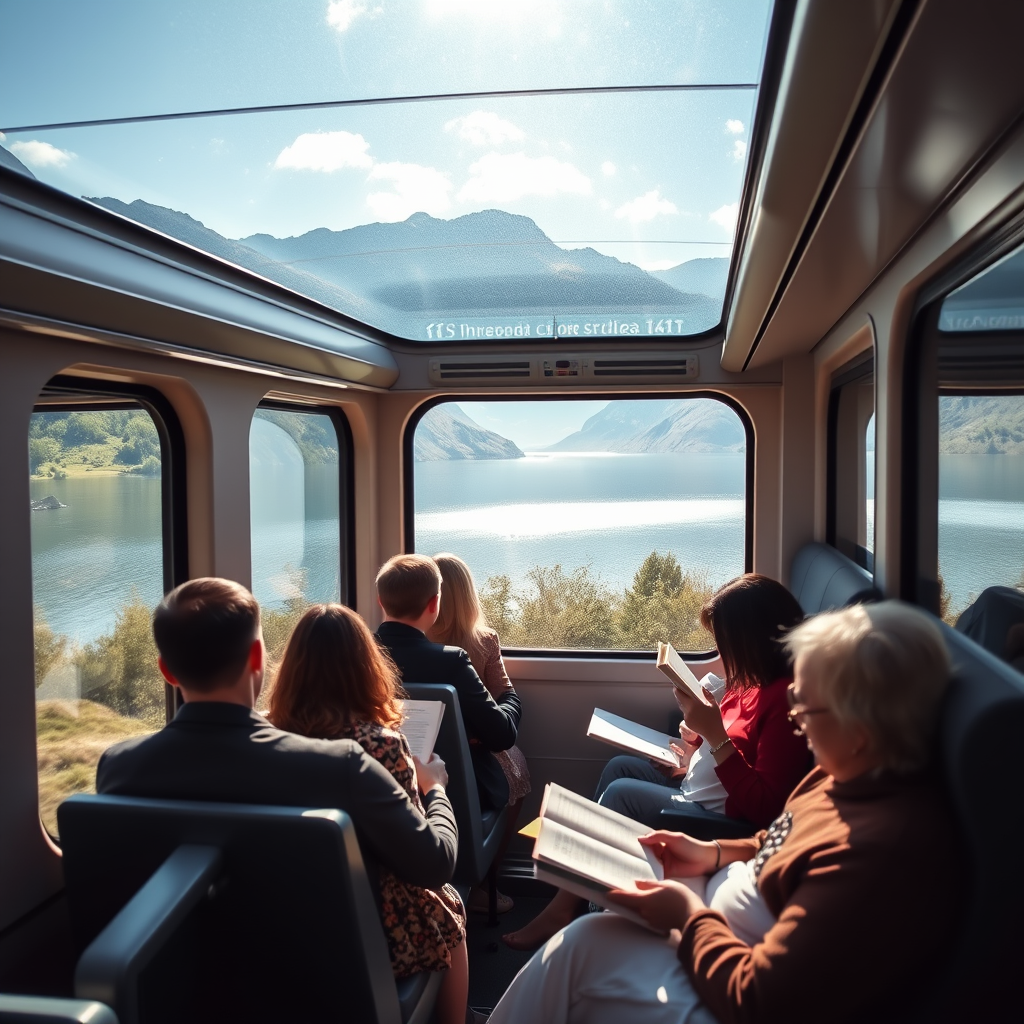
To travel between your home and your work
I commute to work by train every morning.
More examples: She commutes to the office by bike in summer. • Many people commute into the city for work. • He commutes for an hour each way, so he reads on the train.
Common collocations: commute to work, long commute, daily commute
Word family: commuter, commute (noun)
Synonyms: travel to work, go to work
Antonyms: work from home, stay home
Related concepts: rush hour, public transport, work-life balance
Contexts: jobs, cities, transport
Usage note: Both the verb ('I commute by train') and the noun ('My commute is long') are common in everyday talk about work.
reliable
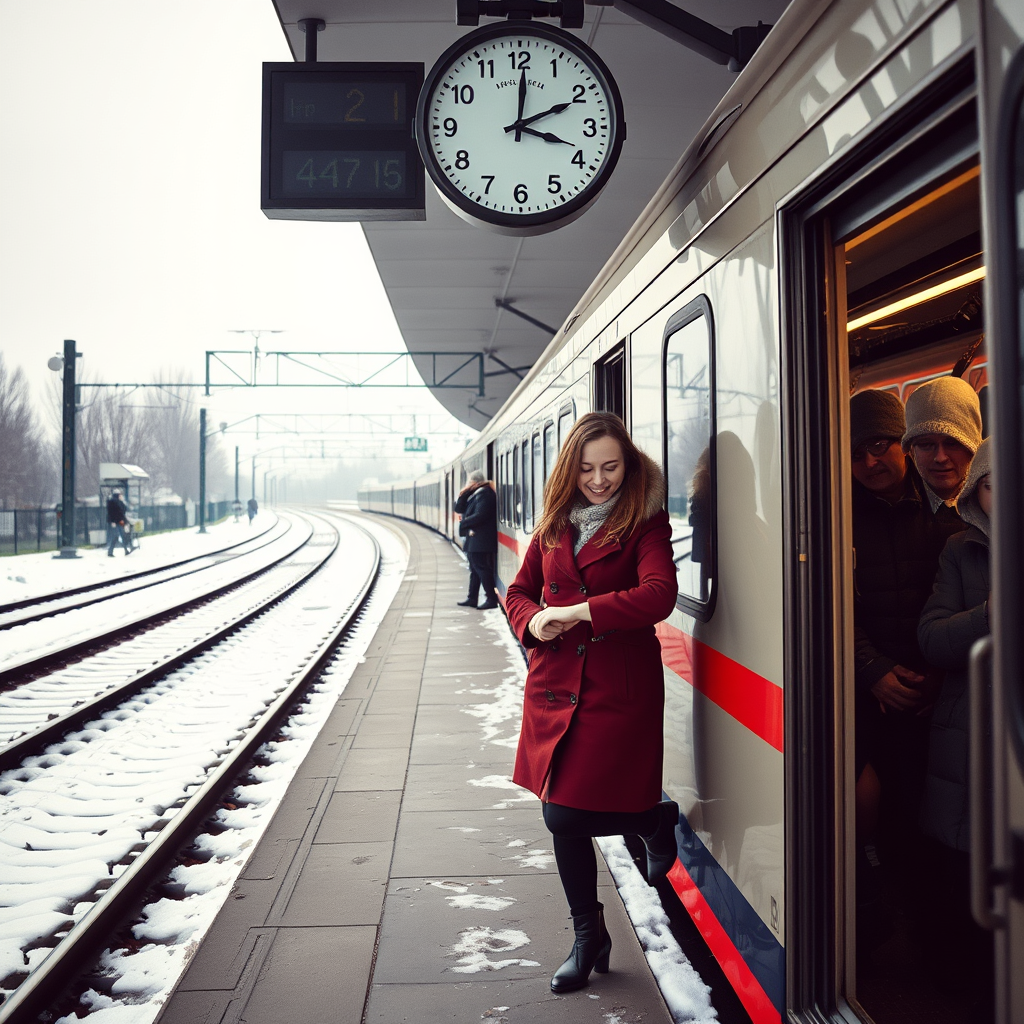
Always working well; you can trust it
Swiss trains are very reliable, so people can plan their day.
More examples: My car is old but very reliable. • She is a reliable friend - she always helps me. • We need a reliable internet connection for video calls.
Common collocations: reliable service, reliable person, reliable information
Word family: reliably, reliability, rely on
Synonyms: dependable, trustworthy, consistent
Antonyms: unreliable, unpredictable
Related concepts: trust, quality, punctuality
Contexts: transport, technology, friendship
Usage note: Use 'reliable' for people, machines, transport and information that never let you down. Very useful for giving opinions with reasons.
afford

To have enough money to buy or do something
Many young people cannot afford to live in big cities.
More examples: I can't afford a holiday this year. • They can afford a bigger flat now, because she got a new job. • Can we afford to eat out tonight?
Common collocations: can't afford, afford to buy, easily afford
Word family: affordable
Synonyms: have enough money for, be able to pay for
Antonyms: be too expensive, be unable to pay
Related concepts: rent, salary, cost of living
Contexts: housing, shopping, travel plans
Usage note: Usually used with 'can' or 'can't'. Often followed by 'to' plus a verb: 'afford to move', 'afford to travel'.
Vocabulary Check
- What does 'scenery' mean?
- The natural things you can see, like mountains and lakes
- A kind of weather
- A busy city street
- A type of local food
- Which sentence uses 'commute' correctly?
- I commute by eating a big breakfast.
- My commute to work takes thirty minutes by train.
- She commutes a large pizza every Friday.
- The commute was very delicious.
- In which situation would you say 'reliable'?
- A friend who never answers your messages
- A bus that is late every single day
- A train that always arrives on time
- A phone that turns off by itself
- What does 'afford' mean?
- To want something very much
- To sell something cheaply
- To borrow money from a friend
- To have enough money to buy something
- What is a 'tradition'?
- A new idea from another country
- Something people have done for a long time and pass on
- A kind of mountain
- An expensive meal in a restaurant
Phrasal Verbs & Expressions
in a hurry
moving fast because you do not have much time
I don't drink coffee at home because I'm always in a hurry in the morning.
Usage note: Use it with the verb 'be': I am in a hurry, not 'I make a hurry'. · Right: I'm always in a hurry. · Avoid: I always make a hurry.
Usage note: You can also say 'in no hurry' to mean you have lots of time.
save money
to keep money instead of spending it
I cook at home during the week to save money.
Usage note: You save money FOR something: I'm saving money for a new phone. · Right: I'm saving money for a trip. · Avoid: I'm saving money a trip.
Usage note: You can also just say 'save' on its own: It saves a lot.
make friends
to get to know people and become friends with them
It was hard to make friends when I started my new job.
Usage note: Say 'make friends', not 'do friends'. · Right: It's easy to make friends there. · Avoid: It's easy to do friends there.
Usage note: You can add 'with': She made friends with her neighbours.
Language Practice: Talking About Places and Choices
Practise expressing ideas about living somewhere new, daily life and money choices.
- Giving an opinion with a reason
- Emerging: I think ___ because ___. — I think Switzerland is beautiful because of the mountains.
- Developing: In my opinion, ___ is better than ___ because ___. — In my opinion, a small town is better than a big city because life is quieter.
- Expanding: I would say that ___, mainly because ___, although I can see that ___. — I would say that living near mountains is better, mainly because I love outdoor sports, although I would miss the cinemas and restaurants of a big city.
- Talking about imaginary situations and their results
- Emerging: If I lived in Switzerland, I would ___. — If I lived in Switzerland, I would go hiking every weekend.
- Developing: If I moved to a new country, I would ___ because ___. — If I moved to a new country, I would join local festivals because I want to make friends.
- Expanding: If I could live anywhere, I would choose ___, because when I ___, I feel ___. — If I could live anywhere, I would choose a place near the mountains, because when I walk in nature, I feel calm and happy.
- Explaining cause and effect in daily life
- Emerging: When ___, I feel ___. — When my commute is long, I feel tired.
- Developing: When ___, ___ , so I usually ___. — When my commute is long, I arrive home late, so I usually cook something quick.
- Expanding: When ___, ___ , so ___, and that's why ___. — When my commute takes over an hour, I get home exhausted, so I have no energy for hobbies, and that's why I prefer living close to work.
Fill in the Blanks
Last summer, Marta visited Switzerland for two weeks. She loved the _____ - the lakes and the mountains were beautiful. Everything was quite expensive, but she could still _____ a small hotel because she saved money before the trip. She used the trains every day, and the _____ service really impressed her: they always left on time. Her favourite day was a trip to a small village with an old _____ of making cheese by hand. On the last day, she took an early train to the airport, so her _____ through the mountains was a perfect goodbye.
Word bank: scenery, afford, reliable, tradition, commute
Sentence Unscramble
- the / scenery / in / the / mountains / is / amazing / in / winter
- my / commute / to / work / takes / about / forty / minutes / by / train
- we / cannot / afford / to / live / in / the / city / centre
Discussion Questions
Lena moved to Switzerland and found beautiful scenery, reliable trains and a quiet life. But she also found high prices and a long way from her family. Moving abroad is a big decision, and people choose it for many different reasons.
Would you like to live in a country like Switzerland for a year or two? Why or why not?
In Switzerland, many people live in small towns with amazing nature and take a train into the city for work. In other countries, people often do the opposite: they live in the busy city and travel to nature at the weekend. Both ways of life have fans and critics.
Is it better to live in a small town near nature or in a big city with more jobs and things to do? Why?
Lena's commute takes forty minutes, but she can relax because the trains are reliable and the scenery is beautiful. In many big cities, people spend one or two hours a day in traffic or crowded metros, and it makes them tired and stressed.
How long is your commute, or how long was it in the past? Do you use that time well, or does it just make you tired?
Lena's neighbours invited her to a mountain festival with music and local food, and she says joining traditions helped her make friends. Every country and family has its own traditions, from food and festivals to small daily habits.
What is one tradition from your country or your family that you would show to a visitor? Why that one?
Lena says Switzerland is expensive, but you get clean streets, safety and beautiful views. Some people happily pay more for quality of life; others prefer a cheaper city and more money in their pocket for travel and fun.
Would you rather pay more to live somewhere safe and clean, or live somewhere cheaper and save money? Why?
Knowledge Check
- Which word describes beautiful natural views like mountains and lakes?
- tradition
- commute
- scenery
- afford
- True or false: 'Reliable' means something often breaks or arrives late.
- True
- False
- Complete the sentence: 'I can't ___ a new car right now - it's too expensive.'
- afford
- commute
- scenery
- tradition
- True or false: A 'commute' is the journey between your home and your work.
- True
- False
- Which sentence uses 'tradition' correctly?
- My commute is a Swiss tradition to work.
- Making cheese by hand is a tradition in some villages.
- The tradition was very reliable today.
- I tradition to work by train every day.
- Your friend says: 'Sorry, I can't talk now — I'm in a hurry.' What does she mean?
- She is bored and has nothing to do.
- She has no time and must go fast.
- She is lost and needs help.
- She wants to meet you later.
Free to use with your students: Free to teach, screen-share, print and share with your students, with a credit to PlanWise ESL. Please do not sell it or republish it as your own. What you can do with free lessons.