Born a Genius, or Made One?
About this lesson: This is a B1 (Intermediate) ESL lesson in the General English category. It takes about 60 minutes. It includes 5 vocabulary words, a reading text, comprehension questions, discussion questions and speaking patterns. Suits one-to-one or small-group online classes. Free to open and teach with no login, and it prints as a PDF.
Print just the discussion questions
How this lesson is built
This is a complete conversation lesson built on a scientific pedagogical formula, not a generic worksheet: recall prior topic vocabulary, pre-teach the new words in depth, read in context, practise active recall with flashcards and synonyms/antonyms, build accuracy with exercises, and finish with deep discussion.
- Warm-up: Discussion questions that connect the topic to the student’s own life and recall vocabulary they already know about the subject.
- Reading: A text written for this CEFR level that uses each new word two or three times in context, giving the student something meaningful to react to.
- Key vocabulary: 5 new words, pre-taught before the reading with a definition, pronunciation guide, example sentences and a picture, plus word families, usage notes, recall flashcards and synonyms/antonyms, giving a solid grounding before reading.
- Comprehension: 5 questions that check the new words: retrieval practice, not rereading.
- Sentence frames: 3 speaking patterns, each at three levels of support (emerging, developing, expanding) with model answers—especially helpful scaffolding for beginners and less confident speakers.
- Gap-fill: The new words again, in a shuffled order, so the student recalls them by meaning in context.
- Sentence unscramble: Natural sentences with the new words to put back in order, reinforcing grammar and collocation.
- Discussion: 5 open questions designed to talk deeply about the subject while actively using the lesson’s target vocabulary: the heart of a conversation lesson.
- Quiz: A short retrieval check that brings every new word back once more.
Unlike a generic worksheet, the new words are taught before the reading and met again in the activities, the speaking is supported at three levels and most of the time goes on the student talking. Teachers who use PlanWise ESL also get per-student vocabulary tracking (recycling earlier words into future readings and questions), a private learner dashboard with flashcards and custom lesson creation, and a downloadable study PDF.
Warm-up Activity
Look at pictures of famous people like a great football player, a singer, and a scientist. Talk about how they became so good at what they do. Share your ideas about where amazing abilities come from.
- Can you do something really well? How did you learn it?
- Do you think some people are born smart and others are not?
- What is something you would love to be great at?
- Do you know someone with a special talent? What is it?
- If you practiced something every day for a year, what could happen?
Reading Text: The Secret of Success
Read a short text about whether success comes from natural ability or hard work. Think about your own opinion as you read.
Many people believe that geniuses are born with a special talent. However, scientists have a different idea. They say that practice is more important than natural ability. Although some children learn faster, everyone can improve with time and effort.
Think about a famous musician. She did not play perfectly the first time. She practiced for many hours every day. Her skill grew slowly, year after year. So her success came from hard work, not magic.
Effort means trying hard even when something is difficult. When you make an effort, your brain grows stronger. Scientists say the brain is like a muscle. Although it feels hard at first, practice makes it easier.
However, talent can help at the start. A child with talent may learn a skill quickly. But without practice, that talent disappears. Many talented children stop trying because everything was easy before.
So, what is the secret? Most experts believe that effort and practice are the real keys. Anyone can improve if they keep trying. Although talent is helpful, it is hard work that makes a genius.
Key Vocabulary
talent

A natural ability to do something well
She has a talent for drawing animals.
More examples: His talent for music surprised his teacher. • You need talent and luck to become a star. • I think I have a talent for making people laugh.
Common collocations: have a talent for, natural talent, show your talent
Word family: talented (adjective), talents (noun plural)
Synonyms: gift, ability, skill
Antonyms: weakness, lack of ability
Related concepts: genius, gifted, natural ability
Contexts: school, music and art, sports
Usage note: Use 'talent for' + noun or -ing form: 'a talent for singing'. Do not say 'talent to sing'.
effort
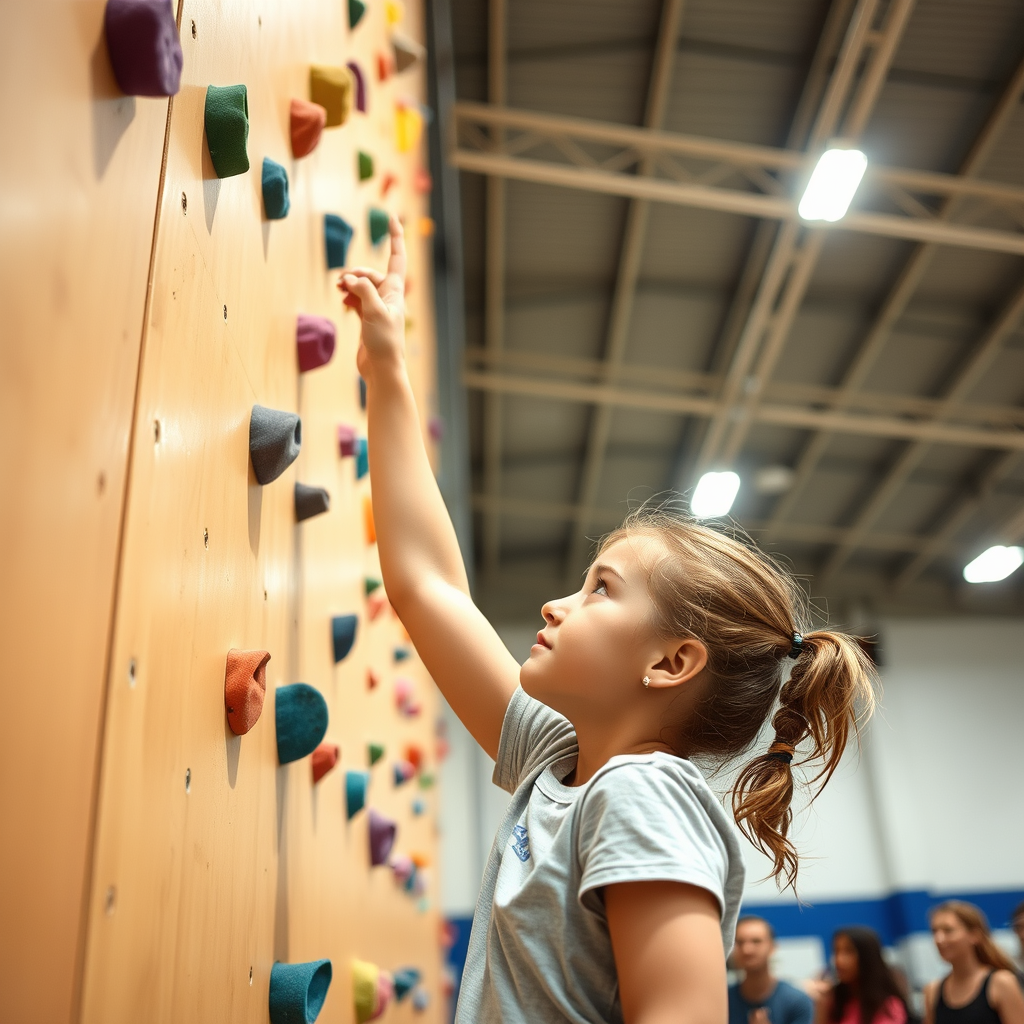
Hard work and energy you use to do something
Learning English takes effort every day.
More examples: She made a big effort to finish the project. • You will pass the test if you put in effort. • It was a team effort, so we all got prizes.
Common collocations: make an effort, put in effort, a big effort
Word family: effortless (adjective), effortlessly (adverb)
Synonyms: hard work, energy, trying
Antonyms: laziness, giving up
Related concepts: determination, hard work, trying
Contexts: school and study, sports, learning new things
Usage note: Common pattern: 'make an effort to do something'. Effort is uncountable when it means energy: 'It takes effort'.
skill

The ability to do something well because you learned it
Cooking is a useful skill for everyone.
More examples: Reading well is an important skill at school. • He improved his football skills last summer. • Communication is a skill you use your whole life.
Common collocations: learn a skill, basic skills, improve your skills
Word family: skilled (adjective), skilfully (adverb)
Synonyms: ability, technique, know-how
Antonyms: inability, clumsiness
Related concepts: learning, training, expertise
Contexts: school, hobbies, jobs
Usage note: A skill is learned, not born. Use with 'learn', 'develop', or 'improve'. Often plural: 'skills'.
improve
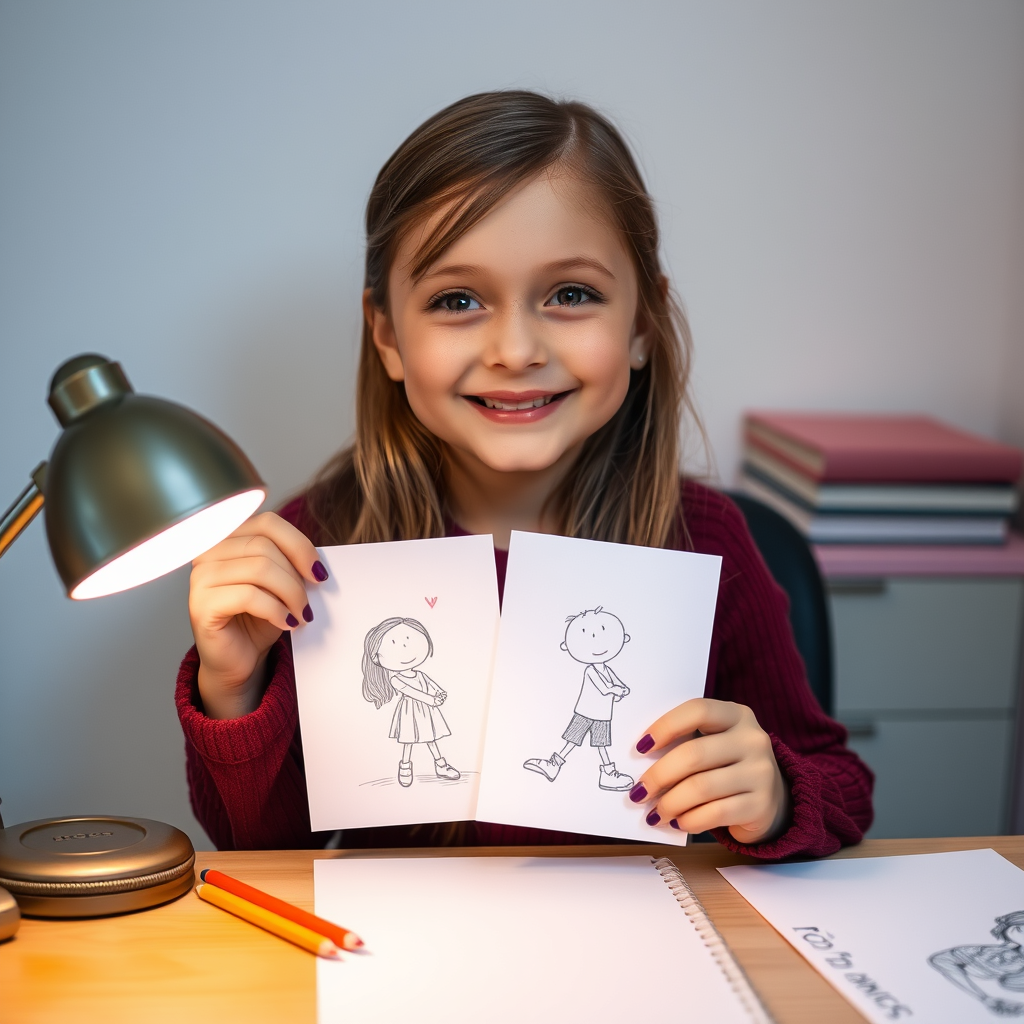
To become better at something, or make something better
I want to improve my English this year.
More examples: Her grades improved after she studied more. • Practice every day to improve quickly. • The team improved a lot with a new coach.
Common collocations: improve your skills, improve quickly, show improvement
Word family: improvement (noun), improved (adjective)
Synonyms: get better, progress, develop
Antonyms: get worse, decline
Related concepts: progress, growth, practice
Contexts: school grades, sports, language learning
Usage note: You improve something or something improves by itself. Do not say 'improve up'. Say 'improve' or 'get better'.
practice
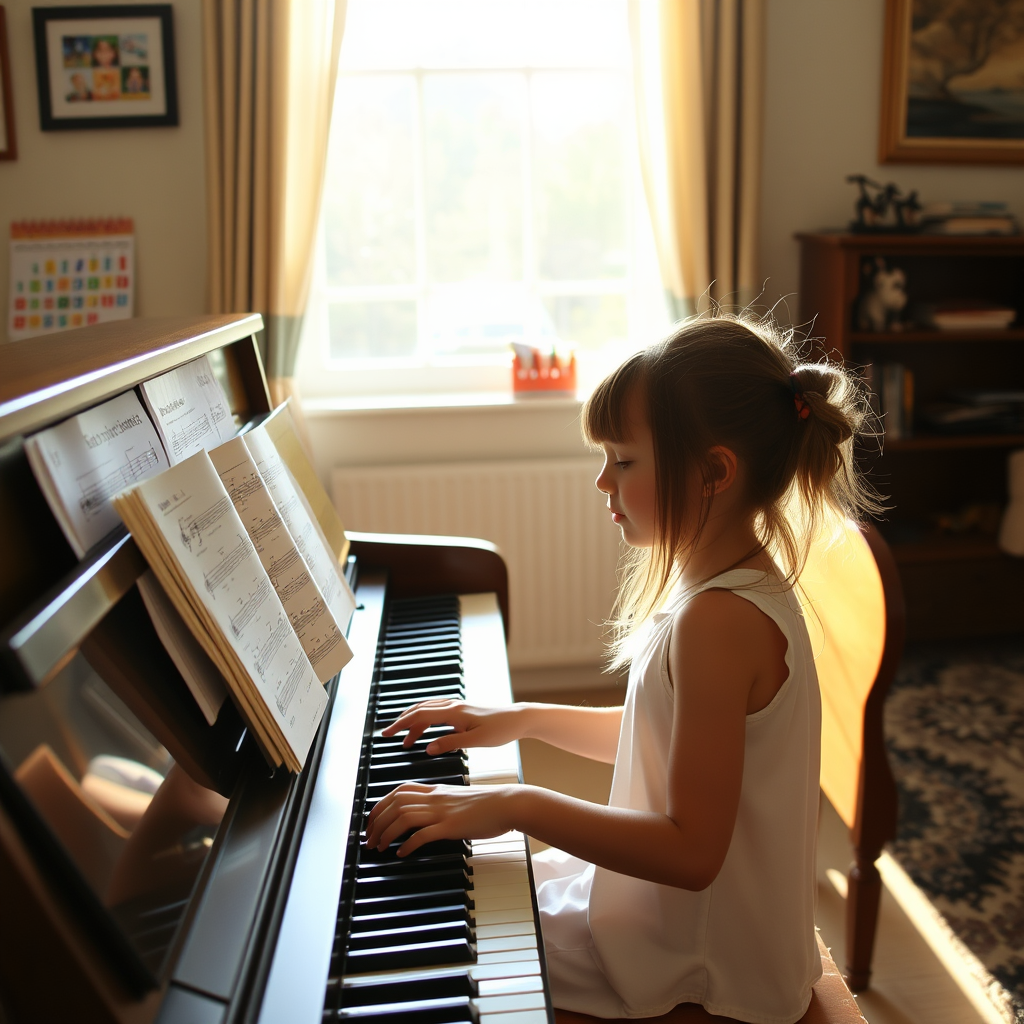
To do something many times to get better at it
She practices the piano for an hour every day.
More examples: If you practice speaking, you will sound natural. • The team practices every Saturday morning. • I need to practice more before the competition.
Common collocations: practice makes perfect, practice every day, practice speaking
Word family: practice (noun), practiced (adjective)
Synonyms: train, rehearse, drill
Antonyms: quit, stop trying
Related concepts: repetition, training, routine
Contexts: music lessons, sports teams, school study
Usage note: As a verb, use practice + noun or practice + -ing: 'practice the guitar', 'practice speaking'. The famous saying is 'Practice makes perfect'.
Vocabulary Check
- What does 'talent' mean?
- A natural ability to do something well
- A school subject you study
- A prize you win in a competition
- A plan for the future
- In which situation would you use the word 'effort'?
- When you win a prize without trying
- When you try very hard to do something difficult
- When you sleep all afternoon
- When you watch TV after school
- Which sentence uses 'skill' correctly?
- She has great skill in swimming because she trained for years.
- She skill her homework every evening.
- The skill was raining all day long.
- He skill a big sandwich for lunch.
- What does 'improve' mean?
- To stop doing an activity
- To become better at something
- To start something new
- To forget what you learned
- Which sentence uses 'practice' correctly?
- She practices speaking English with her friend every week.
- She practices to speak English good.
- He practice a pizza for dinner.
- They practice the homework into the bag.
Language Practice for Born a Genius, or Made One?
Practice expressing ideas about whether geniuses are born or made. Use these frames to give opinions with reasons.
- Giving an opinion with a reason
- Emerging: I think ___ because ___. — I think practice is important because it helps you improve.
- Developing: I believe that ___ because ___, so ___. — I believe that anyone can improve because practice makes you stronger, so hard work beats talent.
- Expanding: In my opinion, ___ because ___. However, I also think that ___. — In my opinion, geniuses are made because effort and practice build real skill. However, I also think that a little talent can make learning faster.
- Talking about cause and effect
- Emerging: If you practice ___, you will ___. — If you practice the piano, you will play better.
- Developing: If you make an effort to ___, your ___ will improve, so ___. — If you make an effort to read every day, your vocabulary will improve, so school gets easier.
- Expanding: If someone practices ___ every day, they will develop ___ because ___. — If someone practices an instrument every day, they will develop real skill because repetition trains the brain.
- Comparing two ideas and disagreeing politely
- Emerging: ___ is more important than ___. — Practice is more important than talent.
- Developing: I agree that ___, but I think ___ is more important because ___. — I agree that talent helps, but I think practice is more important because talent disappears without work.
- Expanding: Some people say ___, but I believe ___ because ___. For example, ___. — Some people say geniuses are born special, but I believe they are made because every expert practiced for years. For example, famous musicians trained since childhood.
Fill in the Blanks
Maya loved painting, but her first pictures were not very good. Her teacher told her that _____ makes perfect, so Maya decided to paint for thirty minutes every day. She had a real _____ for choosing beautiful colors, but she knew that talent alone was not enough. After a few months, she started to _____, and her lines became cleaner and more confident. Her big _____ finally paid off when she won the school art competition. Now painting is her favorite _____, and she dreams of becoming an artist one day.
Word bank: talent, effort, skill, improve, practice
Sentence Unscramble
- she / has / a / natural / talent / for / singing
- you / will / improve / if / you / practice / every / day
- learning / a / new / skill / takes / time / and / effort
Discussion Questions
Some children learn to read or do math very quickly. Others need more time and more help. Teachers sometimes call quick learners 'gifted'. However, many slow learners who keep trying end up doing very well in life.
Do you think fast learners are luckier than hard workers? Why or why not?
Famous musicians, dancers, and athletes often say they practiced for many years before becoming stars. One famous idea says you need about ten thousand hours of practice to become an expert at something. That is many years of daily effort.
Would you practice something for ten thousand hours? What would you choose, and why?
Imagine two students who want to play the guitar. One has natural talent but never practices. The other has no special talent but practices every single day. After one year, their teacher must choose one student for a big concert.
Who should the teacher choose, the talented student or the hard-working one? Explain your opinion.
Many people believe that the brain is like a muscle. When you learn something difficult, your brain grows stronger, just like your body grows stronger with exercise. This is why mistakes are actually useful when you are learning.
Do you agree that mistakes help us improve? Tell a story about a mistake that taught you something.
Around the world, parents sometimes push their children to practice piano, sports, or languages for many hours every day. Some children love it and become experts. Others feel tired and unhappy because they have no free time.
How much practice is too much? Should children choose their own hobbies, or should parents decide?
Knowledge Check
- What is the difference between talent and skill?
- Talent is natural; skill is learned through practice.
- Talent is learned; skill is natural.
- They are exactly the same thing.
- Talent is only for sports; skill is only for school.
- True or false: The reading says practice is more important than natural ability.
- True
- False
- Which word means 'to become better at something'?
- effort
- talent
- improve
- practice
- Which is a correct collocation with 'effort'?
- do an effort
- make an effort
- give an effort
- take an effort
- True or false: According to the reading, talented children always become successful.
- True
- False
Free to use with your students: Free to teach, screen-share, print and share with your students, with a credit to PlanWise ESL. Please do not sell it or republish it as your own. What you can do with free lessons.