Amazing Places Around the World
About this lesson: This is a B2 (Upper Intermediate) ESL lesson in the General English category. It takes about 60 minutes. It includes 5 vocabulary words, 4 idioms and phrasal verbs, a reading text, comprehension questions, discussion questions and speaking patterns. Suits one-to-one or small-group online classes. Free to open and teach with no login, and it prints as a PDF.
Print just the discussion questions
How this lesson is built
This is a complete conversation lesson built on a scientific pedagogical formula, not a generic worksheet: recall prior topic vocabulary, pre-teach the new words in depth, read in context, practise active recall with flashcards and synonyms/antonyms, build accuracy with exercises, and finish with deep discussion.
- Warm-up: Discussion questions that connect the topic to the student’s own life and recall vocabulary they already know about the subject.
- Reading: A text written for this CEFR level that uses each new word two or three times in context, giving the student something meaningful to react to.
- Key vocabulary: 5 new words, pre-taught before the reading with a definition, pronunciation guide, example sentences and a picture, plus word families, usage notes, recall flashcards and synonyms/antonyms, giving a solid grounding before reading.
- Comprehension: 5 questions that check the new words: retrieval practice, not rereading.
- Idioms and phrasal verbs: Expressions taken from the reading, each with its meaning, an example and a speaking question.
- Sentence frames: 3 speaking patterns, each at three levels of support (emerging, developing, expanding) with model answers—especially helpful scaffolding for beginners and less confident speakers.
- Gap-fill: The new words again, in a shuffled order, so the student recalls them by meaning in context.
- Sentence unscramble: Natural sentences with the new words to put back in order, reinforcing grammar and collocation.
- Discussion: 5 open questions designed to talk deeply about the subject while actively using the lesson’s target vocabulary: the heart of a conversation lesson.
- Quiz: A short retrieval check that brings every new word back once more.
Unlike a generic worksheet, the new words are taught before the reading and met again in the activities, the speaking is supported at three levels and most of the time goes on the student talking. Teachers who use PlanWise ESL also get per-student vocabulary tracking (recycling earlier words into future readings and questions), a private learner dashboard with flashcards and custom lesson creation, and a downloadable study PDF.
Warm-up: Dream Destinations
Look at the questions and talk about the places you dream about. There are no wrong answers — the goal is to start thinking and talking about travel.
- If you could fly anywhere tomorrow, where would you go?
- What's the most beautiful place you've ever seen in real life?
- Do you prefer famous sights or quiet, secret spots? Why?
- Would you rather relax on a beach or explore a busy city?
- Is there a place near your home that visitors would love but don't know about?
Reading Text: What Makes a Place Amazing?
Read this short article about different kinds of amazing places. As you read, think about which kind of place you would love most.
Everyone keeps a list of places they dream about visiting. For some people, it's a famous city full of lights and noise. For others, it's a quiet island far from anywhere. Travel writers say the world's most amazing places share one thing: the first view is absolutely breathtaking, and you just stand there and stare.
Take the salt flats of Bolivia, for example. This remote corner of South America feels like another planet — flat, white and endless. Because it is so remote, only a few travelers make the trip, and the land stays unspoiled. Visitors often wander for hours without meeting another person, and many say that silence is the best part.
Of course, not every amazing place is quiet. Some are iconic landmarks that almost everyone recognizes: the Eiffel Tower, Machu Picchu, the Great Wall of China. These iconic sights can feel breathtaking too, especially at sunrise, before the crowds arrive. Experienced travelers say the secret is simply good timing.
Then there are the hidden gems — small villages, quiet valleys and unspoiled beaches that never appear on the front page of a guidebook. In places like these, you can wander freely, chat with locals and enjoy a landscape that tourism hasn't changed yet.
But not everyone agrees that empty is better. Some travelers love the energy of iconic cities and find quiet places boring. Others worry that too many visitors can ruin an unspoiled spot forever. Maybe the real question is this: what kind of amazing place suits you?
Key Vocabulary
breathtaking
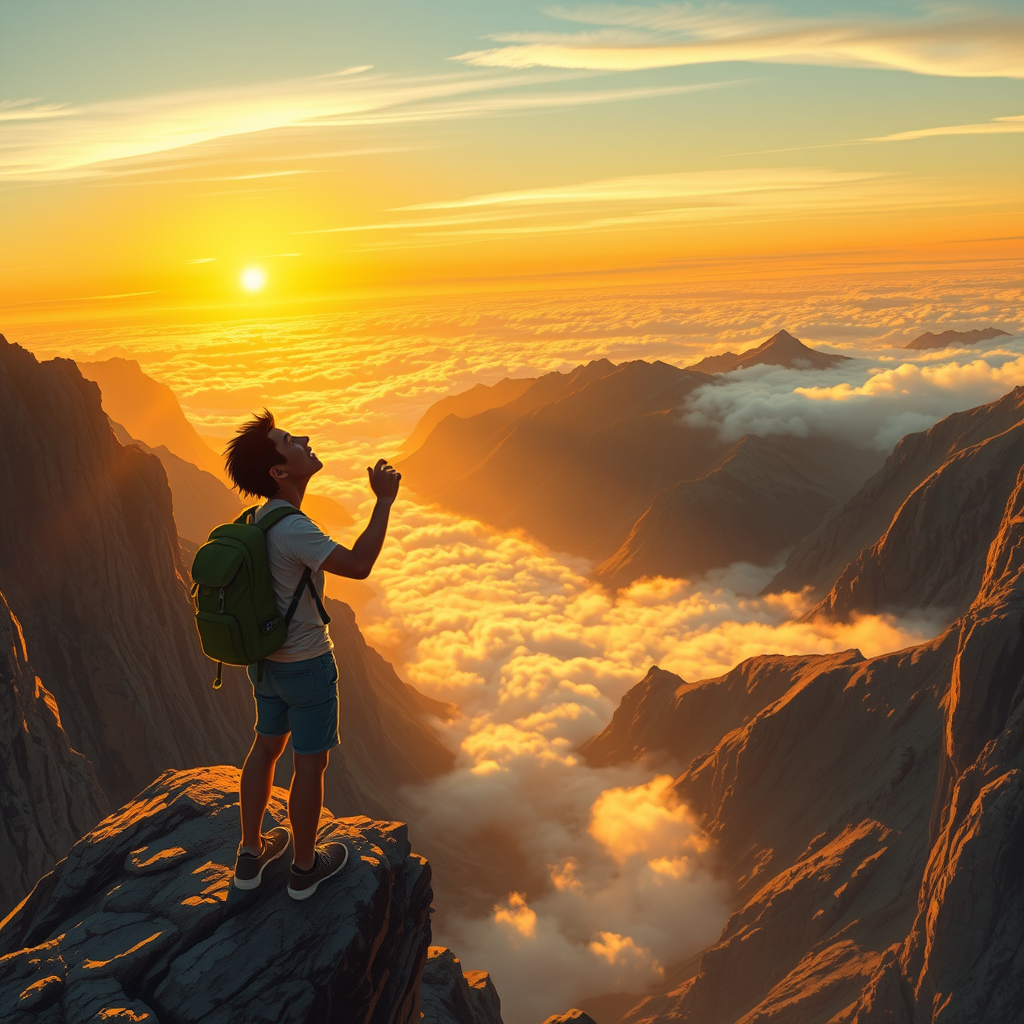
so beautiful or surprising that you stop and stare
The view from the top of the mountain was absolutely breathtaking.
More examples: The sunset over the lake was breathtaking — nobody said a word for a minute. • That's a breathtaking photo. Where did you take it? • For me, the most breathtaking place I've visited was the Grand Canyon.
Common collocations: a breathtaking view, breathtaking scenery, absolutely breathtaking
Word family: breath (noun), take your breath away (phrase), breathtakingly (adverb)
Synonyms: stunning, spectacular, amazing
Antonyms: ordinary, disappointing, ugly
Related concepts: awe, natural beauty, wonder
Contexts: travel photos, describing landscapes, reviewing performances
Usage note: Use it for views, scenery, photos or performances that amaze you. It's stronger than 'beautiful' — save it for the best things. Often used with 'absolutely'.
remote
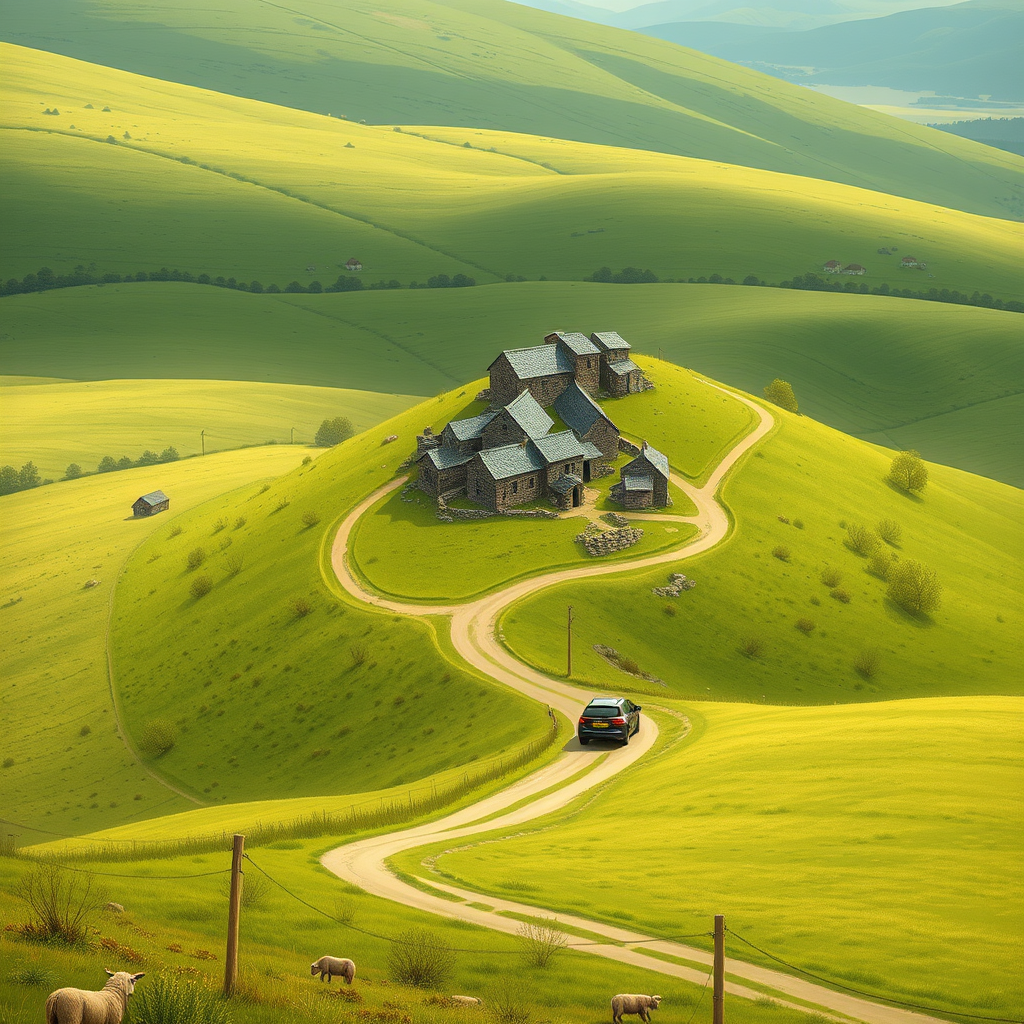
far away from towns and cities, hard to reach
She grew up in a remote village in the mountains, three hours from the nearest town.
More examples: The island is so remote that supplies arrive by boat once a month. • They live in a remote area with no mobile signal at all. • It's a beautiful but remote corner of the country — most tourists never go there.
Common collocations: a remote village, a remote area, in a remote corner of
Word family: remotely (adverb), remoteness (noun)
Synonyms: isolated, faraway, out-of-the-way
Antonyms: central, urban, accessible
Related concepts: isolation, wilderness, distance
Contexts: travel planning, describing villages, geography
Usage note: Use it for places far from cities and hard to get to. It often suggests quiet and emptiness, but not always something negative. Don't confuse it with the remote control for a TV.
iconic
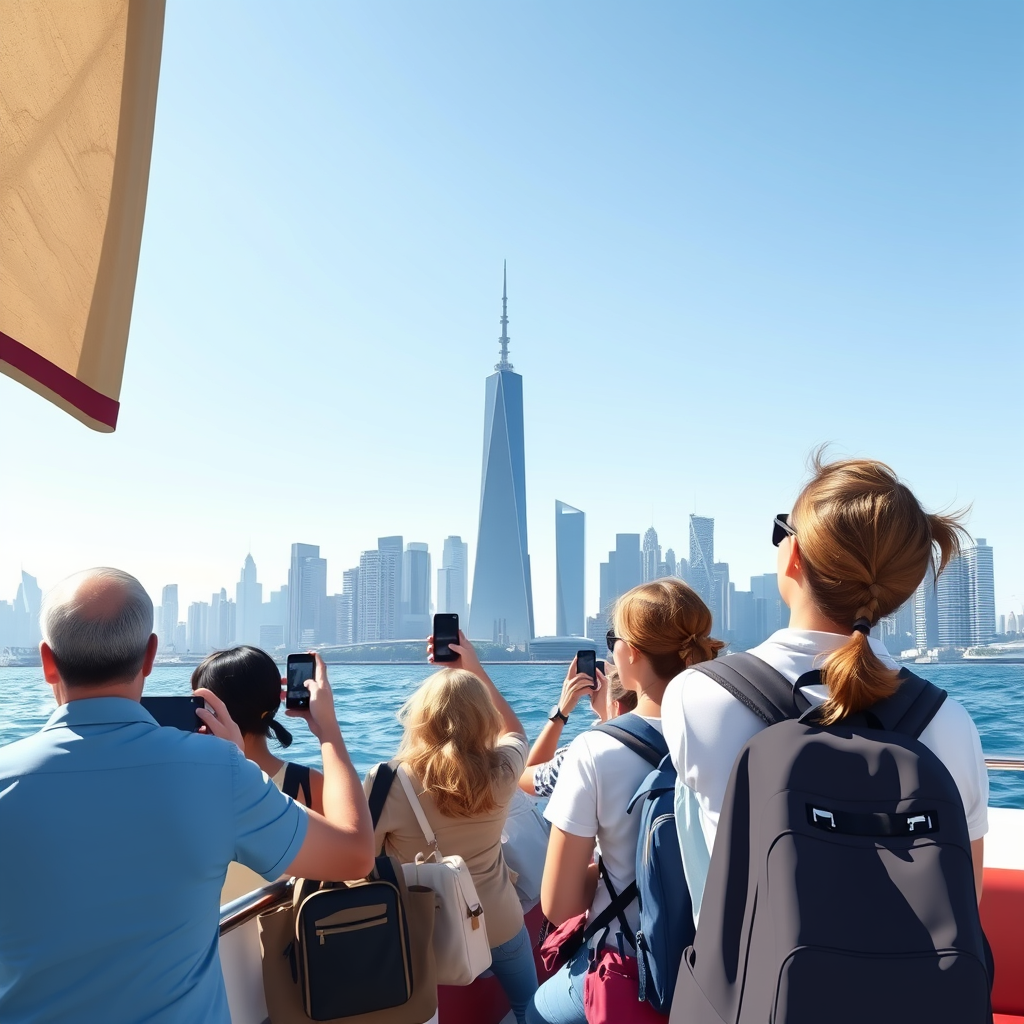
very famous and easy to recognize; a symbol of a place
The Eiffel Tower is one of the most iconic landmarks in the world.
More examples: The statue has become an iconic symbol of the city. • That bridge is so iconic that it appears on postcards and in films. • Sydney's iconic opera house attracts millions of visitors every year.
Common collocations: an iconic landmark, an iconic image, iconic status
Word family: icon (noun), iconic status (phrase)
Synonyms: famous, legendary, world-famous
Antonyms: unknown, obscure, ordinary
Related concepts: landmarks, symbols, tourism
Contexts: travel articles, sightseeing, photography
Usage note: Use it for buildings, sights or images that almost everyone recognizes and that represent a place. It's common in travel writing and the news.
wander
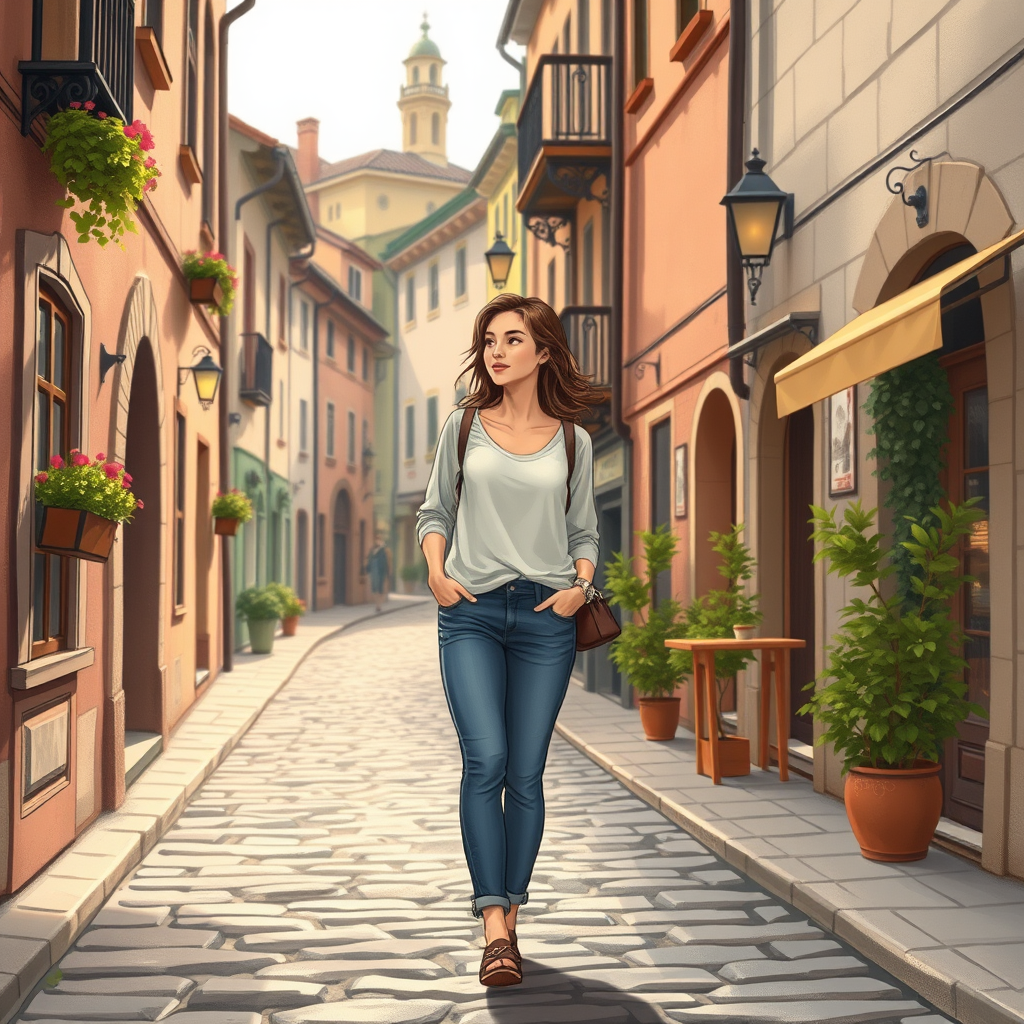
to walk around slowly with no clear plan or direction
We spent the morning wandering around the old streets of the city.
More examples: After lunch, we wandered through the market, looking at everything. • I love wandering around a new city with no map at all. • The kids wandered off to explore the beach while we set up the tent.
Common collocations: wander around, wander through, wander off
Word family: wanderer (noun), wanderlust (noun), wandering (adjective)
Synonyms: stroll, roam, drift
Antonyms: rush, march, head straight for
Related concepts: exploring, free time, getting lost
Contexts: city breaks, markets, old towns
Usage note: Use it for relaxed, unplanned walking. 'Wander off' means to walk away from a group, sometimes by accident. Don't confuse it with 'wonder', which sounds similar but means to think about something.
unspoiled
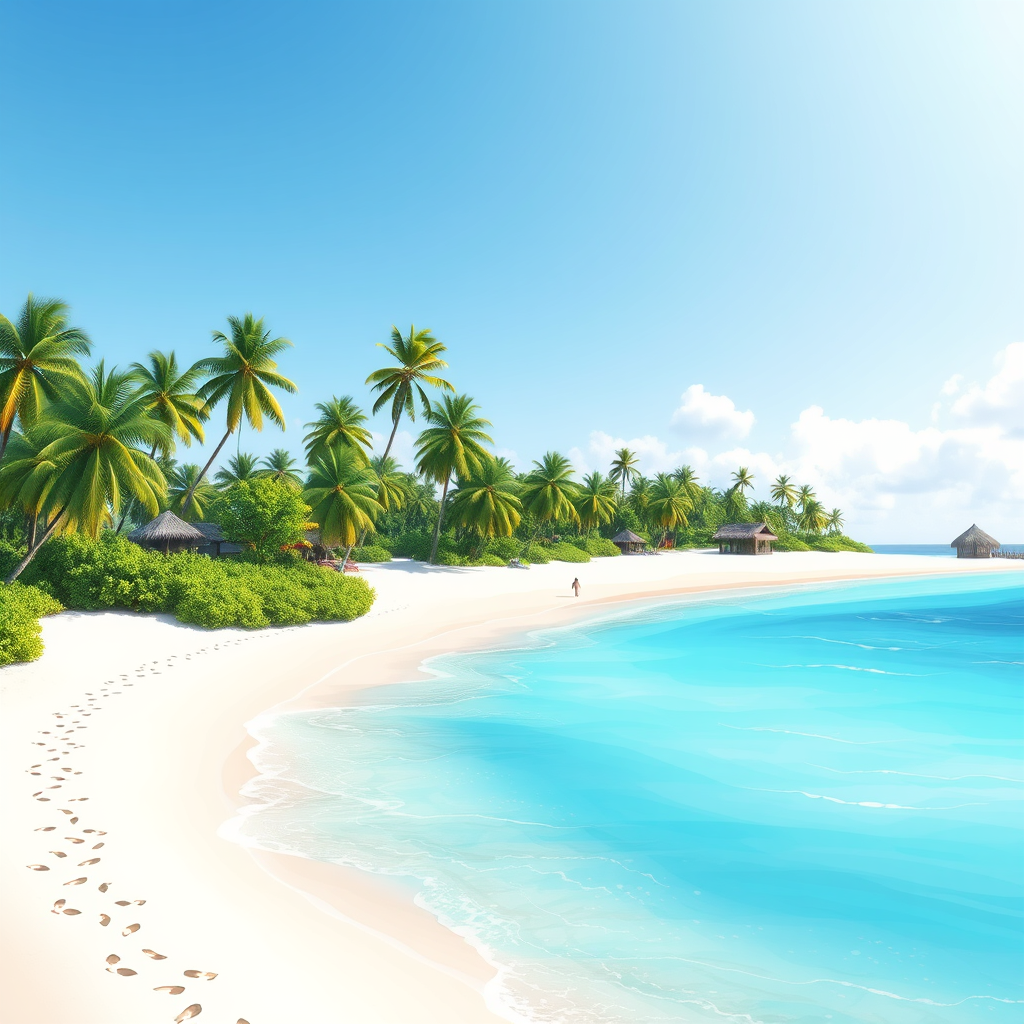
still natural and beautiful, not damaged by tourism or building
The island's unspoiled beaches attract travelers who want peace and quiet.
More examples: The valley has remained unspoiled because no roads lead there. • It's one of the last unspoiled corners of the coast. • Tourists come looking for unspoiled countryside and clean rivers.
Common collocations: unspoiled beaches, unspoiled countryside, remain unspoiled
Word family: spoil (verb), spoiled (adjective), unspoilt (British spelling)
Synonyms: pristine, untouched, unspoilt
Antonyms: developed, crowded, built-up
Related concepts: nature, conservation, overtourism
Contexts: travel writing, environmental discussions, holiday brochures
Usage note: Use it for places that are still natural because tourism and construction haven't changed them. It's almost always positive — a big selling point in travel writing.
Vocabulary Check
- What does 'breathtaking' mean?
- Very tiring and difficult
- So beautiful it surprises you
- Hard to breathe because of illness
- Very expensive
- Which sentence uses 'remote' correctly?
- The remote village is a three-hour drive from the nearest city.
- She remote her keys on the kitchen table.
- The remote soup was delicious.
- He felt remote after eating a big lunch.
- In which situation would you use 'iconic'?
- Talking about a small shop nobody has heard of
- Talking about a rainy Tuesday afternoon
- Talking about a broken phone
- Talking about a landmark everyone recognizes, like the Eiffel Tower
- What does 'wander' mean?
- To run very fast
- To walk around slowly without a plan
- To sleep in a tent
- To take photos of buildings
- Which sentence uses 'unspoiled' correctly?
- He unspoiled his shirt while painting the wall.
- The unspoiled train finally arrived twenty minutes late.
- The unspoiled valley had no roads or hotels — just forest and rivers.
- She unspoiled the tickets for tomorrow's flight.
Idioms & Phrasal Verbs
hidden gem
a wonderful place that most people don't know about
That little café down the side street is a real hidden gem — the food is amazing and nobody knows about it.
Usage note: The picture: a jewel that is buried and hard to find. You can use it for places, restaurants, films or even people.
Usage note: Very common in travel blogs and reviews, so it will sound natural when you talk about places.
make the trip
travel a long way to visit a place
It's a ten-hour drive, but thousands of fans still make the trip every summer.
Usage note: Often used when the journey is long or difficult, so it suggests the place is worth the effort.
Usage note: You can also say it's 'worth the trip' when a place justifies the journey.
get away (from it all)
escape your normal life and relax somewhere else
I just want to get away from it all for a week — no emails, no noise, just a beach and a book.
Usage note: The small word 'away' adds the idea of distance and escape. 'Get away' alone can also mean escape from danger.
Usage note: Common mistake: don't say 'get away from all'. The fixed phrase is 'get away from it all'.
drive someone crazy
to make someone very annoyed or bored
Being stuck in the airport for eight hours drove me crazy — I nearly lost my mind!
Usage note: The picture: the situation pushes your mind until it 'breaks'. You can also say 'drive someone mad' — very common in British English.
Usage note: It can be positive too: 'that song drives me crazy' can mean you love it. Context tells you which.
Language Practice: Talking About Places
Practice expressing your ideas about amazing places. Start with the easiest version of each frame and build up when you feel ready.
- Comparing two points of view about travel
- Emerging: Some people say ___, but I think ___. — Some people say famous cities are the best places to visit, but I think quiet places are better.
- Developing: Some people say ___, but I think ___ because ___. — Some people say iconic landmarks are overrated, but I think they're popular for a reason because they really are spectacular.
- Expanding: Although some people say ___, I'd argue that ___, especially when ___. — Although some people say famous sights are too touristy, I'd argue that they're worth seeing, especially when you go early in the morning.
- Giving advantages and disadvantages of a place or type of trip
- Emerging: The good thing about ___ is ___. The bad thing is ___. — The good thing about remote places is the peace. The bad thing is the long journey.
- Developing: The big advantage of ___ is ___, but the downside is ___. — The big advantage of unspoiled beaches is the peace and beauty, but the downside is that they're hard to reach.
- Expanding: On the one hand, ___; on the other hand, ___, so it really depends on ___. — On the one hand, remote places offer breathtaking scenery; on the other hand, they take days to reach, so it really depends on how much time you have.
- Imagining a hypothetical trip
- Emerging: If I could go anywhere, I would go to ___. — If I could go anywhere, I would go to Japan.
- Developing: If I could spend a month in ___, I would ___ because ___. — If I could spend a month in New Zealand, I would drive around both islands because the scenery is breathtaking.
- Expanding: If I had the chance to ___, I would ___, and after that I'd probably ___. — If I had the chance to explore South America, I would start with the salt flats in Bolivia, and after that I'd probably travel slowly down to Patagonia.
Fill in the Blanks
Last year, my cousin spent a month traveling around New Zealand. She started in Auckland, one of the country's most _____ cities, but she quickly headed south. In the mountains, the views were so _____ that she stopped the car just to stare. She loved how _____ some of the small towns were — no crowds, no traffic, just quiet. Every morning she would _____ around the local market with no plan, chatting to farmers and bakers. By the end of the trip, she said the _____ beaches of the south island were the most beautiful places she had ever seen.
Word bank: breathtaking, remote, iconic, wander, unspoiled
Sentence Unscramble
- The / view / from / the / mountain / was / absolutely / breathtaking
- We / spent / the / afternoon / wandering / around / the / old / town
- This / remote / island / is / one / of / the / most / unspoiled / places / in / the / world
Discussion Questions
Most of us carry a picture in our heads of a place we'd love to see one day. It might be somewhere we saw in a film, a photo a friend showed us, or a place we've read about for years. Sometimes the dream stays with us for decades before we finally go.
What place would you most love to visit, and why does it attract you so much?
Travelers often split into two camps. One group wants to see the iconic sights — the landmarks everyone knows from postcards. The other group would rather find a hidden gem, somewhere no guidebook talks about. Both sides think the other is missing out.
Which camp are you in — famous sights or hidden gems? Try to convince me your way is better.
Some beautiful places have become victims of their own success. Streets that appear in photos online fill up with visitors, locals move out, and prices climb. Travelers sometimes arrive full of excitement and leave feeling disappointed by the crowds.
Have you ever visited somewhere that was too crowded? Did the crowds spoil it for you, or could you still enjoy it?
Imagine a cabin by a lake, hours from the nearest town, with no internet and almost no people. For some travelers this sounds like heaven — a chance to switch off completely. For others, the idea of being so cut off is genuinely stressful.
Would you enjoy spending a week somewhere remote with no internet and few people around, or would it drive you crazy? Why?
Visitors usually see the famous side of a country, but locals know a different map. They know the quiet valley, the family restaurant, the viewpoint with no queue. Often the best travel tip you can give someone is a place from your own backyard.
What's an amazing place in your country that most visitors miss? If I visited you, would you take me there?
Knowledge Check
- Which word describes a place that is very far from cities and hard to reach?
- iconic
- unspoiled
- remote
- breathtaking
- True or false: 'Wander' means to walk around slowly without a clear plan.
- True
- False
- If a beach is 'unspoiled', it is...
- full of hotels and shops
- still natural and beautiful
- very crowded with tourists
- closed to visitors
- True or false: 'Iconic' landmarks are places that almost nobody recognizes.
- True
- False
- A 'breathtaking' view makes you...
- feel tired
- want to leave
- stop and stare
- feel hungry
- If a place 'drives you crazy', how does it make you feel?
- Very relaxed and happy
- Very annoyed or bored
- Very sleepy
- Very hungry
Free to use with your students: Free to teach, screen-share, print and share with your students, with a credit to PlanWise ESL. Please do not sell it or republish it as your own. What you can do with free lessons.