Talking Business: Solving Problems with Clients
About this lesson: This is a B1 (Intermediate) ESL lesson in the General English category. It takes about 60 minutes. It includes 5 vocabulary words, 3 phrasal verbs and expressions, a reading text, comprehension questions, discussion questions and speaking patterns. Suits one-to-one or small-group online classes. Free to open and teach with no login, and it prints as a PDF.
Print just the discussion questions
How this lesson is built
This is a complete conversation lesson built on a scientific pedagogical formula, not a generic worksheet: recall prior topic vocabulary, pre-teach the new words in depth, read in context, practise active recall with flashcards and synonyms/antonyms, build accuracy with exercises, and finish with deep discussion.
- Warm-up: Discussion questions that connect the topic to the student’s own life and recall vocabulary they already know about the subject.
- Reading: A text written for this CEFR level that uses each new word two or three times in context, giving the student something meaningful to react to.
- Key vocabulary: 5 new words, pre-taught before the reading with a definition, pronunciation guide, example sentences and a picture, plus word families, usage notes, recall flashcards and synonyms/antonyms, giving a solid grounding before reading.
- Comprehension: 5 questions that check the new words: retrieval practice, not rereading.
- Idioms and phrasal verbs: Expressions taken from the reading, each with its meaning, an example and a speaking question.
- Sentence frames: 3 speaking patterns, each at three levels of support (emerging, developing, expanding) with model answers—especially helpful scaffolding for beginners and less confident speakers.
- Gap-fill: The new words again, in a shuffled order, so the student recalls them by meaning in context.
- Sentence unscramble: Natural sentences with the new words to put back in order, reinforcing grammar and collocation.
- Discussion: 5 open questions designed to talk deeply about the subject while actively using the lesson’s target vocabulary: the heart of a conversation lesson.
- Quiz: A short retrieval check that brings every new word back once more.
Unlike a generic worksheet, the new words are taught before the reading and met again in the activities, the speaking is supported at three levels and most of the time goes on the student talking. Teachers who use PlanWise ESL also get per-student vocabulary tracking (recycling earlier words into future readings and questions), a private learner dashboard with flashcards and custom lesson creation, and a downloadable study PDF.
Warm-up: Orders and Problems
Talk about your work with clients and orders before we start.
- What kind of fabric do you sell most often?
- Who are your clients, and where are they from?
- When an order goes wrong, what usually happens?
- Do you prefer talking to clients by email, phone, or video call? Why?
- How do you feel before a meeting with an important client?
Reading Text: A Difficult Order
Read about a fabric seller who had a problem with a big order. Think about what you would do in her situation.
Mei sells silk fabric to clients around the world. Last month, one of her biggest clients in New York ordered two hundred meters of fabric for his shop. However, when the order arrived, the color was wrong. The client sent an angry email, and Mei knew she had to act fast.
First, Mei decided to apologize. She wrote back and said she was sorry for the mistake. She did not make excuses, because she knew the client was upset. A clear apology often calms people down, even when they are very angry.
Next, the client asked for a refund for half of the order. Mei thought about it carefully. A full refund would cost her a lot of money, but she also wanted to keep the client. She decided to negotiate. She offered a discount on the next order instead of money back.
The client agreed, but he had one condition. He wanted Mei to be more reliable in the future. He said he needed to trust his suppliers, because his own customers complain when products arrive late. Mei promised to check every order twice before shipping.
In the end, the problem became a good lesson. Mei learned that when there is a complaint, you should respond quickly and stay calm. Although the situation was stressful, she kept a valuable client. Now she feels more confident when she talks about problems with orders.
Key Vocabulary
complaint

a statement that you are not happy about something
The client made a complaint about the late delivery.
More examples: We received a complaint about the fabric quality. • She wrote a complaint to the shipping company. • I got a complaint from a customer yesterday.
Common collocations: make a complaint, deal with a complaint, receive a complaint
Word family: complain (verb), complaining (adjective)
Synonyms: objection, protest, grievance
Antonyms: praise, compliment
Related concepts: customer service, problems, feedback
Contexts: business, customer service, online shopping
Usage note: Use 'complaint' for the message itself. Use 'complain' when talking about the action: 'He complained about the color.'
refund

money given back when a buyer is not happy
The client asked for a refund for the wrong fabric.
More examples: The shop gave me a full refund. • She wants a refund because the dress was damaged. • Refunds usually take five days to arrive.
Common collocations: ask for a refund, give a refund, full refund
Word family: refund (verb), refundable (adjective)
Synonyms: money back, repayment, return of payment
Antonyms: payment, charge
Related concepts: shopping, returns, customer rights
Contexts: retail, online shopping, business
Usage note: Common in shopping and business. 'Give a refund' and 'get a refund' are the most natural verb pairs.
negotiate

to talk to reach an agreement with someone
Mei decided to negotiate a discount instead of paying a refund.
More examples: We negotiated a better price for the fabric. • He negotiated with the supplier for two weeks. • They negotiated the delivery date by email.
Common collocations: negotiate a price, negotiate with a client, negotiate a deal
Word family: negotiation (noun), negotiator (noun)
Synonyms: bargain, discuss terms, make a deal
Antonyms: refuse, insist
Related concepts: agreement, price, business deals
Contexts: business, shopping, salaries
Usage note: Use 'negotiate with someone' or 'negotiate something' (a price, a deal, a deadline).
apologize
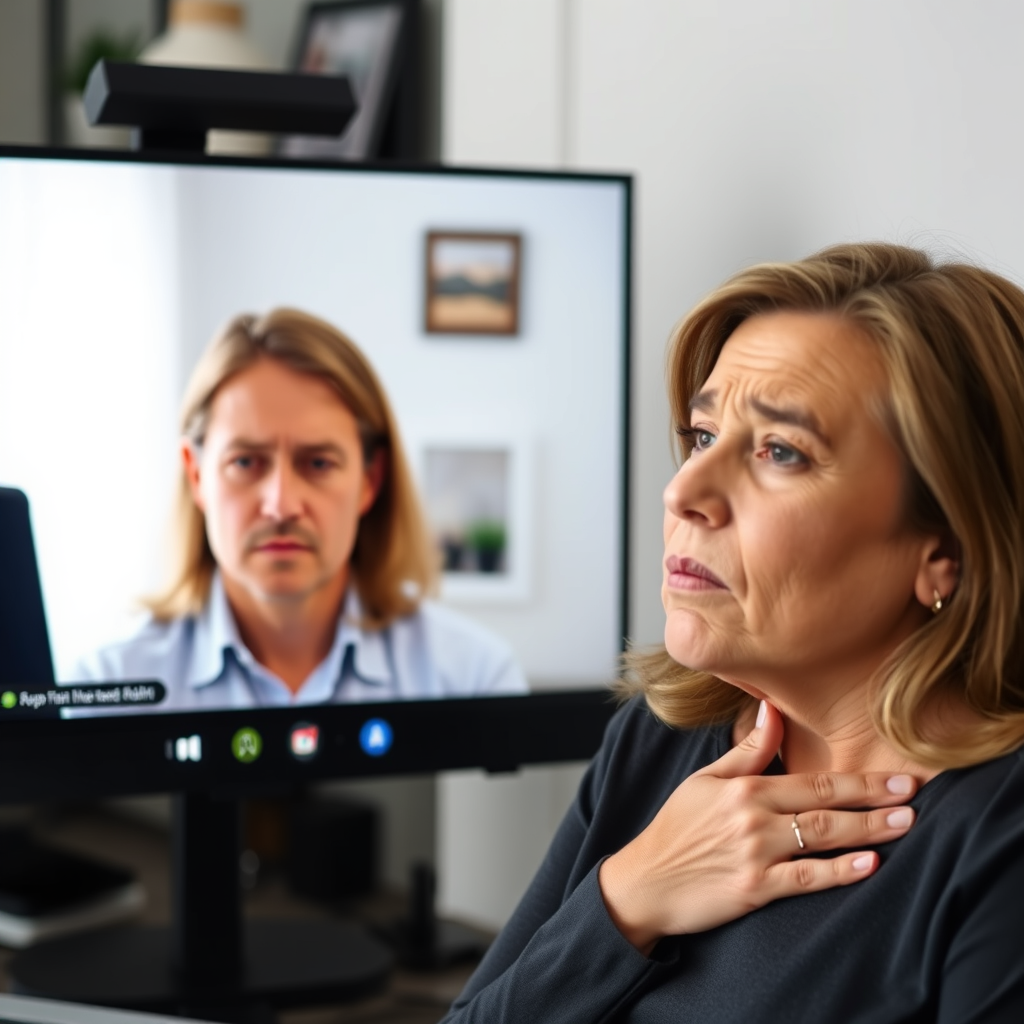
to say sorry for something you did wrong
Mei apologized immediately for sending the wrong color.
More examples: I apologized for the late reply. • He apologized to the client by phone. • She apologized for the mistake in the order.
Common collocations: apologize for a mistake, apologize to a client, make an apology
Word family: apology (noun), apologetic (adjective)
Synonyms: say sorry, say sorry for, make amends
Antonyms: blame, defend
Related concepts: mistakes, politeness, customer service
Contexts: business, friendship, customer service
Usage note: Pattern: apologize TO someone FOR something. Very useful in business emails and calls.
reliable

someone or something you can always trust to work well
The client wants a reliable supplier who never sends the wrong order.
More examples: She is a reliable worker; she is never late. • We need reliable shipping for international orders. • My car is old but very reliable.
Common collocations: reliable supplier, reliable service, highly reliable
Word family: reliably (adverb), reliability (noun), rely (verb)
Synonyms: dependable, trustworthy, consistent
Antonyms: unreliable, careless
Related concepts: trust, quality, promises
Contexts: business, work, technology
Usage note: Use for people, companies, machines, and services. A reliable person does what they promise.
Vocabulary Check
- What does 'complaint' mean?
- A statement that you are not happy about something
- A plan for the future
- A type of payment
- A written agreement
- Which sentence uses 'refund' correctly?
- She refunded the fabric to the shop.
- He asked for a refund because the shirt was damaged.
- The refund was very polite.
- I refunded my friend a compliment.
- In which situation would you 'negotiate'?
- When you want to say hello to a client
- When you want a lower price and the seller wants a higher price
- When you want to send a package
- When you want to read an email
- What does 'apologize' mean?
- To ask for money
- To say sorry for something you did wrong
- To promise a delivery date
- To check an order twice
- Which person is 'reliable'?
- Someone who often forgets promises
- Someone who sometimes sends the wrong order
- Someone who always does what they promise
- Someone who never answers emails
Phrasal Verbs & Expressions
calm down
to become less angry or upset
My client was angry, but he calmed down after I said sorry.
Usage note: You can split it: 'calm him down' or 'calm down him'. · Right: calm him down · Avoid: calm down him
Usage note: 'Down' gives the picture of going from high (angry) to low (quiet).
act fast
to do something quickly, without waiting
When the order went wrong, we had to act fast to fix it.
Usage note: Very common in business talk. 'Act' here means 'do something', not 'pretend'.
keep a client
to make sure a client stays with you
A small discount is cheaper than losing a customer, so it helps you keep a client.
Usage note: You can also say 'keep a customer' or 'keep a supplier' the same way.
Language Practice: Handling Client Problems
Practice talking about problems with clients, saying sorry, and finding solutions.
- Apologizing and explaining a problem
- Emerging: I'm sorry for ___. — I'm sorry for the delay.
- Developing: I apologize for ___, and I will ___. — I apologize for the late delivery, and I will check the order today.
- Expanding: I'm really sorry that ___, so from now on I will ___ to make sure it doesn't happen again. — I'm really sorry that the order arrived late, so from now on I will check every order twice to make sure it doesn't happen again.
- Negotiating a solution
- Emerging: I can offer ___. — I can offer a discount.
- Developing: If you ___, I could ___. — If you order again, I could give you ten percent off.
- Expanding: I understand your concern, so how about if I ___, and in return you ___? — I understand your concern, so how about if I give you a discount on this order, and in return you place your next order with me?
- Describing what makes a good business relationship
- Emerging: A good client is ___. — A good client is honest.
- Developing: I think a good client is ___ because ___. — I think a good client is patient because mistakes sometimes happen.
- Expanding: In my opinion, the most important thing in business is ___, because when ___, ___. — In my opinion, the most important thing in business is trust, because when clients trust you, they come back even after a problem.
Fill in the Blanks
Last week, Lin received a _____ from a client in London. The fabric arrived late, and the color was not what he ordered. Lin immediately wrote an email to _____ for the problem. The client was angry and asked for a full _____, but Lin wanted to keep his business. She decided to _____ with him and offered a discount on his next order instead. The client accepted, but he told her that he needed a more _____ supplier in the future. Lin promised to check every order carefully before shipping.
Word bank: complaint, apologize, refund, negotiate, reliable
Sentence Unscramble
- the / client / asked / for / a / full / refund / after / the / mistake
- she / decided / to / negotiate / a / better / price / with / him
- a / reliable / supplier / always / sends / the / right / order / on / time
Discussion Questions
Imagine a client receives the wrong fabric color, just like in the reading. The client is upset and sends an angry email. Some sellers answer immediately, and others wait a day to stay calm. How a seller responds can change the whole relationship.
If a client sent you an angry email, would you answer immediately or wait a few hours? Why?
In the reading, Mei offered a discount instead of a refund. A refund costs money right away, but a discount might keep the client for future orders. Sellers often have to choose between short-term and long-term solutions.
When something goes wrong with an order, is it better to give money back or offer a discount on the next order? Why?
Some people find it easy to say sorry, even at work. Others feel that apologizing makes them look weak or unprofessional. In business, an apology can sometimes save a deal, but it can also feel uncomfortable.
Do you find it easy or difficult to apologize at work? Can you tell me about a time you had to say sorry?
The client in the reading said he needed a reliable supplier because his own customers complain about late products. Trust between business partners takes a long time to build, but it can be lost very quickly.
What makes a business partner trustworthy in your eyes? Has someone ever broken your trust in business?
You are going to meet a client from another country soon. Meetings with international clients can feel different: time zones, direct or polite communication styles, and different expectations. Good preparation helps a lot.
How do you prepare for an important meeting with a foreign client? Do you feel nervous before meetings like this?
Knowledge Check
- The client was unhappy and wrote an angry email. This email was a ___.
- refund
- negotiation
- complaint
- delivery
- True or false: If you give someone a refund, you take extra money from them.
- True
- False
- Which phrase is correct?
- apologize a client
- apologize to a client for the mistake
- apologize the mistake to a client
- apologize for a client
- True or false: A reliable supplier sometimes sends the wrong order.
- True
- False
- Two people talk because one wants a lower price and the other wants a higher price. They are trying to ___.
- apologize
- negotiate
- complain
- refund
- If you 'calm someone down', what do you do?
- You make them angrier
- You help them feel less angry
- You ask them for money
- You send them an email
Free to use with your students: Free to teach, screen-share, print and share with your students, with a credit to PlanWise ESL. Please do not sell it or republish it as your own. What you can do with free lessons.