Managing Stress and Staying Healthy at Work
About this lesson: This is a B1 (Intermediate) ESL lesson in the Conversation Practice category. It takes about 60 minutes. It includes 5 vocabulary words, 3 phrasal verbs and expressions, a reading text, comprehension questions, discussion questions and speaking patterns. Suits one-to-one or small-group online classes. Free to open and teach with no login, and it prints as a PDF.
Print just the discussion questions
How this lesson is built
This is a complete conversation lesson built on a scientific pedagogical formula, not a generic worksheet: recall prior topic vocabulary, pre-teach the new words in depth, read in context, practise active recall with flashcards and synonyms/antonyms, build accuracy with exercises, and finish with deep discussion.
- Warm-up: Discussion questions that connect the topic to the student’s own life and recall vocabulary they already know about the subject.
- Reading: A text written for this CEFR level that uses each new word two or three times in context, giving the student something meaningful to react to.
- Key vocabulary: 5 new words, pre-taught before the reading with a definition, pronunciation guide, example sentences and a picture, plus word families, usage notes, recall flashcards and synonyms/antonyms, giving a solid grounding before reading.
- Comprehension: 5 questions that check the new words: retrieval practice, not rereading.
- Idioms and phrasal verbs: Expressions taken from the reading, each with its meaning, an example and a speaking question.
- Sentence frames: 3 speaking patterns, each at three levels of support (emerging, developing, expanding) with model answers—especially helpful scaffolding for beginners and less confident speakers.
- Gap-fill: The new words again, in a shuffled order, so the student recalls them by meaning in context.
- Sentence unscramble: Natural sentences with the new words to put back in order, reinforcing grammar and collocation.
- Discussion: 5 open questions designed to talk deeply about the subject while actively using the lesson’s target vocabulary: the heart of a conversation lesson.
- Quiz: A short retrieval check that brings every new word back once more.
Unlike a generic worksheet, the new words are taught before the reading and met again in the activities, the speaking is supported at three levels and most of the time goes on the student talking. Teachers who use PlanWise ESL also get per-student vocabulary tracking (recycling earlier words into future readings and questions), a private learner dashboard with flashcards and custom lesson creation, and a downloadable study PDF.
Warm-up: How Do You Feel at Work?
Look at the questions and talk about your working life and how you relax.
- Do you usually feel relaxed or stressed at the end of a work day?
- What is the most tiring part of your day?
- What do you do first when you finish work?
- Do you think your job is good for your health? Why or why not?
- If you had one extra free hour every day, how would you use it?
Reading Text: Marta's Busy Month
Read about Marta, who had a difficult month at work and learned some lessons about stress and health.
Marta works in an office in her city. Last month, her workload suddenly doubled because a colleague left the company. She stayed late almost every evening and worked on some weekends too. At first, she thought she could manage everything, but she was wrong.
After three weeks, Marta started to feel burnout. She woke up tired, she could not focus, and small problems made her angry. Her friend Ana noticed the change and said, 'You need to cope with this stress in a better way, or you will get sick.'
Ana gave Marta some simple advice. She said, 'You should unwind after work. Go for a walk, cook something nice, or meet a friend. Do not just sit at home and look at your phone.' Marta decided to try, although she felt she had no time.
Marta also learned that her job was very sedentary. She sat for eight or nine hours every day, and her back started to hurt. So she began standing up every hour and walking during her lunch break. These small changes helped her body feel much better.
One month later, Marta felt like a new person. Her workload was still heavy, but she coped with it calmly. She says the secret is simple: take care of your body, protect your free time, and ask for help when you need it. However, she admits it is not always easy to follow her own advice.
Key Vocabulary
burnout
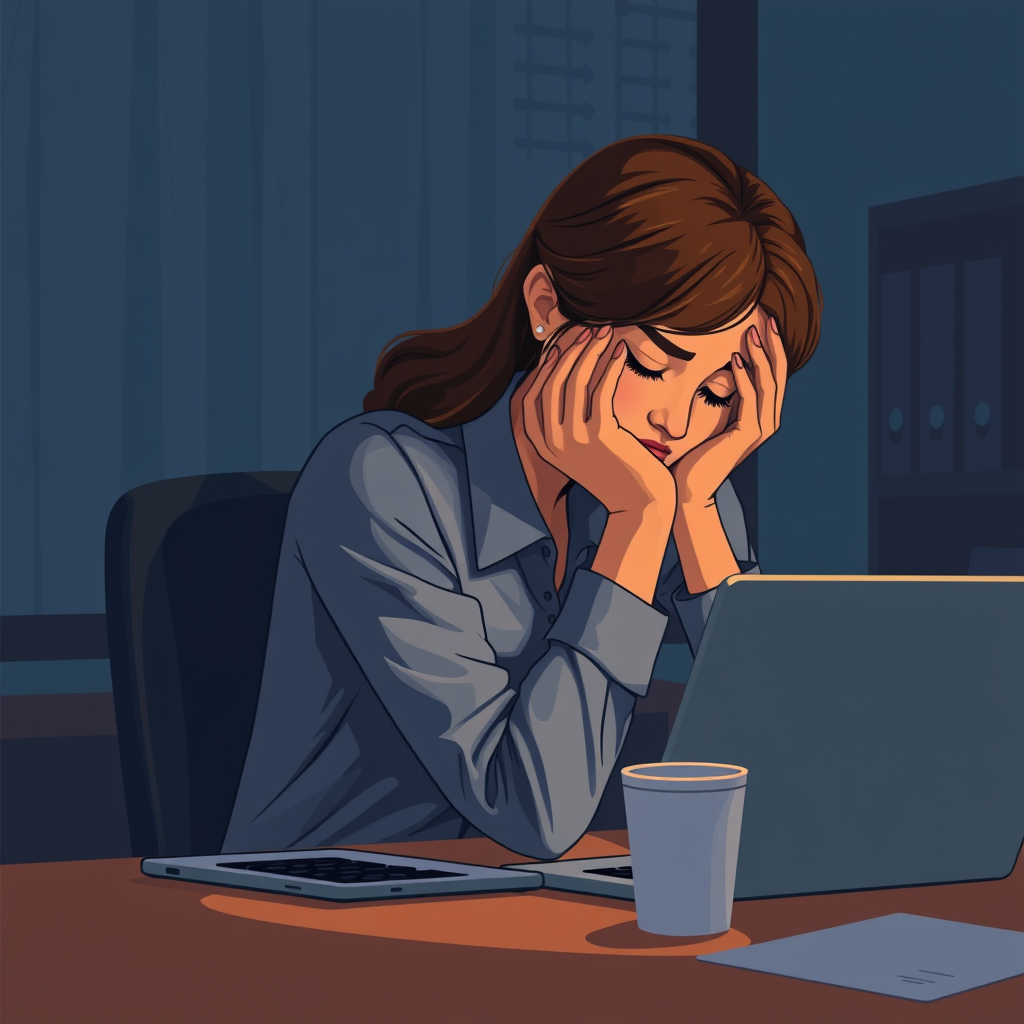
Extreme tiredness from too much work stress for a long time
After months of overtime, she felt burnout and needed a long rest.
More examples: Many nurses get burnout because their job is so stressful. • I was close to burnout, so I took a week off. • I want to avoid burnout before my big project starts.
Common collocations: feel burnout, suffer from burnout, avoid burnout
Word family: burn out (phrasal verb), burned out (adjective)
Synonyms: exhaustion, overtiredness, stress illness
Antonyms: energy, freshness
Related concepts: stress, rest, work-life balance
Contexts: office jobs, health articles, talking with friends
Usage note: Use it for long-term tiredness from work or study stress, not for one tiring day. Often used with 'feel', 'suffer from' or 'avoid'.
cope

To deal with a problem or difficult situation
She copes with stress by going for a run after work.
More examples: I find it hard to cope when I have too many deadlines. • He copes well with pressure at work. • How do you cope with a noisy home office?
Common collocations: cope with stress, cope with pressure, find it hard to cope
Word family: cope with (phrasal verb), coping (adjective)
Synonyms: deal with, manage, handle
Antonyms: give up, fail
Related concepts: stress, problems, resilience
Contexts: work problems, health advice, everyday difficulties
Usage note: Almost always followed by 'with'. Use it for problems, stress, pressure or difficult situations.
unwind
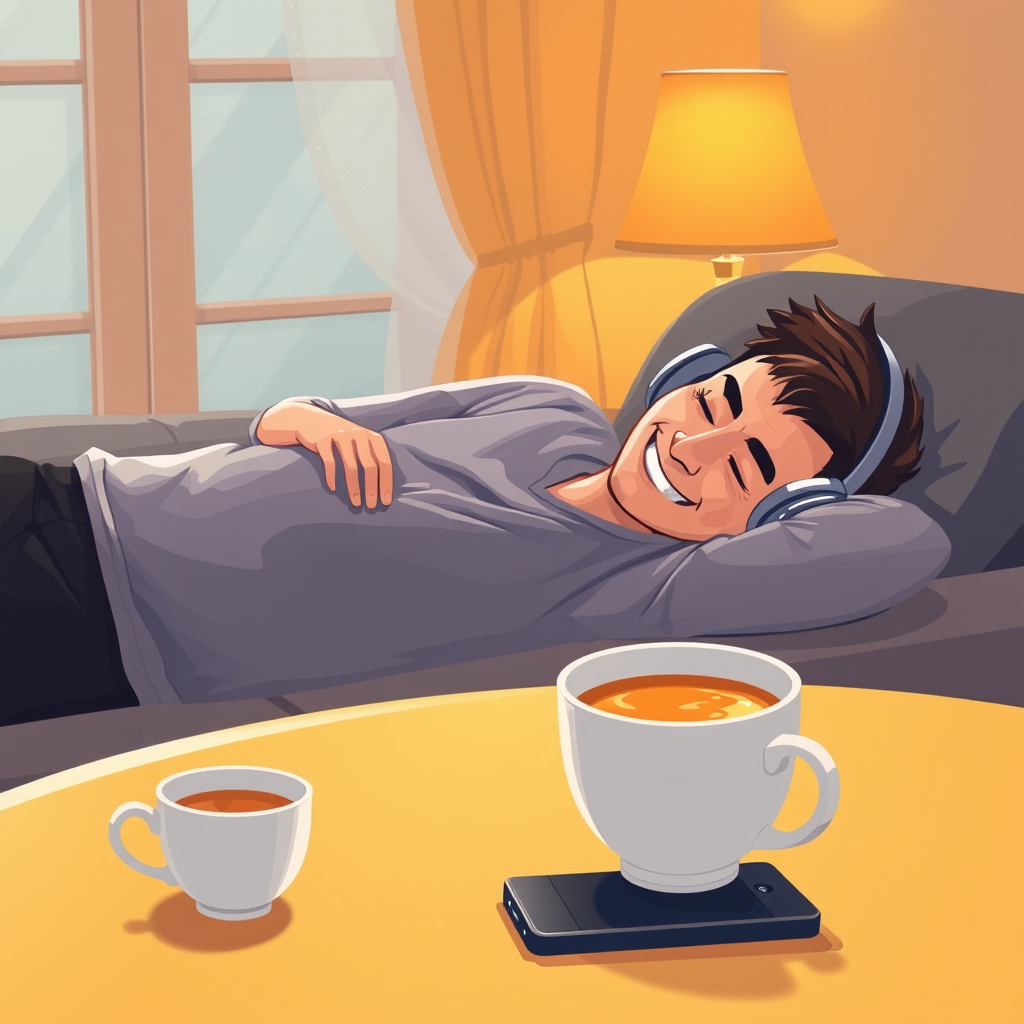
To relax after work or stress
I unwind by watching a funny series or playing with my dog.
More examples: What do you do to unwind after a hard day? • She unwinds with a hot bath and some music. • I need half an hour to unwind before I can sleep.
Common collocations: unwind after work, unwind with music, need to unwind
Word family: wound up (adjective)
Synonyms: relax, de-stress, chill out
Antonyms: tense up, worry
Related concepts: free time, hobbies, rest
Contexts: evenings, weekends, holidays
Usage note: Informal but very common. Use it for relaxing activities after stress or work. Past form: unwound.
workload

The amount of work a person has to do
My workload is very heavy this month because of a new project.
More examples: The company hired two new people to reduce the workload. • A lighter workload helps me stay healthy. • Her workload doubled when the team got smaller.
Common collocations: heavy workload, light workload, reduce the workload
Word family: work (noun/verb), load (noun)
Synonyms: amount of work, tasks, duties
Antonyms: free time, light duties
Related concepts: deadlines, overtime, time management
Contexts: office jobs, school, talking with your boss
Usage note: Use with 'heavy' or 'light', not 'big' or 'small'. Countable: 'a heavy workload', 'two workloads'.
sedentary
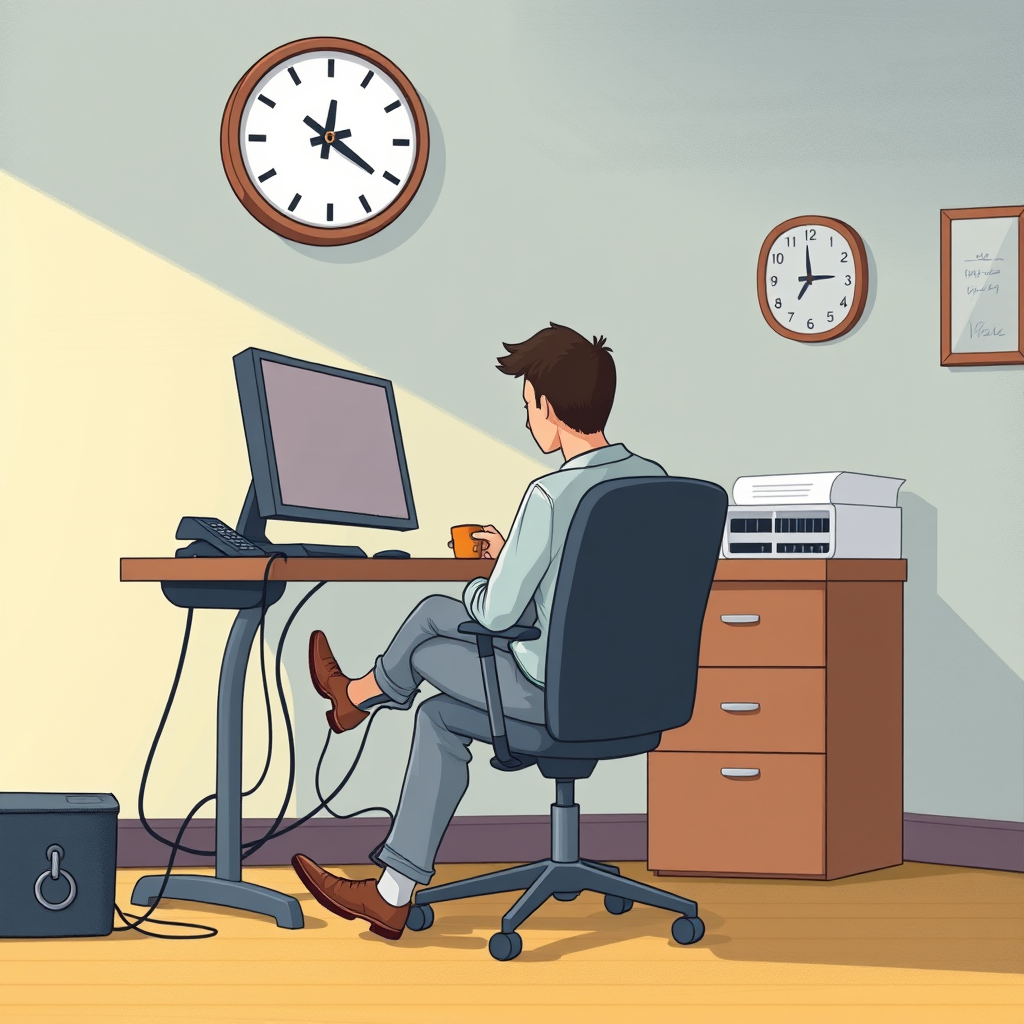
Sitting down most of the time, with little movement
Office jobs are sedentary, so it is important to move during the day.
More examples: A sedentary lifestyle is bad for your back and heart. • Watching TV all weekend is quite sedentary. • Doctors say we should not be sedentary for hours without a break.
Common collocations: sedentary lifestyle, sedentary job, sedentary habits
Word family: sedentary lifestyle (phrase)
Synonyms: inactive, sitting, desk-based
Antonyms: active, physical
Related concepts: exercise, health, posture
Contexts: office work, doctor visits, fitness articles
Usage note: Use it before nouns like 'job', 'lifestyle' or 'life'. It sounds slightly formal but is common in health talk.
Vocabulary Check
- What does 'burnout' mean?
- A fire in an office building
- Extreme tiredness caused by long-term stress
- A short break during the work day
- Finishing all your work
- Which sentence uses 'cope' correctly?
- I cope stress by walking.
- She copes well with pressure at work.
- He copes his problems quickly.
- We cope to relax on Sundays.
- In which situation would you use 'unwind'?
- When you start a busy morning at work
- When you relax after a stressful day
- When you ask your boss for a holiday
- When you make a work plan
- What does 'workload' mean?
- The money you get for your work
- The place where you work
- The amount of work you have to do
- The time you finish work
- Which job is most 'sedentary'?
- A waiter who walks all day
- A nurse in a hospital
- A taxi driver who sits all day
- A fitness teacher
Phrasal Verbs & Expressions
stay late
work longer hours than usual
I stayed late at the office yesterday to finish a report.
Usage note: Very common at work: 'stay late' means stay at work, not stay at home.
wake up
stop sleeping
I woke up at six this morning and could not sleep again.
Usage note: You can split it: 'I woke her up' = I made her stop sleeping.
Usage note: 'Wake up' = open your eyes; 'get up' = leave the bed.
take care of
look after someone or something
If you don't take care of your health now, you will have problems later.
Usage note: Very useful phrase: you can take care of people, your body, or things like a pet.
Usage note: Common mistake: · Right: take care OF your health · Avoid: take care your health
Language Practice: Talking About Stress and Health
Practice expressing ideas about stress, health and free time.
- Describing how you deal with stress
- Emerging: When I feel stressed, I ___. — When I feel stressed, I go for a walk.
- Developing: When I feel stressed, I usually ___ because it helps me ___. — When I feel stressed, I usually cook something nice because it helps me unwind.
- Expanding: When my workload gets heavy, I cope with it by ___, although sometimes I also need to ___. — When my workload gets heavy, I cope with it by making a list of tasks, although sometimes I also need to ask a colleague for help.
- Giving opinions about healthy habits at work
- Emerging: I think ___ is healthy because ___. — I think walking is healthy because it wakes up your body.
- Developing: In my opinion, ___ is important at work because ___. — In my opinion, standing up every hour is important at work because sitting all day hurts your back.
- Expanding: I believe companies should ___ because ___, and this would also ___. — I believe companies should let people work from home sometimes because it saves travel time, and this would also reduce burnout.
- Talking about relaxation and free time
- Emerging: I unwind by ___. — I unwind by watching films.
- Developing: I unwind by ___ after work, but at weekends I prefer ___. — I unwind by cooking dinner after work, but at weekends I prefer hiking in the mountains.
- Expanding: After a week with a heavy workload, I really need to unwind, so I usually ___, which helps me ___ before Monday. — After a week with a heavy workload, I really need to unwind, so I usually spend Saturday in nature, which helps me forget work before Monday.
Fill in the Blanks
Diego has a very _____ job in a bank. He sits at a desk all day, and last year his _____ became so heavy that he started to feel _____. His doctor told him to move more and find time to _____ in the evenings. Now Diego _____s with stress much better: he walks at lunchtime and plays football on Saturdays.
Word bank: burnout, cope, unwind, workload, sedentary
Sentence Unscramble
- my / workload / is / very / heavy / this / month
- she / unwinds / by / listening / to / music / after / work
- a / sedentary / job / can / cause / burnout
Discussion Questions
Some people go straight home and rest after work. Others meet friends, go to the gym or start a hobby. How you spend your evenings can change how you feel the next day.
What do you usually do to unwind after work or study? Does it really help you relax?
Imagine your boss gives you twice as many tasks as usual for one month. You cannot say no, and your free time gets smaller every week.
How would you cope with a sudden heavy workload like that? What would you do first?
Many modern jobs are sedentary: we sit at desks, in cars and on sofas. Doctors say sitting all day is bad for the body, even if you exercise sometimes.
How many hours a day do you sit? Do you think your job or studies are bad for your health? Why?
Burnout does not happen in one day. It grows slowly: first you feel tired, then you stop enjoying your work, and finally you feel empty. Some people notice it early; others only notice when they get sick.
Do you think you would notice the first signs of burnout in yourself? What would they be?
Some companies let employees work from home, finish early on Fridays or take free gym classes. Other companies expect long hours and answer messages at night. Both kinds of companies exist everywhere in the world.
Do you think companies should do more to protect workers' health, or is it each person's own job? Why?
Knowledge Check
- Which phrase is correct?
- cope stress
- cope with stress
- cope to stress
- cope for stress
- A 'sedentary' job means a job where you move a lot. True or false?
- True
- False
- What do we call the amount of work a person has to do?
- workload
- burnout
- unwind
- cope
- 'I need to unwind' means 'I need to relax'. True or false?
- True
- False
- Which situation can lead to burnout?
- Working overtime for many months without rest
- Taking a relaxing holiday at the beach
- Finishing work early on Friday
- Walking during your lunch break
- What does 'take care of' mean?
- to forget something
- to look after someone or something
- to work very fast
- to go to bed early
Free to use with your students: Free to teach, screen-share, print and share with your students, with a credit to PlanWise ESL. Please do not sell it or republish it as your own. What you can do with free lessons.