AI and Tomorrow's World: What Comes Next?
About this lesson: This is a B2 (Upper Intermediate) ESL lesson in the General English category. It takes about 60 minutes. It includes 5 vocabulary words, a reading text, comprehension questions, discussion questions and speaking patterns. Suits one-to-one or small-group online classes. Free to open and teach with no login, and it prints as a PDF.
Print just the discussion questions
How this lesson is built
This is a complete conversation lesson built on a scientific pedagogical formula, not a generic worksheet: recall prior topic vocabulary, pre-teach the new words in depth, read in context, practise active recall with flashcards and synonyms/antonyms, build accuracy with exercises, and finish with deep discussion.
- Warm-up: Discussion questions that connect the topic to the student’s own life and recall vocabulary they already know about the subject.
- Reading: A text written for this CEFR level that uses each new word two or three times in context, giving the student something meaningful to react to.
- Key vocabulary: 5 new words, pre-taught before the reading with a definition, pronunciation guide, example sentences and a picture, plus word families, usage notes, recall flashcards and synonyms/antonyms, giving a solid grounding before reading.
- Comprehension: 5 questions that check the new words: retrieval practice, not rereading.
- Sentence frames: 3 speaking patterns, each at three levels of support (emerging, developing, expanding) with model answers—especially helpful scaffolding for beginners and less confident speakers.
- Gap-fill: The new words again, in a shuffled order, so the student recalls them by meaning in context.
- Sentence unscramble: Natural sentences with the new words to put back in order, reinforcing grammar and collocation.
- Discussion: 5 open questions designed to talk deeply about the subject while actively using the lesson’s target vocabulary: the heart of a conversation lesson.
- Quiz: A short retrieval check that brings every new word back once more.
Unlike a generic worksheet, the new words are taught before the reading and met again in the activities, the speaking is supported at three levels and most of the time goes on the student talking. Teachers who use PlanWise ESL also get per-student vocabulary tracking (recycling earlier words into future readings and questions), a private learner dashboard with flashcards and custom lesson creation, and a downloadable study PDF.
Warm-up Activity
Students look at a picture of a futuristic city and predict how AI will change daily life in 20 years.
- How do you use AI in your daily life right now?
- Do you think AI will create more jobs or destroy more jobs?
- What is one thing you hope AI will improve in society?
- What is one thing you worry AI might make worse?
- If AI could do your job tomorrow, what would you do?
Reading Text: Two Futures
You will read a short article about two possible futures shaped by AI. As you read, notice the five key vocabulary words.
Artificial intelligence is no longer science fiction. It already writes emails, drives cars in test cities, and diagnoses diseases. Experts agree that its effects on society will be profound, meaning deep and far-reaching. The real question is not whether AI will change the world, but which direction that change will take.
On one side, economists warn of widespread job displacement. When machines can perform tasks faster and cheaper, millions of workers may lose their positions. Drivers, accountants, and even journalists could face redundancy. Critics argue that without careful planning, the benefits of AI will flow to a small group of wealthy companies, deepening inequality across and within nations.
On the other side, optimists point to history. Every technological revolution, from the printing press to the internet, destroyed some jobs but created new ones. The solution, they say, is to upskill: workers should learn to use AI tools rather than compete against them. Governments and companies have an incentive to fund training programmes, because an adaptable workforce benefits everyone.
A third concern is harder to measure: accountability. If an AI system makes a harmful decision, who is responsible? The programmer, the company, or the machine itself? Without clear rules, powerful systems may operate in a legal grey zone. Some countries are already drafting laws that require companies to explain how their algorithms reach decisions.
Perhaps the most honest answer is that both futures are possible at once. AI could reduce poverty by making services cheaper, or it could concentrate power in fewer hands. What seems certain is that citizens, not just engineers, must join this debate. The future of AI will be decided by the choices societies make today.
Key Vocabulary
displacement
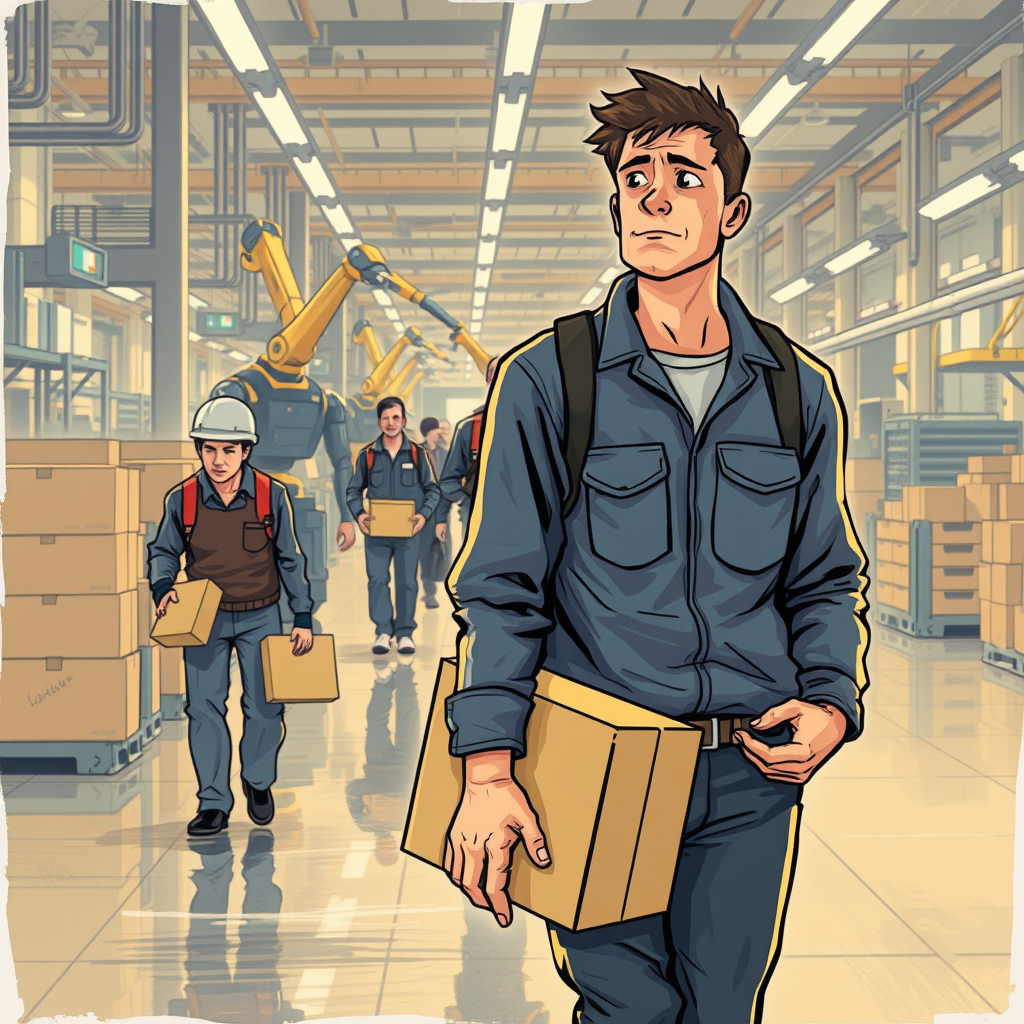
When people are forced to leave their jobs or homes
Automation may cause the displacement of millions of factory workers.
More examples: The displacement of farmers led to rapid growth in cities. • Climate change could cause the displacement of coastal communities. • She studied the displacement of workers after the factory closed.
Common collocations: job displacement, the displacement of workers, mass displacement
Word family: displace (verb), displaced (adjective), displaced person (noun phrase)
Synonyms: removal, expulsion, replacement
Antonyms: employment, settlement, integration
Related concepts: automation, unemployment, migration
Contexts: economics, labour news, climate reports
Usage note: Often used in formal writing about jobs, refugees, or communities. It sounds more neutral than 'unemployment'.
upskill

To learn new skills, especially for better or different work
The company offered free courses so staff could upskill and use the new software.
More examples: Workers are encouraged to upskill to stay competitive. • She upskilled by taking an online data analysis course. • Governments should help citizens upskill for the digital economy.
Common collocations: upskill workers, upskill for the future, upskilling programmes
Word family: upskilling (noun), upskilled (adjective)
Synonyms: retrain, develop skills, improve qualifications
Antonyms: deskilling, stagnate
Related concepts: lifelong learning, training, career development
Contexts: business, education, career advice
Usage note: Modern business term, common in professional contexts. Similar to 'retrain' but emphasises adding skills, not changing careers completely.
inequality

The unfair difference between groups in wealth, power, or opportunity
AI could increase inequality if only rich countries benefit from it.
More examples: Education inequality starts at a very young age. • The report examined income inequality between regions. • Many worry that technology will widen global inequality.
Common collocations: income inequality, social inequality, widen inequality
Word family: inequal (rare), inequality (noun), equal (adjective), equality (noun)
Synonyms: disparity, imbalance, unfairness
Antonyms: equality, fairness, balance
Related concepts: poverty, justice, access
Contexts: politics, economics, social debate
Usage note: Usually uncountable. Often followed by 'in' or 'between': inequality in pay, inequality between rich and poor.
accountability
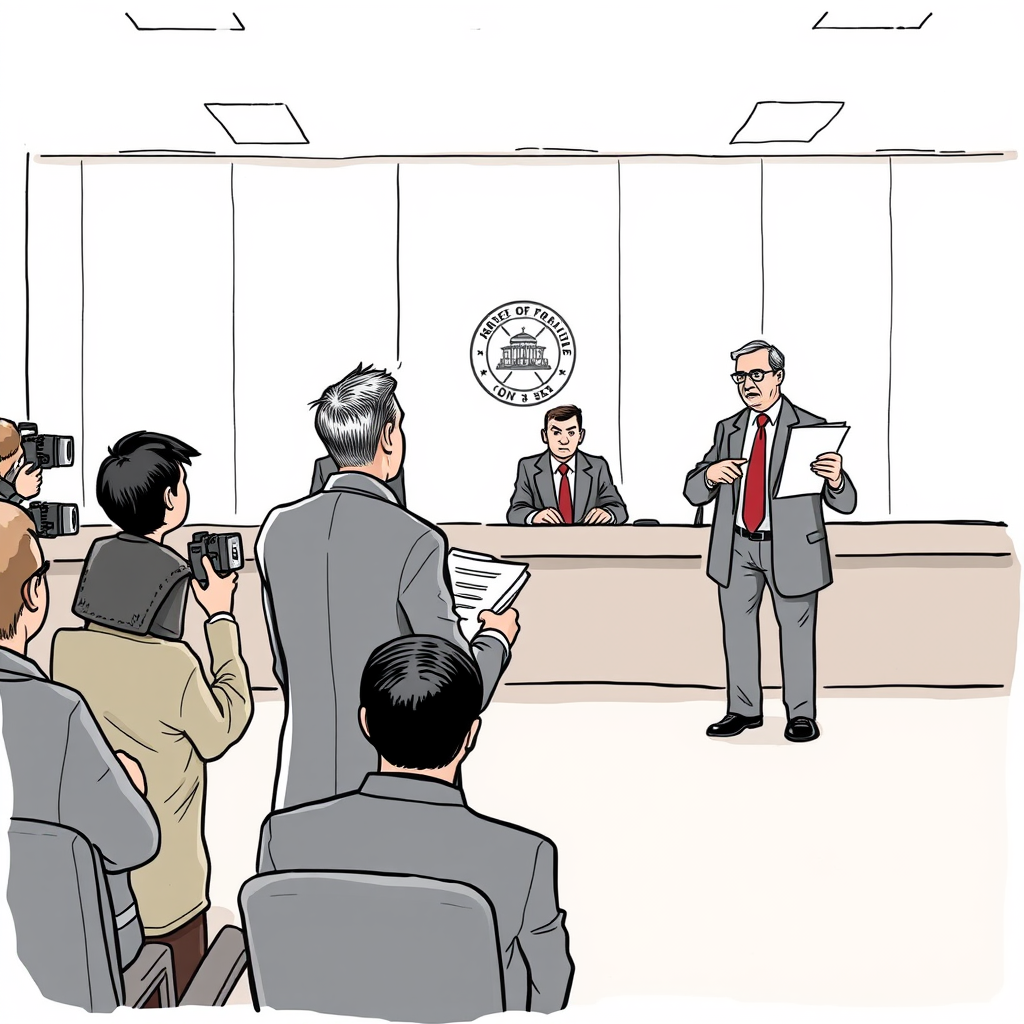
Being responsible for your actions and having to explain them
Clear accountability is needed when AI systems make important decisions.
More examples: Managers must show accountability for the team's mistakes. • The new law increases accountability in public spending. • Voters demand greater accountability from politicians.
Common collocations: hold someone accountable, lack of accountability, accountability for decisions
Word family: accountable (adjective), account (verb), account for (phrasal verb)
Synonyms: responsibility, answerability, liability
Antonyms: irresponsibility, impunity
Related concepts: transparency, ethics, governance
Contexts: law, politics, corporate ethics
Usage note: Formal word common in news, politics, and business. Often used with 'hold': 'Who should be held accountable?'
profound

Very deep, great, or having a strong effect
AI will have a profound effect on how we work and learn.
More examples: The book had a profound influence on my thinking. • Losing her job was a profound shock to the family. • The internet brought profound changes to communication.
Common collocations: profound effect, profound change, profound impact on
Word family: profoundly (adverb), profundity (noun)
Synonyms: deep, far-reaching, significant
Antonyms: shallow, slight, superficial
Related concepts: impact, transformation, insight
Contexts: academic writing, news analysis, personal reflection
Usage note: Formal and positive or neutral in tone. Stronger than 'big' or 'important'; use for deep, lasting effects.
Vocabulary Check
- What does 'displacement' mean?
- Moving to a bigger house
- Being forced out of a job or place
- Learning a new skill quickly
- A type of machine
- In which situation would you use the word 'upskill'?
- When you quit your job forever
- When you take a course to learn new work skills
- When you buy a new computer
- When you complain about your salary
- Which sentence uses 'inequality' correctly?
- The inequality of the cake was delicious.
- He felt inequality after running a marathon.
- Income inequality has grown in many countries.
- She inequality finished her homework early.
- What does 'accountability' mean?
- Counting money carefully
- Being responsible and having to explain your actions
- Working alone without help
- A type of computer programme
- Which situation best matches the word 'profound'?
- A small change in your lunch plan
- A deep change that affects your whole life
- A funny joke you heard yesterday
- A quick walk to the shop
Language Practice: AI and Society
Use these frames to express and evaluate ideas about the future effects of AI on society.
- Contrasting viewpoints
- Emerging: Some people think AI will ___, but others think it will ___. — Some people think AI will take our jobs, but others think it will create new jobs.
- Developing: While some argue that AI could cause ___, others believe it will mainly ___. — While some argue that AI could cause job displacement, others believe it will mainly create new kinds of work.
- Expanding: While some argue that AI may lead to profound ___, others contend that, provided we ___, it could ultimately ___. — While some argue that AI may lead to profound social disruption, others contend that, provided we upskill the workforce, it could ultimately raise living standards everywhere.
- Hypothetical reasoning about the future
- Emerging: If AI ___ (verb) my job, I would ___. — If AI took my job, I would learn something new.
- Developing: If AI systems were widely adopted, workers would need to ___ in order to ___. — If AI systems were widely adopted, workers would need to upskill in order to stay valuable.
- Expanding: Were AI to replace ___ entirely, society would have to decide whether ___, which raises serious questions about ___. — Were AI to replace human drivers entirely, society would have to decide whether to support displaced workers financially, which raises serious questions about accountability.
- Evaluating and giving opinions
- Emerging: In my opinion, the biggest effect of AI will be ___. — In my opinion, the biggest effect of AI will be faster work.
- Developing: In my view, the most profound effect of AI will be ___, although I admit that ___. — In my view, the most profound effect of AI will be on education, although I admit that change will be slow.
- Expanding: From my perspective, the most profound effect of AI will be ___, which, unless we ___, could result in ___. — From my perspective, the most profound effect of AI will be on the job market, which, unless we upskill workers quickly, could result in serious inequality.
Fill in the Blanks
Experts predict that AI will bring _____ changes to the workplace over the next twenty years. Some fear mass job _____, as machines take over tasks that humans perform today. Others argue that workers can simply _____ and learn to work alongside intelligent systems. However, there is a real danger that the benefits will not be shared equally, which could deepen _____ between rich and poor regions. Finally, many people insist that we need clear rules to ensure _____ when AI systems make important decisions about our lives.
Word bank: profound, displacement, upskill, inequality, accountability
Sentence Unscramble
- the / displacement / of / workers / is / a / serious / risk / of / automation
- governments / should / help / people / upskill / before / the / new / technology / arrives
- without / clear / rules / there / is / no / real / accountability / for / AI / decisions
Discussion Questions
Around the world, machines and software are already doing tasks that once required humans: scanning shop items, answering customer calls, and translating languages. Some workers have lost jobs; others have learned to work with AI tools. Economists disagree about what will happen next.
Do you think AI will create more jobs than it destroys, or the opposite? Why?
AI tools are expensive to build, so most of them belong to large companies in wealthy countries. Some experts worry that poorer nations and communities will fall further behind, while others believe cheap AI apps could give everyone access to education and healthcare.
How can we make sure that the benefits of AI are shared fairly around the world?
Hospitals are beginning to use AI to detect diseases in scans, sometimes more accurately than doctors. However, if the system makes a mistake, it is unclear who should take responsibility: the hospital, the software company, or nobody.
Would you trust an AI system to make an important decision about your health? Where should we draw the line?
If AI can write reports, design buildings, and code software, some people imagine a future with much shorter working weeks. Others fear that only those who own the technology will profit, while ordinary workers struggle. Governments are debating ideas like retraining programmes and even universal basic income.
If AI did most of your work, how would you like to spend your extra time, and who should pay for it?
AI systems learn from huge amounts of human data, including our photos, messages, and shopping habits. This helps services improve, but it also means companies know a great deal about us. Some countries have strict privacy laws; others have almost none.
How much of your personal data would you be willing to share in exchange for smarter, more convenient technology?
Knowledge Check
- Which word means 'to learn new skills for work'?
- displace
- upskill
- outsource
- oversee
- True or false: 'profound' describes something small and unimportant.
- True
- False
- If an AI system makes a harmful decision, the question of who is responsible relates to ___.
- inequality
- displacement
- accountability
- upskilling
- True or false: 'inequality' usually means a fair and equal distribution of wealth.
- True
- False
- Which collocation is most natural with 'displacement'?
- displacement of flavour
- job displacement
- displacement of homework
- sweet displacement
Free to use with your students: Free to teach, screen-share, print and share with your students, with a credit to PlanWise ESL. Please do not sell it or republish it as your own. What you can do with free lessons.