Getting Ready for an English Job Interview
About this lesson: This is a B1 (Intermediate) ESL lesson in the Workplace Communication category. It takes about 60 minutes. It includes 5 vocabulary words, 3 phrasal verbs and expressions, a reading text, comprehension questions, discussion questions and speaking patterns. Suits one-to-one or small-group online classes. Free to open and teach with no login, and it prints as a PDF.
Print just the discussion questions
How this lesson is built
This is a complete conversation lesson built on a scientific pedagogical formula, not a generic worksheet: recall prior topic vocabulary, pre-teach the new words in depth, read in context, practise active recall with flashcards and synonyms/antonyms, build accuracy with exercises, and finish with deep discussion.
- Warm-up: Discussion questions that connect the topic to the student’s own life and recall vocabulary they already know about the subject.
- Reading: A text written for this CEFR level that uses each new word two or three times in context, giving the student something meaningful to react to.
- Key vocabulary: 5 new words, pre-taught before the reading with a definition, pronunciation guide, example sentences and a picture, plus word families, usage notes, recall flashcards and synonyms/antonyms, giving a solid grounding before reading.
- Comprehension: 5 questions that check the new words: retrieval practice, not rereading.
- Idioms and phrasal verbs: Expressions taken from the reading, each with its meaning, an example and a speaking question.
- Sentence frames: 3 speaking patterns, each at three levels of support (emerging, developing, expanding) with model answers—especially helpful scaffolding for beginners and less confident speakers.
- Gap-fill: The new words again, in a shuffled order, so the student recalls them by meaning in context.
- Sentence unscramble: Natural sentences with the new words to put back in order, reinforcing grammar and collocation.
- Discussion: 5 open questions designed to talk deeply about the subject while actively using the lesson’s target vocabulary: the heart of a conversation lesson.
- Quiz: A short retrieval check that brings every new word back once more.
Unlike a generic worksheet, the new words are taught before the reading and met again in the activities, the speaking is supported at three levels and most of the time goes on the student talking. Teachers who use PlanWise ESL also get per-student vocabulary tracking (recycling earlier words into future readings and questions), a private learner dashboard with flashcards and custom lesson creation, and a downloadable study PDF.
Warm-up: Talking About Interviews
Let's start by thinking about job interviews and how they make us feel.
- Have you ever had a job interview? What was it like?
- How do you feel before an interview - excited, nervous, or both?
- Do you think interviews are a fair way to choose people for jobs? Why?
- What do you usually do to prepare for something important?
- If you could ask an interviewer one question, what would you ask?
Reading Text: Maria's First Interview in English
Read about Maria, who prepared for a job interview in English. What would you do in her situation?
Maria found a job online that she really wanted. It was at an international company, so the interview was going to be in English. She felt nervous because her English was good, but she had never used it in an interview before.
First, Maria made a list of her strengths. She was good at solving problems and working with a team. Then she thought about her weakness: she sometimes spoke too quietly when she was nervous. She decided to practise speaking louder at home.
Next, Maria chose her best achievement to talk about. At her old job, she helped to open a new shop, and it was very successful. She wrote down the story in simple English and practised saying it out loud every evening.
On the day of the interview, Maria arrived early and took some deep breaths. She wanted to look confident, so she sat up straight and smiled. When she felt afraid, she remembered her preparation, and this helped her to stay calm.
A week later, Maria got the job! The interviewer said she was able to impress everyone with her clear answers. Maria learned that good preparation is the secret. Although interviews are never easy, you can feel ready if you practise first.
Key Vocabulary
strength
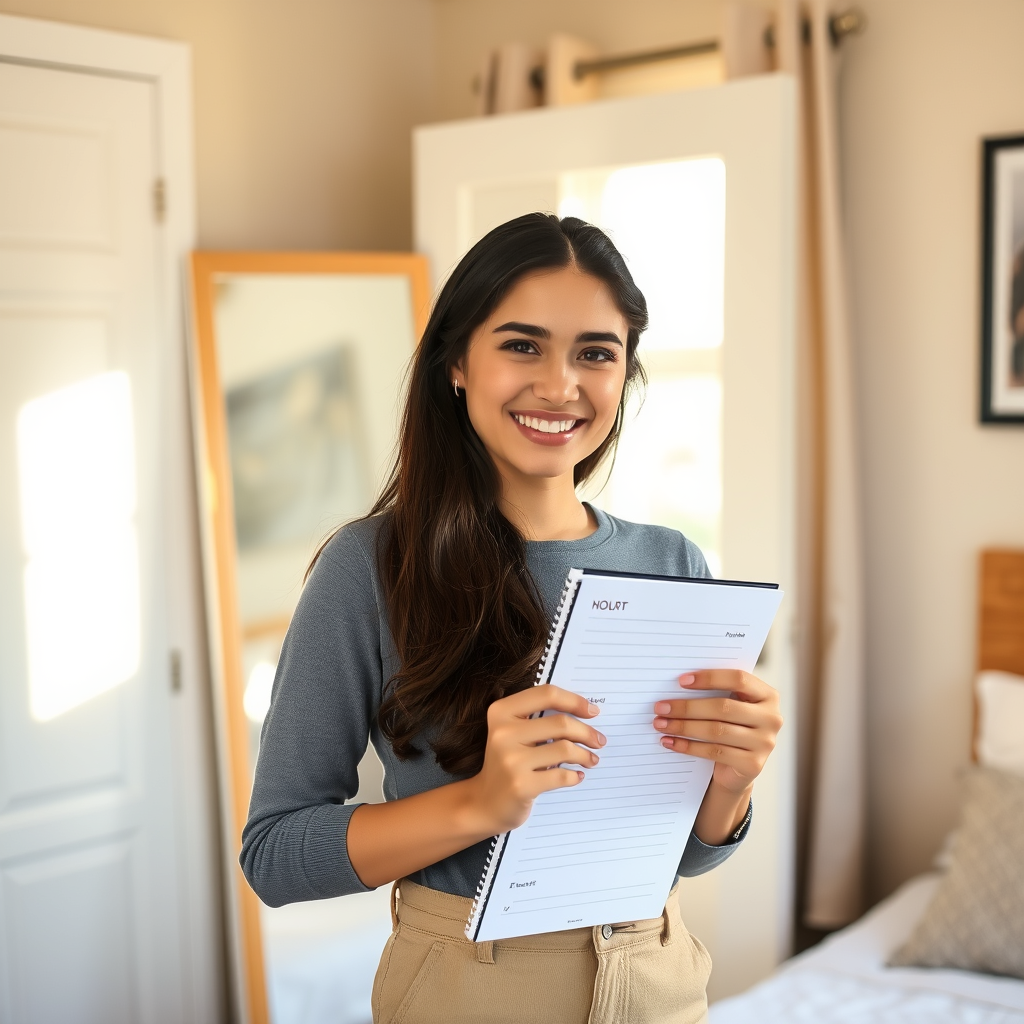
something you are very good at
One of my strengths is working well with other people.
More examples: Her main strength is solving problems quickly. • Tell me about your strengths as a worker. • Cooking is my strength - I love making food for friends.
Common collocations: a key strength, list your strengths, personal strengths
Word family: strong (adjective), strengthen (verb)
Synonyms: skill, talent, strong point
Antonyms: weakness, limitation
Related concepts: ability, experience, practice
Contexts: job interviews, school reports, sports teams
Usage note: Use 'strength' to talk about things you do well, especially in interviews. It is usually countable: 'one of my strengths'.
weakness
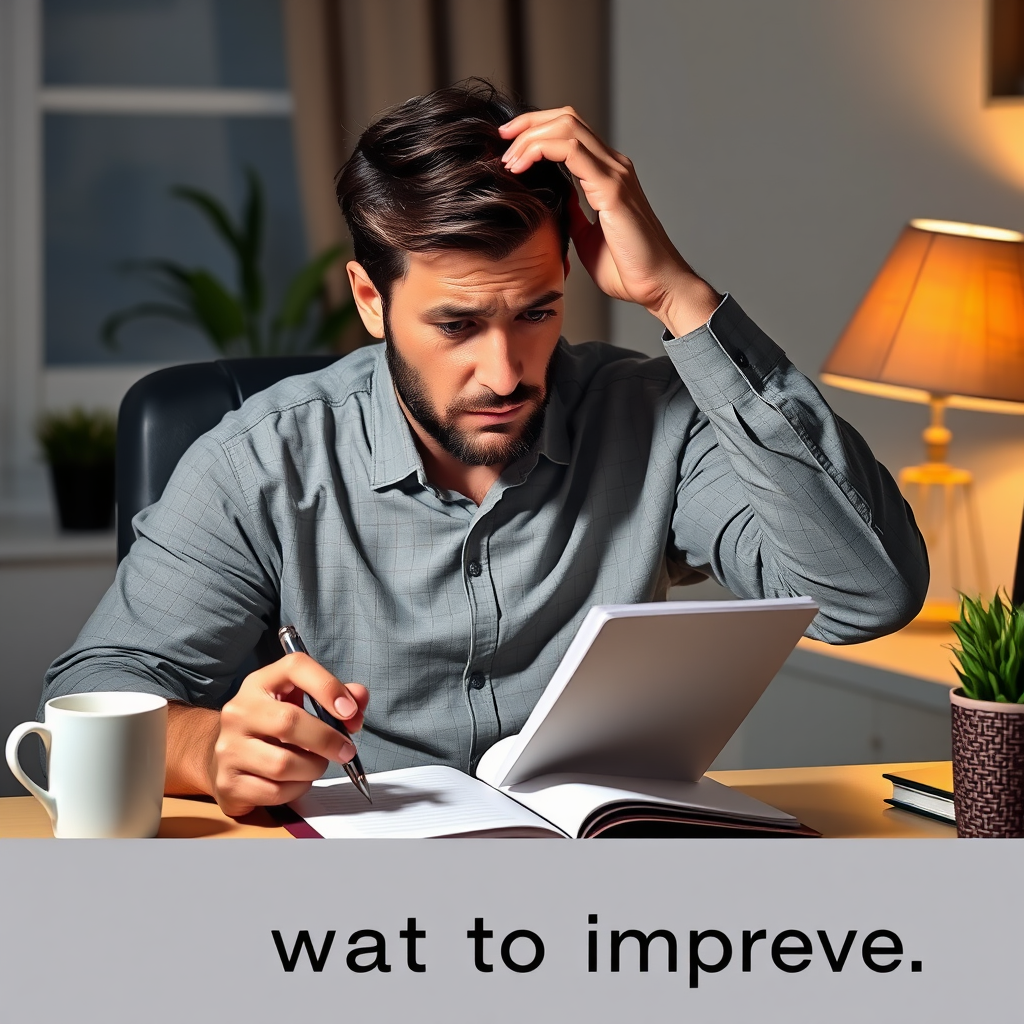
something you are not good at
My biggest weakness is that I get nervous when speaking in public.
More examples: Everyone has a weakness, even the best workers. • In interviews, people often ask about your weaknesses. • His weakness is that he often arrives late.
Common collocations: a big weakness, main weakness, talk about your weakness
Word family: weak (adjective), weaken (verb)
Synonyms: weak point, limitation, failing
Antonyms: strength, talent
Related concepts: improvement, honesty, practice
Contexts: job interviews, self-improvement, feedback
Usage note: Use 'weakness' for the opposite of strength. In interviews, it is polite to mention a weakness and say how you are improving it.
achievement

something good you did successfully
Finishing my first marathon was a big achievement for me.
More examples: She talked about her biggest achievement at work. • Learning a language is a real achievement. • His proudest achievement was opening his own shop.
Common collocations: a big achievement, proudest achievement, a real achievement
Word family: achieve (verb), achievable (adjective)
Synonyms: success, accomplishment, result
Antonyms: failure, defeat
Related concepts: goals, hard work, progress
Contexts: job interviews, school, sports
Usage note: Use 'achievement' for things you finished or did well. It often comes with 'big', 'great' or 'proudest'.
confident

sure that you can do something well
She felt confident because she had prepared well for the interview.
More examples: He looks confident when he speaks English. • I feel more confident after practising my answers. • Try to sound confident, even if you are nervous.
Common collocations: feel confident, look confident, confident about something
Word family: confidence (noun), confidently (adverb)
Synonyms: sure of yourself, self-assured, certain
Antonyms: nervous, shy, unsure
Related concepts: body language, preparation, calm
Contexts: job interviews, public speaking, meeting new people
Usage note: Use 'confident' to describe how a person feels or seems. Pattern: confident about something or confident that something will happen.
impress

to make someone think you are very good
She prepared clear answers to impress the interviewer.
More examples: He tried to impress the manager by arriving early. • You can impress people with a friendly smile. • Her English impressed everyone at the meeting.
Common collocations: impress the interviewer, make a good impression, deeply impressed
Word family: impressive (adjective), impressed (adjective), impression (noun)
Synonyms: wow, move, gain respect
Antonyms: disappoint, bore
Related concepts: first impressions, interviews, praise
Contexts: job interviews, presentations, dates
Usage note: Use 'impress' with a person as the object: impress someone. Do not say 'impress to someone'.
Vocabulary Check
- What does 'strength' mean?
- Something you are not good at
- Something you are very good at
- A feeling of fear
- A type of exercise
- Which sentence uses 'weakness' correctly?
- My weakness is speaking English very well.
- She has no weakness because she is perfect.
- One weakness of mine is that I worry too much.
- He weakness is cooking dinner every day.
- In which situation would you use 'achievement'?
- When you talk about something good you finished
- When you say hello to a friend
- When you describe the weather
- When you order food in a restaurant
- What does 'confident' mean?
- Feeling sure you can do something well
- Feeling very tired
- Feeling angry at someone
- Feeling confused about a problem
- Which sentence uses 'impress' correctly?
- She impressed to the manager with her answers.
- He impressed the team with his hard work.
- They impress at the party last night.
- We impressed for our new colleagues.
Phrasal Verbs & Expressions
find out about
to learn or discover information
I found out about the job from a friend.
Usage note: You can split it: 'I found the news out' is also correct. · Right: I found out about the party. · Avoid: I found about the party.
Usage note: 'Out' adds the idea of discovering something you didn't know before.
take a deep breath
breathe in slowly to feel calm
Before my presentation, I took a deep breath and started.
Usage note: People say this when they feel nervous and want to relax.
arrive early
get to a place before the right time
I always arrive early for important meetings.
Usage note: Use 'arrive at' for places: 'arrive at the office', not 'arrive to the office'. · Right: I arrived at the office early. · Avoid: I arrived to the office early.
Language Practice: Talking About Yourself
Practice talking about your skills, feelings and experiences, just like in an interview.
- Describing your strengths and weaknesses
- Emerging: I am good at ___. — I am good at cooking.
- Developing: One of my strengths is ___ because ___. — One of my strengths is teamwork because I enjoy helping other people.
- Expanding: I would say my main strength is ___, because for example, ___. — I would say my main strength is solving problems, because for example, at my last job I fixed a big mistake in one day.
- Talking about achievements
- Emerging: I ___ (past verb) last year. — I finished a big project last year.
- Developing: My proudest achievement was when I ___. — My proudest achievement was when I finished my studies.
- Expanding: A big achievement for me was ___, because at first it was ___, but in the end ___. — A big achievement for me was learning English, because at first it was very hard, but in the end I could talk with people from other countries.
- Explaining how to make a good impression
- Emerging: If I ___, I will make a good impression. — If I smile, I will make a good impression.
- Developing: When I meet someone important, I usually ___ because ___. — When I meet someone important, I usually prepare my answers because I don't want to forget anything.
- Expanding: If I want to impress someone in an interview, I think the best way is to ___, because ___. — If I want to impress someone in an interview, I think the best way is to ask good questions, because it shows I really want the job.
Fill in the Blanks
Tomorrow, Daniel has a job interview at a hotel, and he wants to do well. First, he makes a list of his _____s, like being friendly and working hard. He also thinks about his _____: he sometimes forgets names, so he plans to repeat people's names when he hears them. Then he chooses his best _____ to talk about - last year, he helped his old hotel win a prize. Before the interview, he practises his answers every evening, and this makes him feel _____. He really hopes to _____ the manager and get the job.
Word bank: strength, weakness, achievement, confident, impress
Sentence Unscramble
- my / biggest / strength / is / working / with / people
- she / felt / confident / because / she / prepared / well
- a / good / smile / makes / a / good / impression
Discussion Questions
Interviewers often ask about strengths and weaknesses. It can feel strange to talk about yourself in a positive way. Some people find it easy, and others feel shy about it.
What is one of your strengths, and how does it help you in daily life?
Everyone has things they are not good at. In interviews, people often talk about a weakness and explain how they are trying to improve it. This can actually make a good impression.
What is a weakness you would like to improve? Why?
Maria's proudest achievement was helping to open a new shop. Achievements can be big or small - passing a test, learning to cook, helping a friend. They all tell a story about you.
What achievement are you most proud of? Tell me the story.
Some people look confident naturally, but most people learn to feel confident through practice. Body language, preparation and experience all play a part.
What helps you feel confident in difficult situations?
First impressions happen fast - sometimes in the first few minutes. A smile, good answers and arriving on time can impress an interviewer. But different people are impressed by different things.
Do you think first impressions are more important than skills? Why or why not?
Knowledge Check
- In an interview, what should you do when you talk about a weakness?
- Say you have no weaknesses
- Only talk about other people's weaknesses
- Name a weakness and say how you are improving it
- Change the subject quickly
- True or false: 'Impress' means to make someone think you are boring.
- True
- False
- Which word means 'something good you did successfully'?
- Weakness
- Achievement
- Strength
- Confidence
- True or false: 'Confident' describes someone who is sure they can do something well.
- True
- False
- Which sentence is correct?
- She impressed to the interviewer.
- He has many strengths, like teamwork.
- My weakness is I am perfect.
- I am good at to cook.
- What does 'take a deep breath' mean?
- To run very fast
- To breathe in slowly to feel calm
- To stop breathing
- To feel angry
Free to use with your students: Free to teach, screen-share, print and share with your students, with a credit to PlanWise ESL. Please do not sell it or republish it as your own. What you can do with free lessons.