Animals Around Us
About this lesson: This is an A1 (Beginner) ESL lesson in the General English category. It takes about 60 minutes. It includes 5 vocabulary words, a reading text, comprehension questions, discussion questions and speaking patterns. Suits one-to-one or small-group online classes. Free to open and teach with no login, and it prints as a PDF.
Print just the discussion questions
How this lesson is built
This is a complete conversation lesson built on a scientific pedagogical formula, not a generic worksheet: recall prior topic vocabulary, pre-teach the new words in depth, read in context, practise active recall with flashcards and synonyms/antonyms, build accuracy with exercises, and finish with deep discussion.
- Warm-up: Discussion questions that connect the topic to the student’s own life and recall vocabulary they already know about the subject.
- Reading: A text written for this CEFR level that uses each new word two or three times in context, giving the student something meaningful to react to.
- Key vocabulary: 5 new words, pre-taught before the reading with a definition, pronunciation guide, example sentences and a picture, plus word families, usage notes, recall flashcards and synonyms/antonyms, giving a solid grounding before reading.
- Comprehension: 5 questions that check the new words: retrieval practice, not rereading.
- Sentence frames: 3 speaking patterns, each at three levels of support (emerging, developing, expanding) with model answers—especially helpful scaffolding for beginners and less confident speakers.
- Gap-fill: The new words again, in a shuffled order, so the student recalls them by meaning in context.
- Sentence unscramble: Natural sentences with the new words to put back in order, reinforcing grammar and collocation.
- Discussion: 5 open questions designed to talk deeply about the subject while actively using the lesson’s target vocabulary: the heart of a conversation lesson.
- Quiz: A short retrieval check that brings every new word back once more.
Unlike a generic worksheet, the new words are taught before the reading and met again in the activities, the speaking is supported at three levels and most of the time goes on the student talking. Teachers who use PlanWise ESL also get per-student vocabulary tracking (recycling earlier words into future readings and questions), a private learner dashboard with flashcards and custom lesson creation, and a downloadable study PDF.
Warm-up: Animals
Look at some animal questions and talk about animals you know.
- Do you like animals?
- What animals do you see near your home?
- Do you have a pet? Do you want one?
- What is your favorite animal? Why?
- Are you afraid of any animals?
Reading Text: My Friend Ana and Her Dog
Read about Ana and her dog Max. Look for the five new words.
Ana has a pet. It is a small dog. His name is Max. He is brown and white. Ana loves him very much.
Max has a long tail. When he is happy, his tail moves fast. Ana laughs when she sees it.
Every morning, Ana feeds Max. She gives him food and water. Max eats very fast!
On Sunday, they go to the park. In the park, they see wild birds. The birds fly from tree to tree. Max watches them.
Ana never lets Max play with big dogs. Some big dogs are dangerous. Max is safe with Ana. He is a happy dog.
Key Vocabulary
pet
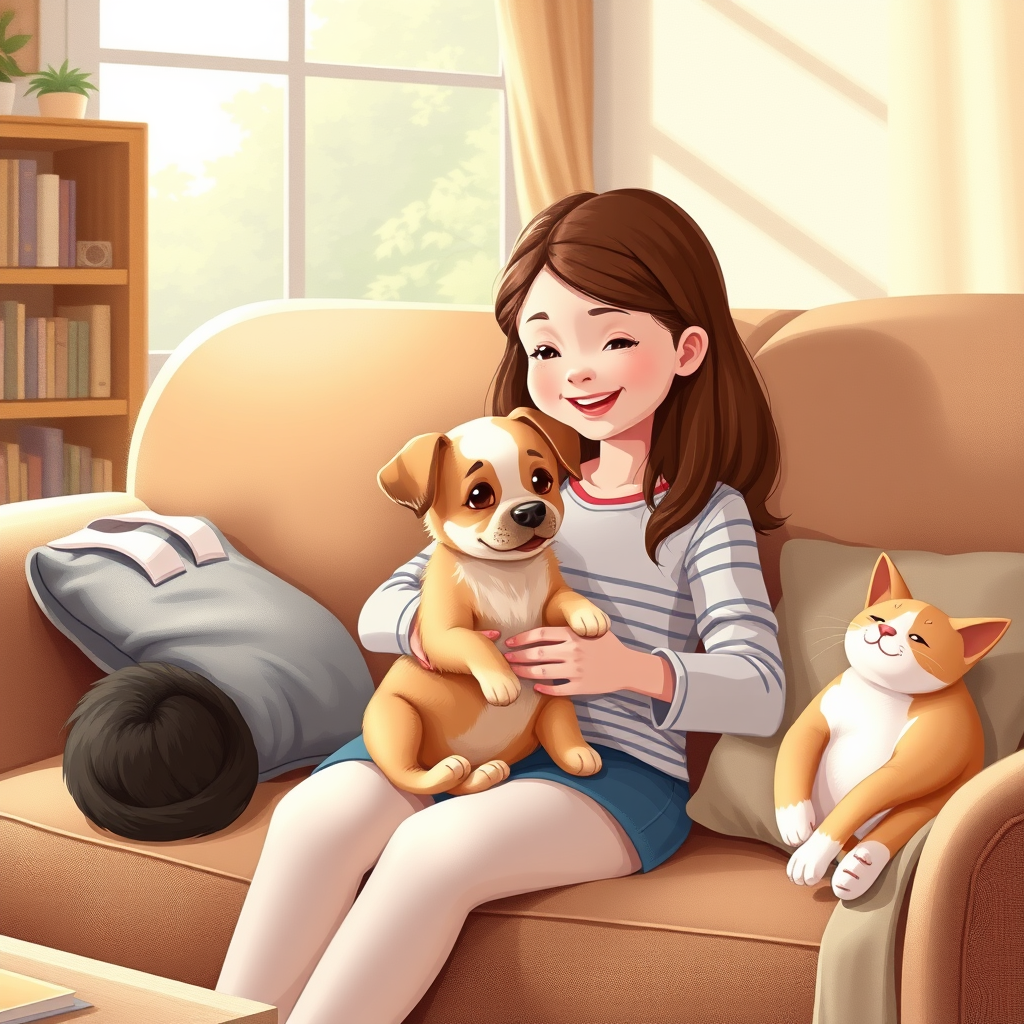
an animal you keep at home
My sister has a pet cat.
More examples: A fish is an easy pet. • Do you want a pet dog? • My pet sleeps on my bed.
Common collocations: have a pet, pet dog, look after a pet
Word family: pets, pet owner
Synonyms: animal friend, companion
Antonyms: wild animal
Related concepts: home, dog, cat
Contexts: home, family, pet shop
Usage note: Use for animals people keep at home, like dogs, cats, fish, or birds.
tail
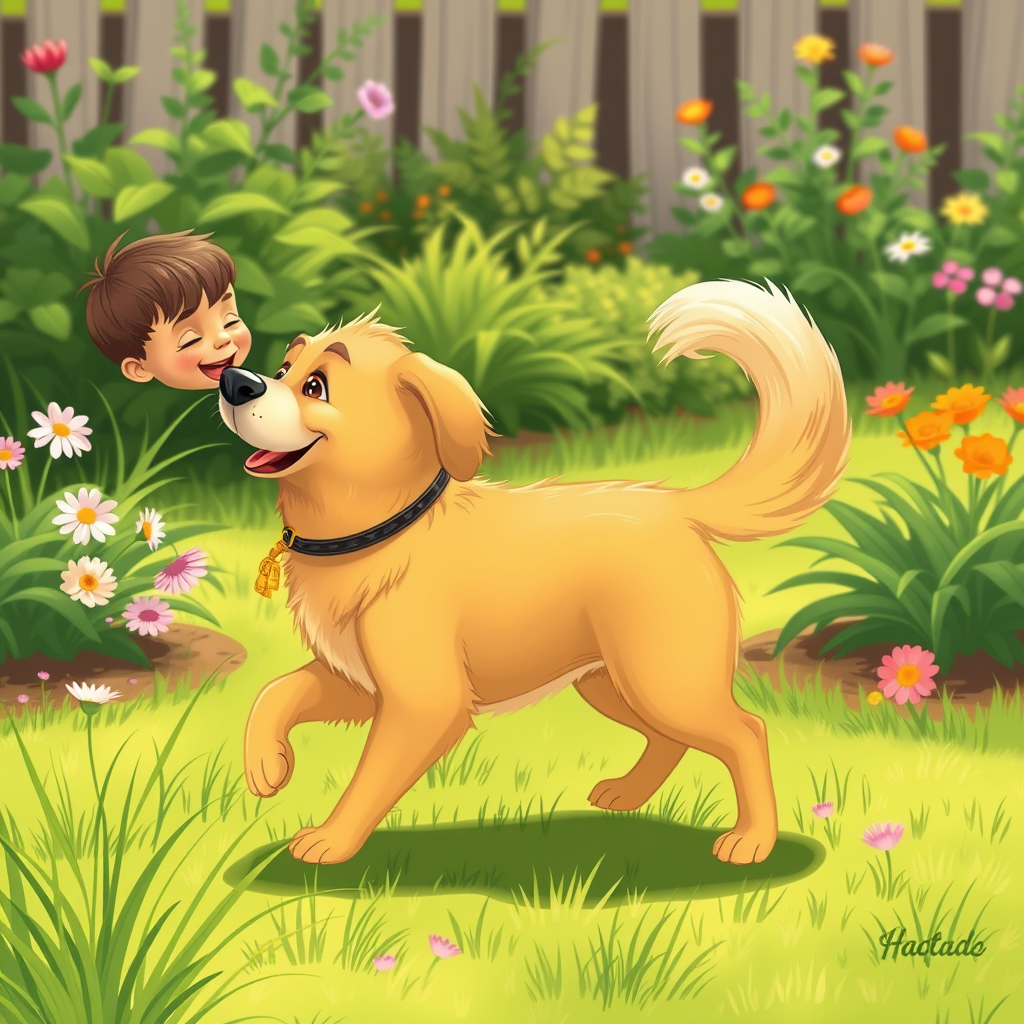
the long part at the back of an animal
The cat moves its tail.
More examples: My dog has a short tail. • The horse's tail is long. • A monkey can hold things with its tail.
Common collocations: long tail, wag its tail, short tail
Word family: tails
Synonyms: back part
Antonyms: head
Related concepts: dog, cat, body
Contexts: animals, park, zoo
Usage note: Use for the body part at the back of dogs, cats, horses, monkeys and many other animals.
feed
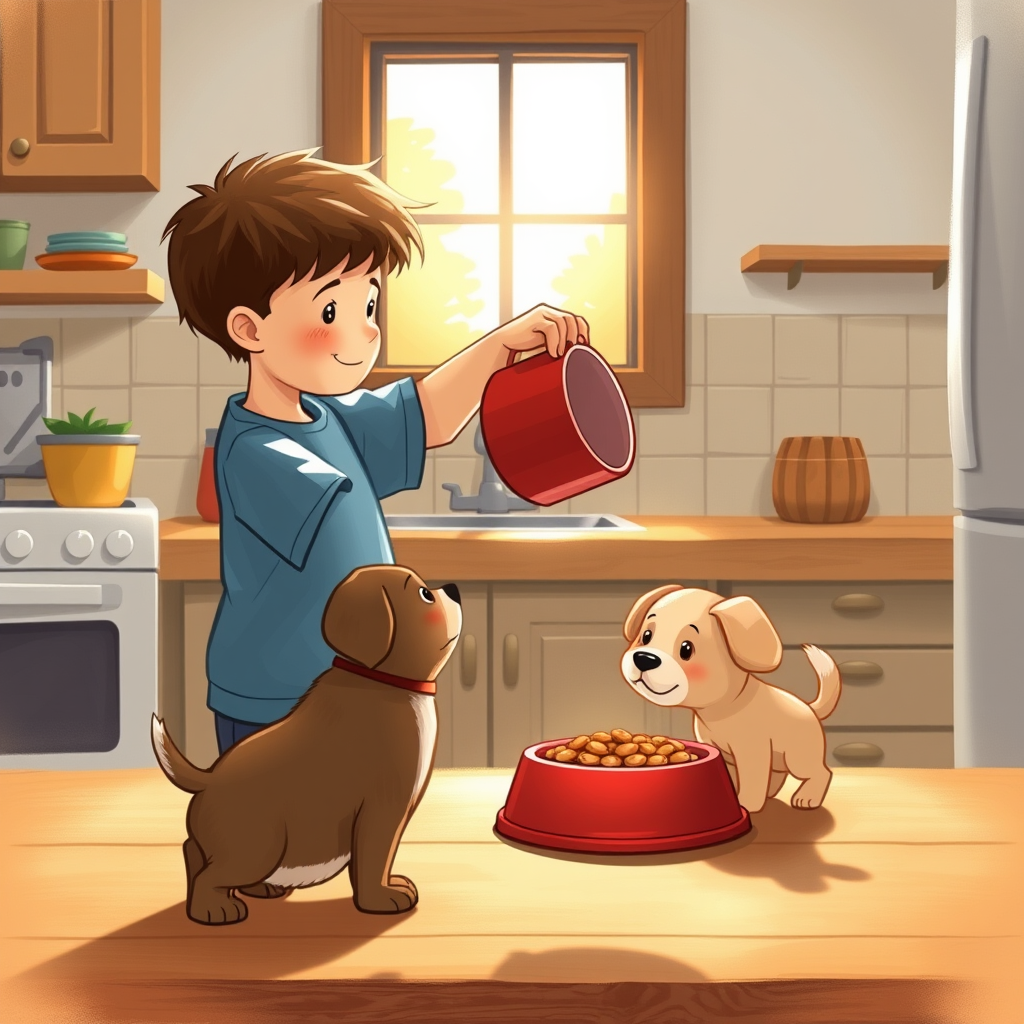
to give food to a person or animal
I feed my cat every morning.
More examples: Please feed the dog at six o'clock. • We feed the ducks in the park. • She feeds her fish twice a day.
Common collocations: feed the dog, feed the birds, feed a baby
Word family: feeds, fed, feeding
Synonyms: give food
Antonyms: starve
Related concepts: food, eat, care
Contexts: home, farm, park
Usage note: Use when you give food to an animal or a baby. Past form is 'fed'.
wild
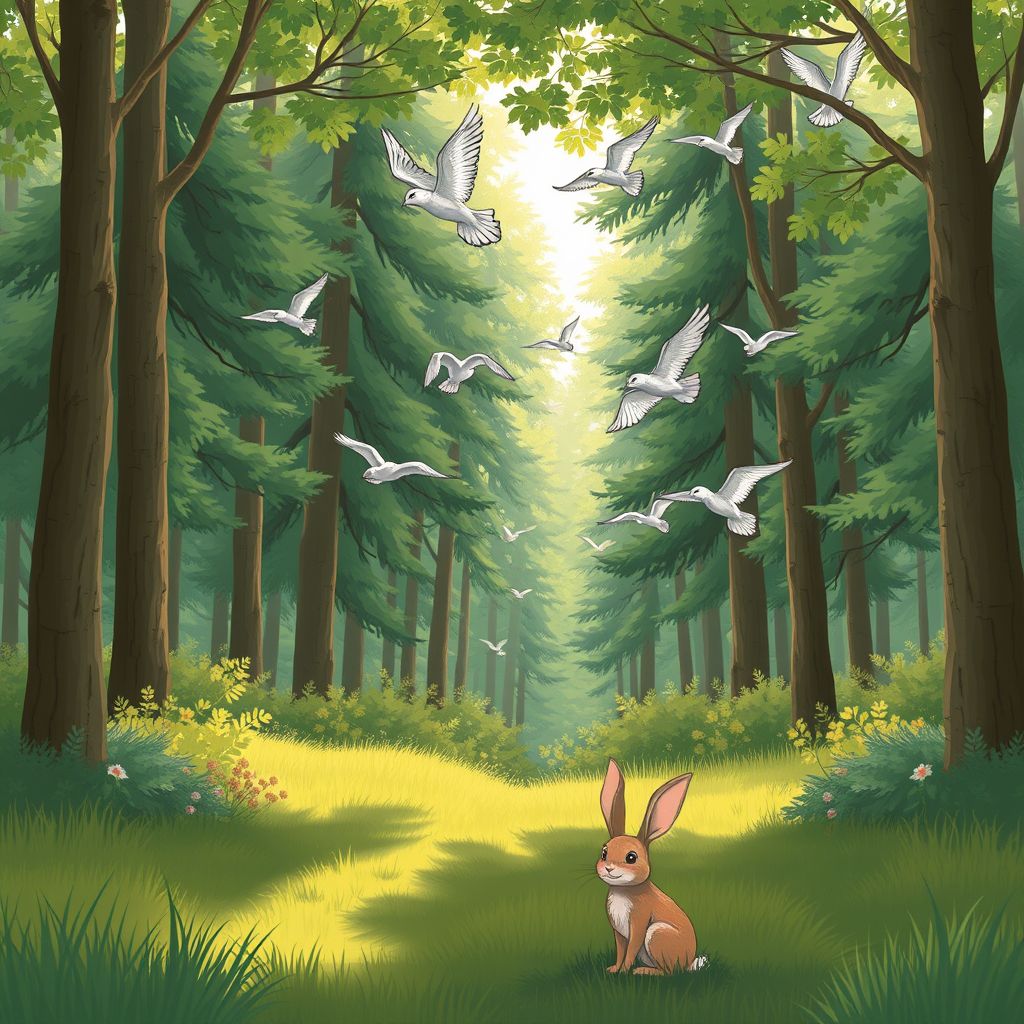
living free in nature, not at home
Lions are wild animals.
More examples: Wild birds live in the trees. • We saw a wild rabbit. • Wild animals live in the forest.
Common collocations: wild animals, wild birds, wild cat
Word family: wildlife, wildly
Synonyms: free, natural
Antonyms: tame, pet
Related concepts: forest, nature, zoo
Contexts: forest, jungle, mountains
Usage note: Use for animals that live free in nature, not with people.
dangerous
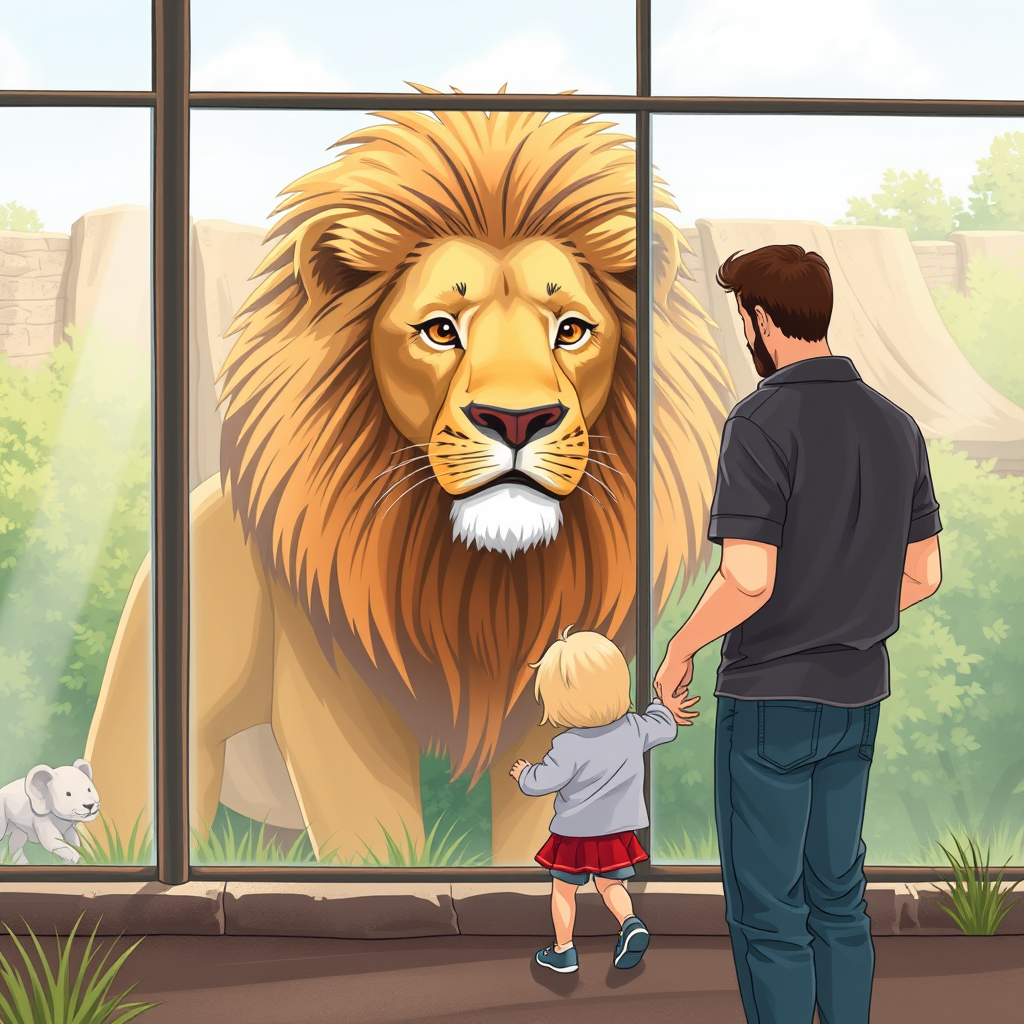
not safe; it can hurt you
A snake can be dangerous.
More examples: That big dog looks dangerous. • Swimming here is dangerous. • Some wild animals are dangerous.
Common collocations: dangerous animal, very dangerous, dangerous place
Word family: danger, dangerously
Synonyms: not safe, risky
Antonyms: safe, safe
Related concepts: fear, care, safety
Contexts: zoo, forest, street
Usage note: Use for things that can hurt people. Say 'be dangerous' or 'look dangerous'.
Vocabulary Check
- What does 'pet' mean?
- A wild animal in the forest
- An animal you keep at home
- A baby bird
- Food for animals
- Which sentence uses 'tail' correctly?
- The dog wags its tail when it is happy.
- I eat tail for breakfast.
- The tail is in the kitchen.
- She reads a tail at night.
- What does 'feed' mean?
- To play with an animal
- To wash an animal
- To give food to an animal
- To buy an animal
- Which animal is wild?
- A cat in your house
- A fish in a bowl
- A tiger in the forest
- A dog on your sofa
- What does 'dangerous' mean?
- Very small
- Not safe; it can hurt you
- Very fast
- Soft and nice
Language Practice: Talking About Animals
Practice talking about animals you know and like.
- Describing animals
- Emerging: A ___ has a ___. — A dog has a tail.
- Developing: A ___ has a ___ and it is ___. — A dog has a tail and it is fast.
- Expanding: I like ___s because they have ___ and they are ___. — I like dogs because they have soft fur and they are friendly.
- Talking about pets and routines
- Emerging: I ___ my pet every day. — I feed my pet every day.
- Developing: Every morning, I ___ my ___. — Every morning, I feed my cat.
- Expanding: If I had a pet, I would ___ it every day and ___ with it. — If I had a pet, I would feed it every day and play with it.
- Expressing opinions about animals
- Emerging: ___ are ___. — Dogs are friendly.
- Developing: I think ___ are ___ because ___. — I think dogs are friendly because they play with you.
- Expanding: I think ___ are ___, but I think ___ are ___. — I think dogs are friendly, but I think snakes are dangerous.
Fill in the Blanks
Tom loves animals. He has a _____ dog named Rex. Rex has a short _____ and brown fur. Every evening, Tom _____s Rex in the kitchen. On Saturday, they walk in the forest and see _____ rabbits. Tom never lets Rex play near the river because it is _____.
Word bank: pet, tail, feed, wild, dangerous
Sentence Unscramble
- My / cat / has / a / long / tail / .
- I / feed / my / dog / every / morning / .
- Some / wild / animals / are / dangerous / .
Discussion Questions
Many people have animals at home. A pet lives with you, eats your food, and sleeps in your house. Dogs, cats, fish, and birds are common pets.
Do you have a pet, or do you want one? What animal?
Pets need care every day. They need food, water, and love. Someone in the family usually feeds them.
If you had a pet, what would you do for it every day?
Some animals live with people, and some animals live free in nature. Wild animals live in forests, mountains, and oceans.
What wild animals live in your country? Do you see them?
Some animals are safe, and some animals are dangerous. Big cats, snakes, and some dogs can hurt people. But many animals are friendly.
Are you afraid of any animals? Which one, and why?
People have different favorite animals. Some people like big animals like horses. Some people like small animals like cats or birds.
What is your favorite animal? Why do you like it?
Knowledge Check
- Which animal is a common pet?
- A lion
- A cat
- A tiger
- A wolf
- A tail is the part at the back of an animal's body.
- True
- False
- What does 'feed' mean?
- To wash an animal
- To play with an animal
- To give food to an animal
- To buy an animal
- A pet dog is a wild animal.
- True
- False
- Which word means 'not safe; it can hurt you'?
- Friendly
- Dangerous
- Small
- Happy
Free to use with your students: Free to teach, screen-share, print and share with your students, with a credit to PlanWise ESL. Please do not sell it or republish it as your own. What you can do with free lessons.